Understanding Maintenance & Service in Modern Industrial Operations
Maintenance & Service forms the backbone of reliable industrial equipment performance. For maintenance teams managing complex pressure systems, spray installations, and heating equipment, understanding the fundamentals of systematic care separates reactive problem-solving from proactive reliability engineering.
At 3G Electric, we've supported industrial maintenance operations globally since 1990. Over 35 years, we've learned that effective Maintenance & Service isn't about fixing equipment when it breaks—it's about establishing repeatable processes that prevent failures before they occur. This requires three critical competencies: understanding component interdependencies, developing inspection routines, and maintaining detailed service records.
The cost differential between preventive and emergency maintenance is substantial. A scheduled service intervention typically costs 30-40% less than emergency repairs, excludes production downtime, and extends equipment lifecycle by 25-35%. Yet many maintenance teams operate without standardized protocols, leading to inconsistent service quality and shortened component life.
Establishing Systematic Inspection Protocols
Effective Maintenance & Service begins with structured inspection routines. Rather than random checks, maintenance teams should develop documented inspection schedules tied to equipment operating hours and environmental conditions.
Critical Inspection Points for Pressure Systems:
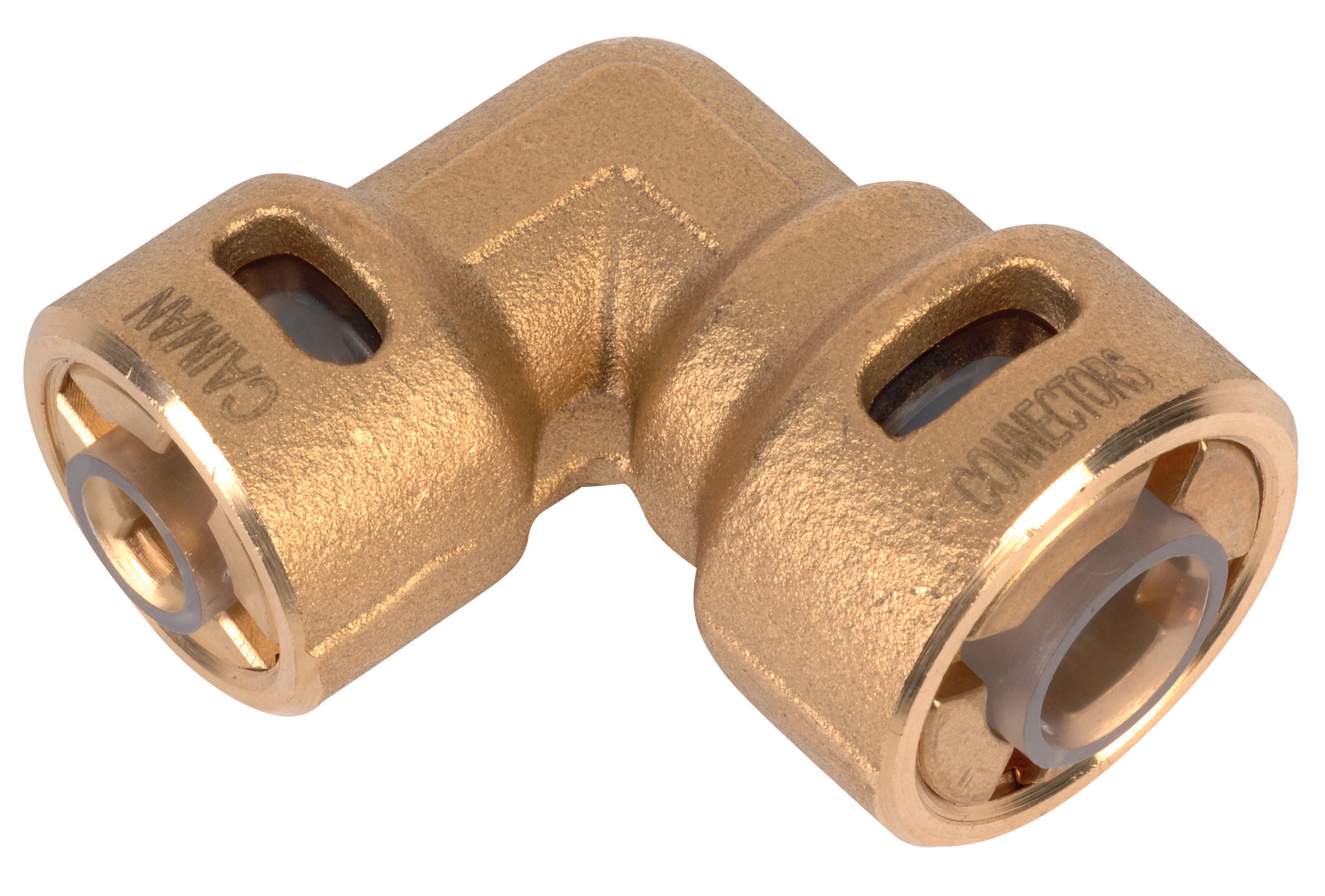
- Quick Couplings and Connection Points: Quick couplings like CBM Quick coupling 90° pressure reduction 1/4*3/8 experience mechanical stress during connection cycles. Inspect for micro-cracks in the pressure relief seat, verify sealing surfaces remain smooth, and check that quick-disconnect mechanisms operate without hesitation. Surface corrosion or discoloration indicates internal seal degradation.
- Nozzle Assembly Health: Flat jet nozzles accumulate mineral deposits and carbon residue during operation. Different application requirements demand different nozzle specifications. CBM Flat jet nozzle HP 1/4"M BSPT index 25 angle 15° serves precision cleaning applications, while CBM Flat jet nozzle HP 1/4"M BSPT index 50 angle 40° handles heavy-duty industrial washing. Establish baseline spray patterns during installation, then compare current patterns during each service interval. Deviations indicate internal orifice erosion or debris accumulation.
- Pressure Measurement Consistency: Document actual system pressure at identical load conditions across service intervals. A gradual 5-10% pressure increase may indicate pump wear or seal degradation. Sudden drops suggest ruptures or coupling leaks. Comparison trending reveals degradation patterns invisible in single-point measurements.
- Vibration and Acoustic Signatures: Healthy equipment produces consistent operational sound and vibration patterns. Increased noise, grinding sensations, or unusual vibrations during operation often precede component failure by weeks. Train maintenance staff to recognize normal equipment "voice" so anomalies become obvious.
Each inspection must generate timestamped records including: specific measurements (pressure, temperature, flow rates), visual observations (corrosion, discoloration, leakage), component serial numbers, environmental conditions (ambient temperature, humidity, water quality), and operator observations. This data enables trend analysis and supports failure investigation.
Component Care and Strategic Replacement Planning
Maintenance & Service excellence requires understanding component lifecycles and failure modes. Not all equipment requires simultaneous replacement; strategic planning extends service intervals while maintaining reliability.
Sealing Component Management:
Quick couplings, pressure reducers, and nozzle assemblies depend on elastomeric seals. These materials degrade through multiple mechanisms: pressure cycling, temperature extremes, incompatible fluid exposure, and time-dependent material oxidation. Rather than reactive seal replacement, establish replacement intervals based on:
- Operating pressure cycles (high-pressure systems experience seal stress proportional to cycle frequency)
- Fluid chemistry (some industrial fluids accelerate elastomer degradation)
- Temperature exposure (heat accelerates seal material aging)
- Maintenance team experience (systems with documented seal failures warrant shorter replacement intervals)
Flat jet nozzles including CBM Flat jet nozzle HP 1/4"M BSPT index 055 angle 15° have fixed orifices that cannot be cleaned without risking performance degradation. Establish replacement triggers based on spray pattern changes rather than calendar intervals. Some applications require nozzle replacement every 200 operating hours; others sustain 2,000+ hours. Document actual performance data to establish appropriate intervals for your specific applications.
Installation Point Maintenance:
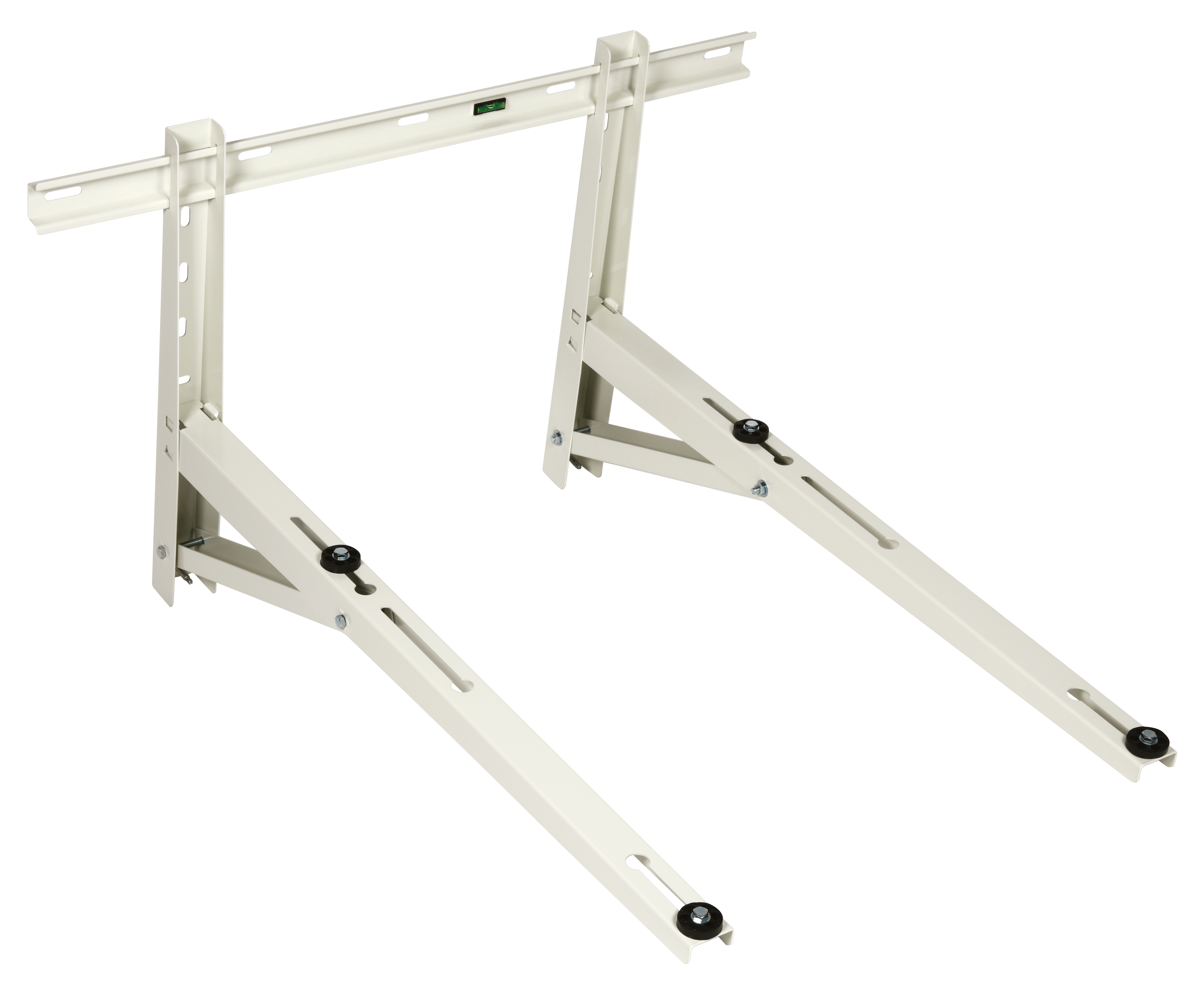
Mounting hardware and installation points experience cumulative stress. CBM Wall bracket 1000 mounting systems require periodic inspection for fastener corrosion, micro-cracking at stress concentration points, and alignment verification. A loose mounting bracket that permitted millimeter-level movement during service can reduce nozzle spray accuracy by 15-20%, requiring complete system recalibration.
Maintenance & Service Record Management and Compliance
Systematic documentation transforms maintenance activities from individual efforts into organizational knowledge. Well-maintained service records enable:
Predictive Reliability Analysis:
Track component failures, replacement dates, and operating conditions. Patterns emerge: perhaps quick couplings fail consistently at 18-month intervals in high-vibration environments but last 4+ years in stable installations. This data justifies specific preventive actions or component upgrades for problematic applications.
Warranty and Liability Protection:
Detailed maintenance records demonstrate that failures resulted from environmental factors or normal wear, not negligent maintenance. This documentation proves invaluable during warranty disputes or safety investigations.
Equipment Performance Benchmarking:
When multiple identical installations exist, comparative analysis identifies best-performing locations. Why does installation A require nozzle replacement every 600 hours while installation B achieves 1,800 hours? Water quality differences? Operating pressure variations? Ambient temperature extremes? Comparative records reveal these distinctions.
Compliance Documentation:
Industrial safety regulations often require documented maintenance evidence. Pharmaceutical, food processing, and petrochemical applications demand proof that critical equipment receives regular inspection and maintenance according to manufacturers' specifications.
Digital Record Systems:
Implement maintenance management software that generates automatic alerts when service intervals approach. These systems should link component information to maintenance history, enabling technicians to access complete service records within seconds. Mobile applications allow technicians to document work in real-time rather than relying on after-the-fact memory.
Developing Maintenance Team Competency
Maintenance & Service excellence depends fundamentally on team knowledge and skill. Invest in:
Technical Training Programs:
Maintenance staff should understand pressure system fundamentals, component function, failure modes, and safe service procedures. Training should progress from supervised work alongside experienced technicians to independent responsibility, with competency verification before assigning solo service tasks.
Equipment-Specific Knowledge:
While general principles apply across installations, specific equipment requires focused study. Training on spray nozzle technology, quick coupling operation, and pressure system design ensures technicians understand why they perform specific maintenance tasks rather than simply following checklists.
Safety Competency:
Pressure system work involves genuine hazards: pressurized fluid release can cause serious injuries. Technicians must understand safe depressurization procedures, personal protective equipment requirements, and emergency response protocols. This training must be documented and refreshed regularly.
Supplier Relationships:
Building strong relationships with equipment suppliers like 3G Electric provides access to technical expertise beyond your internal team. Suppliers can advise on component selection for your specific applications, recommend improved materials for problematic installations, and provide rapid access to replacement components when failures occur unexpectedly.
Implementing Maintenance & Service Excellence in Your Organization
Transitioning to systematic Maintenance & Service requires disciplined implementation:
Phase 1 - Current State Assessment:
Document existing maintenance practices, identify equipment critical to production, establish baseline service intervals, and catalog all components currently used. Analyze historical failures to identify problem areas.
Phase 2 - Protocol Development:
Based on equipment criticality and failure patterns, develop specific inspection protocols, replacement interval recommendations, and documentation procedures. Involve experienced technicians in protocol design to ensure practicality.
Phase 3 - Implementation and Training:
Roll out new protocols with comprehensive team training. Initially, expect longer service times as technicians adapt to new procedures. This is temporary and reflects growing competency.
Phase 4 - Monitoring and Optimization:
Track implementation progress, adjust protocols based on practical experience, and continuously improve based on data patterns. Maintenance & Service excellence evolves as your organization learns from experience.
With 35+ years supporting global industrial operations, 3G Electric understands that Maintenance & Service forms the foundation of equipment reliability. By establishing systematic inspection protocols, implementing strategic component care, maintaining detailed records, and developing team competency, maintenance organizations transform from reactive problem-solvers into proactive reliability engineers. The result: extended equipment life, reduced emergency downtime, improved safety, and significantly lower total cost of ownership.