Understanding Maintenance & Service Component Selection for Industrial Teams
Maintenance & Service operations demand equipment that performs consistently under demanding conditions while providing teams with the flexibility to adapt to diverse applications. After 35+ years of distributing industrial equipment globally, 3G Electric has observed that maintenance departments often overlook the critical role that quick couplings, precision nozzles, and proper mounting systems play in overall operational efficiency.
The right combination of these components can reduce maintenance time by up to 40%, lower operational costs, and improve safety standards across your facility. This article provides maintenance teams with practical guidance on selecting appropriate high-pressure components based on actual operating requirements, not just specifications on paper.
Quick Coupling Performance: The Foundation of Efficient Maintenance & Service
Quick couplings are the unsung heroes of maintenance operations. A quality coupling system eliminates the need for manual threading and unthreading, which not only saves time but also reduces the risk of cross-threading and fluid leakage—two common causes of maintenance delays.
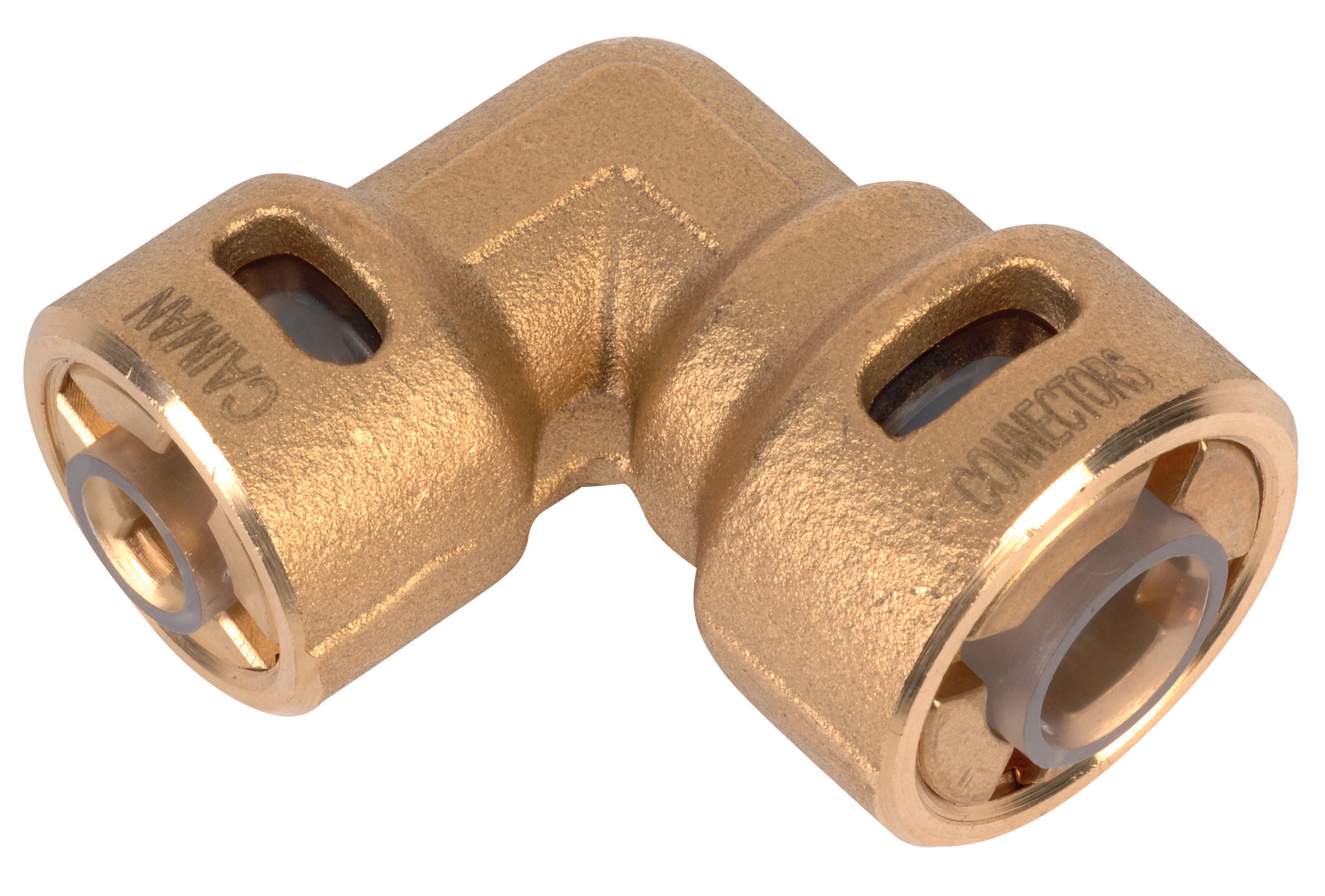
The CBM Quick Coupling 90° Pressure Reduction 1/4*3/8 represents a significant advancement in coupling technology for maintenance teams. This 90-degree design offers distinct advantages:
- Spatial Efficiency: The angular design allows equipment to fit into tight spaces where traditional straight couplings would require additional repositioning or equipment adjustments.
- Pressure Reduction Function: Built-in pressure reduction prevents system shock and extends the lifespan of connected equipment by stabilizing pressure fluctuations during connection and disconnection.
- Adapter Compatibility: The 1/4 to 3/8 size reduction accommodates various hose and tool configurations without requiring additional adapters, streamlining your maintenance toolkit.
- Time Savings: Quick coupling connection eliminates 2-3 minutes per tool changeover compared to threaded connections—a significant saving when performed 20-30 times per shift.
For maintenance teams operating in facilities where space is limited or where equipment must be repositioned frequently, this coupling style reduces physical strain on technicians while improving workflow efficiency. The pressure reduction feature also decreases wear on smaller diameter hose sections, lowering replacement costs over time.
Flat Jet Nozzles: Selecting the Right Performance Index for Your Application
Flat jet nozzles are application-specific tools that directly impact cleaning efficiency, water consumption, and maintenance team safety. Understanding the differences between nozzle indices and angles is essential for optimizing your maintenance operations.
Nozzle Index Explained for Maintenance Operations
The "index" number on flat jet nozzles (025, 055, 50) refers to the spray pattern's width and impact distribution. This is crucial because it determines:
- Coverage Area: Higher indices create wider spray patterns, covering more surface area with each pass.
- Impact Force Concentration: Lower indices concentrate force in a smaller area, ideal for removing stubborn debris or buildup.
- Water Pressure Requirements: Different indices perform optimally at different pressure ranges.
- Removing hardened debris from equipment surfaces
- Cleaning intricate machinery sections where broader sprays might cause collateral damage
- Spot-treatment of corrosion or buildup on critical components
- Degreasing small mechanical assemblies requiring targeted cleaning
Maintenance teams should reserve this nozzle for precision work. The 15-degree angle provides controlled directional spray without excessive splashing, reducing secondary cleanup work.
The CBM Flat Jet Nozzle HP 1/4"M BSPT Index 25 Angle 15° bridges precision and efficiency. With index 25 (wider than 055), this nozzle covers approximately 1.5 times the surface area while maintaining enough force concentration for effective cleaning. This is your workhorse nozzle for:
- General surface cleaning and degreasing
- Maintenance of large equipment exteriors
- Routine equipment inspections involving washdown
- Applications requiring balanced coverage and impact force
For maintenance teams managing multiple equipment types, this mid-range index reduces the need to swap nozzles frequently, saving 5-10 minutes per maintenance cycle.
The CBM Flat Jet Nozzle HP 1/4"M BSPT Index 50 Angle 40° is designed for broad-area applications. Index 50 produces the widest spray pattern, covering approximately twice the area of index 25. The 40-degree angle (versus 15 degrees on the other models) disperses impact force more broadly, making this nozzle optimal for:
- Large-scale equipment washing and degreasing
- Facility floor and work surface cleaning
- General washdown operations where precision isn't critical
- High-volume, time-sensitive maintenance tasks
The reduced angle concentration minimizes splashing and secondary mist, making it safer for indoor maintenance operations and reducing water usage. Maintenance teams using this nozzle typically complete large washdown tasks 35-45% faster than with smaller indices.
Practical Nozzle Selection Framework
Maintenance teams should maintain at least two nozzles in their standard toolkit:
1. Index 25 as your primary workhorse for 70-80% of cleaning operations
2. Index 055 for precision work requiring targeted impact force
Optionally, add Index 50 if your facility includes large equipment or regular facility-wide cleaning protocols. This tiered approach optimizes both performance and cost-efficiency.
Mounting Solutions: Infrastructure That Supports Efficient Maintenance & Service Operations
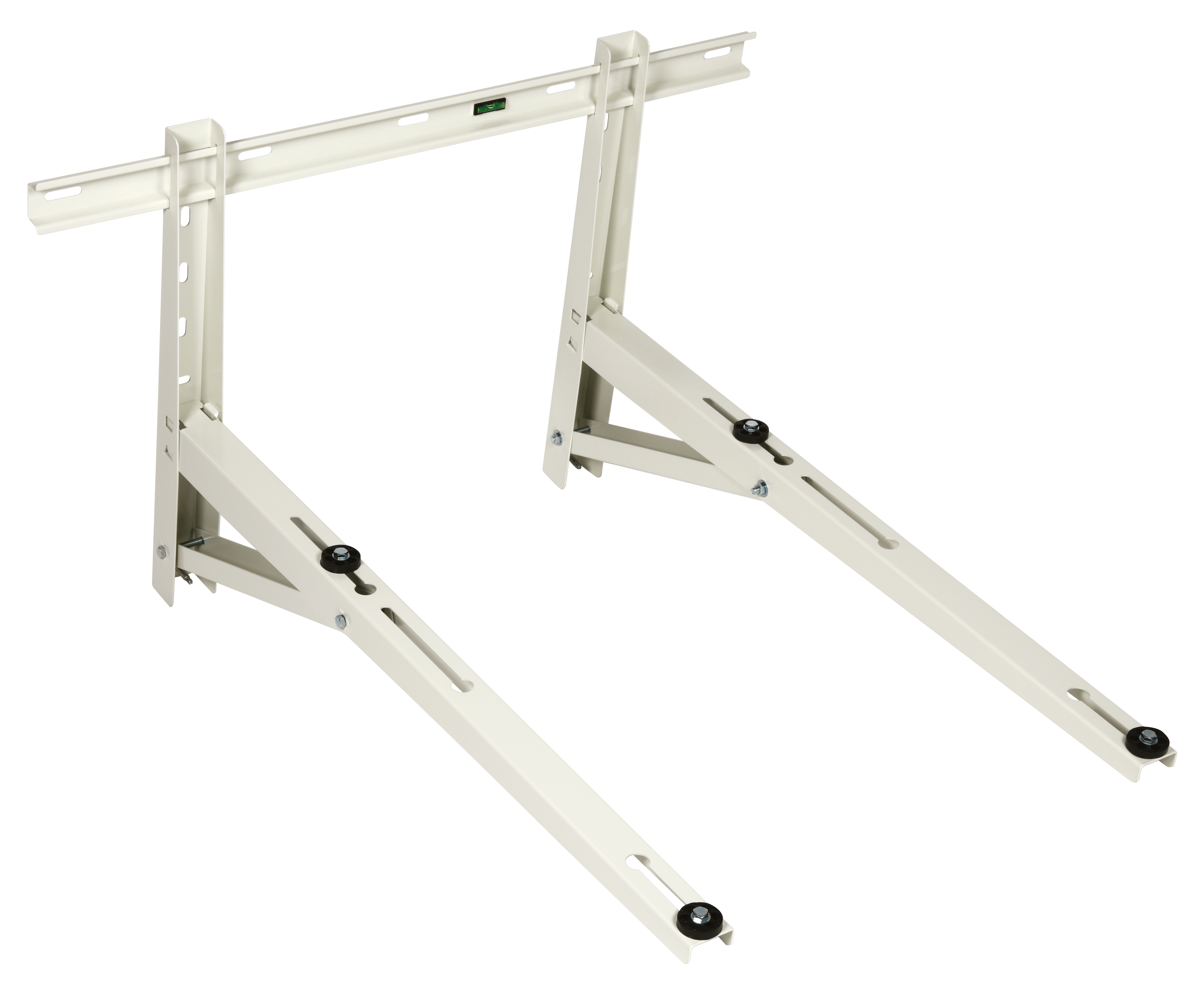
The CBM Wall Bracket 1000 represents often-overlooked critical infrastructure for maintenance departments. Proper equipment mounting directly impacts:
- Safety: Secured equipment prevents drops, spills, and electrical hazards
- Accessibility: Well-mounted systems reduce technician reaching and bending, lowering injury risk
- Workflow Organization: Equipment stored at point-of-use reduces tool retrieval time between tasks
- Space Efficiency: Wall-mounted solutions free valuable floor space in maintenance areas
For maintenance teams managing multiple workstations or equipment across a facility, the 1000-series bracket provides rated capacity for standard industrial nozzles and coupling systems. This bracket supports:
- Secure mounting of quick coupling systems at ergonomic heights
- Organization of multiple nozzles in a compact vertical arrangement
- Pressure hose storage without kinking or damage
- Easy technician access during shift changes or handovers
Proper mounting extends component lifespan by preventing pressure hose kinking (which causes internal damage) and exposure to floor traffic or equipment placement. Many maintenance teams report 2-3 year extensions in hose service life when equipment is properly mounted.
Integrated Systems: Getting Maximum Performance from Your Maintenance & Service Investment
The true efficiency gains emerge when maintenance teams integrate these components strategically:
Setup for Precision Work: Use the quick coupling with the index 055 nozzle, mounted at a fixed station for intricate equipment servicing. This configuration minimizes changeover time for detailed work.
Setup for Efficiency Work: Pair the coupling with index 25 nozzle on a mobile cart with wall bracket support at secondary stations. This configuration handles 80% of routine maintenance tasks.
Setup for Large-Scale Operations: Deploy index 50 nozzle at floor-level service points with sturdy bracket support for facility-wide cleaning protocols.
Maintenance teams following this three-station approach report:
- 30-40% reduction in tool changeover time
- 25-35% improvement in scheduled maintenance completion rates
- 15-20% reduction in maintenance-related equipment damage
- Improved safety records due to reduced physical strain and better organization
Implementation Recommendations for Your Maintenance & Service Team
Based on 3G Electric's 35+ years of industrial equipment distribution, we recommend the following approach:
Phase 1 - Assessment: Audit your current maintenance operations for 2-3 weeks, documenting:
- Time spent on tool changeovers
- Equipment damage incidents related to pressure or spray force
- Storage space constraints affecting team efficiency
- High-frequency tasks requiring specific nozzle types
Phase 3 - Specialized Expansion: Add index 055 nozzle for precision work and index 50 for large-scale operations based on your phase 1 findings.
Phase 4 - Optimization: Track performance metrics (task completion time, equipment damage, water usage) for 30 days post-implementation and adjust configurations as needed.
This phased approach allows your maintenance team to experience immediate benefits while managing capital expenditures strategically.