Understanding Maintenance & Service as a Strategic Function
Maintenance & Service in industrial equipment operations extends far beyond emergency repairs and routine inspections. For procurement engineers managing global equipment portfolios, strategic maintenance planning directly impacts capital expenditure forecasting, operational uptime, and supply chain resilience. With 35+ years of experience distributing industrial equipment worldwide, 3G Electric has observed that organizations successfully implementing predictive component management strategies achieve 40-60% reductions in unplanned downtime and 25-35% improvements in equipment lifecycle value.
The shift from reactive maintenance to predictive service management begins with understanding component degradation patterns. Industrial heating systems, gas burners, pressure regulation equipment, and fluid handling systems all follow predictable wear cycles. By establishing maintenance & service baselines for critical components, procurement teams can anticipate replacement needs 6-12 months in advance, optimize inventory investment, and negotiate better terms with authorized distributors.
This strategic approach transforms maintenance from a cost center into a competitive advantage. Rather than purchasing replacement components at emergency prices, procurement engineers can leverage predictive data to schedule maintenance windows, consolidate orders, and maintain safety stock at optimal levels.
Implementing Predictive Service Intervals Through Component Monitoring
Successful Maintenance & Service planning requires establishing clear monitoring protocols for each critical component type. For flat jet nozzles like CBM Flat jet nozzle HP 1/4"M BSPT index 25 angle 15° and CBM Flat jet nozzle HP 1/4"M BSPT index 055 angle 15°, monitoring involves tracking spray pattern degradation, pressure differential changes, and combustion efficiency metrics.
Implementing predictive monitoring involves several practical steps:
Establish baseline performance metrics during commissioning: Document initial operating parameters including spray angle consistency, droplet size distribution, and fuel flow rates. These baselines become the reference point for detecting performance degradation.
Implement monthly visual inspections: Schedule rapid visual assessments to detect physical damage, carbon buildup, or fuel residue accumulation. Nozzle tip erosion and carbon deposits signal imminent replacement needs. For organizations operating multiple burner systems, consolidated inspection schedules improve efficiency and reduce labor costs.
Track combustion efficiency continuously: Modern flame sensors and combustion analyzers provide real-time data on combustion efficiency, smoke number, and excess air levels. Declining efficiency typically indicates nozzle wear 2-4 weeks before failure occurs. This advance notice allows planned procurement rather than emergency purchasing.
Document findings systematically: Maintain digital records of inspection results, maintenance dates, and component replacements. Over 12-24 months, historical data reveals predictable replacement intervals for specific equipment configurations, enabling accurate capital planning.
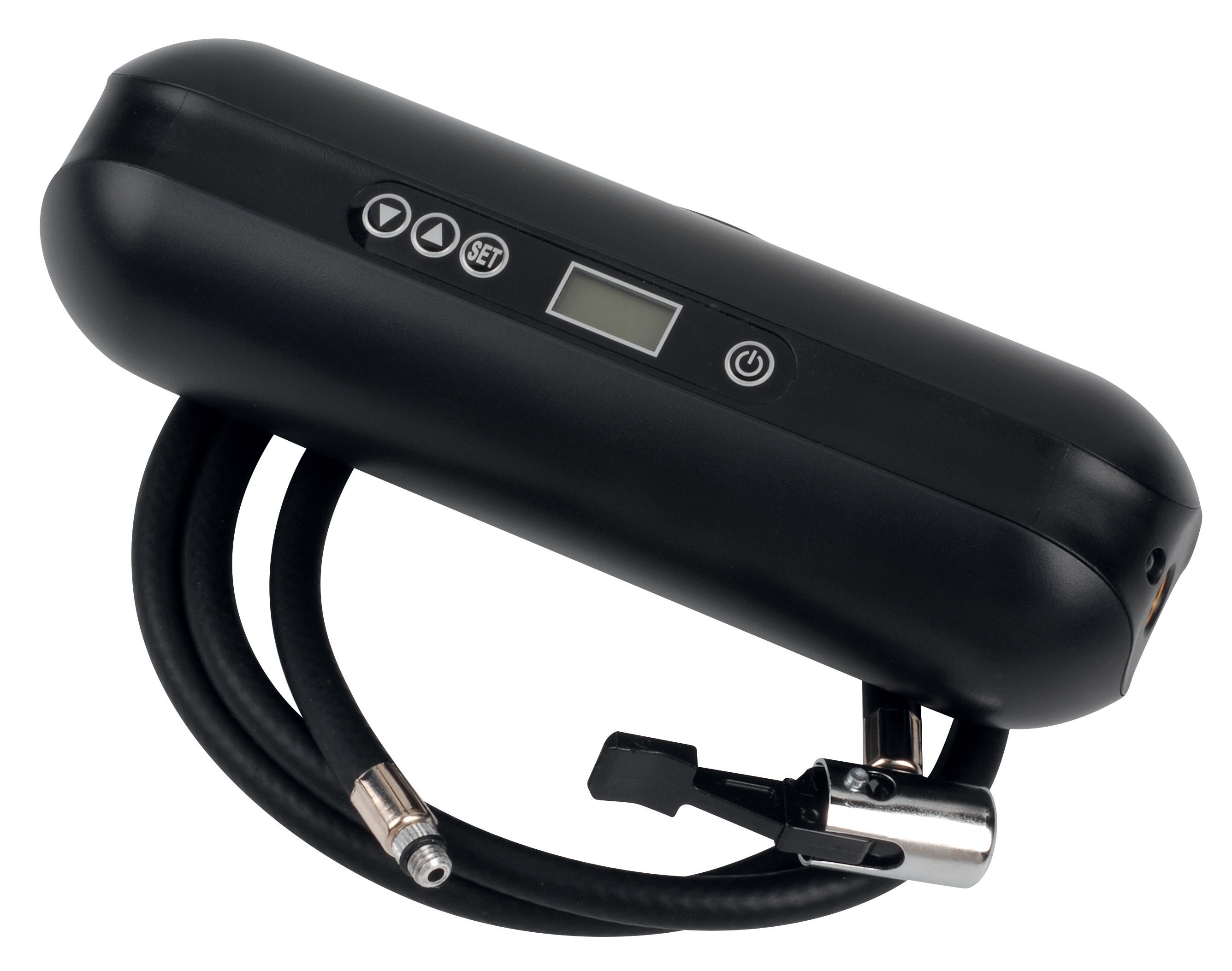
For pressurization and storage systems like the CBM Expansion tank inflator battery 2000 mAH, monitoring focuses on pressure retention, battery charge levels, and seal integrity. Expansion tank inflation batteries typically require replacement annually or bi-annually depending on system cycling frequency. By tracking pressure decay rates during routine inspections, maintenance teams can schedule battery replacement during planned maintenance windows rather than emergency service calls.
Lifecycle Cost Analysis and Maintenance Planning for Burner Systems
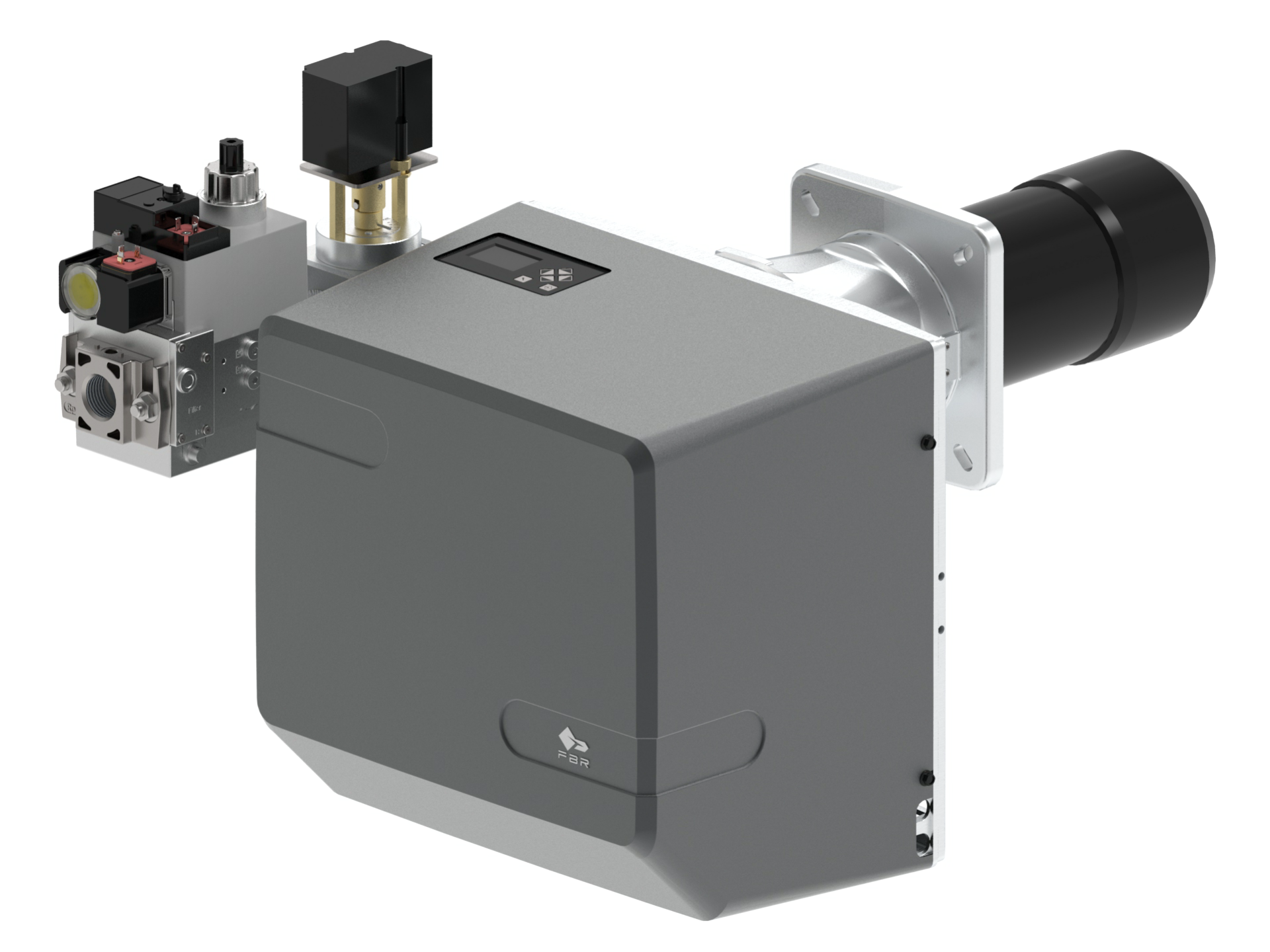
Gas burner systems represent significant capital investments, and their Maintenance & Service strategy directly impacts return on investment. The FBR BURNER GAS X5/MF TL EL VC LPG and similar modulating burner systems require sophisticated maintenance protocols addressing flame stability, fuel control accuracy, and emissions compliance.
Developing a comprehensive lifecycle cost model involves analyzing:
Component-level maintenance costs: Beyond the burner unit itself, factor in maintenance costs for peripheral components including nozzles, ignition electrodes, flame sensors, and control valves. The total cost of burner system ownership typically includes 15-25% of the initial capital cost annually in maintenance and replacement parts.
Fuel consumption optimization: Properly maintained burners operate at peak efficiency. A 2% decline in combustion efficiency directly increases fuel costs 2-3% annually. For facilities burning 100,000+ gallons of fuel yearly, this efficiency loss translates to $2,000-$5,000 in unnecessary fuel expense. Planned maintenance & service investments of $500-$1,000 annually yield positive ROI through efficiency gains alone.
Downtime cost quantification: Calculate the operational impact of burner failures. For manufacturing facilities with continuous processes, unplanned burner shutdown costs $5,000-$25,000+ per hour in lost production, cooling losses, and product waste. This calculation demonstrates that investing in preventive maintenance & service costing $2,000-$5,000 annually prevents catastrophic losses.
Compliance and safety considerations: Modern gas burner systems must maintain emissions compliance and safety certification. Maintenance records demonstrating adherence to manufacturer service intervals protect organizations from liability claims and regulatory penalties. Procurement engineers should factor compliance documentation costs into maintenance budgeting.
Extended warranty and service contracts: Evaluate extended maintenance agreements with authorized distributors. 3G Electric offers tiered service packages that provide priority technical support, reduced response times, and preferred pricing on replacement components. For critical burner systems, service contracts often cost 8-12% of equipment value annually but eliminate uncertainty from maintenance budgeting.
Safety Component Maintenance and System-Level Risk Management
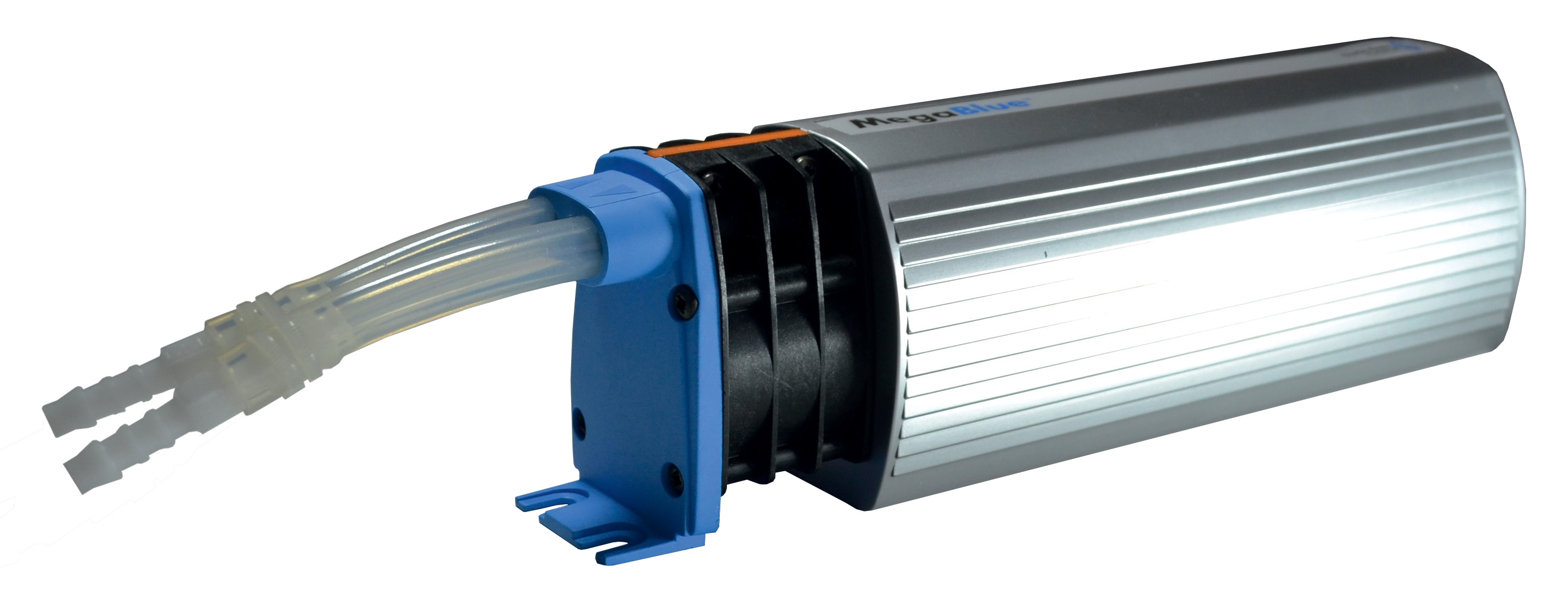
Maintenance & Service for safety-critical components like the CBM Megablue reservoir alarm + shut-off X87-813 requires rigorous protocols and regulatory compliance documentation. Reservoir alarms and automatic shut-off systems prevent overfilling, fuel overflow, and environmental contamination. Their maintenance must be scheduled, documented, and verified.
Safety component inspection requirements: Regulatory agencies typically mandate annual testing of reservoir alarms and shut-off mechanisms. Testing involves:
- Functional verification of alarm circuits (audible and visual alarms)
- Shut-off valve actuation testing under controlled conditions
- Float mechanism operation and calibration verification
- Electrical continuity testing for alarm circuits and solenoid connections
Preventive replacement scheduling: Safety components experience aging of electrical components, seal degradation, and mechanical wear. Even when functional testing passes, components approaching 10-15 years of service should be scheduled for replacement. The cost of preventive replacement ($800-$2,000) is minimal compared to environmental remediation costs from spills ($10,000-$500,000+) or regulatory fines.
System integration considerations: Safety components must be integrated into facility-wide maintenance calendars. Coordinate reservoir alarm testing with burner maintenance, pressure regulation system inspections, and fuel supply line maintenance. Consolidated scheduling reduces downtime and improves maintenance team efficiency.
Training and knowledge management: Ensure maintenance personnel understand component operation, testing procedures, and safety protocols. For distributed global operations, establish centralized training programs and maintain competency documentation. This reduces human error and ensures consistent maintenance quality across facilities.
Procurement Strategy and Vendor Relationship Management
Effective Maintenance & Service planning requires strong vendor relationships with authorized distributors who understand global operations and supply chain complexity. 3G Electric's 35+ years of experience managing industrial equipment distribution positions the company to support sophisticated maintenance & service strategies.
Consolidate supplier relationships: Working with a single authorized distributor for maintenance components simplifies ordering, ensures technical consistency, and enables favorable pricing through volume commitments. Maintenance & service-focused distributors like 3G Electric maintain regional inventory, provide same-day or next-day delivery for critical components, and offer technical support aligned with your maintenance calendar.
Leverage distributor technical expertise: Authorized distributors employ technical specialists who understand component interactions, installation requirements, and troubleshooting procedures. Engage distributor expertise during maintenance planning to identify optimization opportunities and prevent common failure modes.
Establish preferred parts lists: Create approved component specifications for replacement parts. For flat jet nozzles, specify exact index numbers and angles to ensure spray characteristics remain consistent. Preferred parts lists simplify procurement, reduce decision delays, and maintain equipment performance standards.
Negotiate volume-based pricing agreements: Predictive maintenance planning generates forecasted component demand. Use this forecast to negotiate multi-year pricing agreements with distributors, typically yielding 15-25% discounts compared to spot market pricing.
Implement inventory management practices: Rather than maintaining excess stock, implement consignment inventory or vendor-managed inventory programs. Distributors stock critical components at your facility, and you pay only for consumed items. This approach reduces capital tied up in inventory while ensuring emergency parts availability.