Understanding Maintenance & Service Requirements in Industrial Heating Systems
Maintenance & Service planning represents one of the most critical responsibilities for procurement engineers managing industrial heating infrastructure. Unlike reactive maintenance approaches that respond to equipment failure, strategic Maintenance & Service planning enables organizations to predict component lifecycles, budget accurately, and maintain operational continuity across distributed facilities.
With 35+ years of experience as an authorized global industrial equipment distributor, 3G Electric has observed that procurement engineers who implement structured Maintenance & Service protocols reduce unplanned downtime by 40-60% while extending equipment lifespan. The challenge lies not in understanding that maintenance matters, but in developing procurement strategies that align component selection, service intervals, and spare parts inventory with operational demands.
Maintenance & Service planning begins at the procurement stage. When selecting heating system components—from fuel burners to expansion tank systems—engineers must evaluate not just initial cost but total cost of ownership (TCO), which includes anticipated service requirements, replacement intervals, and consumable component costs throughout the equipment's operational life.
Strategic Component Selection for Maintenance & Service Excellence
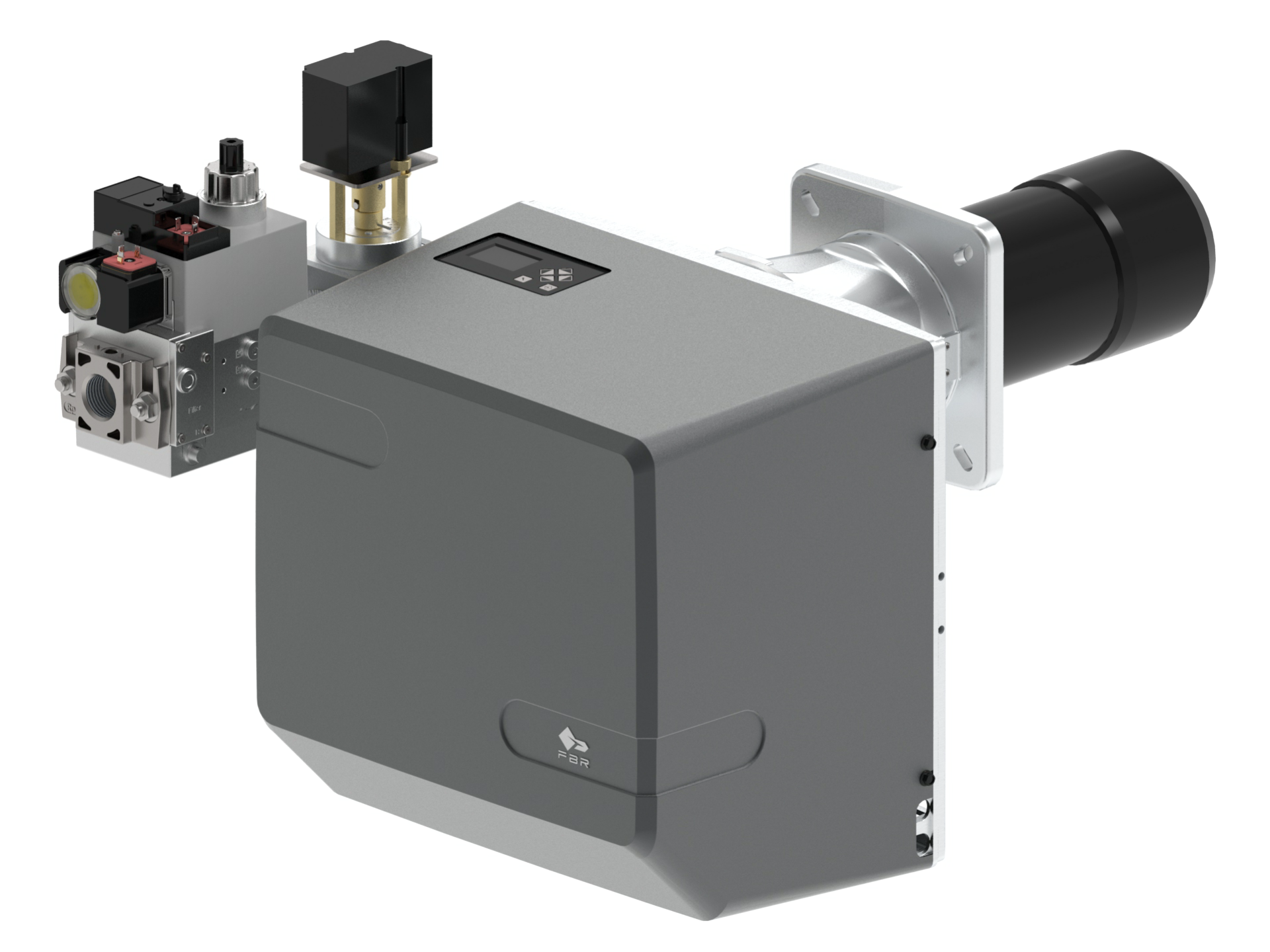
Procurement engineers must recognize that certain component choices directly impact future Maintenance & Service requirements. Burner systems exemplify this principle. A gas burner equipped with modulating capabilities requires different Maintenance & Service protocols than single-stage alternatives. Modulating burners with PID controls demand calibration verification during service intervals, necessitating specialized technicians and diagnostic equipment.
When evaluating burner procurement, document the following Maintenance & Service considerations:
Burner-Specific Service Requirements:
- Fuel quality monitoring and filter replacement intervals (typically 500-1,000 hours)
- Fan motor bearing inspection and lubrication schedules
- Combustion air intake cleaning frequency based on facility dust conditions
- Modulation probe calibration testing (if equipped with optional modulation kits)
- Nozzle inspection and potential replacement (combustion efficiency degrades 2-3% annually)
Nozzle components deserve particular attention in Maintenance & Service planning. Industrial heating systems utilize flat jet nozzles with specific index ratings and spray angles that require replacement as wear patterns develop. Many procurement engineers underestimate nozzle replacement frequency, resulting in degraded combustion efficiency and higher fuel consumption. Establishing standing purchase agreements for consumable nozzle components—including alternative index ratings for different firing capacities—ensures uninterrupted service when replacement becomes necessary.
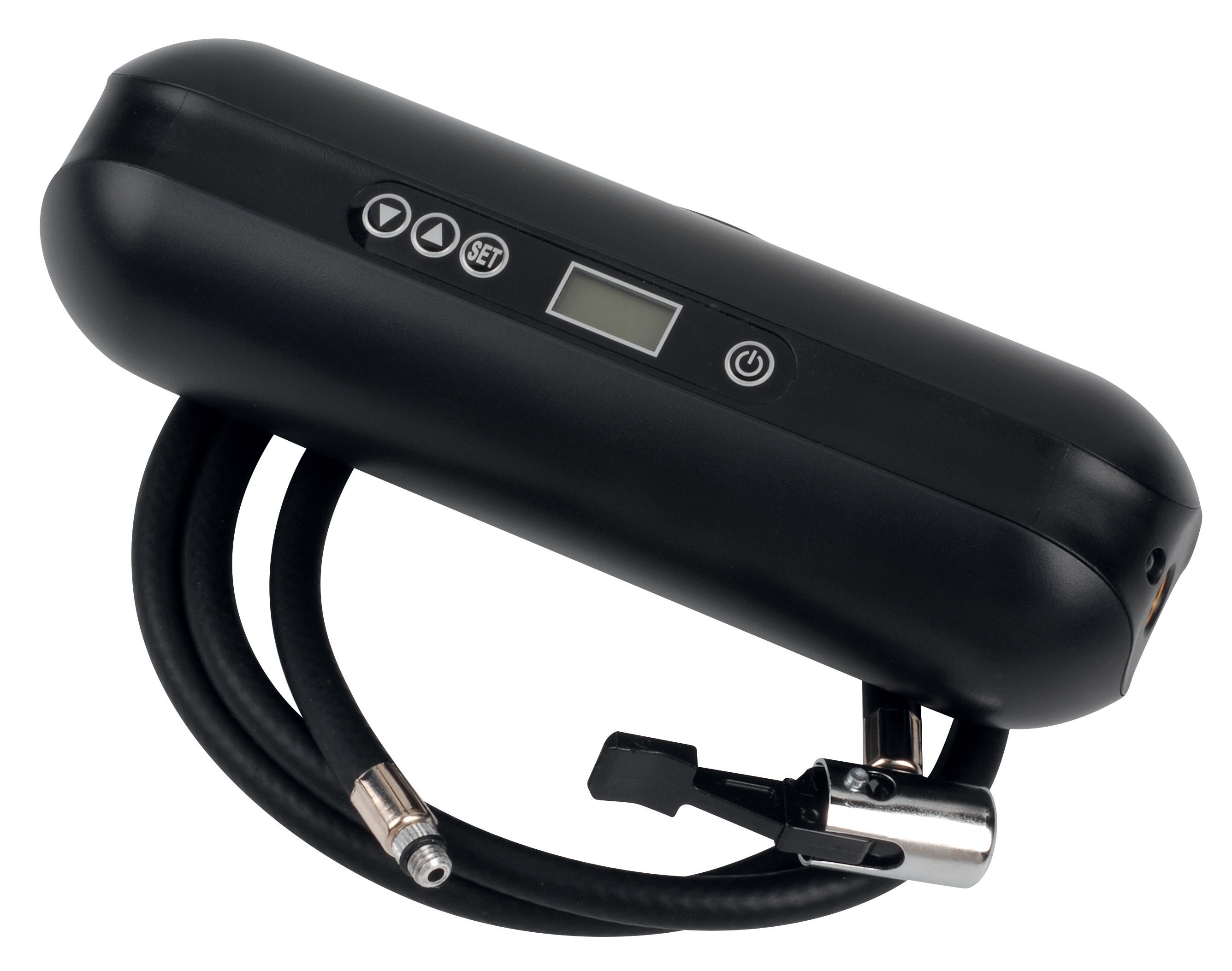
Expansion tank systems introduce additional Maintenance & Service complexities often overlooked during procurement. The expansion tank inflator with battery backup prevents sudden system failures by maintaining proper pre-charge pressure. However, this component itself requires periodic maintenance—battery replacement every 2-3 years and pressure verification during annual service inspections. Procurement engineers must budget for both the initial inflator unit and the consumable battery replacements across the equipment lifecycle.
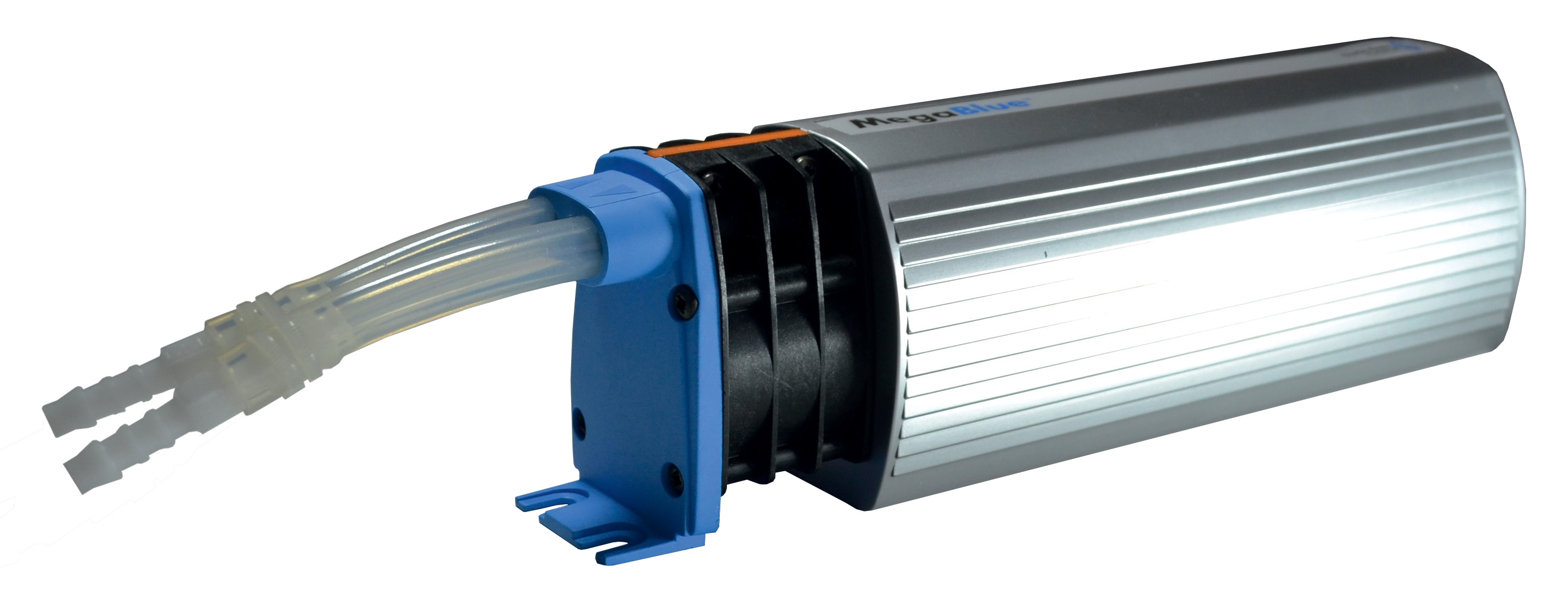
System monitoring components like the Megablue reservoir alarm with automatic shut-off functionality represent strategic Maintenance & Service investments. These devices provide early warning of fuel depletion or system anomalies, enabling planned service calls rather than emergency repairs. From a procurement perspective, specifying alarm systems with integrated shut-off capabilities prevents cascading failures that could necessitate expensive burner repairs or system replacement.
Developing Maintenance & Service Scheduling Frameworks
Effective Maintenance & Service planning requires translating component requirements into actionable scheduling frameworks aligned with operational windows and resource availability. Procurement engineers should develop tiered service schedules reflecting component criticality and failure consequences.
Tier 1 Service Components (Critical - Monthly/Quarterly Verification):
- Fuel quality and contamination monitoring
- System pressure and temperature verification
- Visual inspection of combustion safety devices
- Expansion tank pre-charge pressure confirmation
- Alarm system functionality testing
- Complete burner inspection and cleaning
- Nozzle examination and potential replacement based on spray pattern analysis
- Electrode gap verification and cleaning
- Fan motor bearing lubrication
- Heat exchanger scale and efficiency assessment
- Modulation probe calibration (if applicable)
- Expansion tank inflator and battery replacement
- Complete fuel supply system component renewal
- Burner motor replacement based on bearing wear analysis
- Control system software updates and security patches
Procurement engineers must recognize that Maintenance & Service scheduling interacts with production calendars, seasonal demand variations, and facility maintenance windows. Winter-dependent heating systems demand different strategies than facilities with year-round requirements. A manufacturing plant heating a production facility might schedule major burner service in summer shutdown periods, while district heating networks require accelerated service cycles before winter peak demand.
Documenting Maintenance & Service requirements by system component enables procurement teams to negotiate volume pricing for consumables and establish preferred vendor relationships with qualified service providers. Rather than addressing component replacement reactively, strategic procurement of spare parts inventory aligned with projected service intervals reduces emergency procurement costs and service delays.
Global Procurement Considerations for Maintenance & Service Support
Maintaining consistent Maintenance & Service standards across geographically distributed operations presents unique challenges for global organizations. Procurement engineers must consider regional variations in:
Component Availability and Lead Times:
Major industrial equipment components may face 4-12 week delivery timeframes from primary suppliers. Building strategic inventory of standard nozzle components, expansion tank inflators, and other consumable items prevents service delays in remote locations. Procurement should establish regional distribution points stocking components within 48-72 hours of demand in critical facilities.
Technical Service Provider Qualification:
Maintenance & Service quality directly correlates with technician qualification and access to manufacturer-specific training. Procurement engineers should document service provider certifications, training currency, and technical capability before contracting. 3G Electric's 35+ years of global distribution experience underscores that qualified service providers certified on specific equipment (such as modulating burner systems) command premium pricing but deliver superior results and liability protection.
Regulatory Compliance Variations:
Emissions standards, fuel quality specifications, and safety certification requirements vary significantly by region. Maintenance & Service procedures must reflect these regulatory requirements. For example, expansion tank systems may require different pressure validation approaches based on regional pressure equipment directives. Procurement must ensure service contracts explicitly address compliance with local regulations, reducing exposure to regulatory fines or equipment shutdown orders.
Documentation and Traceability Requirements:
Global operations increasingly require detailed maintenance documentation for equipment validation, insurance purposes, and regulatory audits. Procurement contracts should mandate digitized service records, parts traceability, and technician certification documentation. This supports future procurement decisions by providing objective data on component failure rates, service cost patterns, and technician productivity metrics.
Building Data-Driven Procurement Strategies for Maintenance & Service
Mature procurement organizations leverage historical Maintenance & Service data to inform future equipment selection and supplier negotiations. Documenting the following metrics enables continuous improvement:
Mean Time Between Failures (MTBF) by component enables comparison between suppliers and equipment generations. If nozzle replacement frequency averages every 8,000 operating hours, procurement can budget annual consumable costs accurately.
Service Cost Ratios comparing preventive maintenance investment against emergency repair expenses justify Maintenance & Service budget allocation. When preventive service costs represent 15-20% of equipment acquisition cost annually, but emergency repairs exceed acquisition cost, the case for robust Maintenance & Service budgets becomes financially compelling.
Component Lifecycle Costs across complete system lifespan—including the expansion tank inflator battery replacements, nozzle consumption, and burner overhauls—inform supplier selection when comparing seemingly similar equipment at different initial price points.
Procurement engineers should establish supplier performance metrics specifically addressing Maintenance & Service support: response time for emergency calls, spare parts availability, technician qualification rates, and customer satisfaction with service outcomes. These metrics guide contract renewal decisions and inform market analysis when evaluating alternative suppliers.
Conclusion: Strategic Maintenance & Service as Competitive Advantage
Maintenance & Service planning transcends operational necessity—it represents a strategic procurement function differentiating high-performing organizations from competitors. Procurement engineers who integrate Maintenance & Service considerations into equipment selection, develop comprehensive service scheduling frameworks, and build data-driven supplier relationships create competitive advantages through superior equipment reliability and reduced total cost of ownership.
As industrial operations become increasingly complex and globally distributed, the sophistication of Maintenance & Service planning directly correlates with operational success. By applying the frameworks outlined in this guide—strategic component selection reflecting future service requirements, tiered scheduling reflecting component criticality, and global considerations addressing regional variations—procurement engineers position their organizations for sustained competitive advantage.