Understanding Maintenance & Service Strategy in Procurement
Maintenance & Service planning directly impacts your total cost of ownership (TCO) and operational reliability. As a procurement engineer, you face critical decisions: which components warrant premium specifications, where cost-effective alternatives suffice, and how maintenance requirements influence initial purchasing decisions. With 3G Electric's 35+ years of experience distributing industrial equipment globally, we've observed that procurement decisions made without considering maintenance requirements often result in hidden costs that exceed initial savings.
The fundamental difference between reactive and strategic Maintenance & Service approaches lies in component selection. When you specify equipment upfront with serviceability in mind—considering access, replacement frequency, and diagnostic capabilities—you establish a foundation for predictable maintenance costs. This becomes especially important in high-pressure hydraulic and combustion systems where component failure cascades through dependent equipment.
Comparing Quick Coupling Solutions for Service Accessibility
Quick couplings represent a critical procurement decision that directly influences your maintenance workflow. The choice between standard couplings and pressure-reducing variants affects both safety and service technician efficiency.
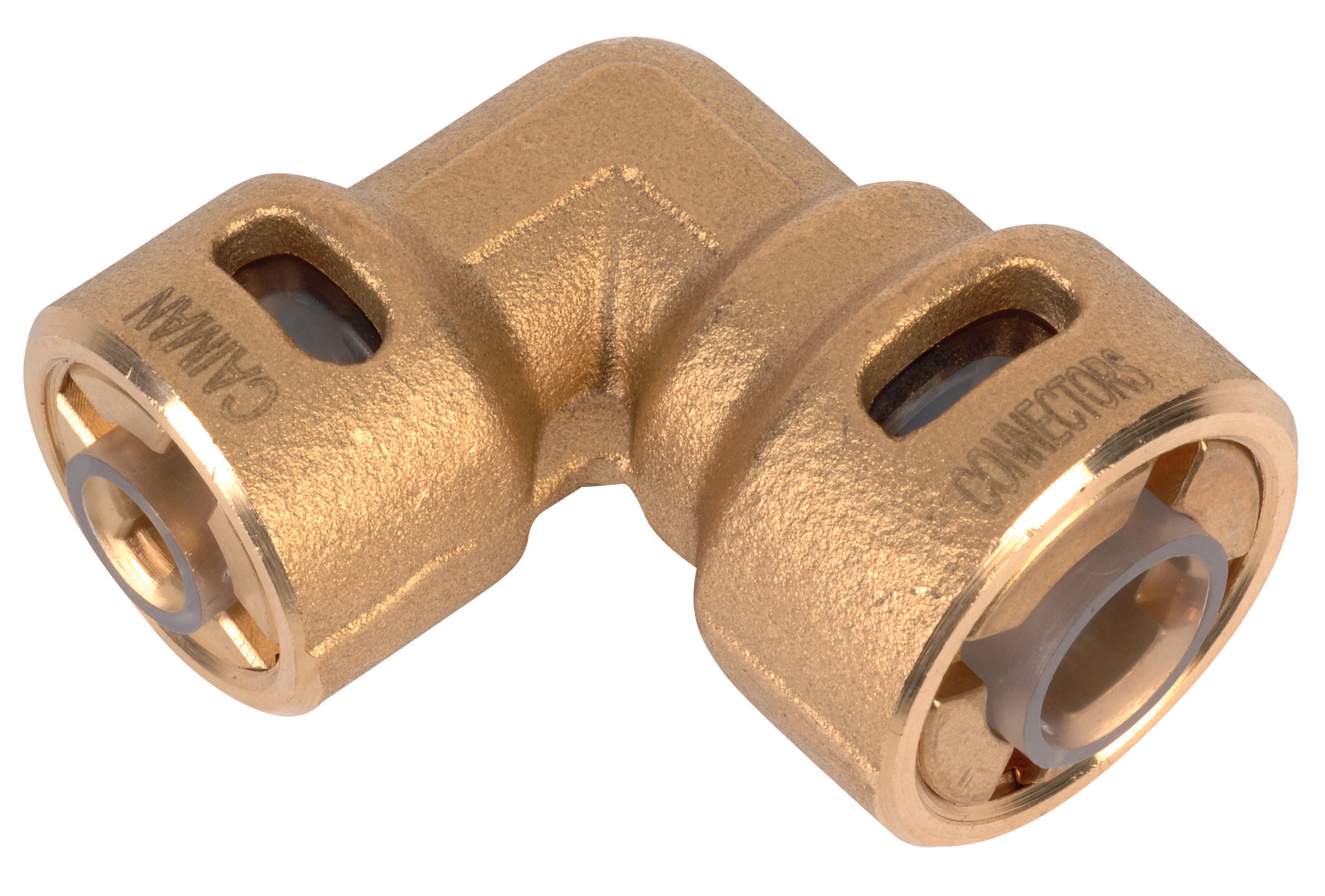
The CBM Quick coupling 90° pressure reduction 1/4*3/8 offers pressure management during disconnection, a feature that distinguishes it from basic couplings. When comparing coupling options, procurement engineers must evaluate:
Service Impact Comparison:
- Standard couplings: Lower initial cost, requires system depressurization before service work, increases service time and technician risk exposure
- Pressure-reducing couplings: Higher initial cost, allows safe disconnection under load, reduces service downtime and improves technician safety
For global operations, the pressure-reducing variant becomes economically justified when you calculate labor costs across multiple service interventions. A technician spending 30 additional minutes per service call depressurizing systems across 50 annual maintenance events represents significant hidden cost. The initial premium for pressure-reducing couplings typically recovers within 12-18 months in active industrial facilities.
Consider your facility's geographic distribution when making this decision. Remote locations with contracted service providers incur higher hourly rates, making efficiency improvements more valuable. Centralized facilities with in-house technicians may find different ROI calculations apply.
Nozzle Specifications and Maintenance Frequency Trade-offs
Flat jet nozzles present a procurement complexity that directly affects Maintenance & Service intervals and costs. The specification decision—particularly regarding pressure index and spray angle—determines cleaning frequency, replacement cycles, and system performance consistency.
When comparing nozzle options, three primary specifications demand attention:
Pressure Index Comparison:
The CBM Flat jet nozzle HP 1/4"M BSPT index 055 angle 15° operates at lower pressure indices, producing finer spray patterns suitable for precision applications but requiring more frequent cleaning to maintain performance. This nozzle demands Maintenance & Service attention every 2-3 weeks in dust-prone environments.
The CBM Flat jet nozzle HP 1/4"M BSPT index 25 angle 15° represents a mid-range specification, offering balanced performance with moderate maintenance requirements—typically 4-6 week intervals.
The CBM Flat jet nozzle HP 1/4"M BSPT index 50 angle 40° operates at higher pressure indices with wider spray angles, tolerating longer intervals between cleaning—often 6-8 weeks even in demanding conditions. The wider angle suits larger coverage areas but may sacrifice precision in fine-application scenarios.
Maintenance Cost Analysis:
Lower-index nozzles cost 15-20% less initially but incur higher maintenance labor. Higher-index nozzles cost 20-30% more upfront but reduce service interventions by 40%. Over a 3-year procurement cycle, the higher-specification nozzle typically achieves 25-35% lower total cost of ownership when factoring maintenance labor.
Your decision should reflect your facility's contamination environment. Food processing and pharmaceutical applications benefit from lower-index nozzles for precision despite higher maintenance. Industrial cooling and dust suppression applications achieve better economics with higher-index specifications.
Infrastructure Considerations: Mounting Solutions and Service Access
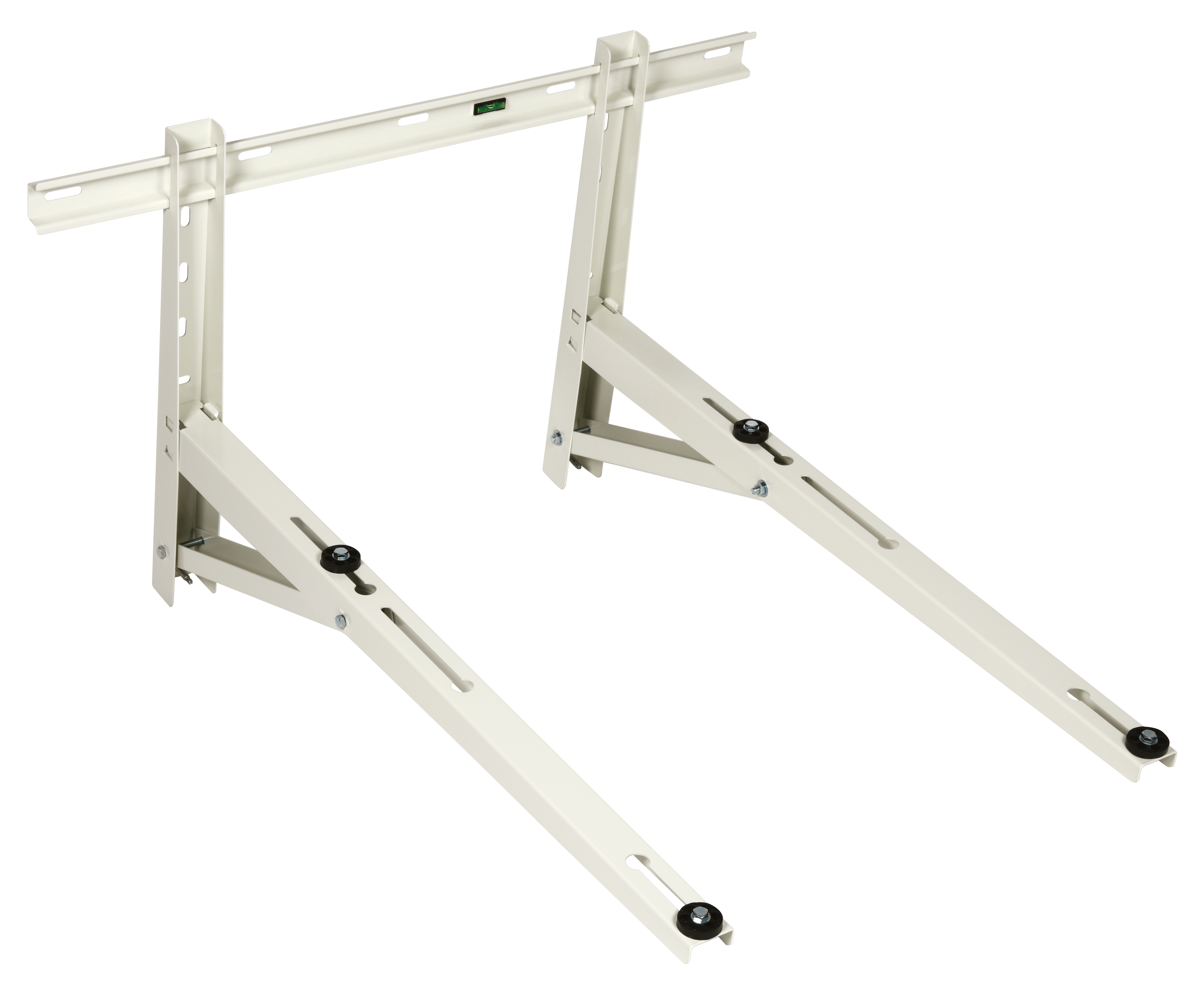
Infrastructure components like wall-mounted brackets directly influence Maintenance & Service efficiency, yet procurement engineers often underweight this consideration. The CBM Wall bracket 1000 demonstrates how mounting specification affects accessibility and downtime.
Compare two approaches to equipment mounting:
Fixed Installation Approach:
- Permanent wall mounting at optimal operating height
- Lower initial cost, no relocation flexibility
- Service requires working at height or moving equipment to service areas
- Extended service time due to positioning challenges
- Safety considerations for technician fall protection
- Mount equipment using quality brackets in locations enabling ground-level service access
- Higher initial cost for bracket system and possibly relocated installation
- Maintenance performed efficiently without height complications
- Reduced technician safety risks
- Faster diagnostic capability and component replacement
In global operations, this consideration becomes particularly important when service is contracted to local providers unfamiliar with your equipment. Accessible mounting reduces training requirements and service call duration, directly lowering costs in regions with higher labor rates.
A facilities evaluation across 15 locations revealed that improved mounting accessibility reduced average service time by 2.3 hours per intervention—translating to annual savings exceeding equipment relocation costs by 65% once contracted labor rates were applied.
Integrated System Approach to Maintenance & Service Procurement
Strategic procurement engineers view Maintenance & Service as a system characteristic, not an afterthought. Component selections should support your chosen maintenance philosophy.
Predictive Maintenance Enablement:
If your facility practices predictive maintenance, you require components that provide diagnostic capability. Pressure-reducing couplings like the CBM 90° unit enable technicians to monitor system pressure without full disconnection, supporting continuous monitoring strategies. Standard couplings force reactive approaches where problems manifest before diagnosis occurs.
Preventive Maintenance Optimization:
Facilities following preventive maintenance schedules benefit from durable components with extended service intervals. Higher-specification nozzles reduce planned downtime frequency. Strategic mounting ensures maintenance windows remain brief, minimizing production impact.
Spare Parts and Inventory Strategy:
Your Maintenance & Service approach should influence spare parts procurement. If you specify components with extended replacement intervals, you can reduce inventory investment. If you choose components requiring frequent replacement, volume purchasing agreements become more valuable—a consideration that should influence initial selection criteria.
Global Considerations in Maintenance & Service Planning
With 3G Electric's extensive experience supporting industrial operations across diverse global markets, we've identified regional factors affecting Maintenance & Service economics:
Labor Cost Variation:
Regions with high labor costs justify premium specifications that reduce intervention frequency. Southeast Asian facilities often find that European or North American-standard equipment requires extensive modifications for local service providers, making accessible design and self-diagnosing components particularly valuable.
Spare Parts Availability:
Remote locations benefit from specifications using globally available standard components. Quick couplings with pressure reduction, for example, are manufactured and stocked by major suppliers worldwide, ensuring parts availability. Specialized low-index nozzles may require 6-8 week lead times from specific suppliers.
Environmental Factors:
Costal industrial zones require corrosion-resistant specifications affecting both equipment selection and maintenance frequency. High-altitude or extreme-temperature facilities need components designed for environmental resilience, reducing maintenance demands.
Regulatory Compliance:
Some regions mandate documented preventive maintenance for equipment, influencing optimal component selection toward designs supporting scheduled service rather than reactive repair.
Implementation Framework for Procurement Engineers
Develop your component specifications using this comparative analysis framework:
1. Calculate true cost of ownership including maintenance labor across your facility's geographic footprint
2. Define your maintenance philosophy—preventive, predictive, or reactive—and select components supporting that approach
3. Assess environmental factors affecting component lifespan and failure modes
4. Evaluate service accessibility through infrastructure decisions alongside equipment choices
5. Benchmark specifications against industry standards for your application category
6. Establish supplier relationships ensuring spare parts availability across all operating regions
7. Document performance metrics enabling continuous optimization of future procurement decisions
Maintenance & Service excellence emerges from deliberate procurement strategy, not from selecting lowest-cost components. By viewing equipment specification as integral to your facility's maintenance system, you optimize operational reliability while controlling long-term costs.