Introduction: Component-Level Maintenance & Service Strategy
Effective Maintenance & Service in industrial operations depends on mastering three critical component categories: fluid transfer connectors, precision spray nozzles, and structural mounting systems. While many maintenance teams focus on large system diagnostics, the real reliability gains emerge from disciplined component care. Drawing on 3G Electric's 35+ years of experience as a global industrial equipment distributor, this guide compares maintenance methodologies and provides practical protocols for keeping quick couplings, flat jet nozzles, and wall brackets operating at peak performance.
The difference between reactive and proactive maintenance often comes down to understanding how individual components degrade and when replacement becomes more cost-effective than repair. This article equips maintenance teams with the knowledge to make those decisions confidently across multiple equipment types and global operating environments.
Quick Coupling Maintenance & Service: Pressure Reduction and Connection Integrity
Understanding Quick Coupling Degradation Patterns
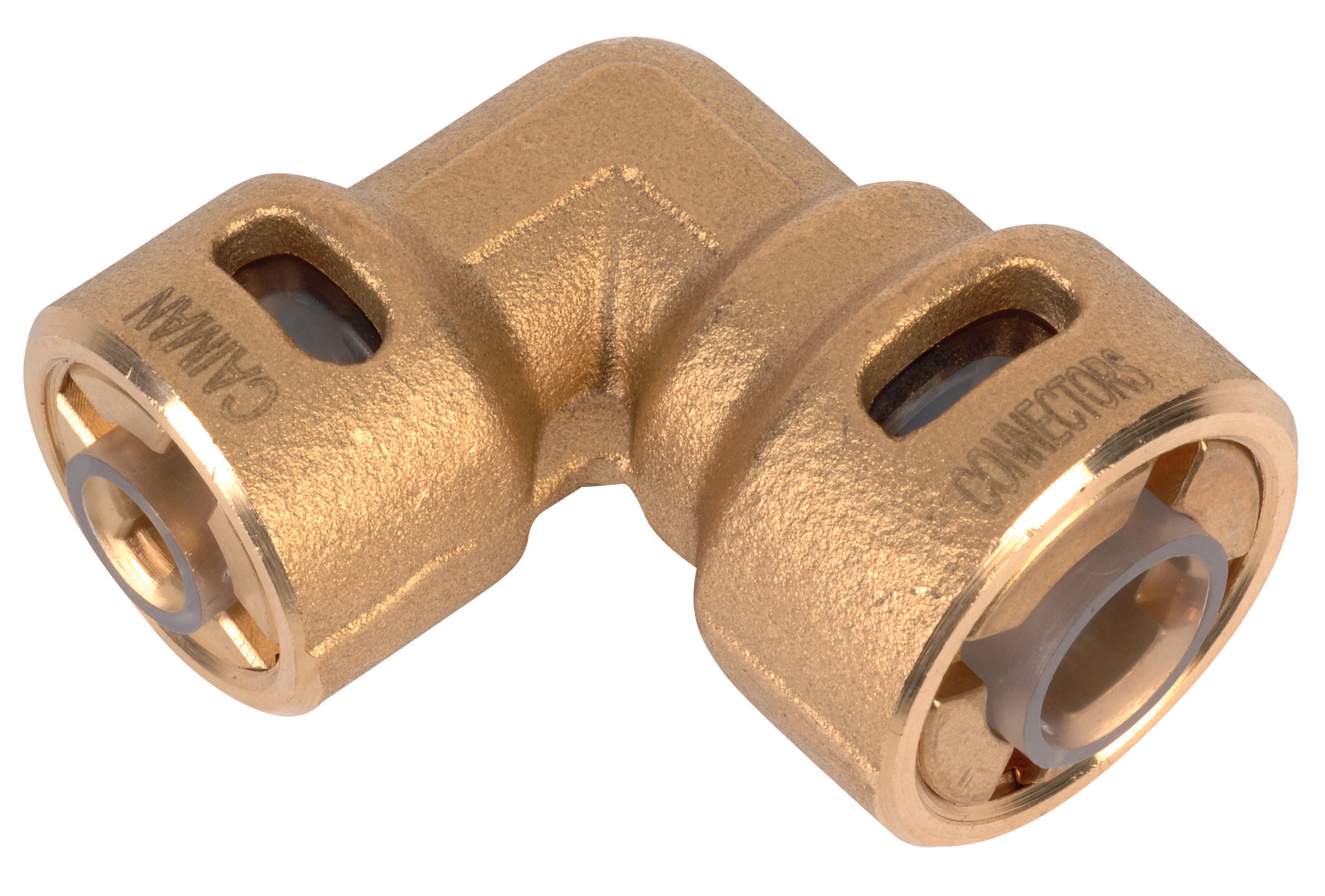
Quick couplings like the CBM Quick coupling 90° pressure reduction 1/4*3/8 represent critical connection points where system integrity is tested daily. Unlike static components, couplings experience repetitive mechanical stress—each connection and disconnection cycles wear internal seals and valve mechanisms.
Comparison: Prevention vs. Replacement Approach
Traditional maintenance teams often wait for visible leakage before addressing quick couplings. Modern maintenance & service protocols recognize that:
- Preventive approach: Regular inspection every 500 operating hours, seal replacement on schedule, pressure testing before seasonal shutdowns
- Reactive approach: Waiting for performance degradation (5-10% pressure loss), then replacing couplings mid-season
The preventive methodology costs 30-40% less annually when accounting for unplanned downtime, product waste, and emergency contractor calls.
Practical Maintenance Protocols for Quick Couplings
Visual Inspection Checklist:
- Examine coupling bodies for micro-cracks or stress marks around the 90° bend (pressure reduction designs are vulnerable here)
- Check for moisture or discoloration around connection points—indicates seal degradation
- Verify quick-disconnect valves close cleanly; residual drips suggest internal wear
- Confirm pressure gauge readings remain stable over 30-second intervals
- Lubricate coupling threads and mating surfaces quarterly using manufacturer-approved oils
- Replace seals annually in high-cycle operations (>2000 connect/disconnect cycles yearly)
- Pressure test couplings at 1.5x operating pressure annually; retire units that drop below 95% baseline
- Store disconnected couplings with protective caps to prevent contamination
Small operations can manage coupling maintenance through scheduled inspections and a replacement log. Larger global operations benefit from pressure sensors integrated with coupling systems, alerting teams when performance drops below 92% baseline—allowing planned replacement rather than emergency repairs.
3G Electric's 35+ years supporting maintenance teams across 40+ countries reveals that the best performers implement coupling maintenance on a 12-18 month cycle, not waiting for failure signals.
Flat Jet Nozzle Maintenance & Service: Spray Pattern Consistency and Index Selection
Nozzle Performance Degradation: Angle and Index Considerations
Flat jet nozzles like the CBM Flat jet nozzle HP 1/4"M BSPT index 25 angle 15°, CBM Flat jet nozzle HP 1/4"M BSPT index 055 angle 15°, and CBM Flat jet nozzle HP 1/4"M BSPT index 50 angle 40° operate under extreme conditions—high-pressure fluid forced through precisely engineered orifices at specific angles. Over time, internal erosion alters spray patterns, reducing coverage uniformity and system efficiency.
Index Comparison Table:
- Index 055 (finest): Smallest orifice, lowest flow rate, highest pressure drop; used for precision cleaning and light-duty applications; lifespan 1200-1800 hours
- Index 25 (medium): Balanced performance across pressure ranges; most versatile; lifespan 1800-2400 hours
- Index 50 (largest): Maximum flow for heavy-duty applications; shortest lifespan in high-sediment fluids; 900-1400 hours
This comparison demonstrates why maintenance teams must select index size based on application, not just compatibility—higher indices degrade faster in contaminated fluid systems.
Maintenance & Service Protocols for Flat Jet Nozzles
Spray Pattern Monitoring:
- Photograph spray patterns monthly using consistent lighting and distance (document baseline)
- Compare current pattern to baseline; asymmetry or waviness indicates internal erosion
- Measure flow rate quarterly; 5% reduction from baseline signals replacement planning
- Test at multiple pressure points (50%, 75%, 100% rated); degradation shows inconsistency across range
Unlike quick couplings, nozzle lifespan depends almost entirely on fluid cleanliness. Maintenance teams should:
- Change fluid filters every 200-300 operating hours (vs. manufacturer's 500-hour recommendation) in dusty environments
- Install pre-nozzle micro-filters (10-micron or finer) if operating in high-particulate conditions
- Flush nozzle lines weekly in coastal or humid climates (prevents mineral accumulation)
When spray patterns degrade, maintenance has two options:
1. Cleaning approach: Soak nozzles in solvent for 2-4 hours, use soft brass picks to clear orifices, pressure-test, reinstall. Cost: $15-30 per nozzle, 30-minute downtime, 60% success rate
2. Replacement approach: Install new nozzle of same index, label removed unit for inventory. Cost: $45-90 per nozzle, 15-minute downtime, 100% guaranteed performance
For high-pressure industrial applications (>200 bar), replacement typically proves more reliable. For lower-pressure systems (<100 bar), cleaning can extend nozzle life 4-6 months when performed properly.
3G Electric's global maintenance partners report that having backup nozzles in three index sizes (055, 25, 50) eliminates unexpected downtime while cleaning strategies are evaluated.
Wall Bracket Maintenance & Service: Structural Integrity and Vibration Management
Why Mounting Systems Matter to Maintenance & Service
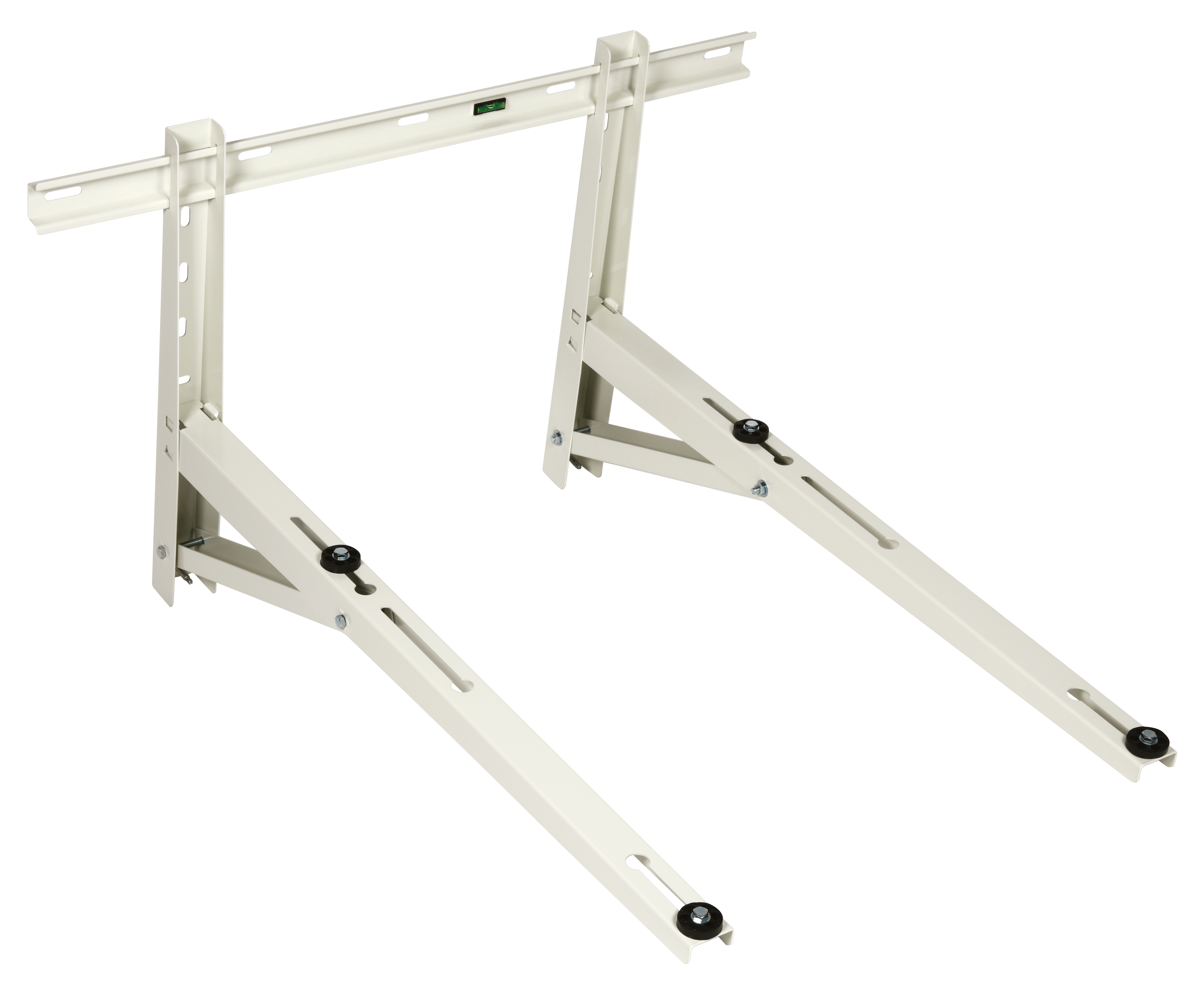
The CBM Wall bracket 1000 and similar mounting solutions receive minimal attention in maintenance plans—yet they carry significant responsibility. Vibration from high-pressure pumps and nozzle operation creates continuous stress on mounting hardware, and bracket degradation leads to:
- Component misalignment (affecting nozzle spray patterns)
- Accelerated seal wear in quick couplings (from micro-movement)
- Safety risks if heavy equipment shifts during operation
- Cascading failures in integrated systems
Inspection and Maintenance Protocols
Quarterly Visual Assessment:
- Check bolt torque at all connection points; use calibrated wrench to verify tightness
- Inspect welds for cracks or stress discoloration (particularly where brackets meet walls)
- Test for lateral movement by applying hand pressure perpendicular to mounted equipment
- Look for fatigue cracks spreading from bolt holes
Maintenance teams can classify bracket condition using simple vibration testing:
- Healthy: <2mm displacement when lateral force applied
- Monitoring: 2-4mm displacement; increase inspection frequency to bi-weekly
- Action required: >4mm displacement; schedule bracket replacement within 2 weeks
Preventive replacement (every 3-4 years regardless of condition):
- Cost: $120-200 per bracket + 1 hour labor
- Downtime: 2-3 hours
- Risk: Virtually eliminated
- Best for: Continuous-operation equipment, safety-critical systems
- Cost: Same hardware and labor
- Downtime: Unpredictable; often occurs during peak production
- Risk: 15-20% chance of failure between inspections
- Best for: Seasonal or variable-duty equipment, cost-constrained operations
Global best practice (verified across 3G Electric's client base) favors preventive bracket replacement for systems using expensive quick couplings or precision nozzles—the risk of collateral damage outweighs bracket cost savings.
Wall-Specific Considerations
Different wall types require different bracket strategies:
- Concrete walls: Standard anchors sufficient; verify anchor type rated for 2x equipment weight
- Steel frame buildings: Use through-bolts where possible; riveted brackets must be replaced rather than reused
- Vibration-prone facilities: Add isolation pads between bracket and wall; reduces transmitted vibration by 40-60%
Integrated Maintenance & Service Planning: System-Level Component Care
Creating Maintenance & Service Schedules Around Component Lifecycles
Effective global maintenance operations recognize that quick couplings, nozzles, and mounting systems degrade on different timescales. Rather than maintaining each component independently, high-performing teams align replacement schedules:
12-Month Cycle Example:
- Months 1-3: Quick coupling pressure testing and seal inspection; replace couplings scoring <95% baseline
- Months 4-6: Fluid system flush and filter replacement; test nozzle spray patterns across all indices
- Months 7-9: Bracket vibration assessment and bolt torque verification; schedule bracket replacement if >3mm displacement
- Months 10-12: Document all replacements, photograph current component status, establish baseline metrics for next cycle
This staggered approach prevents simultaneous replacement emergencies and spreads maintenance costs evenly.
Documentation and Inventory Strategy
Maintenance & Service excellence requires tracking:
- Installation dates for all quick couplings, nozzles, and brackets
- Operating hours recorded at each inspection
- Pressure baseline (initial performance readings)
- Replacement history (what was replaced, when, performance improvement observed)
- Fluid quality logs (especially critical for nozzle longevity)
Global operations should maintain spare inventory:
- Quick couplings: 2-3 units (covers unexpected failures while repairs evaluated)
- Nozzles: Full set in each index (055, 25, 50) plus 2 additional in most-used index
- Brackets: 1 spare unit per equipment location
This inventory costs $400-600 but eliminates emergency contractor premiums (often 50-100% above standard rates) and prevents production delays.
Conclusion: Building Sustainable Component Maintenance & Service Culture
Maintenance & Service excellence emerges from consistent attention to component-level details. By implementing structured inspection protocols for quick couplings, flat jet nozzles, and wall brackets, maintenance teams prevent cascading failures and optimize total cost of ownership.
3G Electric's 35+ years as a global industrial equipment distributor demonstrates that the most reliable operations treat Maintenance & Service as a strategic function—not a cost center to minimize. Teams that invest in preventive component care, maintain proper spare inventory, and document performance systematically achieve 30-40% reductions in unplanned downtime.
Start by auditing your current replacement frequency for quick couplings, nozzles, and brackets. Compare your timeline to the protocols outlined here. Most global operations discover opportunities to shift 20-30% of their maintenance from reactive to preventive—the payoff compounds annually.