Understanding Spray System Maintenance & Service Requirements
Industrial spray systems demand rigorous Maintenance & Service protocols that extend far beyond reactive repairs. For procurement engineers managing equipment across multiple facilities, understanding the interconnection between nozzles, couplings, brackets, and pressure components is essential to maintaining operational efficiency and budget control.
Spray systems operate under demanding conditions—high-pressure fluid delivery, thermal cycling, contamination exposure, and repetitive mechanical stress. These factors compound over time, degrading performance if systematic maintenance isn't implemented. 3G Electric's 35+ years of experience distributing industrial equipment globally has revealed that planned component replacement dramatically reduces catastrophic failures and unplanned downtime.
The cost differential between preventive maintenance and emergency repairs typically ranges from 3:1 to 8:1. A single unplanned shutdown in manufacturing, food processing, or coating operations can cost thousands in lost production. Strategic maintenance planning transforms this equation entirely.
Nozzle Inspection and Lifecycle Management Protocols
Recognition of Nozzle Degradation
Spray nozzles are wear items with measurable degradation patterns. High-pressure flat jet nozzles like the CBM TEC Flat Jet Nozzle HP 1/4" BSPT Index 25 at 15° angle and CBM TEC Flat Jet Nozzle HP 1/4" BSPT Index 055 at 15° angle maintain precise spray characteristics within specified operational windows. When these specifications drift, system performance suffers immediately.
Key indicators of nozzle wear include:
- Spray pattern distortion: Asymmetrical or irregular spray formation indicates internal erosion or external damage
- Reduced flow consistency: Flow rate changes beyond ±5% signal internal restriction or orifice enlargement
- Pressure creep: Achieving target spray coverage requires progressively higher pump pressures
- Spray angle deviation: Angle specifications shift typically by 2-5° before replacement becomes necessary
- Fluid leakage at nozzle seat: Indicates valve seat degradation or contamination embedding
Procurement engineers should establish baseline spray characteristics during system commissioning, documenting spray pattern images, flow rates at specified pressures, and spray angle measurements. Quarterly inspections comparing current performance to baseline data provide objective replacement triggers.
Nozzle Selection for Extended Service Life
The choice between standard and specialized nozzle designs significantly impacts maintenance frequency. The CBM TEC Flat Jet Nozzle HP 1/4" BSPT Index 50 at 40° angle represents a higher-impact design suitable for applications requiring aggressive spray coverage or material removal.
Nozzle specification decisions should account for:
- Operating pressure range: Higher pressures accelerate erosion rates proportionally
- Fluid type: Corrosive or abrasive carriers increase wear velocity
- Spray duration: Continuous operation versus intermittent use affects component lifespan
- Environmental exposure: Temperature extremes and contamination alter degradation patterns
Procurement engineers managing multi-facility operations should standardize nozzle selections where operationally feasible. This consolidates inventory, reduces spare parts complexity, and enables volume purchasing efficiencies. However, application-specific performance requirements must always override standardization pressures.
Establish replacement schedules based on operating hours rather than calendar intervals. A nozzle operating 2,000 hours annually should be evaluated differently than one operating 8,000 hours. Document actual operating hours through equipment management systems to trigger maintenance precisely when needed.
Pressure Coupling Inspection and Maintenance Strategy
Quick Coupling Performance Monitoring
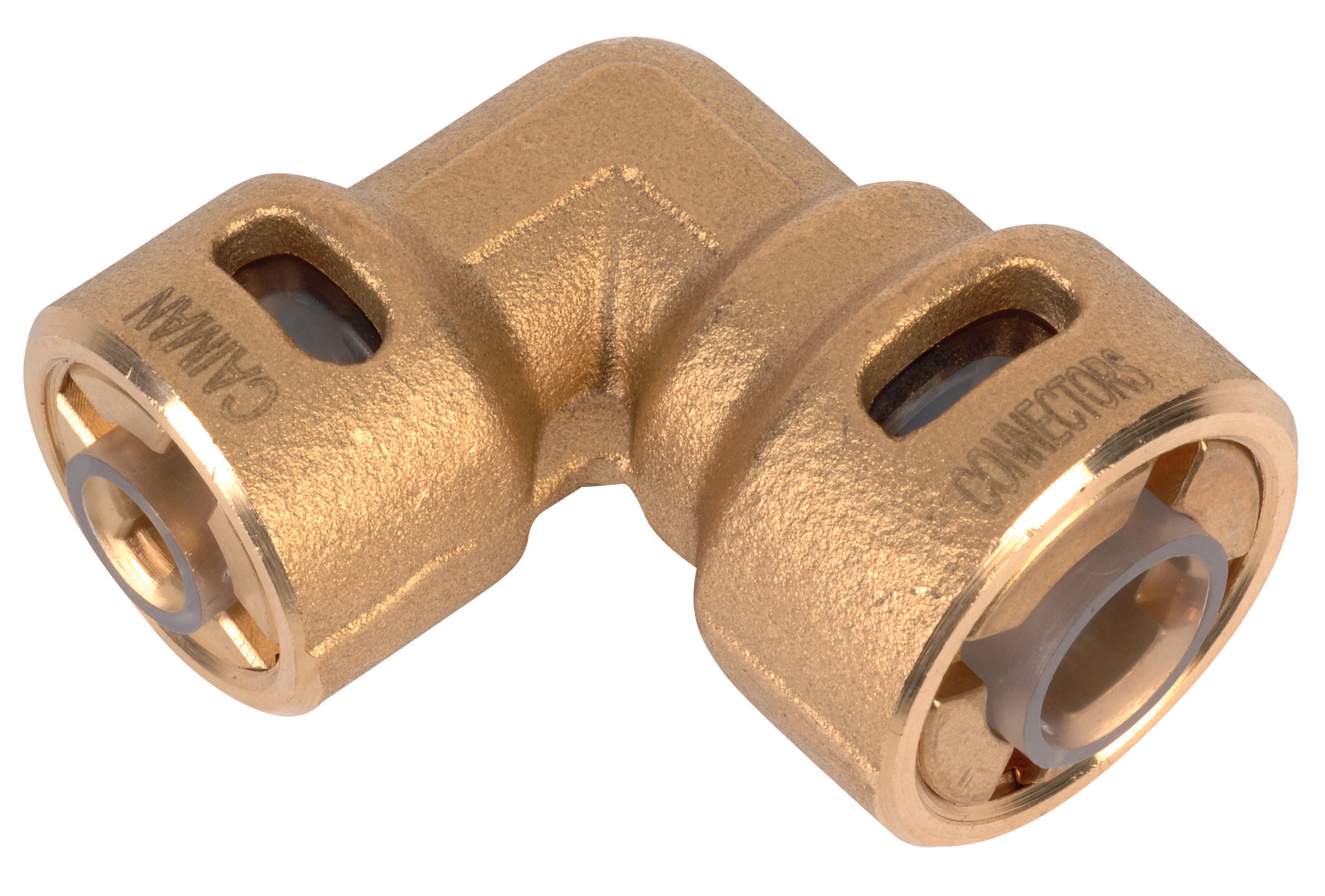
Pressure couplings serve as critical connection points where performance degradation directly impacts system pressure stability. The CBM RAC Quick Coupling 90° Pressure Reduction 1/4"×3/8" manages pressure reduction transitions in multi-stage spray systems, making its condition directly observable through pressure gauge readings.
Coupling wear manifests through:
- Internal leakage: Detected as pressure drop under static load over 24 hours
- External weeping: Visible fluid seepage at coupling seat interfaces
- Connection resistance: Increased force required for engagement or disconnection
- Pressure spikes: Rapid pressure fluctuations during operation indicate valve instability
- Noise generation: Hissing or chattering sounds signal internal turbulence from seal degradation
Monthly pressure coupling inspections should follow standardized procedures:
1. Isolate the coupling from system pressure using upstream isolation valves
2. Measure static pressure loss over 30 minutes—acceptable loss is less than 0.5 bar
3. Inspect visual coupling surfaces for cracks, corrosion, or mechanical deformation
4. Check engagement/disconnection torque requirements—excessive force indicates internal friction
5. Observe fluid conditions at connection points—discolored or particulate-contaminated fluid suggests internal contamination
Coupling Replacement Timing
Pressure couplings in well-maintained systems typically deliver 3-5 years of service life. However, this varies dramatically based on:
- Pressure cycling frequency: Daily connect/disconnect cycles accelerate seal wear
- Operating pressure magnitudes: 100+ bar continuous operation reduces coupling life versus 30-50 bar intermittent use
- Contamination exposure: Unfiltered hydraulic systems degrade couplings at 3-4x the rate of properly filtered systems
- Storage conditions: UV exposure and temperature extremes compromise seal materials during storage
Procurement engineers should negotiate supplier agreements that include coupling inspection services. Many quality distributors, including 3G Electric with decades of field expertise, can assess coupling condition and provide replacement recommendations without requiring full system shutdown.
Installation and Mounting Infrastructure Maintenance
Wall Bracket Integrity and Load Verification
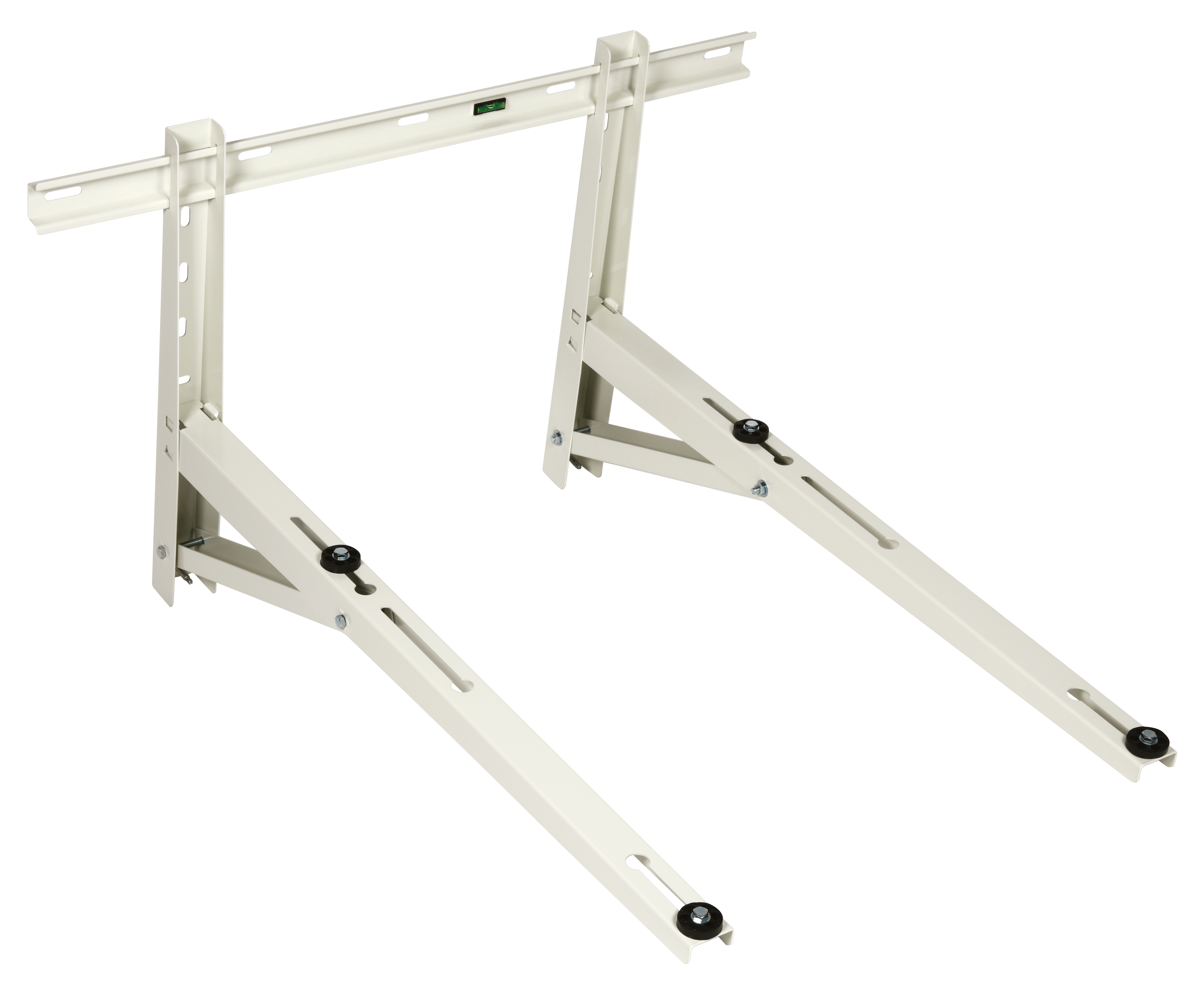
The CBM CLI Wall Bracket 1000 and similar mounting infrastructure require systematic inspection because component failures often cascade from mounting degradation. A bracket failing under load creates unplanned downtime cascading through dependent systems.
Monthly mounting infrastructure inspections should include:
- Fastener verification: Check bolt tightness using calibrated torque tools—vibration gradually loosens fasteners
- Corrosion assessment: Surface rust progression indicates environmental exposure requiring protective coating renewal
- Load calculation review: Verify that system modifications haven't altered designed load parameters
- Anchor point integrity: Inspect wall or structural attachment points for concrete spalling or steel deformation
- Vibration analysis: Unusual vibration patterns indicate mounting degradation before visible failures develop
Documentation and Replacement Protocols
Establish standardized mounting infrastructure maintenance records documenting:
- Installation dates and original load specifications
- Quarterly inspection results with photographs
- Any fastener tightening or cleaning performed
- Environmental exposure changes (humidity, temperature extremes, chemical exposure)
- Planned replacement dates based on design life calculations
For facilities operating in corrosive environments (marine, chemical processing, food production), reduce inspection intervals to monthly and plan bracket replacement on 2-3 year cycles regardless of visible degradation.
Integrated Maintenance Planning for Procurement Teams
Spare Parts Inventory Strategy
Effective Maintenance & Service programs require strategic spare parts inventory balancing availability against carrying costs. Procurement engineers should categorize spare components into three tiers:
Tier 1 (Critical, High-Failure-Rate Components): Maintain 30-day supply. Nozzles and coupling seals fall into this category. The cost of maintaining adequate stock dramatically undercuts the expense of emergency procurement and expedited shipping during failures.
Tier 2 (Standard Wear Items): Maintain 60-90 day supply. Brackets and standard couplings fit this category, representing items with predictable replacement cycles.
Tier 3 (Specialty Components): Maintain 180-day supply or use just-in-time ordering with established expedited shipping agreements. These items have longer service lives or lower failure rates.
Vendor Selection for Long-Term Support
Distributor selection significantly impacts maintenance program success. 3G Electric's 35+ years as an authorized global industrial equipment distributor ensures access to genuine components with documented performance specifications. This contrasts sharply with sourcing from spot-market suppliers where component origin and compatibility remain uncertain.
Evaluate potential distributors against these criteria:
- Documented equipment compatibility across product lines
- Technical support capacity for maintenance troubleshooting
- Inventory availability for rapid spare parts delivery
- Global logistics capabilities if operating multiple facilities
- Warranty coverage and return policies
- Historical performance data on specific components
Condition Monitoring and Predictive Indicators
Implement systematic condition monitoring using objective measurements rather than subjective observations. Digital pressure gauges, flow meters, and thermographic imaging provide quantifiable data enabling predictive maintenance decisions.
Establish baseline measurements during normal operation:
- System pressure at specified load conditions
- Flow rates through critical nozzles
- Temperature signatures at coupling interfaces
- Vibration signatures at mounting points
Monitor trends in these measurements monthly. When measurements drift beyond established tolerances, initiate component inspection or replacement before failures occur.
Building Maintenance Plans Into Capital Equipment Specifications
Procurement engineers should incorporate maintenance requirements into equipment selection criteria from initial specification phases. Specify components using standardized interfaces where possible—the ability to use interchangeable nozzles and couplings across multiple systems dramatically reduces spare parts complexity.
Require manufacturers to provide detailed maintenance procedures, replacement part lists with SKU numbers, and supplier contact information as part of equipment documentation.
When evaluating competitive equipment proposals, request maintenance cost estimates over 5-year periods. The lowest capital cost frequently yields the highest total cost of ownership when maintenance expenses accumulate.