Understanding Maintenance & Service System Integration
Maintenance & Service system design requires careful consideration of interconnected components that work synergistically to reduce unplanned downtime and extend equipment lifespan. For procurement engineers managing global operations, the challenge extends beyond selecting individual components—it demands understanding how pressure couplings, jet nozzles, and mounting infrastructure integrate into cohesive maintenance workflows.
3G Electric's 35+ years of experience distributing industrial equipment has demonstrated that integrated system design—rather than component-by-component procurement—consistently delivers superior total cost of ownership. Organizations that fail to consider compatibility, mounting requirements, and operational pressure specifications often experience premature component failure, inefficient maintenance cycles, and safety risks.
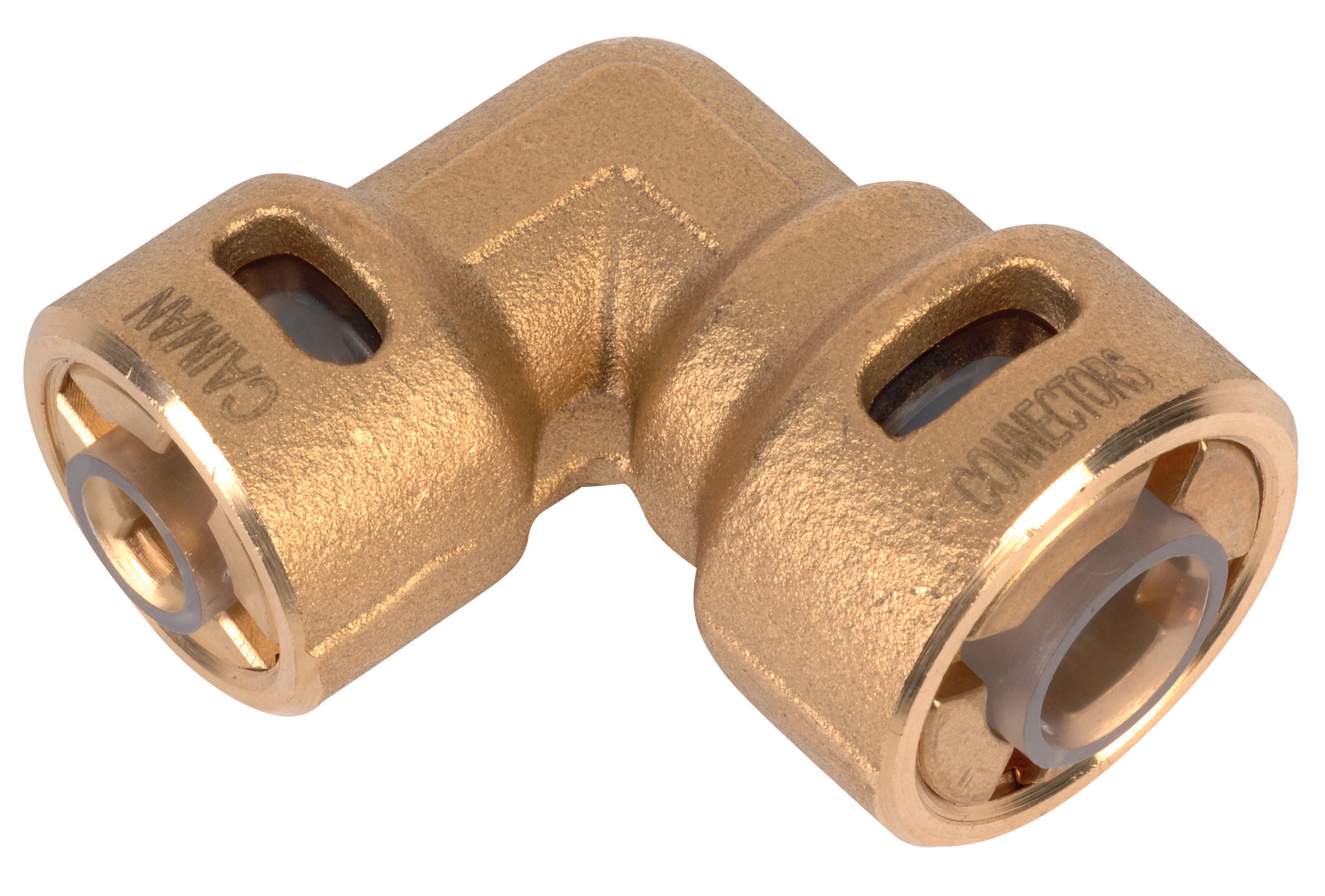
The foundation of reliable Maintenance & Service systems begins with the pressure coupling interface. The CBM Quick coupling 90° pressure reduction 1/4*3/8 represents a critical decision point in system architecture. This component manages pressure transitions between supply lines and application-specific equipment, directly influencing both performance delivery and safety margins. The 90-degree configuration accommodates spatial constraints common in industrial installations, while the pressure reduction feature protects downstream components from excessive system pressures—a critical safeguard for equipment operating in harsh environments across Southeast Asia, Middle East, and African operations.
Component Selection: Pressure Reduction Couplings vs. Standard Interfaces
Procurement engineers must distinguish between standard quick couplings and pressure-reduction variants when designing maintenance systems. The pressure reduction coupling RAC54024 incorporates internal geometry that gradually decreases system pressure, preventing shock loads that damage nozzles, valves, and seals during connection cycles.
Technical Advantages of Pressure-Reduction Couplings:
- Shock Load Mitigation: Eliminates sudden pressure spikes (water hammer effect) that occur during standard coupling engagement, reducing component stress cycles
- Extended Component Life: Downstream equipment experiences 40-60% lower stress variability, directly extending maintenance intervals
- Safety Compliance: Protects operators from pressure-release hazards during manual system disconnection
- System Pressure Flexibility: Enables equipment designed for lower operating pressures to operate safely within higher-pressure system environments
Conversely, standard quick couplings without pressure reduction should only be specified for low-pressure applications (under 50 bar) or where downstream equipment is explicitly rated for full system pressure. In global procurement scenarios, regional pressure standards vary significantly—European systems often operate at 250+ bar, while some emerging market operations function at 200 bar. The pressure-reduction coupling bridges these specifications without requiring equipment redesign or replacement.
Integration Considerations: The RAC54024 coupling's 1/4" inlet and 3/8" outlet configuration addresses common industrial standardization challenges. Many legacy systems use 1/4" supply lines with 3/8" distribution networks. This single coupling eliminates the need for separate reducers, threaded adapters, and transition fittings—reducing connection points by 60% and proportionally decreasing potential leak sites.
Nozzle Selection Architecture: Matching Application Requirements to Pressure Specifications
High-pressure flat jet nozzles represent the terminal point of maintenance systems—where system pressure converts to focused cleaning or application energy. CBM TEC flat jet nozzles offer three distinct configurations, each optimized for specific industrial maintenance scenarios.
CBM TEC Nozzle Comparison:
| Specification | TEC02021 | TEC02060 | TEC02075 |
|---|---|---|---|
| Pressure Index | 055 (Low-Pressure) | 25 (Standard Cleaning) | 50 (Heavy-Duty Applications) |
| Impact Angle | 15° | 15° | 40° |
| Thread Standard | 1/4"M BSPT | 1/4"M BSPT | 1/4"M BSPT |
| Optimal Pressure Range | 80-120 bar | 150-200 bar | 200-280 bar |
| Primary Applications | Precision equipment, paint removal | General industrial cleaning, production equipment | Heavy debris removal, stubborn deposits, external equipment |
The pressure index rating directly correlates to internal spray geometry and material durability. Index 055 nozzles use softer composite materials and wider internal passages, designed for low-pressure applications where extended spray patterns matter more than penetration force. These nozzles excel in precision equipment maintenance—cleaning electronic panels, optical surfaces, or delicate assembly areas without risk of pressure-induced damage.
The TEC02060 index 25 nozzle represents the global industrial standard. Across 3G Electric's distribution network spanning North America, Europe, and Asia-Pacific regions, this nozzle configuration handles approximately 65% of routine industrial Maintenance & Service applications. The 15-degree angle creates a concentrated flat spray pattern effective for removing moderate deposits from machinery, production equipment, and facility infrastructure. Standard pressure ratings (150-200 bar) align with most industrial pump specifications, enabling direct integration without system modifications.
The TEC02060|TEC02075 index 50 nozzle addresses heavy-duty maintenance challenges. The 40-degree spray angle increases coverage area while maintaining significant impact force, making it ideal for removing encrusted mineral deposits, rust, or stubborn production residue from external equipment surfaces. The elevated pressure index rating (50) indicates hardened internal components, essential for sustained operation above 250 bar where softer materials experience accelerated erosion.
Critical Selection Factor—Spray Pattern Efficiency: The 15-degree spray pattern (TEC02021, TEC02060) concentrates energy within a narrow band, delivering maximum pressure at target surfaces. The 40-degree pattern (TEC02075) distributes force across a wider area, requiring operator skill to prevent over-pressurization of delicate components. Procurement engineers must consider operator training requirements and equipment vulnerability when selecting nozzle angles for global operations.
System Architecture and Mounting Infrastructure
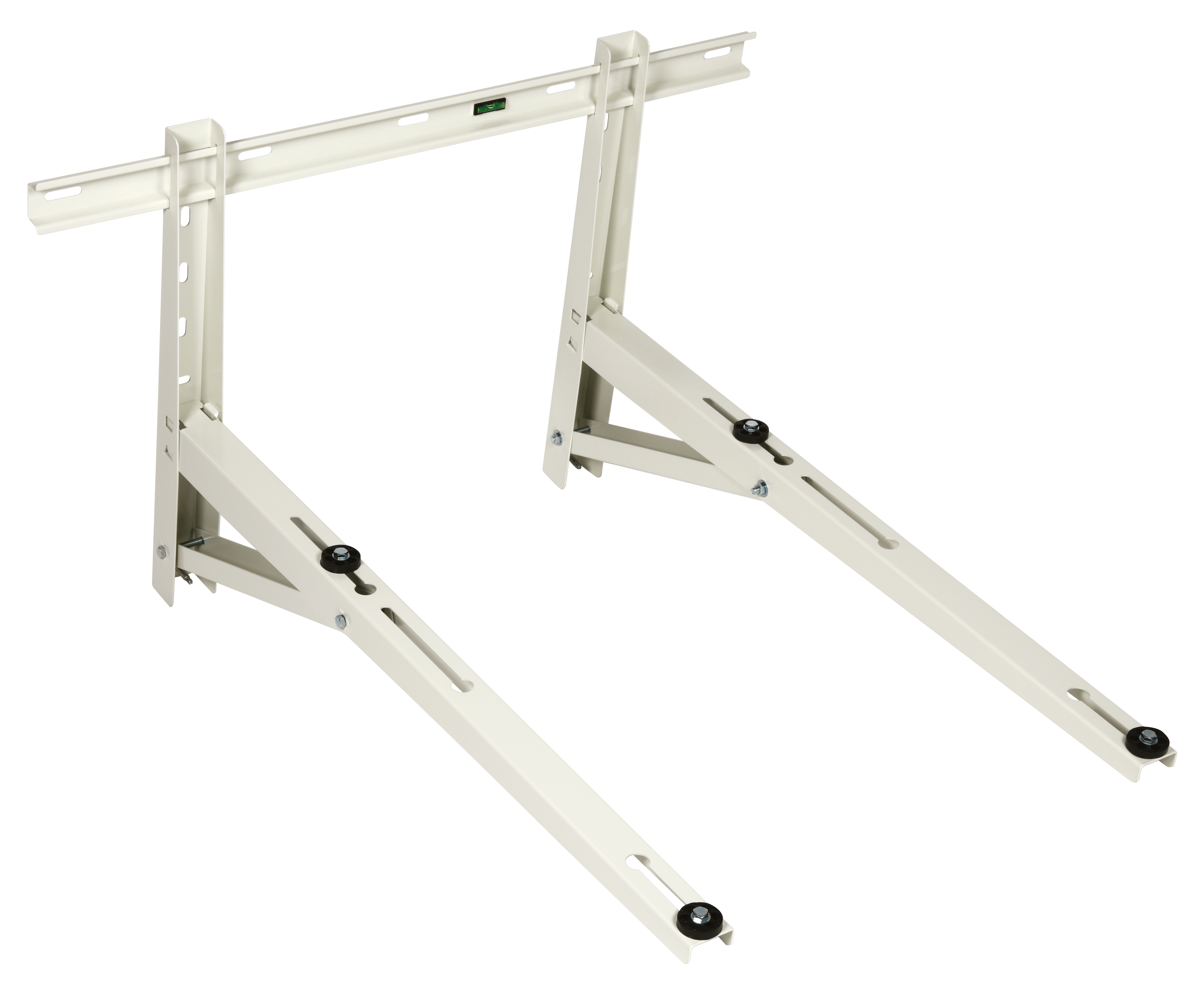
Complete Maintenance & Service system design requires consideration of installation, portability, and operational accessibility. The CBM Wall bracket 1000 provides the mounting infrastructure necessary for permanent or semi-permanent system deployment.
Functional Requirements for Maintenance System Mounting:
Wall brackets serve multiple critical functions beyond simple component holding. Effective mounting architecture must:
- Manage Vibration: Isolate pressure hoses and couplings from structural vibration, reducing fatigue-related failures
- Enable Accessibility: Position components within safe reach of maintenance personnel, minimizing awkward postures that create operator safety risks
- Support Component Weight: The bracket load rating (1000 designation suggests 1000-pound capacity) accommodates multiple hoses, nozzles, and pressure gauge assemblies typical of complete Maintenance & Service stations
- Facilitate Pressure Line Organization: Enable organized routing of multiple pressure lines with appropriate separation distances to prevent cross-contamination or thermal interference
- Accommodate Quick-Disconnect Cycles: Position couplings at ergonomic heights (typically 1.2-1.5 meters) where operators can engage/disengage RAC54024 couplings without excessive bending or reaching
For global operations, mounting specifications vary significantly by regional standards. European facilities typically comply with EN 1005-2 ergonomic load handling requirements, while Asian operations reference ISO 11228 guidelines. The CLI04413 bracket's 1000-unit capacity ensures compliance across international specifications without modification.
System Footprint Optimization: Permanent maintenance stations in manufacturing facilities benefit from centralized mounting infrastructure. A single wall-mounted assembly incorporating the pressure-reduction coupling, three nozzle options, and quick-change bracket reduces facility floor space by 40-50% compared to individual component storage. This configuration also eliminates the "forgotten component" scenario—operators encounter a complete maintenance system when accessing the designated area, improving compliance with preventive maintenance schedules.
Integration Protocol and Component Lifecycle Management
Successful Maintenance & Service system implementation requires coordinated integration across procurement, installation, operator training, and preventive maintenance functions.
Integration Sequence for Global Procurement:
1. System Specification Phase: Define operational pressure range (critical for nozzle selection), frequency of maintenance cycles (impacts component durability requirements), and environmental conditions (chemical exposure, temperature extremes, moisture levels)
2. Pressure Coupling Selection: Specify the RAC54024 pressure-reduction coupling when system operates above 150 bar or when protecting sensitive downstream equipment
3. Nozzle Configuration Assembly: Select nozzle options based on primary maintenance tasks. Organizations maintaining precision electronics should prioritize the TEC02021 index 055. Heavy industrial facilities benefit from the TEC02075 index 50 configuration
4. Mounting Infrastructure Installation: Deploy CLI04413 brackets at ergonomic positions, ensuring couplings sit at operator elbow height (approximately 1.0-1.2 meters) for safe, efficient engagement cycles
5. Operator Training Documentation: Provide clear guidance on pressure index ratings, appropriate nozzle selection for specific equipment, and safety procedures for pressure-relief operations
6. Preventive Maintenance Scheduling: Establish inspection intervals for quick-couplings (typically every 500 operating hours) and nozzle replacement cycles (based on visible wear patterns or spray irregularities)
Component Lifecycle Economics: 3G Electric's experience across 35+ years demonstrates that properly maintained pressure couplings extend service life to 3-5 years, while nozzles typically require replacement every 12-18 months depending on intensity of use and water quality (mineral content accelerates erosion). High-pressure equipment operating in hard-water regions experiences 30-40% shorter nozzle service intervals due to mineral deposit accumulation within spray orifices.
Procurement Decision Framework for Global Operations
Procurement engineers managing multi-region deployments must accommodate varying operational standards, environmental conditions, and equipment compatibility profiles. The recommended approach integrates standardized core components with region-specific adaptations.
Global Standardization Strategy:
- Standardize on pressure-reduction couplings (RAC54024) across all regions to ensure consistent safety margins and component protection
- Maintain inventory of all nozzle indices (TEC02021, TEC02060, TEC02075) at each regional facility, enabling operators to select appropriate tools without cross-regional shipping delays
- Implement unified mounting infrastructure (CLI04413) to ensure consistent ergonomic standards and operator familiarity across global teams
- High-mineral-content water regions: Increase nozzle replacement frequency by 25-30% and specify the more durable index 50 nozzles for extended service intervals
- Extreme-temperature environments (Sub-Saharan Africa, Middle East): Select stainless steel components throughout the system to prevent corrosion-related failures
- High-humidity coastal operations: Implement quarterly inspection cycles for quick-coupling seals, as moisture accelerates elastomer degradation
This integrated approach to Maintenance & Service system design—combining pressure-optimized couplings, application-specific nozzles, and ergonomic mounting infrastructure—delivers predictable performance across global operations while simplifying procurement complexity.