Understanding Electrical Controls & Safety in Industrial Equipment
Electrical Controls & Safety represent the critical interface between automation systems and operational protection. For maintenance teams, understanding how relay systems, pilot lights, and solenoid valves work together is essential for preventing downtime and ensuring operator safety.
With over 35 years of experience as a global industrial equipment distributor, 3G Electric has supported maintenance teams across diverse industries in mastering these systems. Electrical control systems don't just start and stop equipment—they actively monitor conditions, detect failures, and execute safety shutdowns before problems escalate into hazardous situations.
The foundation of any robust Controls & Safety system relies on proper electrical signal transmission, component reliability, and regular maintenance protocols. Whether you're managing burner controls, fluid systems, or multi-stage automation, the principles remain consistent: detect, verify, respond, and document.
Relay-Based Safety Control Architecture
How Relays Function in Safety Circuits
Relays are electromagnetic switches that use low-power control signals to activate high-power circuits. In Controls & Safety applications, relays serve as decision-making components that interpret signals from sensors and pilot lights, then trigger appropriate responses in solenoid valves and other actuators.
The CBM Relay CM391.2 30.5 1.2 exemplifies industrial-grade relay design. This component accepts control signals and switches electrical circuits with precision timing, making it suitable for safety-critical applications where response accuracy directly impacts operational continuity.
Relay Base Selection and Installation
Proper relay installation begins with selecting the correct mounting base. The CBM Base LGK AGM17 provides standardized mounting that ensures consistent electrical contact quality across multiple relay applications. When installing relays:
- Verify voltage compatibility: Confirm that your control voltage matches relay specifications (typically 24V DC or 120V AC in industrial settings)
- Check contact rating: Ensure the relay can handle the current draw of connected solenoids and other loads
- Secure mounting: Use appropriate bases to prevent vibration-induced contact degradation
- Label circuits: Maintain clear documentation of what each relay controls
- Test before commissioning: Use multimeters to verify continuity and resistance values before placing systems online
Maintenance teams should establish quarterly inspection routines for relay bases, checking for signs of arcing, corrosion on contact points, or loose connections. These preventive checks typically reveal problems before they cause unexpected shutdowns.
Solenoid Valve Control and Pilot Light Integration
Double Solenoid Valve Systems
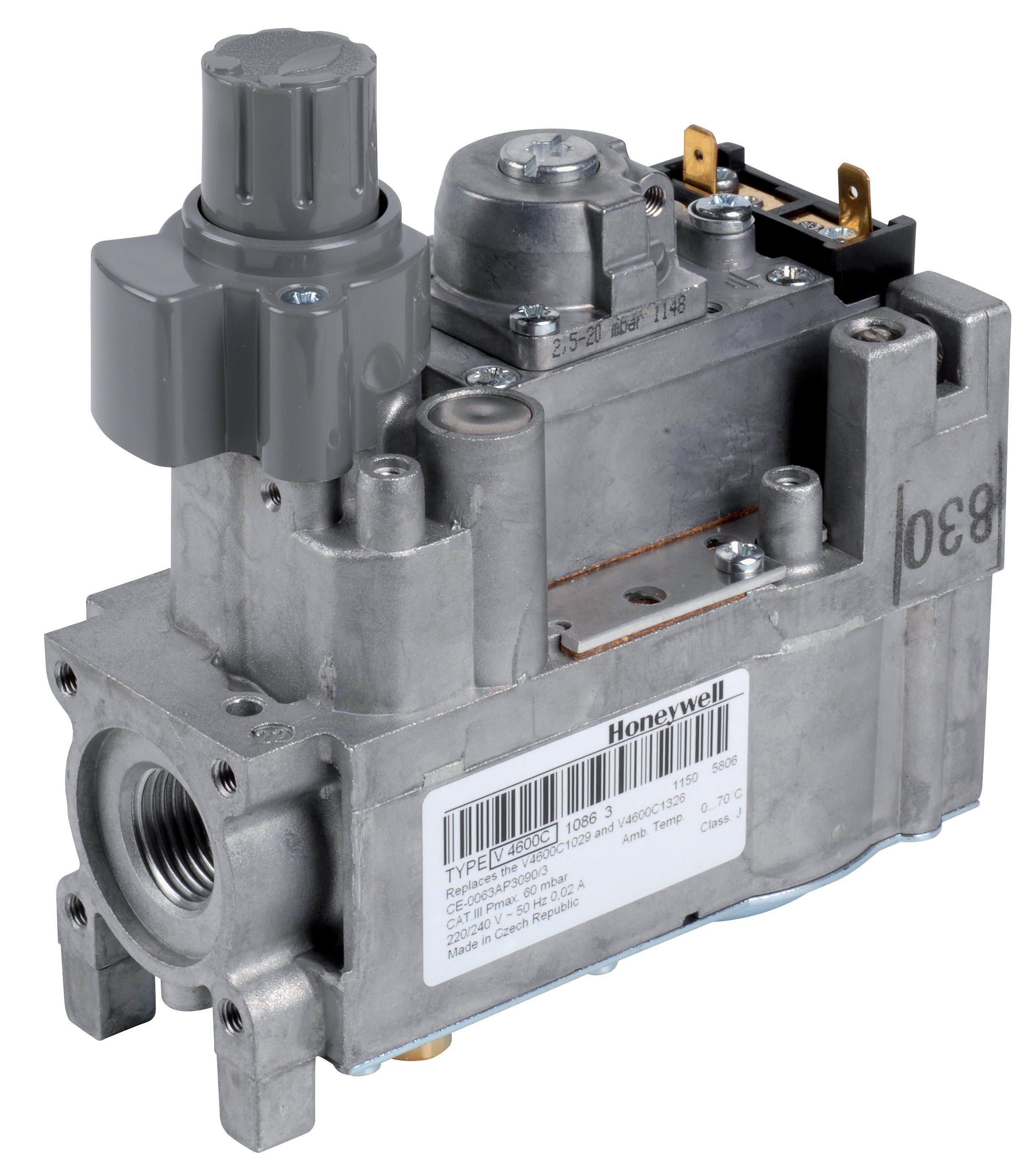
Solenoid valves are critical Controls & Safety components that convert electrical signals into precise fluid or gas control. Double solenoid configurations, such as the CBM VCS 1E25R/25R05NNWL3/PPPP/PPPP double solenoid valve, provide redundant control pathways that enhance safety by allowing simultaneous monitoring of multiple circuits.
In typical industrial applications, double solenoid valves operate as follows:
- Primary coil: Receives signal from main control relay
- Secondary coil: Monitors pilot pressure or electrical feedback
- Spool mechanism: Moves between positions based on solenoid activation, directing flow to open, close, or maintain hold positions
- Return spring: Ensures safe defaults if electrical power is lost
When integrating these valves into your Controls & Safety system, maintenance teams must understand the specific pilot pressure requirements. Some solenoid valves require minimum pilot pressure to operate correctly—if pressure falls below specifications, the valve may fail to respond to electrical signals despite receiving proper coil energization.
Pilot Light Control in Safety Verification
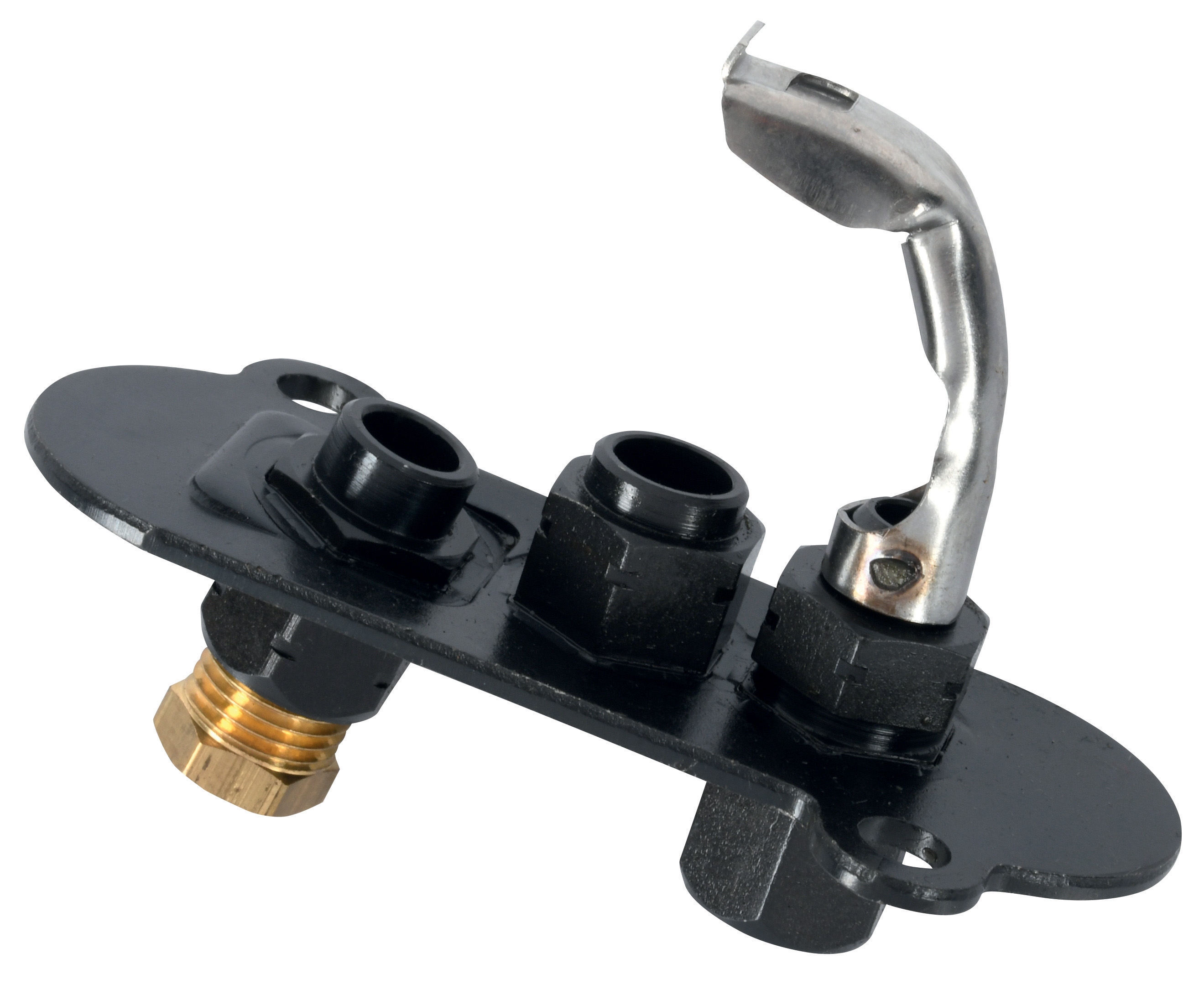
Pilot lights serve a critical dual function: they provide visual indication of system status while simultaneously allowing your control circuits to verify electrical integrity. The CBM 1-flame pilot light 0.150.082 and CBM Pilot light 1 flame 0140026 are designed to illuminate reliably while supporting electrical monitoring through series connections in safety circuits.
Practical pilot light integration tips:
- Series circuit monitoring: Connect pilot lights in series with solenoid coils so that light illumination confirms electrical path continuity
- Voltage drop consideration: Pilot lights consume 2-4 watts; ensure your relay output has sufficient capacity when multiple lights are connected
- Replacement scheduling: Replace pilot lights proactively every 12-18 months rather than waiting for failure, as burned-out bulbs create false safety signals
- Color coding standards: Use consistent color schemes across facilities (typically: green for ready/normal, yellow for caution/monitoring, red for shutdown/error)
- Visible installation: Mount pilot lights where operators can clearly see status changes without obstruction
Maintenance teams should verify pilot light operation during every control system test. A non-illuminating light despite proper relay activation indicates either a burned-out bulb or a broken electrical path—both conditions must be corrected before returning equipment to service.
Practical Maintenance and Troubleshooting Workflows
Systematic Diagnostic Procedures
When Controls & Safety systems fail to respond as expected, maintenance teams need structured diagnostic approaches:
Step 1: Verify Power Supply
- Test voltage at relay coil terminals using a calibrated multimeter
- Confirm that supply voltage remains steady during solenoid valve activation (voltage sags indicate insufficient power capacity)
- Check circuit breakers and fuses for signs of thermal stress
- Use the multimeter to measure resistance across relay coil terminals (should show 100-500 ohms for typical industrial relays)
- Apply control voltage manually to the relay while listening for audible click confirmation
- Measure continuity across normally-open and normally-closed contacts before and after activation
- Connect the solenoid coil directly to a known-good power source while observing mechanical movement (coil plunger should move visibly when energized)
- If no movement occurs, check for mechanical binding or debris in the valve body
- Measure coil resistance; readings outside manufacturer specifications (typically within ±10% of rated value) indicate winding failure
- Verify bulb brightness matches historical baseline (dimming indicates circuit degradation or imminent failure)
- Test the bulb independently by connecting it directly to known voltage
- Confirm circuit continuity throughout the lighting path
- Record all voltage, resistance, and continuity measurements
- Note any unusual sounds, smells, or physical indicators
- Compare current readings to baseline documentation from commissioning
Preventive Maintenance Calendar
Establish a calendar-based maintenance routine that captures Controls & Safety components before failures occur:
Monthly Inspections:
- Visual inspection of pilot lights for discoloration or dimness
- Check relay mounting bases for loose connections or corrosion
- Verify solenoid valve external condition (no leaks, proper coil temperature)
- Full functional test of relay circuits with load disconnected
- Solenoid coil resistance measurements
- Pilot light replacement in high-temperature or vibration-prone environments
- Complete system documentation update
- Replacement of aging relays (typically 3-5 year service life)
- Coil winding inspection and re-torquing of all electrical connections
- Pressure verification for double solenoid valve pilot systems
Component Selection and Spare Parts Strategy
With over 35 years of industrial equipment distribution experience, 3G Electric understands that effective Controls & Safety maintenance depends on having correct spare parts readily available. Maintenance teams should maintain inventory of:
- Replacement relay units matching your specific voltage and contact rating requirements
- Solenoid coils and complete valve assemblies for critical applications
- Pilot light bulbs and sockets compatible with your current fixtures
- Mounting bases and connection modules
- Electrical contact cleaner and dielectric grease for preventive maintenance
When sourcing replacements, verify that components meet your original equipment specifications. Using incorrect relay types, solenoid ratings, or pilot light voltages introduces subtle failures that can bypass your Controls & Safety protections.
Compliance Documentation and Safety Records
Maintenance teams must recognize that Controls & Safety component servicing creates a compliance trail. Establish documentation practices that include:
- Service logs: Record dates, technician names, work performed, and test results
- Component history: Track individual relay, solenoid, and pilot light installation dates and service intervals
- Test certificates: Retain multimeter calibration records and functional test documentation
- Change management: Document any modifications to relay circuits, solenoid connections, or pilot light configurations
This documentation becomes essential if safety incidents occur and regulatory agencies investigate your maintenance practices. Clear records demonstrate that your team followed systematic procedures and detected problems before they caused damage.
Conclusion
Electrical Controls & Safety systems protect your equipment, personnel, and operational continuity. By understanding relay architecture, mastering solenoid valve integration, implementing structured diagnostic procedures, and establishing preventive maintenance routines, your maintenance team can ensure these critical systems perform reliably for years.
3G Electric's 35+ years supporting global industrial operations demonstrate that systematic Controls & Safety management prevents costly downtime while protecting your team's safety. Start with the diagnostic procedures outlined in this guide, establish your preventive maintenance calendar, and build spare parts inventory around the components you've identified as critical to your operations.
When questions arise or you need to source quality relay systems, solenoid valves, or pilot lights, 3G Electric remains your reliable partner for industrial equipment support.