Controls & Safety: Choosing Between Modular and Integrated Architectures
When specifying Controls & Safety equipment for burner systems, HVAC contractors in Singapore must navigate a fundamental architectural choice: designing systems from discrete relay, pressure switch, and valve components, or selecting integrated control modules that combine multiple functions. With over 35 years of experience distributing industrial equipment, 3G Electric has seen how this decision impacts installation time, system reliability, and long-term maintenance costs across hundreds of installations throughout Asia-Pacific.
This comparison examines the practical implications of each approach, helping you make decisions that align with project requirements, team expertise, and client budgets.
Understanding Modular Component Architecture
What defines a modular system:
Modular Controls & Safety systems rely on individual devices working in concert—discrete relays handle burner sequencing, separate pressure switches monitor gas/oil supply and combustion air, and standalone solenoid valves control fuel flow. Each component serves a single primary function, connected through electrical wiring and control logic.
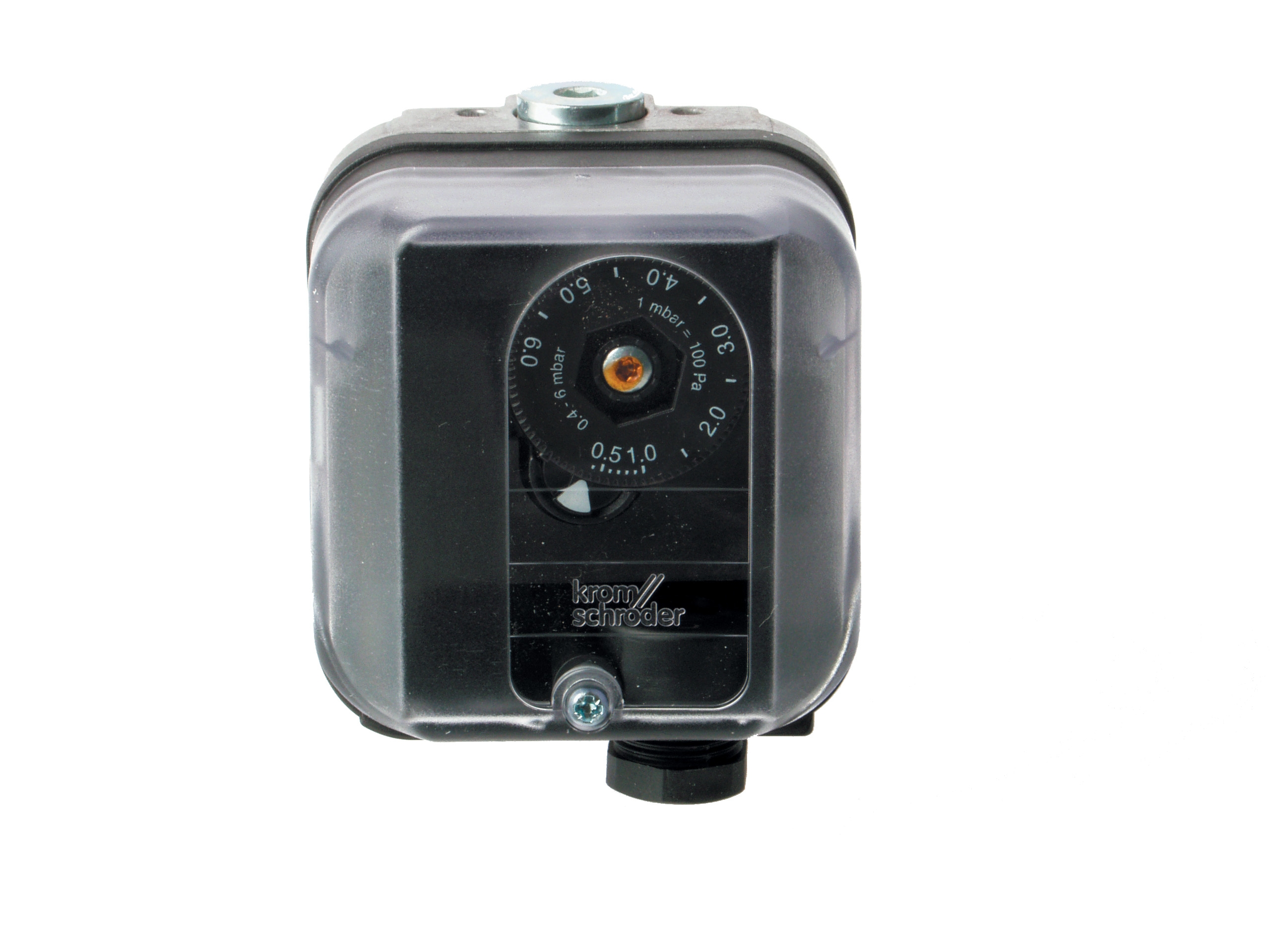
The Kromschroder Relay BCU 570WC1F1U0K1-E exemplifies this approach. This dedicated burner control relay handles ignition sequencing and pilot monitoring independently, accepting input signals from external flame detectors and pressure switches. Similarly, the Kromschroder Pressure switch DG 50U/6 functions as a discrete safety device, monitoring supply pressure without incorporating flame detection or ignition control.
Practical advantages for Singapore contractors:
- Flexibility in system design: Mix components from different manufacturers based on specific application requirements. A retrofit project might combine older Honeywell equipment with newer Siemens controls to match existing infrastructure.
- Simplified troubleshooting: When a system fails, technicians isolate problems to specific components. If combustion air pressure reading becomes erratic, you know the pressure switch requires calibration or replacement—you're not diagnosing an entire integrated module.
- Scalability for custom installations: Design control logic that matches unique burner configurations. Industrial facilities with dual-fuel capability or multiple burner sequences benefit from mixing relay types and sensor inputs.
- Extended equipment lifespan: Replace failed components without retiring entire control systems. A defective pressure switch doesn't render $8,000 in integrated electronics obsolete.
Modular systems demand more installation labor. Each component requires individual wiring, calibration, and safety certification. On a typical industrial burner retrofit, modular architectures can add 15-20 hours of commissioning work compared to integrated alternatives. Technicians must verify signal compatibility between components from different manufacturers—ensuring the relay accepts voltage levels from your specific pressure switch.
Inventory management becomes more complex. You'll stock individual relays, pressure switches, solenoid valves, and housings separately. Space and logistics costs accumulate.
Understanding Integrated Control Architecture
What defines an integrated system:
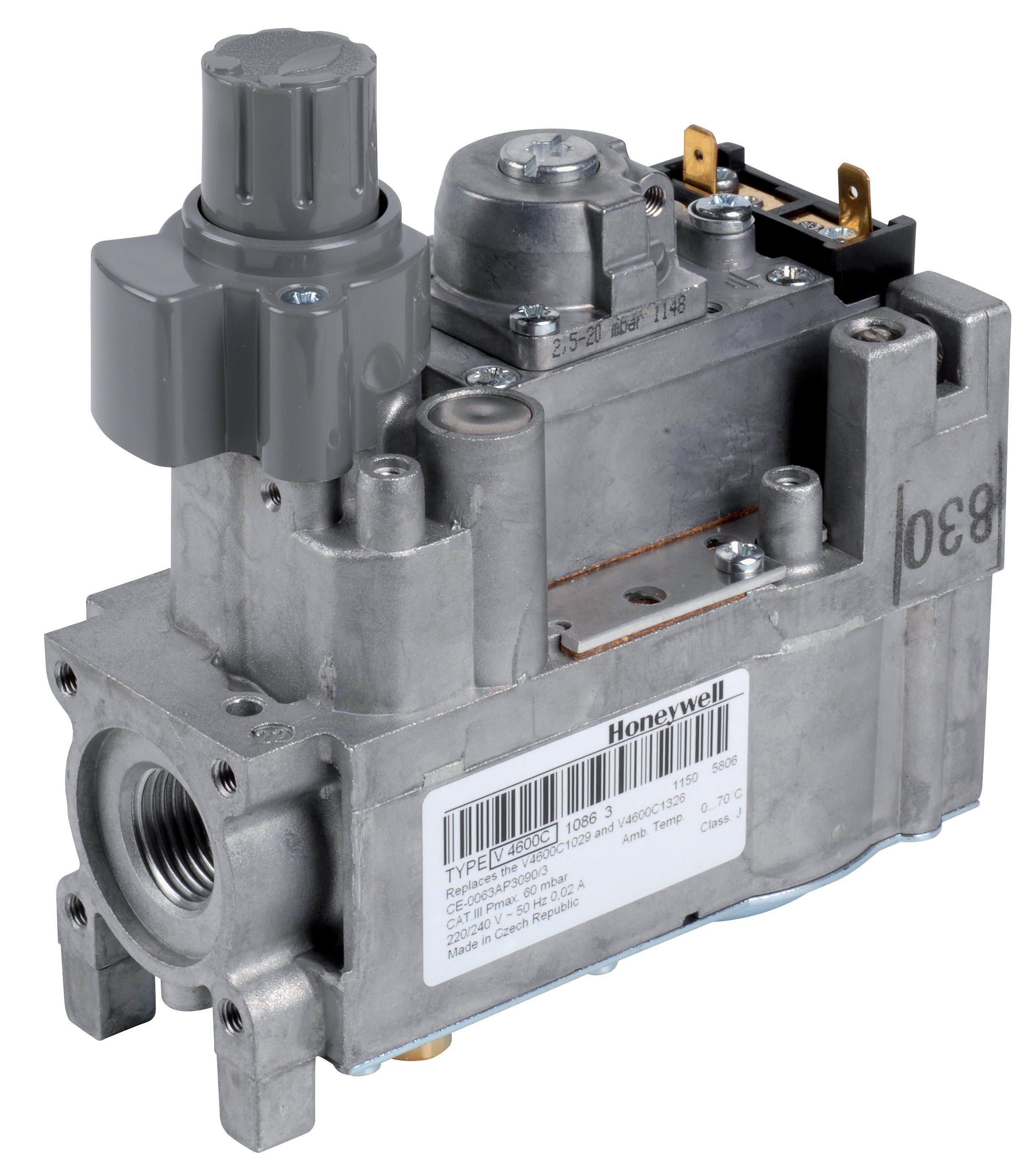
Integrated Controls & Safety modules consolidate flame detection, pressure monitoring, ignition control, and solenoid valve operation into unified devices. The Siemens Relay LFL 1.622 combines safety control functions with flame monitoring (UV and ionization options) in a single housing. The Honeywell Gas block VK 4105 C 1041 U integrates pressure regulation with modulating control for gas systems.
These systems typically feature pre-programmed logic sequences that manage burner startup, flame verification, and shutdown according to industry standards—eliminating custom wiring requirements.
Practical advantages for Singapore contractors:
- Dramatically reduced installation time: Pre-engineered logic sequences eliminate custom relay programming. A standard gas burner installation drops from 20+ hours to 6-8 hours. For high-volume commercial HVAC projects, this labor savings directly improves profitability.
- Lower commissioning complexity: One unified device to calibrate rather than ten individual components. Testing and certification focus on the integrated module's performance, reducing compliance verification time.
- Standardized reliability: Manufacturers design and test integrated modules as complete systems. You avoid component compatibility issues that plague DIY modular designs.
- Reduced physical footprint: Single control enclosure replacing multiple relay banks. Important in space-constrained mechanical rooms common in Singapore's high-rise commercial buildings.
- Manufacturer technical support: Integrated modules come with dedicated supplier support. Problem-solving often involves single technical reference point rather than managing vendor relationships across five components.
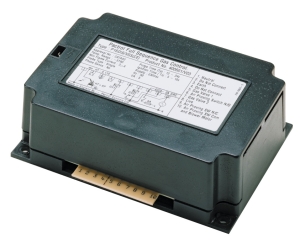
Customization becomes limited. The Pactrol Housing P 16 DI CE 400601/V23 operates within predetermined parameters—you cannot repurpose it for unusual burner sequences or hybrid fuel configurations. If your client's requirements fall outside the module's design envelope, you need a different control altogether.
Failure economics shift. A single component failure can disable entire control functions. If the integrated flame detection fails, you're replacing the entire module rather than swapping a $400 photoelectric cell. Spare parts availability matters more—if your distributor stocks limited inventory, repair time extends significantly.
Vendor lock-in affects long-term flexibility. Upgrading system capability often requires replacing entire integrated modules rather than updating individual components.
Practical Selection Criteria for Singapore HVAC Contractors
Choose modular architecture when:
- Retrofitting existing systems with mixed equipment generations. Older facilities often require compatibility with legacy components.
- Project specifications demand customized control sequences. Industrial applications with multiple burners, staged ignition, or unusual fuel combinations benefit from modular flexibility.
- Long-term serviceability is critical. Facilities expecting 15+ year equipment lifespans prefer modular systems where individual components can be updated without system-wide replacement.
- Your team possesses strong controls troubleshooting expertise. Modular systems reward experienced technicians who understand relay logic and component interaction.
- Budget favors capital expenditure over labor costs. Modular components cost less upfront; integrated modules shift costs toward commissioning labor.
- Time-to-completion drives project economics. Commercial HVAC installations with tight completion schedules benefit from integration's rapid deployment.
- Your team size prioritizes standardization. Technicians working across multiple projects maintain consistent troubleshooting approaches with standard integrated modules.
- Equipment operates in straightforward applications—single-fuel burners, standard startup sequences, typical operating pressure ranges.
- Your facility management organization values predictable spare parts availability. Integrated modules with established distributor networks (like 3G Electric's 35+ year supplier relationships) ensure reliable component access.
- Initial installation quality matters more than 10-year serviceability. Short-lifecycle commercial buildings often retire HVAC systems entirely within 10-12 years.
Real-World Integration Strategy: Hybrid Approaches
Most sophisticated Singapore HVAC installations employ hybrid strategies—combining integrated modules with selective modular components where flexibility justifies additional complexity.
For example, you might specify the integrated Siemens flame control unit for primary burner sequencing while adding a standalone Kromschroder DG 50U/6 pressure switch for backup combustion air monitoring. This approach captures 80% of integration benefits while maintaining pressure monitoring flexibility.
Another pattern: use integrated modules for standard burner control while incorporating standalone solenoid valve blocks (like the Honeywell VK 4105 C 1041 U) when modulating control or future expansion capability becomes essential.
Maintenance and Lifecycle Considerations
Over a system's operational lifespan, maintenance costs often exceed initial capital expenditure. Modular systems typically cost 15-25% more annually to maintain due to component-level troubleshooting and calibration complexity. However, this cost remains distributed—you're not replacing an entire $6,000 integrated module when a $200 pressure switch fails.
Integrated systems show lower maintenance labor costs but higher component replacement costs. As systems age, failure replacement costs rise significantly if spare integrated modules become unavailable or obsolete.
Singapore contractors should document this analysis with clients during specification phases. A 5-year commercial installation might justify integrated architecture's lower labor costs; a 15-year industrial facility favors modular flexibility and component economics.
Making Your Specification Decision
With 3G Electric's comprehensive inventory of modular components—from Kromschroder relays to Honeywell control blocks—and integrated solutions available through our distributor network, you have flexibility to match project requirements precisely.
The optimal Controls & Safety architecture depends on your specific application, team capabilities, and long-term facility requirements. Neither approach universally dominates—success comes from matching system architecture to project economics and operational context.
Contact 3G Electric's technical team to discuss your project requirements. Our 35+ years supporting Singapore's HVAC industry have taught us which approaches deliver superior outcomes for different installation scenarios.