Understanding Controls & Safety in Modern Ignition Systems
Controls & Safety systems in industrial burners are the backbone of reliable combustion operations. When ignition modules fail, the consequences extend beyond production halts—they create safety risks and compliance violations under Singapore's Occupational Safety and Health Act. Unlike traditional manual ignition systems, modern burners rely on sophisticated electronic modules that integrate flame detection, spark generation, and safety lockout functions into a single unit.
Plant managers must distinguish between three core ignition control architectures: traditional burner control relays with external ignition transformers, integrated flame control modules with built-in spark generation, and modular systems combining pressure regulators with independent ignition units. Each architecture presents different failure modes and requires specific diagnostic approaches.
With 35+ years of experience distributing industrial equipment across Southeast Asia, 3G Electric has observed that ignition failures account for approximately 40% of unplanned burner shutdowns in Singapore manufacturing facilities. The gap between standard troubleshooting and root-cause analysis often leaves plant managers replacing components unnecessarily, increasing costs and extending downtime.
Comparing Burner Control Relay Systems vs. Integrated Flame Control Modules
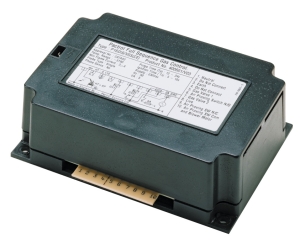
The Kromschroder BCU 570WC1F1U0K1-E relay represents traditional relay-based architecture. This control relay supports direct ignition and intermittent/continuous pilot modes, operating as the command center for your ignition sequence. Its EN 746-2 and EN 676 compliance ensures safety across industrial applications.
In contrast, the Siemens LFL 1.622 safety control unit integrates ignition spark generation, flame monitoring (UV and ionization), and controlled air damper management into one module. This creates a critical distinction for troubleshooting:
Relay-Based Systems (Kromschroder BCU 570):
- Spark generation handled by separate external transformer
- Relay monitors pilot flame through external UV/ionization sensors
- Fault diagnosis requires testing relay circuits independently from ignition circuit
- Typical failure: relay contacts stuck in "safe" position, preventing ignition sequence initiation
- Replacement cost: lower initial component cost, but requires transformer verification
- Spark generation built into module (reduced wiring, fewer failure points)
- UV/ionization flame monitoring integrated with control logic
- Single-unit fault diagnosis simplifies root-cause identification
- Typical failure: UV flame detection malfunction causes immediate lockout without relay reset capability
- Replacement cost: higher single unit cost, but eliminates external transformer failures
Plant managers operating continuous process lines (food processing, petrochemical) benefit from integrated modules due to reduced points of failure. Batch operations or older installations may be locked into relay-based systems requiring different diagnostic procedures.
Diagnostic Procedures: Ignition Module Testing and Isolation Methods
When an ignition system fails to cycle, a systematic comparison of module types guides your troubleshooting:
Step 1: Verify Input Power and Safety Interlocks
- Check main power supply (230V or 110V depending on module type)
- Test safety interlock status (door switches, high-temp shutdowns, fuel isolation solenoids)
- Compare: If using relay system with external transformer, verify transformer secondary voltage (typically 6-10kV). If using integrated module, check module's internal power distribution through pilot light indicator
- Relay-based: Measure voltage across ignition transformer secondary terminals with multimeter set to AC voltage. Expected: 6-10kV output during ignition command. Absent voltage indicates relay contact failure or transformer fault
- Integrated module (like Siemens LFL 1.622): Listen for audible spark at ignition electrode during startup sequence. No spark suggests module output circuit failure or electrode gap contamination
- Comparison insight: Integrated modules provide spark voltage diagnostics through on-board LED indicators; relay systems require external test equipment
- For relay systems: Remove UV sensor connector and measure sensor signal voltage with module powered. Expected range: 3-5V DC at sensor input terminal. No signal indicates sensor failure or open circuit
- For integrated modules: Most units include UV/ionization circuit diagnostics accessible through status codes or indicator lights
- The Pactrol Housing P 16 DI CE provides standalone flame detection with 12kV output and 10MJ energy—use this as a bench test reference to isolate whether flame detection or control module is faulty
- Test burner ignition with fuel supply isolated (emergency fuel valve closed)
- Expected result: Ignition relay cycles once, detects no flame, locks out safely
- If relay locks out even with fuel supply active, suspect pressure switch circuit fault (see Step 5)
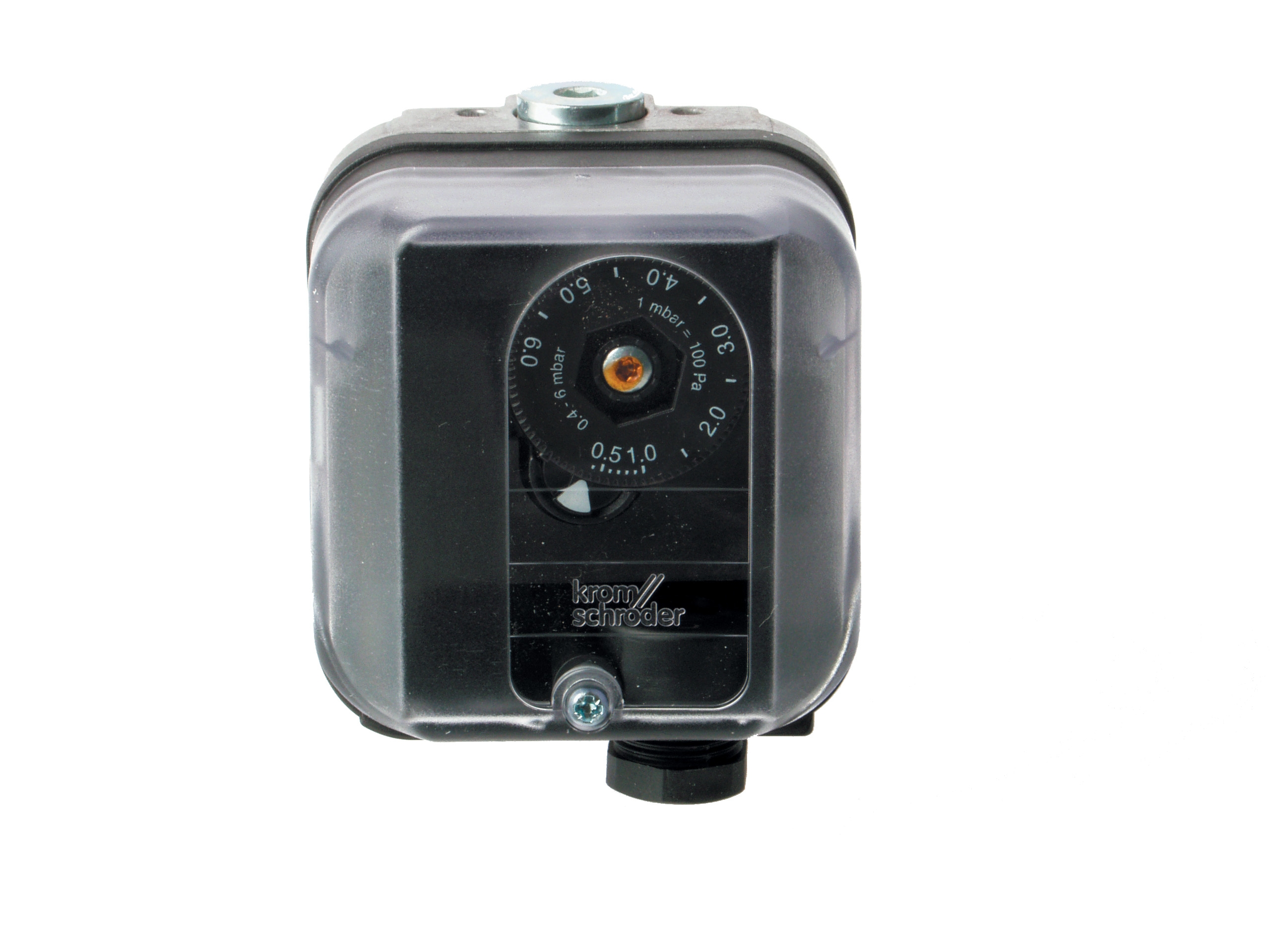
- The Kromschroder DG 50U/6 pressure switch (SIL 3 rated) must be tested with actual combustion air pressure applied
- Bench test method: Apply 0.02-0.05 bar air pressure to switch inlet while monitoring electrical continuity through switch terminals
- Compare specifications: DG 50U/6 requires minimum 0.03 bar proof pressure. If your burner air pressure measures 0.02 bar or below, the pressure switch will never allow ignition—this is a Controls & Safety design feature, not a module failure
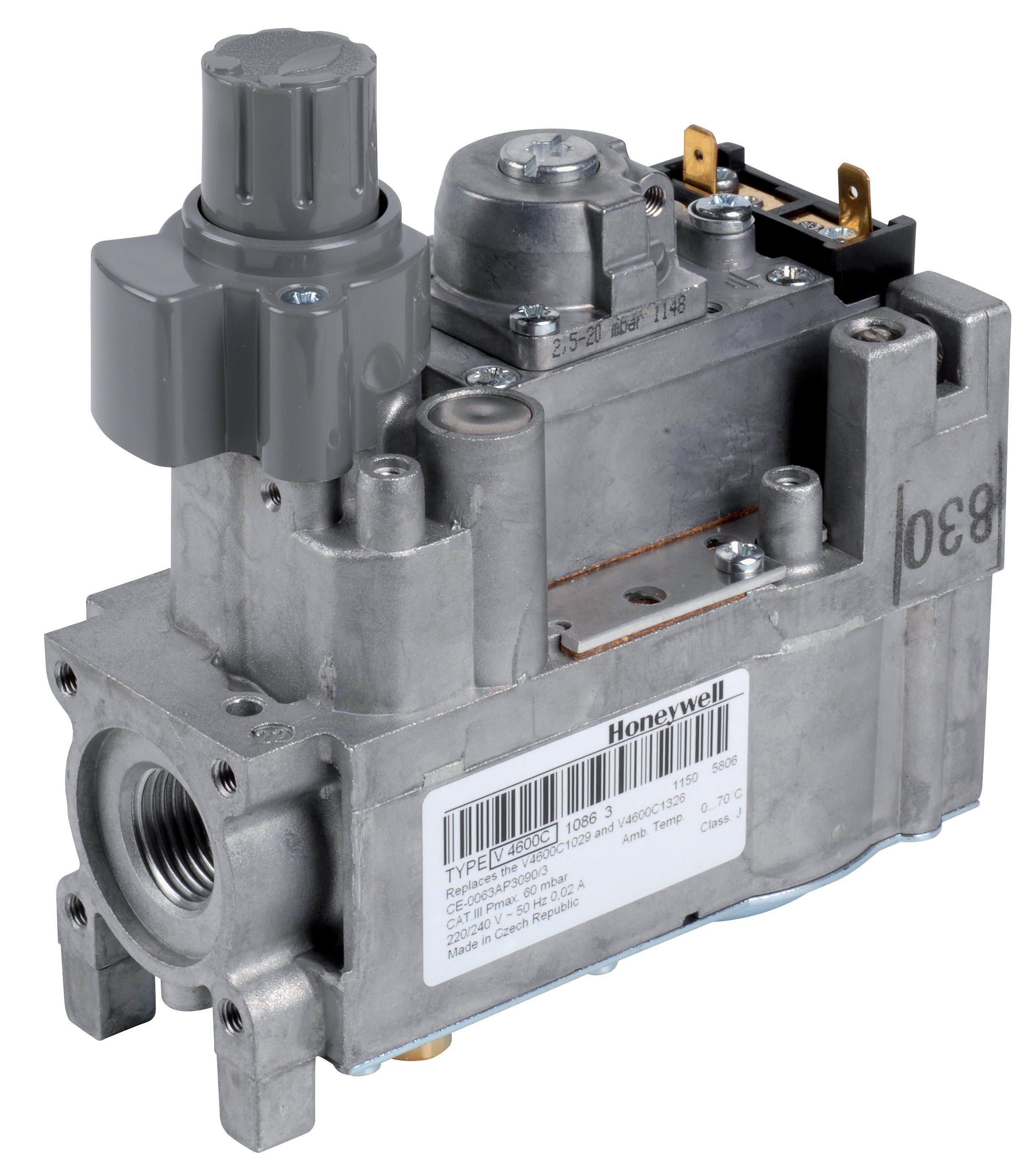
- Use Honeywell VK 4105 C 1041 U gas block as reference for understanding pressure feedback integration; this modulating regulator provides the pressure signal that the safety switch monitors
Practical Replacement Strategies and Cost-Benefit Analysis
Plant managers face a critical decision when ignition modules fail: repair existing system, replace individual components, or upgrade to integrated architecture.
Scenario 1: Relay System with Failed Transformer
- Symptom: No spark output, but relay energizes and pilot light functions
- Diagnosis: External transformer secondary winding shorted or open
- Repair vs. Replace: Transformer replacement ~$400-600. If relay is >8 years old and transformer >10 years old, total lifecycle cost favors relay replacement
- 3G Electric recommendation: Replace entire relay unit (BCU 570WC1F1U0K1-E) rather than just transformer—parts compatibility with modern flame sensors reduces future failures
- Symptom: Module cycles through ignition, then immediately locks out without detecting flame
- Diagnosis: UV sensor contamination (98% probability) or module flame detection circuit (2% probability)
- Repair vs. Replace: Sensor cleaning attempt costs $0 but takes 2-4 hours labor. UV sensor replacement ~$150. Module replacement ~$1200-1800
- 3G Electric recommendation: Always attempt sensor cleaning first (remove electrode from combustion chamber, clean with soft cloth, inspect for ceramic cracks). If cleaning fails, replace sensor before replacing module
- Symptom: Ignition relay energizes but immediately de-energizes; no spark generation
- Diagnosis: Pressure switch contacts open, blocking ignition sequence despite fuel supply present
- Repair vs. Replace: Pressure switch replacement ~$200-300. Bench testing confirms fault within 30 minutes
- 3G Electric recommendation: Test pressure switch isolation on bench before replacing—this eliminates unnecessary component swaps and identifies actual burner air pressure issues (which indicate fan motor problems, not controls failure)
Manufacturers running 24/7 operations (chemical plants, district heating systems) benefit from migrating to integrated flame control modules. Comparison advantages:
- Integrated modules: 2-3 failure points vs. relay systems with 8-10 failure points
- Downtime to diagnosis: 15-30 minutes (integrated) vs. 1-2 hours (relay with external components)
- Spare parts inventory: 1 module vs. relay + transformer + sensors + wiring
- Initial investment: ~$1500-2200 vs. ~$800-1200 for complete relay system, but payback through reduced downtime within 18-24 months
Maintenance Protocols and Preventive Controls & Safety Measures
Ignition system failures rarely occur without warning. Implementing systematic maintenance reduces unplanned shutdowns by 60-70% based on 3G Electric's customer data across Singapore industrial operations.
Monthly Inspection (10 minutes):
- Visual check of ignition electrode gap (should be 2-3mm; measure with feeler gauge)
- UV sensor lens inspection (clean if visible dust or soot deposits)
- Listen to ignition spark during cold startup (audible click or spark sound confirms function)
- Measure ignition output voltage at electrode gap using high-voltage probe (6-10kV expected)
- Test pressure switch activation at actual burner air pressure using manometer
- Record flame detection signal voltage during pilot flame operation (3-5V typical for UV sensors)
- Compare readings to baseline established during system commissioning
- Send relay or control module for factory testing if deviations detected in quarterly tests
- Replace UV sensor seals and inspect ceramic elements for cracks
- Calibrate pressure switch if measurements exceed ±0.02 bar variation
- Document all test results for compliance audits and warranty claims
Using Kromschroder pressure switch as monitoring reference: track pressure readings monthly. Gradual decline in measured pressure indicates burner air system degradation (fan motor wear, damper obstruction), not ignition module failure. This distinction prevents unnecessary controls replacement and targets actual root causes.
Compliance and Safety Considerations for Singapore Operations
Under Singapore's Occupational Safety and Health (OSHC) Act and electrical safety regulations, ignition control systems must maintain SIL 2 or SIL 3 certification. The DG 50U/6 pressure switch provides SIL 3 safety integrity, critical for high-consequence applications.
Fire Code requirements mandate:
- Annual inspection certificates for all burner control systems
- Documented proof that ignition modules achieve safe shutdown within 3 seconds of flame loss
- Maintenance records traceable to original equipment specifications
When replacing modules, ensure part numbers exactly match original specifications. Generic "compatible" relays may function normally but lack certification documentation required for insurance and regulatory compliance.
Plant managers should designate one staff member as Controls & Safety system specialist, trained in module diagnostics and equipped with basic test tools (multimeter, high-voltage probe, manometer). This single investment in training and tools typically prevents 3-5 costly misdiagnosis events per year and ensures consistent troubleshooting methodology across all equipment.