Understanding Controls & Safety Regulatory Complexity in Southeast Asia
Southeast Asia presents a unique challenge for procurement engineers managing Controls & Safety systems across industrial operations. Unlike the relatively unified regulatory environment of Europe or North America, the region comprises multiple countries with distinct safety standards, electrical codes, and equipment certification requirements. Singapore, Thailand, Malaysia, Indonesia, Vietnam, and the Philippines each maintain their own regulatory bodies and compliance frameworks, yet industrial facilities often need equipment that functions reliably across borders.
With over 35 years of experience distributing industrial equipment throughout the region, 3G Electric has witnessed firsthand how procurement decisions around Controls & Safety systems directly impact project timelines, equipment compatibility, and operational safety. The challenge isn't simply selecting high-quality components—it's selecting components that meet the specific regulatory requirements of your jurisdiction while maintaining compatibility with your existing infrastructure.
The Kromschroder Relay BCU 570WC1F1U0K1-E REL80060 exemplifies this complexity. This burner control relay complies with EN 746-2 and EN 676 standards, widely recognized in Singapore and other developed Southeast Asian markets. However, procurement engineers must verify whether these European standards align with local regulatory acceptance in their specific operational jurisdiction. Understanding this nuance prevents costly redesigns, delays, and potential non-compliance issues after installation.
Key Compliance Standards and Certification Pathways
European Standards Acceptance in Southeast Asia
European standards, particularly EN (European Norm) designations, carry significant weight across Southeast Asia's more developed industrial sectors. EN 746-2 (Safety of Industrial Thermoheating Equipment) and EN 676 (Safety of Boiler Burners) represent internationally recognized safety frameworks that many Southeast Asian facilities use as benchmarks, even when not legally mandated.
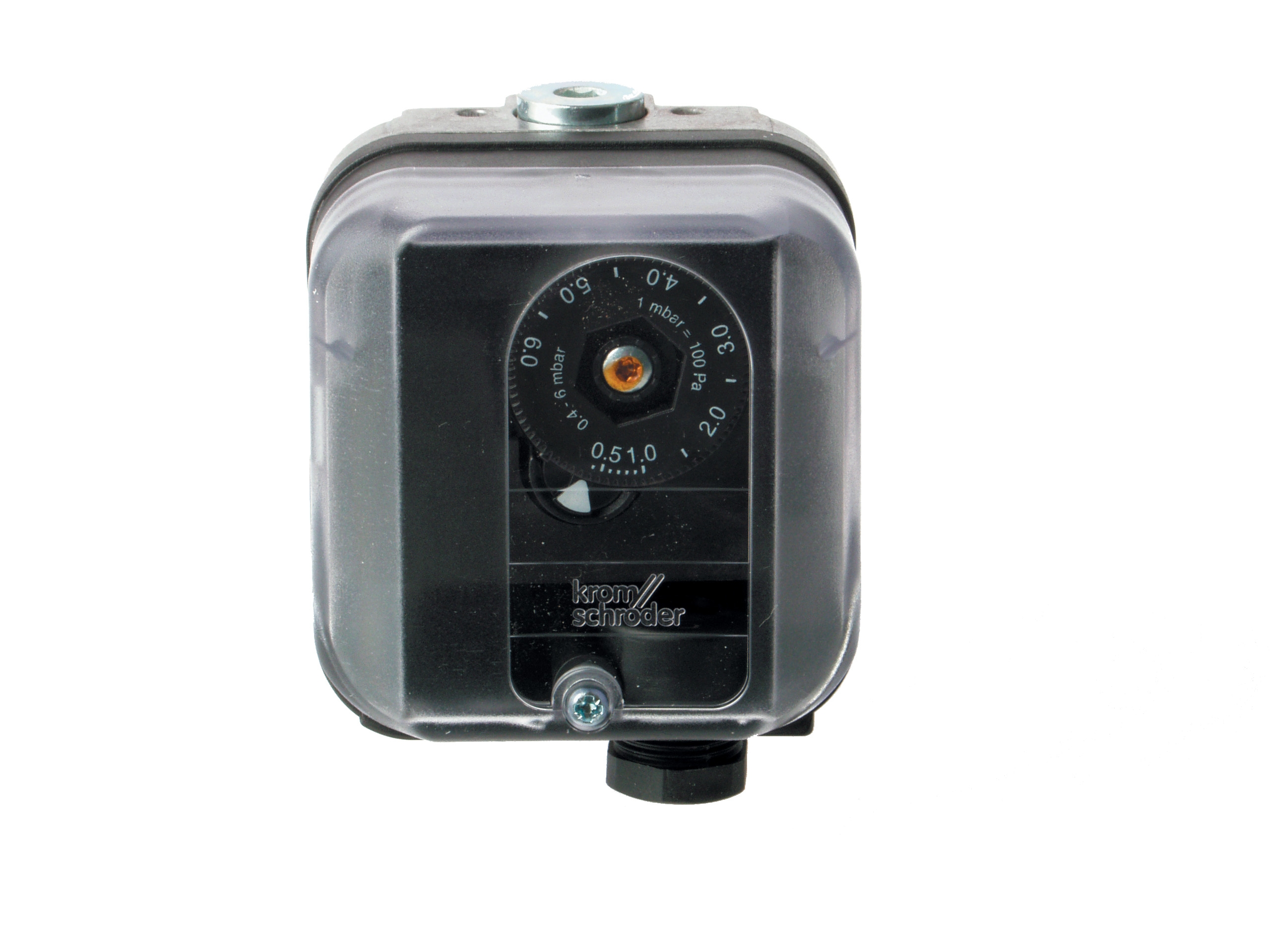
The Kromschroder Pressure switch DG 50U/6 KRO04206 demonstrates how multiple certification pathways strengthen market acceptability. This component holds SIL 3 (Safety Integrity Level 3) certification and Performance Level e certification, meeting EN 1854 specifications alongside FM, UL, AGA, and GOST-TR certifications. For procurement engineers, this multi-standard compliance means the same component can be installed in facilities with different regulatory requirements—Singapore's stricter requirements, Malaysia's developing framework, or facilities operating under international standards.
SIL ratings deserve special attention. SIL 3 represents the second-highest safety integrity level, suitable for critical safety functions in burner control applications. Procurement engineers should understand that SIL certification isn't merely a "nice to have" feature—it represents a quantifiable safety performance metric that regulators and insurance underwriters increasingly expect for industrial combustion systems.
National Regulatory Frameworks
Singapore's Economic Development Board (EDB) and Building and Construction Authority (BCA) maintain relatively stringent equipment standards aligned closely with international norms. Facilities in Singapore typically reference PAS (Publicly Available Specification) standards and require third-party inspection for critical safety components.
Thailand's electrical code and boiler safety regulations, administered through the Department of Industrial Works, differ notably from Singapore's framework. Similarly, Malaysia's Standards and Industrial Research Institute (SIRIM) certification represents a distinct compliance pathway that procurement engineers must navigate separately.
The practical implication: a Controls & Safety component approved for Singapore installation may require additional documentation or even design modifications for Thailand operations. Procurement engineers managing multi-country deployments should engage compliance specialists early to map out certification requirements by jurisdiction.
Flame Detection and Safety Monitoring Standards
The Siemens Relay LFL 1.622 REL15118 includes UV and ionization flame monitoring capabilities—a critical safety function requiring specific certification. Flame detection sits at the intersection of multiple standards:
- EN 203-1 (Safety of Oil Burners)
- EN 419 (Safety of Gas Burners)
- IEC 61508 (Functional Safety of Electrical/Electronic/Programmable Electronic Safety-Related Systems)
These standards define flame detection response times, false-signal rejection criteria, and failure-mode safety requirements. A procurement engineer selecting flame monitoring components must verify that the selected equipment meets the flame detection standards applicable in their jurisdiction, as requirements vary significantly across Southeast Asia.
Practical Compliance Implementation for Procurement Engineers
Documentation and Certification Verification
Before specifying any Controls & Safety component, establish a compliance verification protocol:
Step 1: Identify Applicable Standards
- Determine whether your facility operates under mandatory national standards, voluntary international standards, or both
- Document any industry-specific requirements (petrochemical, power generation, district heating, etc.)
- Identify insurance and liability considerations that may impose additional standards
Distributors and manufacturers should provide complete certification packages including:
- Valid test certificates from recognized bodies (TÜV, Lloyd's, FM Global, etc.)
- Conformity declarations for EU directives and equivalent standards
- Performance test reports demonstrating SIL/Performance Level compliance
- Material safety data and electromagnetic compatibility (EMC) documentation
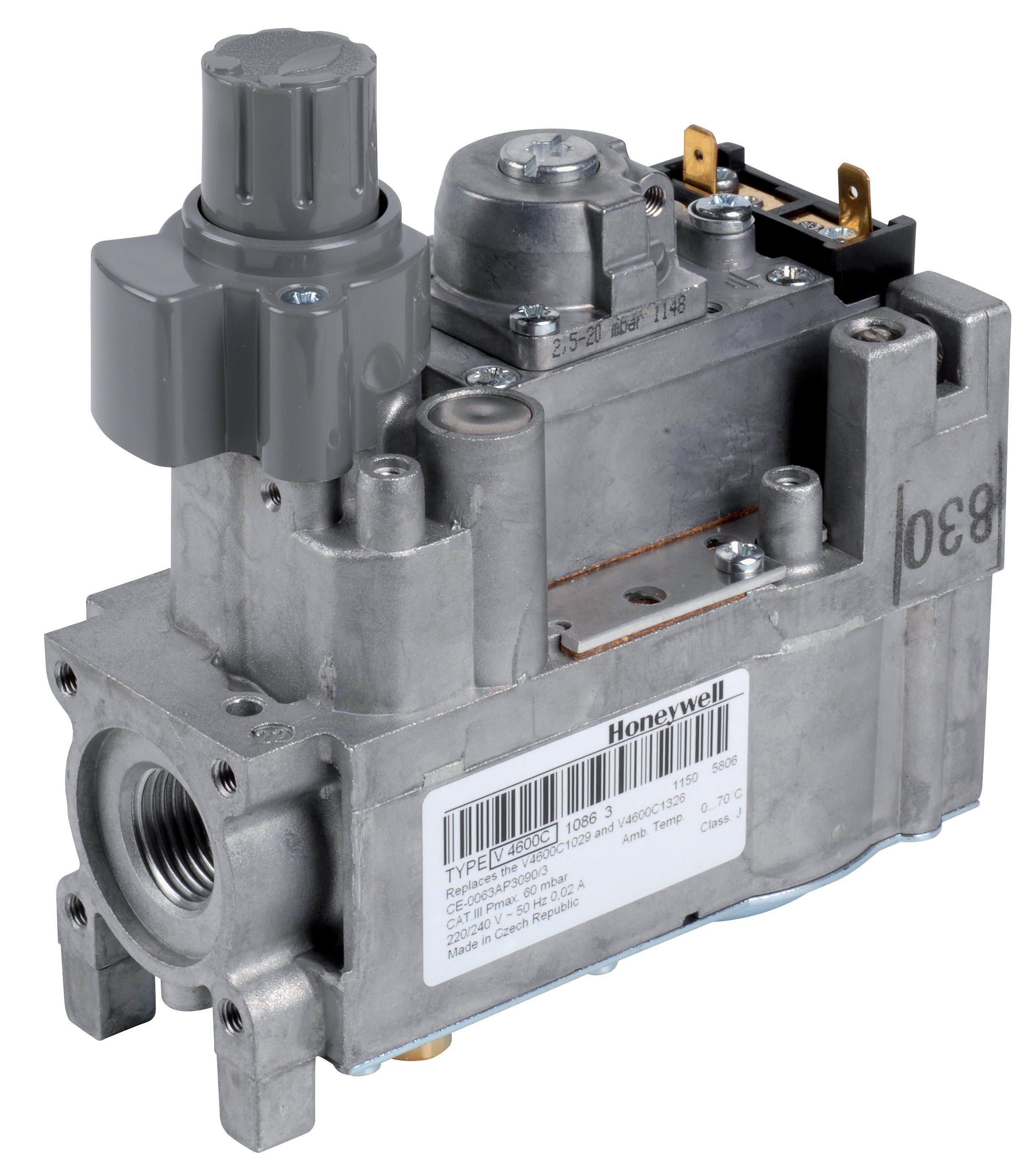
The Honeywell Gas block VK 4105 C 1041 U BLO05363 represents a component requiring thorough documentation review. As an electric modulating pressure regulator, it must demonstrate compliance with PED (Pressure Equipment Directive) requirements where applicable, along with electrical safety standards. Procurement engineers should request not just a certificate of compliance, but detailed technical documentation showing how the component meets specific safety-critical functions.
Step 3: Conduct Regulatory Impact Assessment
Before finalizing procurement, engage your facility's engineering team and regulatory affairs department to assess:
- Whether certifications held by proposed components meet local regulatory expectations
- Whether any certifications are missing or need supplementation
- Whether installation and commissioning procedures differ based on regulatory requirements
- Whether insurance underwriters or third-party inspectors have additional requirements
Component Selection Based on Compliance Profile
Procurement decisions should prioritize compliance alignment over cost minimization. The Pactrol Housing P 16 DI CE PAC40034 illustrates this principle. As a flame control module with specific electrical specifications (230V supply, 12 kV output voltage, 10MJ output energy), this component requires certification verification against:
- Electrical safety standards (IEC 61010 or equivalent)
- Electromagnetic compatibility directives
- Ignition system standards specific to burner type
- Regional electrical code variations
A procurement engineer selecting this component must verify that the 230V supply specification aligns with local electrical standards. While 230V represents a common industrial standard, voltage tolerance and harmonic distortion requirements may vary by country, affecting installation feasibility.
Multi-Country Deployment Strategies
Facilities operating across multiple Southeast Asian countries face the challenge of maintaining standardized Controls & Safety systems while meeting diverse regulatory requirements. Effective procurement strategies include:
Standardization with Flexibility: Select components with multiple certifications (like the Kromschroder DG 50U/6) that meet requirements across your operating region, then address jurisdiction-specific requirements through installation and commissioning procedures rather than component replacement.
Local Compliance Partnerships: Engage local distributors and compliance specialists in each country early in the procurement process. 3G Electric's regional presence enables procurement engineers to access jurisdiction-specific expertise alongside standardized component sourcing.
Documentation Localization: Prepare installation, maintenance, and operating procedures that address country-specific requirements. A control system that functions identically may require different commissioning procedures, maintenance intervals, or safety interlocks based on local regulations.
Risk Management and Compliance Assurance
Common Compliance Pitfalls
Procurement engineers should recognize common compliance mistakes:
Overreliance on CE Marking: While CE marking indicates European Union compliance, it doesn't guarantee acceptability in Southeast Asian jurisdictions. CE-marked components must undergo additional assessment for local code compliance.
Assuming Standard Equivalence: EN 746-2 and other European standards may align closely with Southeast Asian expectations, but "alignment" doesn't mean official equivalence. Each jurisdiction maintains distinct regulatory authority.
Neglecting Installation Variables: A component may be certified compliant, but incorrect installation configuration can violate local codes. Commissioning procedures must reflect both component capabilities and regulatory requirements.
Insufficient Documentation Retention: Maintain complete documentation packages throughout equipment lifecycle. Regulatory audits, insurance reviews, and maintenance troubleshooting all depend on certified documentation availability.
Compliance Monitoring and Update Management
Regulatory standards evolve continuously. Procurement engineers should:
- Subscribe to regulatory update services for jurisdictions where your facility operates
- Establish relationships with local compliance bodies that can alert you to upcoming standard changes
- Review component certifications during maintenance cycles to identify necessary upgrades
- Plan for potential retrofit requirements as standards tighten
With 35 years serving the industrial equipment distribution sector across multiple regions, 3G Electric recognizes that today's compliant system may require updates as standards evolve. Establishing procurement practices that incorporate compliance monitoring from the outset prevents costly surprises during equipment lifecycle.
Summary: Strategic Compliance in Controls & Safety Procurement
Navigating Controls & Safety regulations across Southeast Asia requires moving beyond simple component selection to strategic compliance planning. Procurement engineers must understand the certification landscape in each jurisdiction, select components with appropriate multi-standard compliance profiles, verify documentation thoroughly, and establish ongoing compliance monitoring.
The components discussed—the Kromschroder Relay BCU 570WC1F1U0K1-E, Pressure switch DG 50U/6, Siemens Relay LFL 1.622, Honeywell Gas block VK 4105 C 1041 U, and Pactrol Housing P 16 DI CE—represent examples of equipment offering multiple certification pathways suited to Southeast Asian operations. However, final component selection must consider your specific jurisdictional requirements, facility risk profile, and long-term operational strategy.
By implementing the compliance verification protocols, documentation practices, and risk management strategies outlined in this guide, procurement engineers can confidently specify Controls & Safety systems that meet both regulatory requirements and operational reliability standards across the diverse Southeast Asian market.