Understanding Controls & Safety in Singapore HVAC Systems
Controls & Safety systems form the backbone of reliable burner operation, especially in Singapore's high-humidity, demanding environment. Unlike cooler climates, Singapore's tropical conditions accelerate component degradation, making proper selection and maintenance critical. Over 35 years as an equipment distributor, 3G Electric has seen countless premature failures traced to mismatched controls and safety components.
When contractors specify ignition relays and flame monitoring systems, they're not just selecting individual components—they're choosing the safety architecture that protects equipment investment and operational continuity. The decision between direct ignition, intermittent pilot ignition, and continuous pilot systems affects energy efficiency, response time, and long-term maintenance costs.
Direct Ignition vs. Pilot-Based Systems: Practical Selection Guide
Direct ignition systems eliminate the continuous pilot light entirely, reducing energy consumption and fuel costs. The Kromschroder Relay BCU 570WC1F1U0K1-E exemplifies this approach, supporting both direct ignition and intermittent/continuous pilot modes. This flexibility allows contractors to retrofit existing systems or optimize new installations based on specific operational requirements.
When to choose direct ignition:
- High-cycle applications where pilot flame consumption adds significant operating costs
- New construction projects where burner selection isn't constrained by existing infrastructure
- Systems requiring rapid response times (typically 2-4 seconds ignition confirmation)
- Applications in facilities with strict energy efficiency mandates
- Legacy equipment upgrades where pilot-based systems are already established
- Industrial applications requiring proven, time-tested reliability
- Facilities with maintenance staff unfamiliar with direct ignition diagnostics
- Systems operating in environments with frequent power interruptions
The Siemens Relay LFL 1.622 brings a different approach, specifically designed for medium to high-power burners with integrated UV and ionization flame monitoring. UV detection responds faster to flame presence but performs poorly in high-ambient light environments. Ionization detection (the proven workhorse in Singapore's industrial sector) responds to ion current in the flame, operating reliably regardless of ambient light—a crucial advantage in facilities with large windows or continuous daylight exposure.
Contractors often overlook this detail. Installing a UV-based system in a facility with significant ambient light creates unnecessary nuisance lockouts and service callbacks. 3G Electric's 35+ years experience has repeatedly validated that ionization-based systems require fewer maintenance interventions in Singapore's industrial settings.
Pressure Monitoring and Safety Interlock Strategy
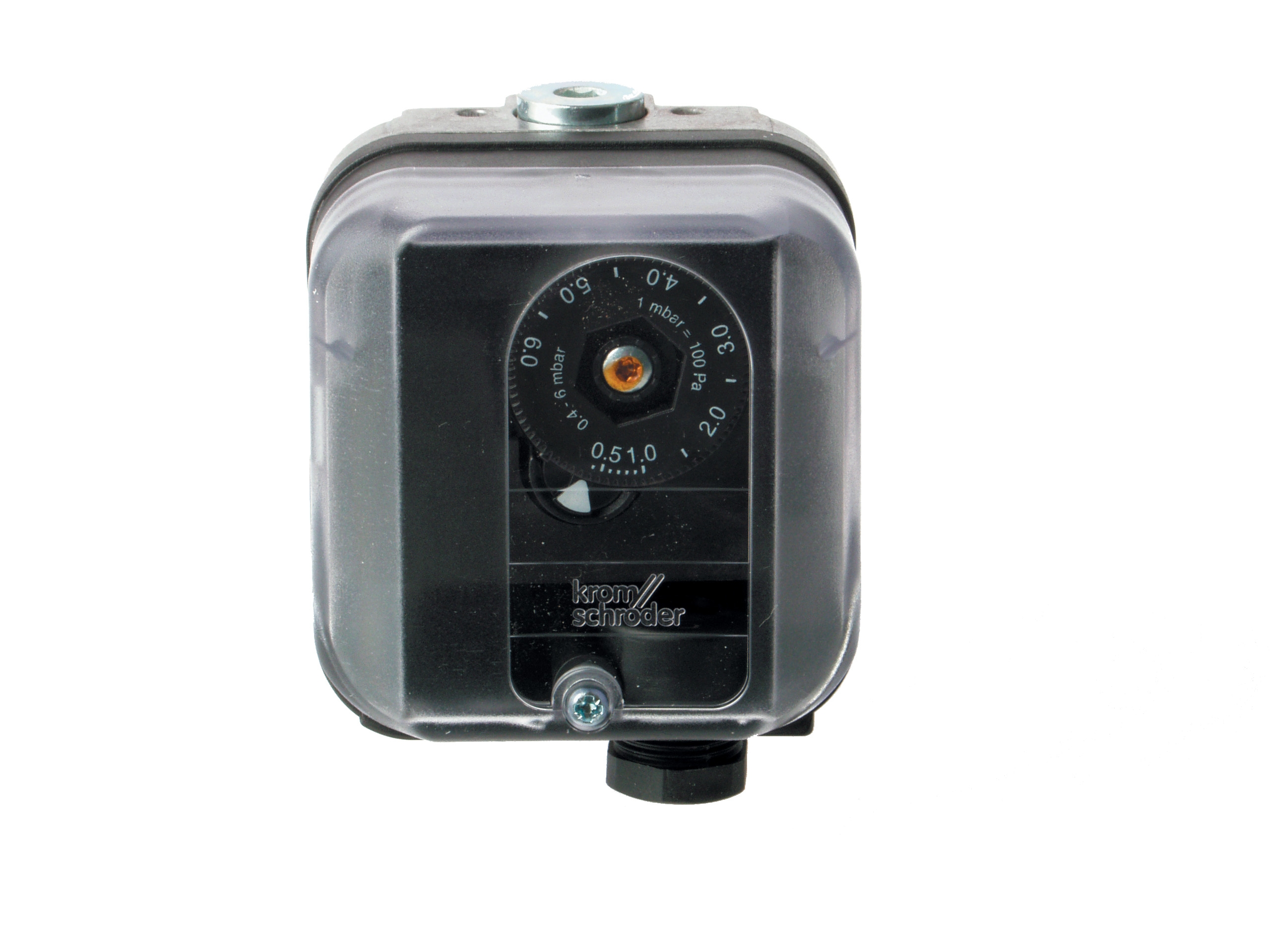
Every direct ignition or pilot-based system requires pressure verification to confirm fuel delivery before ignition attempt. This is where pressure switches become non-negotiable safety components. The Kromschroder Pressure Switch DG 50U/6 delivers SIL 3 rated protection with international certification (EN 1854, FM, UL, AGA, GOST-TR)—meeting Singapore's industrial equipment standards.
Practical pressure monitoring scenarios:
Scenario 1: Gas Burner Installation
Install the DG 50U/6 at the gas manifold inlet to confirm pressure exceeds 10 mbar before allowing ignition relay energization. This single component prevents thousands of failed ignition attempts and protects burner heads from uncontrolled gas discharge. In tropical climates, humidity ingress into gas lines occasionally creates low-pressure conditions—the pressure switch prevents burner damage during these transient events.
Scenario 2: Dual-Fuel System with Changeover
When specifying pressure switches for dual-fuel systems, size them for the lowest expected fuel pressure across both fuel types. The DG 50U/6's adjustable setpoint range accommodates both gas (typically 10-20 mbar) and light oil (typically 4-6 bar) with a single component purchase, reducing spare parts inventory.
Scenario 3: Remote Monitoring and Diagnostics
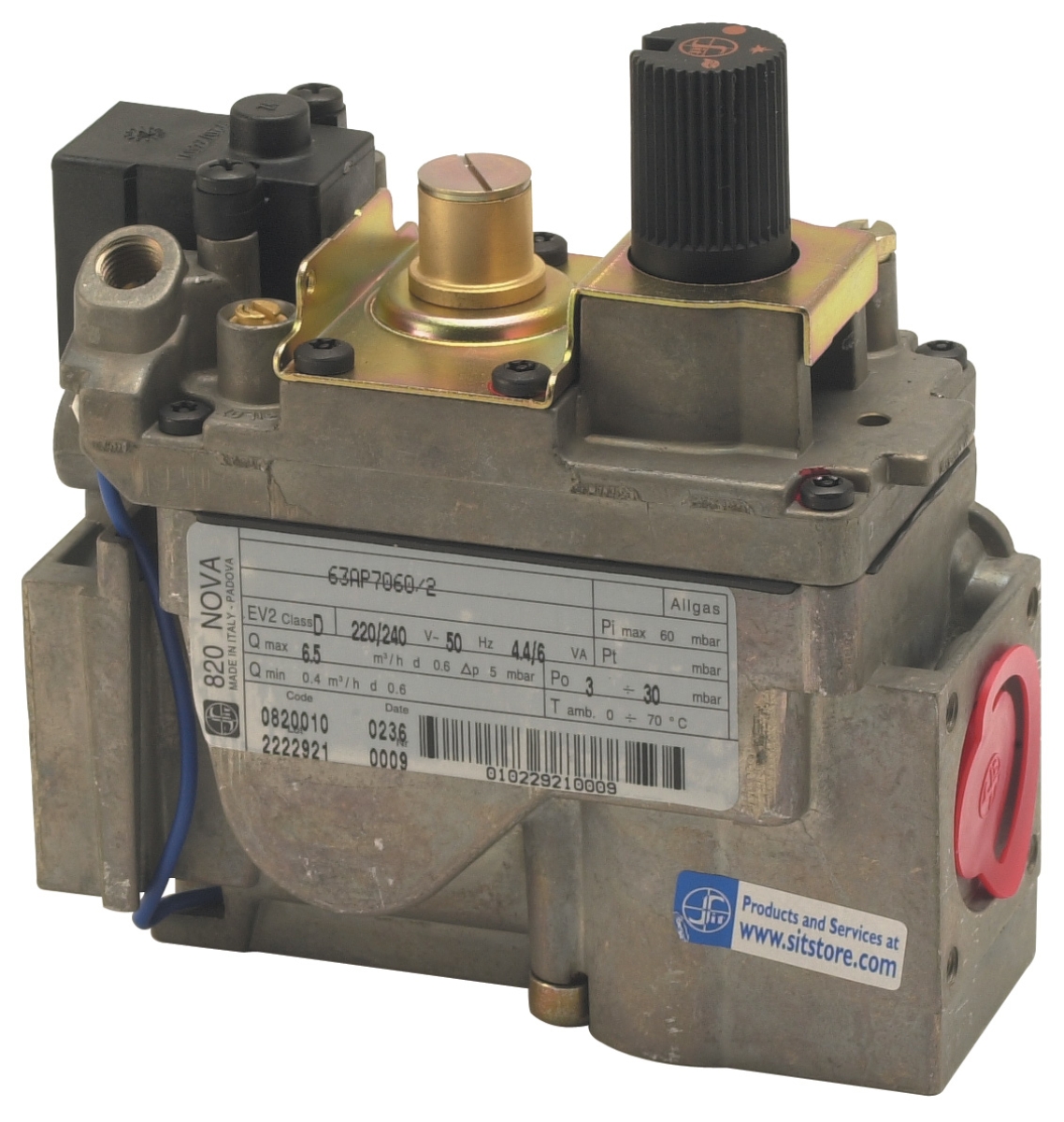
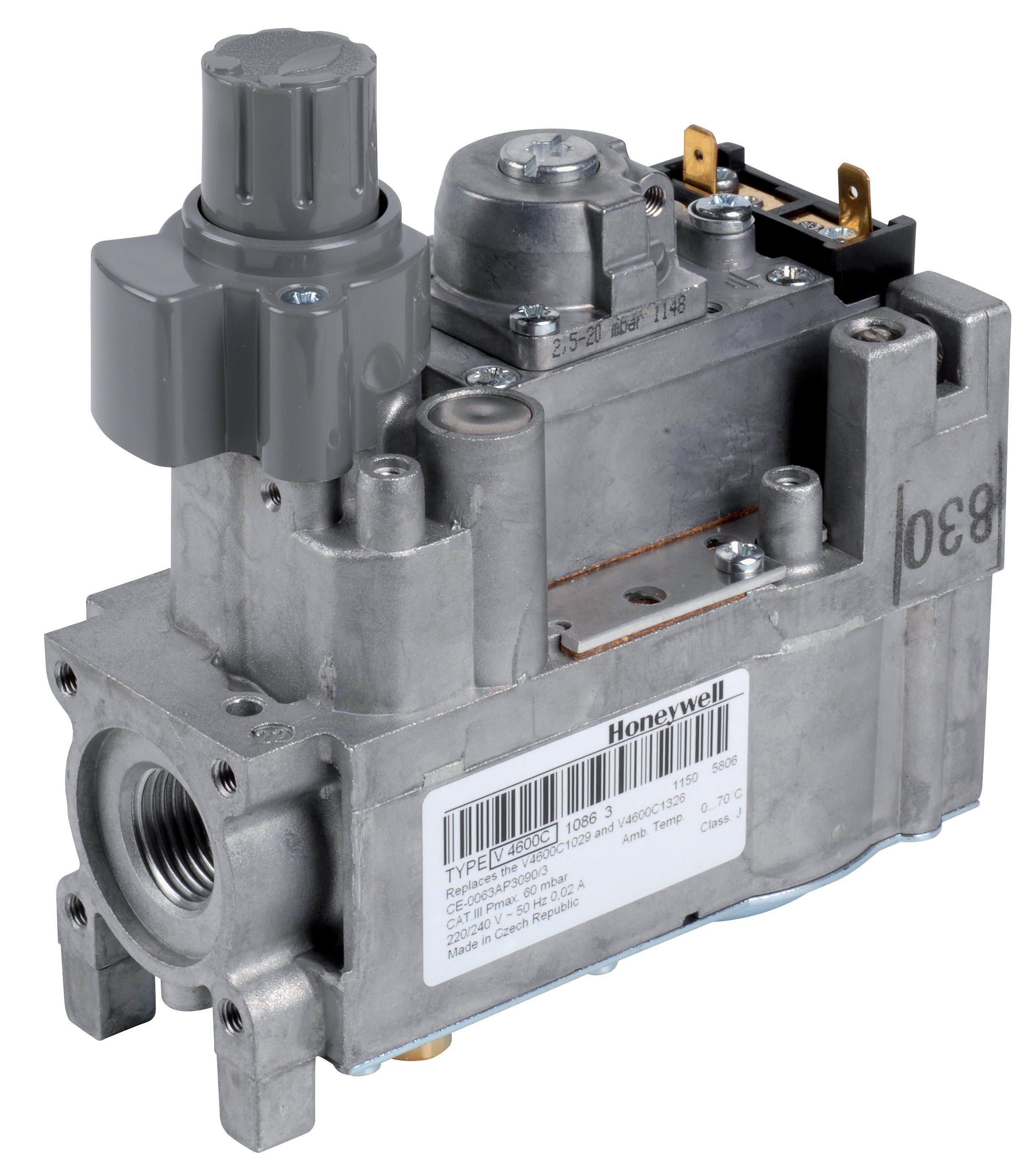
Many modern Honeywell Gas Block VK 4105 C 1041 U installations include integrated pressure feedback via the M5 threading, enabling real-time pressure monitoring at the BMS (Building Management System) level. This facilitates predictive maintenance—contractors can detect gradual pressure drift weeks before the pressure switch opens, allowing scheduled maintenance instead of emergency callouts.
Ignition Energy and Flame Detection Module Selection
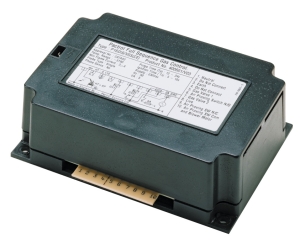
The Pactrol Housing P 16 DI CE represents the ignition energy delivery component—a critical, often-misunderstood element of burner Controls & Safety architecture. Operating at 230V supply (standard in Singapore), it produces 12 kV output at 10MJ energy, sufficient for reliable ignition of gas or oil burners across ambient temperatures from tropical heat to air-conditioned spaces.
Contractors frequently ask: "Why do we need 10MJ ignition energy when the burner clearly ignites at lower levels?" The answer lies in margin-of-safety and operational consistency. Manufacturing tolerances, fuel quality variation, and electrode gap drift necessitate excess ignition energy. A system designed with minimal margin (5MJ) may ignite reliably at 77°F but struggle at 95°F (common ambient in Singapore), or fail entirely after electrode erosion over 2,000 operating hours.
Practical ignition module deployment:
- New installations: Specify full 10MJ modules. The modest cost premium ($250-400 USD) prevents future callbacks and establishes reliability expectations.
- Retrofit projects: Evaluate existing electrode condition before downrating energy levels. If electrodes show erosion or carbon buildup, maintain full-power specifications.
- Tropical deployment: Always install modules rated for continuous operation to 60°C ambient. Singapore's ceiling-mounted equipment regularly experiences 55-62°C temperatures in non-air-conditioned mechanical rooms.
Pairing the Pactrol ignition module with compatible flame detection creates the complete safety loop. The Kromschroder BCU 570WC1F1U0K1-E relay accepts signal from ionization or UV sensors, confirming flame presence within 200-400 milliseconds. If flame isn't established within the designated flame-establishing period (typically 3-5 seconds), the relay locks out the ignition system and signals alarm.
Integration Architecture: Building Your Controls & Safety Specification
Selecting individual components is straightforward; integrating them into a coherent, maintainable system requires systems thinking. Consider this practical specification framework:
Step 1: Burner Type and Power Rating
Determine if you're controlling gas, oil, or dual-fuel; identify power rating (typically 50-300 kW for Singapore industrial applications). This determines pressure switch setpoint and ignition energy requirements.
Step 2: Flame Detection Technology
Evaluate ambient light environment. UV detection for clean facilities; ionization for high-ambient-light conditions or dusty environments. The LFL 1.622 excels in mixed-fuel applications where ionization provides consistent performance across fuel types.
Step 3: Pressure Monitoring Strategy
DG 50U/6 at fuel inlet confirms safe delivery before ignition attempt. Add secondary monitoring at the burner manifold if system designer requires redundancy (common in SIL 2/3 applications).
Step 4: Control Relay and Modulation
If the system requires fuel flow adjustment (rather than simple on/off operation), integrate the VK 4105 C 1041 U gas block for proportional control. This component modulates pilot pressure based on BMS demand signals, enabling smooth burner load matching and reduced cycling losses.
Step 5: Ignition Energy and Timeout
Specify PAC40034 ignition modules with adequate safety margin. Configure relay lockout at 5-6 seconds—sufficient for reliable ignition but brief enough to prevent dangerous fuel accumulation.
Maintenance and Troubleshooting: Singapore-Specific Considerations
Singapore's humidity creates unique maintenance challenges. Control components mounted in unair-conditioned spaces experience condensation during early mornings and during tropical downpours. 3G Electric recommends:
Monthly checks:
- Inspect relay terminals and connectors for green oxidation (corrosion)
- Clean electrode tips with fine sandpaper if visible carbon buildup is visible
- Confirm pressure switch opening/closing with visual fuel flow observation
- Replace ignition electrodes on 24-month intervals (sooner in coastal facilities with salt-air exposure)
- Test flame signal with a flame supervision meter to confirm detector sensitivity
- Verify relay response time using manufacturer testing equipment or factory-authorized service centers
- Replace all gaskets and seals in gas block components
- Recalibrate pressure switches against certified standards
- Complete control wiring continuity testing to prevent false lockouts
When troubleshooting lockouts, many contractors test the ignition system in isolation. This approach misses pressure-related failures. Always verify fuel pressure first, then test flame detection, then evaluate ignition energy. The sequence matters because 70% of nuisance lockouts result from insufficient pressure—a component failure that shows no symptoms until flame supervision kicks in.
Selecting Components: A Practical Decision Matrix
| Application | Ignition Type | Flame Detection | Pressure Switch | Modulation |
|---|---|---|---|---|
| New gas burner (50-100 kW) | BCU 570WC1F1U0K1-E (direct) | Ionization (LFL 1.622) | DG 50U/6 | Manual (on/off) |
| Legacy oil burner retrofit | BCU 570WC1F1U0K1-E (intermittent pilot) | Ionization (LFL 1.622) | DG 50U/6 | Manual |
| Dual-fuel industrial (150+ kW) | LFL 1.622 with changeover | UV + Ionization | DG 50U/6 (gas + oil settings) | VK 4105 (proportional) |
| High-cycle boiler (1000+ starts/year) | BCU 570WC1F1U0K1-E (direct) | Ionization (LFL 1.622) | DG 50U/6 | VK 4105 (load matching) |
| Coastal facility (salt corrosion risk) | LFL 1.622 (proven reliability) | Ionization | DG 50U/6 (stainless housing) | VK 4105 (corrosion-resistant) |
Conclusion: Making the Right Choice for Your Singapore Operations
Controls & Safety component selection requires balancing capital cost, operating efficiency, maintenance burden, and climate resilience. Singapore's tropical environment and high equipment utilization rates demand conservative specifications—oversizing safety margins prevents costly emergency service calls and protects burner investments.
3G Electric's 35+ years as a distributor have taught us that the cheapest control relay rarely delivers the lowest total cost of ownership. Contractors who invest in proven, well-supported components (like the Kromschroder, Siemens, Honeywell, and Pactrol solutions outlined here) experience fewer callbacks and deliver superior value to end-customers.
When specifying your next burner system, request detailed technical datasheets, confirm compatibility with your existing equipment, and don't hesitate to consult with 3G Electric's team. We've helped thousands of Singapore contractors optimize their specifications—and we're ready to support your next project.