Understanding the Standardization vs. Integration Decision
Plant managers overseeing burner systems in Singapore's demanding industrial environment face a fundamental architectural choice when specifying Controls & Safety components. The decision between standardized, interchangeable relay and pressure switch configurations versus fully integrated gas control blocks directly impacts your facility's operational flexibility, maintenance complexity, spare parts inventory, and long-term cost structure.
This distinction has become increasingly critical as Singapore's manufacturing sector emphasizes continuous production schedules and rapid troubleshooting capabilities. A breakdown in your Controls & Safety system can cascade across entire production lines within minutes. Your selection between component-based and integrated architectures will determine how quickly your technicians can diagnose failures, source replacements, and restore service.
Standardized Relay and Pressure Switch Systems: Modularity and Flexibility
Component-Based Architecture Benefits
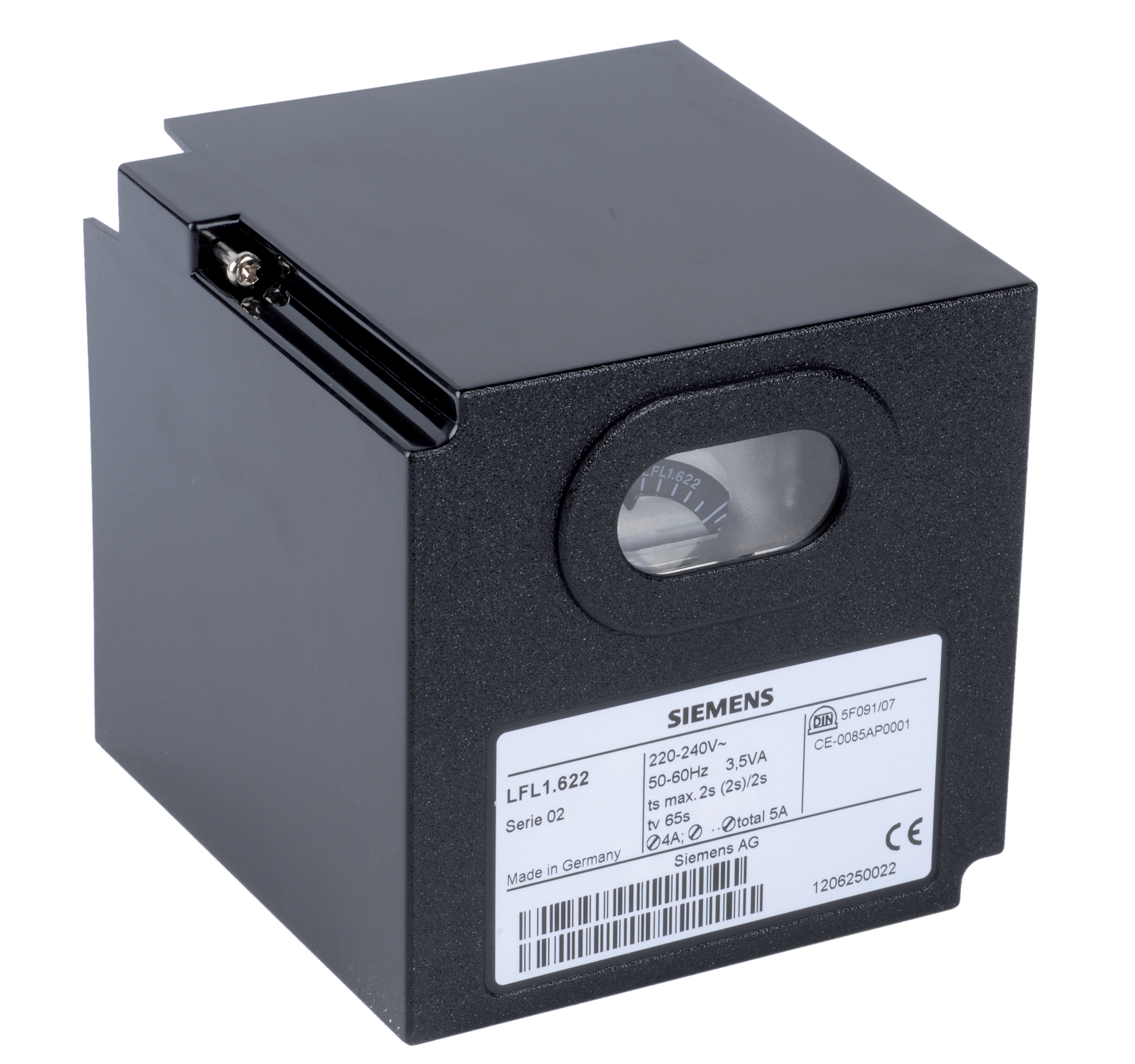
Standardized Controls & Safety systems built around discrete relays and pressure switches offer significant operational advantages for multi-burner facilities. The Kromschroder BCU 570WC1F1U0K1-E and Siemens LFL 1.622 represent this modular approach—each component handles specific control functions (ignition sequencing, flame monitoring, air damper modulation) independently.
For plant managers, this modularity translates directly into:
- Spare Parts Optimization: A single Kromschroder relay or Siemens safety control can serve multiple burner applications across your facility. Rather than stocking application-specific integrated blocks, you maintain inventory of universally compatible components.
- Troubleshooting Speed: Your technicians isolate failures to specific functional elements. A flame monitoring failure doesn't require replacement of the entire control block—only the relay unit handling ionization or UV detection needs substitution.
- Upgrade Pathways: As burner systems age, you can selectively upgrade individual relay components without replacing entire gas control architectures. This staged approach reduces capital expenditure in maintenance cycles.
- Cross-Vendor Compatibility: Standardized relays typically conform to EN 746-2 and EN 676 specifications, enabling you to source Brahma Relay CM 31 F TW10/TS5 units from your preferred vendor without system-wide redesign.
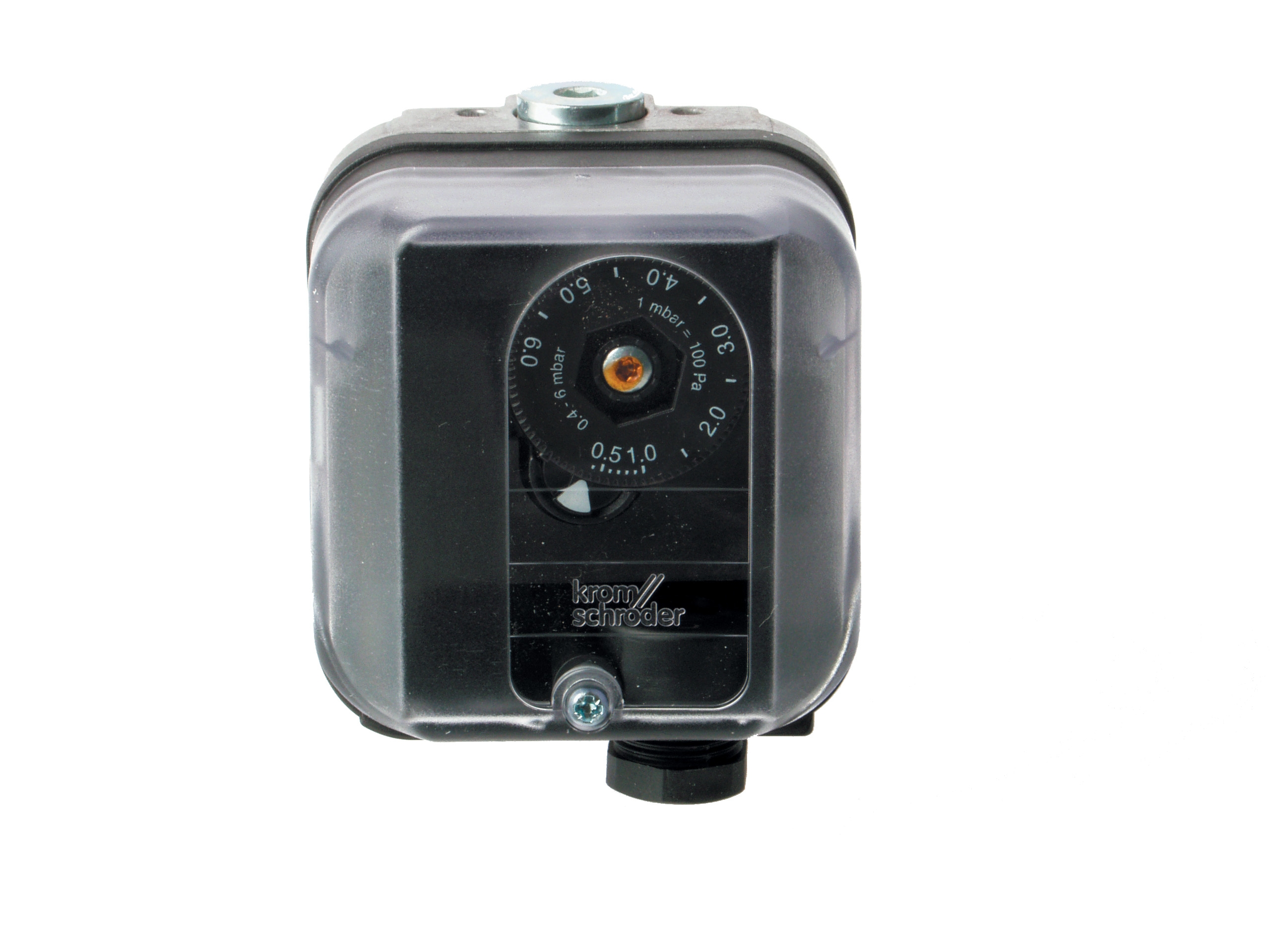
The Kromschroder Pressure Switch DG 50U/6 exemplifies this principle—its SIL 3 rating and multiple international certifications (FM, UL, AGA, GOST-TR) mean it integrates reliably with various relay systems regardless of original equipment manufacturer.
Trade-offs and Complexity Considerations
However, standardized systems require more sophisticated integration management. Your controls engineer must ensure proper relay sequencing, pressure switch set-points, and flame detection timing across multiple burners. If one facility operates both direct ignition and intermittent pilot burners, you need different relay configurations—the component flexibility demands technical coordination.
Wiring complexity increases with modular architectures. Each relay, pressure switch, and solenoid valve connection represents potential failure points. For a 10-burner installation, standardized systems might require 40-60 individual control connections versus 15-20 in an integrated system.
Spares inventory grows. While universal relays reduce total SKU count compared to application-specific blocks, you still maintain higher component stock than integrated facilities. 3G Electric's 35+ years supporting Southeast Asian operations shows plant managers typically maintain 2-3 spare relay units plus redundant pressure switches per critical burner.
Integrated Gas Control Blocks: Simplification and Consistency
All-in-One Functionality
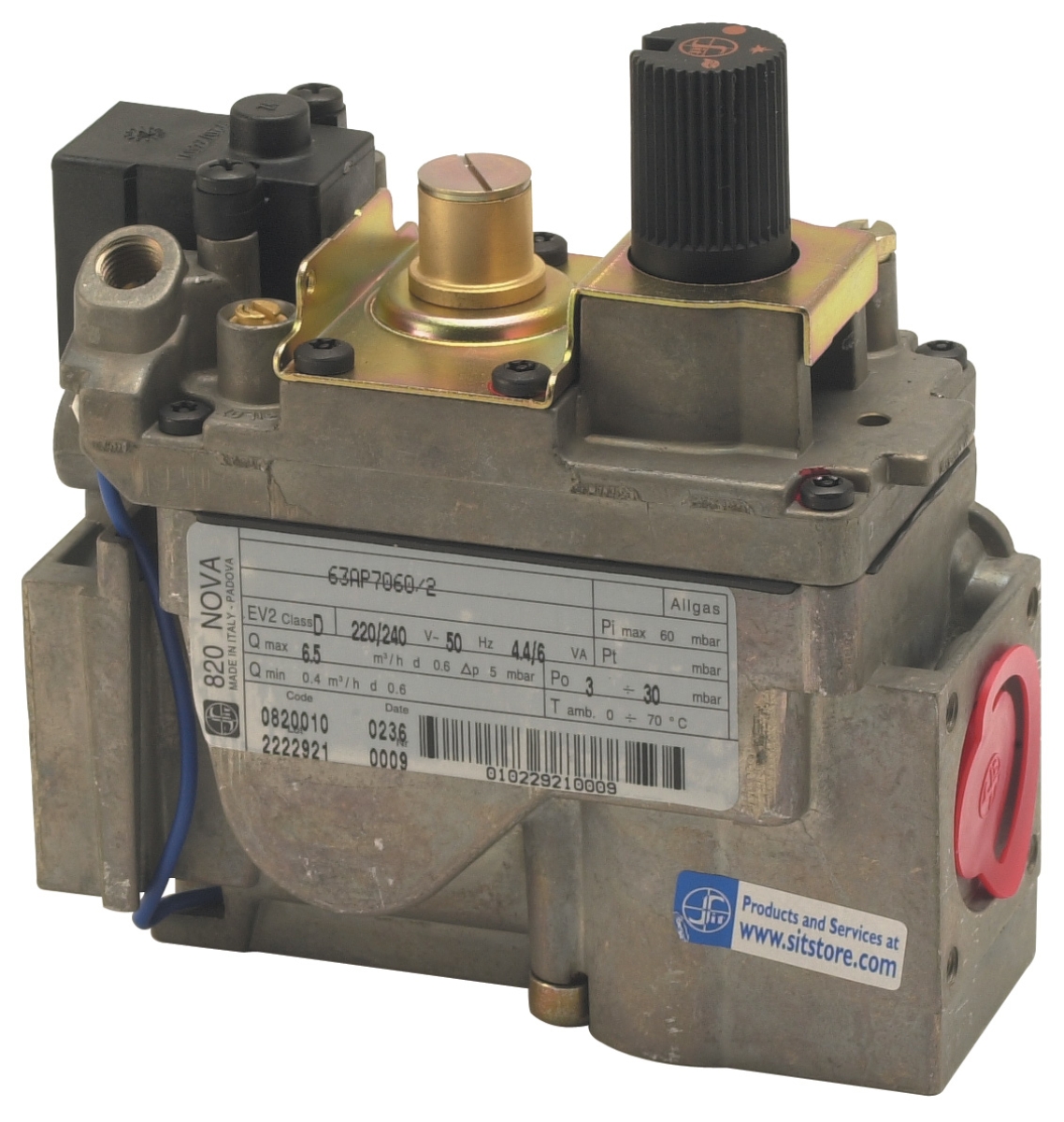
The Sit Minisit gas control block 0710218 represents the integrated Controls & Safety philosophy—thermoelectric flame supervision, pressure regulation, temperature control, and solenoid function consolidated into a single compact unit. For plant managers prioritizing operational simplicity, this architecture offers compelling advantages.
Integrated blocks deliver:
- Installation Simplicity: A single gas block connection (typically Rp 1/2" threaded entry) replaces multiple relay-to-valve interface points. For new burner commissioning or equipment replacement, integrated blocks reduce installation time by 30-40% compared to modular relay systems.
- Consistent Performance: Factory-calibrated thermoelectric flame supervision, pressure set-points, and temperature thresholds eliminate on-site adjustment variability. Every burner operates to identical safety parameters without technician interpretation.
- Compact Footprint: Integrated blocks occupy minimal control panel space—critical for Singapore facilities operating in space-constrained industrial zones. A Sit Minisit block fits where a Kromschroder relay plus pressure switch plus solenoid assembly would require substantially larger mounting area.
- Reduced Failure Modes: Fewer interconnections mean fewer potential leak points or electrical contact failures. A single integrated block either functions or requires complete replacement—no intermediate partial failure states that confuse diagnostics.
Integrated blocks initially appear cost-effective. A single Sit Minisit unit often costs less than purchasing equivalent modular relay + pressure switch + solenoid components separately. However, plant managers must account for lifecycle costs.
When an integrated block fails—whether flame supervision electronics, pressure regulation, or temperature control—the entire unit requires replacement. If the solenoid function fails in a Minisit block but the pressure regulator remains functional, you still discard both. Modular systems allow selective component replacement, potentially reducing failure-related downtime costs.
Repair capability differs substantially. Most integrated gas blocks cannot be field-serviced. A failed Sit Minisit block returns to manufacturer; a failed Kromschroder relay might be analyzed and restored by your local controls technician. For facilities in remote areas or during equipment shortages, repairability directly impacts production resumption time.
Practical Implementation Scenarios for Singapore Plant Managers
Scenario 1: High-Volume Identical Burner Facilities
If your operation runs 8-12 identical burners supporting a single production process (industrial stoves, catering equipment, or batch boilers), integrated gas control blocks like the Sit Minisit offer clear advantages. Installation consistency, reduced commissioning complexity, and simplified operator training justify the inflexibility trade-off. Spare blocks cost less than maintaining modular component inventory.
Scenario 2: Mixed Burner Configurations
Plants operating both direct ignition and pilot ignition systems, or combining gas and oil burners, benefit from standardized relay architectures. The Kromschroder BCU 570WC1F1U0K1-E supporting multiple ignition modes and the Siemens LFL 1.622 handling multi-fuel applications provide flexibility across diverse equipment. Modular selection allows tailored Controls & Safety specifications per burner type.
Scenario 3: Critical 24/7 Operations
Facilities requiring rapid restoration after equipment failure—pharmaceutical, food processing, or petrochemical operations—should prioritize standardized relay systems with extensive spare parts availability. The Pressure Switch DG 50U/6 and modular relay units from multiple vendors ensure you source replacements within hours, not days. Integrated block dependencies create unacceptable downtime risk.
Scenario 4: Legacy System Expansion
When retrofitting new burners into existing facilities, standardized relay systems accommodate integration with installed equipment. A new burner can adopt the same relay and pressure switch configuration as existing units, simplifying training and spare parts management. Integrated blocks force either wholesale system replacement or parallel control architecture management.
Selection Criteria and Implementation Framework
Evaluation Matrix for Plant Managers
When specifying Controls & Safety systems, assess these technical dimensions:
- Ignition Architecture: Direct ignition, intermittent pilot, or continuous pilot? Modular relays handle mixed ignition types more flexibly.
- Flame Monitoring: UV, ionization, or infrared detection? Integrated blocks typically offer single detection method; modular systems enable selective upgrade.
- Pressure Regulation: Fixed or modulating? How many pressure points? Integrated blocks sacrifice adjustment flexibility but ensure consistency.
- Thermoelectric Supervision: Essential for safety, standard in both architectures but implemented differently in integrated vs. modular systems.
- Facility Standardization: Do you have 3 identical burners or 12 different burner types? Identical = integrated; diverse = modular.
- Local Service Availability: Can your technicians diagnose relay failures, or do all failures require manufacturer returns? This determines repairability advantage of modular systems.
Over 35+ years supporting Southeast Asian industrial operations, 3G Electric has observed that successful plant managers typically implement hybrid approaches. Core production burners use integrated blocks for consistency and simplicity; secondary or research burners use modular relay systems for flexibility and rapid troubleshooting. This balanced strategy captures benefits of both architectures while limiting liability of either extreme.
Compliance and Risk Considerations for Singapore Operations
Both standardized and integrated Controls & Safety systems must meet Singapore's safety regulations and international standards. The components referenced—Kromschroder relays compliant with EN 746-2 and EN 676, Siemens units for dual-fuel applications, Sit blocks for thermoelectric supervision—all satisfy these requirements.
However, compliance strategy differs. Integrated blocks provide complete safety documentation as unified systems. Modular relay systems require your engineer to verify proper integration sequencing and interlock logic. Regulators reviewing your facility's Controls & Safety documentation expect either comprehensive integration certification or detailed engineering analysis of modular system interconnections.
For most Singapore plants, integrated blocks simplify compliance demonstration but modular systems provide superior flexibility for documented exception cases or specialized applications.
Conclusion: Aligning Architecture with Operational Reality
The Controls & Safety standardization decision fundamentally reflects your facility's operational philosophy. Organizations prioritizing installation simplicity, consistent performance, and minimal technical coordination favor integrated gas control blocks. Operations emphasizing flexibility, selective upgrades, and rapid troubleshooting benefit from standardized relay and pressure switch architectures.
Neither approach is universally superior—your facility's specific burner configurations, maintenance capabilities, production continuity requirements, and long-term expansion plans determine the optimal path. By understanding these technical and operational distinctions, plant managers can specify Controls & Safety systems that genuinely support production objectives rather than simply following equipment vendor recommendations.