Understanding Controls & Safety Through Failure Mode Analysis
Controls & Safety systems form the critical backbone of industrial operations, yet their importance is often underestimated until a failure occurs. With over 35 years of experience distributing industrial equipment across the Asia-Pacific region, 3G Electric has observed that most industrial failures stem not from component defects, but from inadequate failure mode planning. Failure Mode and Effects Analysis (FMEA) is a systematic approach that identifies what could go wrong, why it might happen, and what consequences it carries.
In Singapore's regulated industrial environment, where workplace safety standards are rigorous and equipment reliability demands are high, understanding how your controls & safety architecture can fail is essential. Unlike reactive maintenance approaches, FMEA encourages proactive design thinking. When you analyze your flame detection system, pressure switches, and thermostat controls together as an integrated system, you identify critical dependencies and single points of failure that could compromise the entire operation.
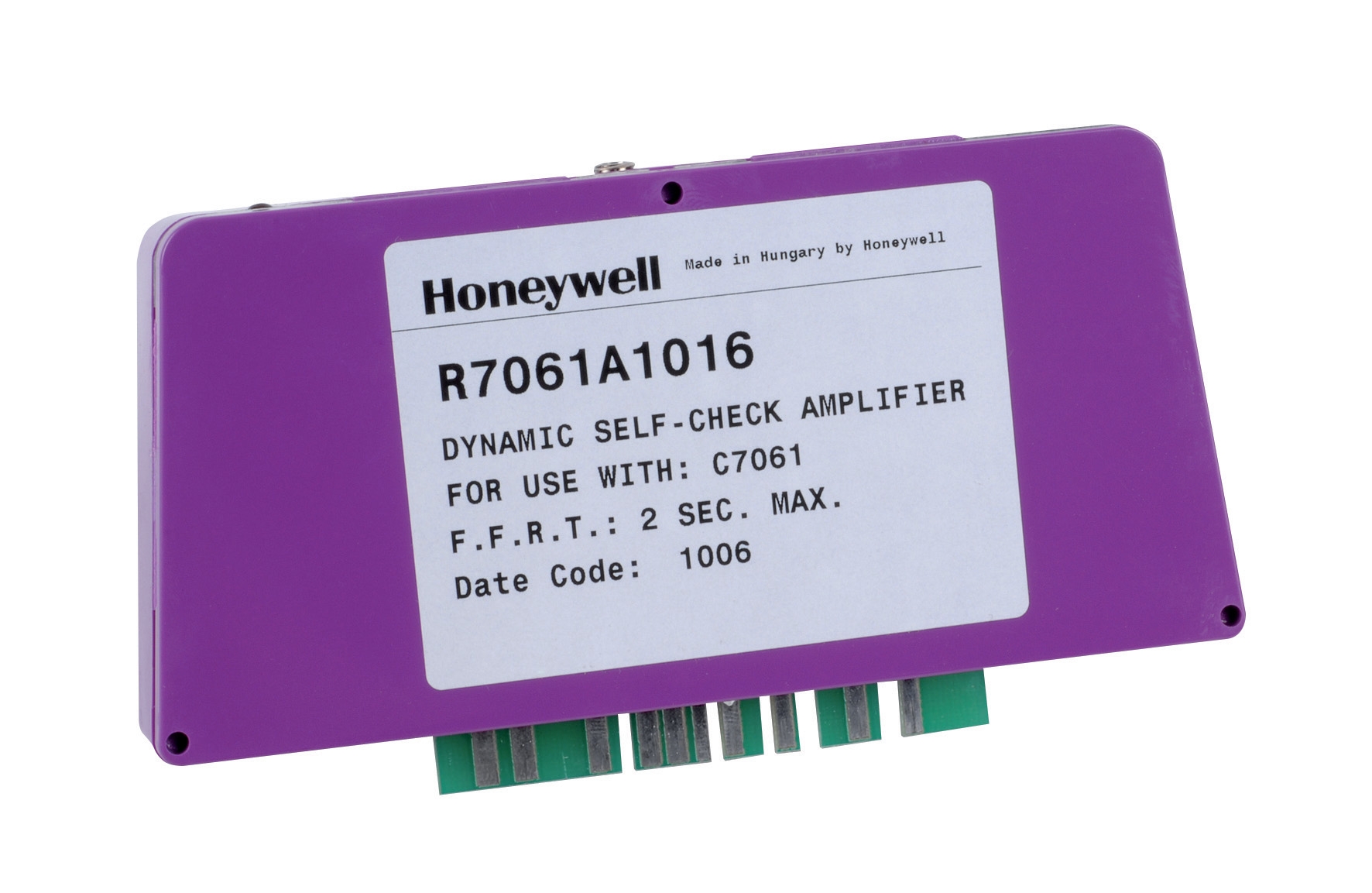
The foundation of effective failure mode analysis begins with component-level understanding. Consider your flame detection chain: the ultraviolet flame detector like the Honeywell Cell C 7044 A 1006 senses the flame, transmits a signal to the Honeywell R7861 A 1026 amplifier, which validates and amplifies that signal before instructing your control module to proceed. Each interface represents a potential failure point. A degraded detector lens, amplifier calibration drift, or signal integrity loss could prevent valid flame detection or, conversely, cause false positives.
Designing Emergency Shutdown Hierarchies
Emergency shutdown (ESD) design represents the most critical aspect of Controls & Safety system architecture. Unlike normal operational control, which optimizes for efficiency and performance, emergency shutdown must prioritize absolute safety regardless of system state. Singapore's Pressure Equipment Directive and Process Safety Management regulations mandate documented shutdown procedures, making this not merely a technical consideration but a compliance requirement.
A properly designed emergency shutdown system operates across three distinct levels. Level 1 comprises the primary safety instrumented systems (SIS) that automatically interrupt fuel supply and ignition when unsafe conditions are detected. This is where your Pactrol CSS01 12 housing control module plays a vital role—it integrates timed relay, flame relay, and electronic spark generator functions, ensuring coordinated response to detected anomalies. If flame is lost during operation, this module must reliably interrupt fuel flow within defined timeframes.
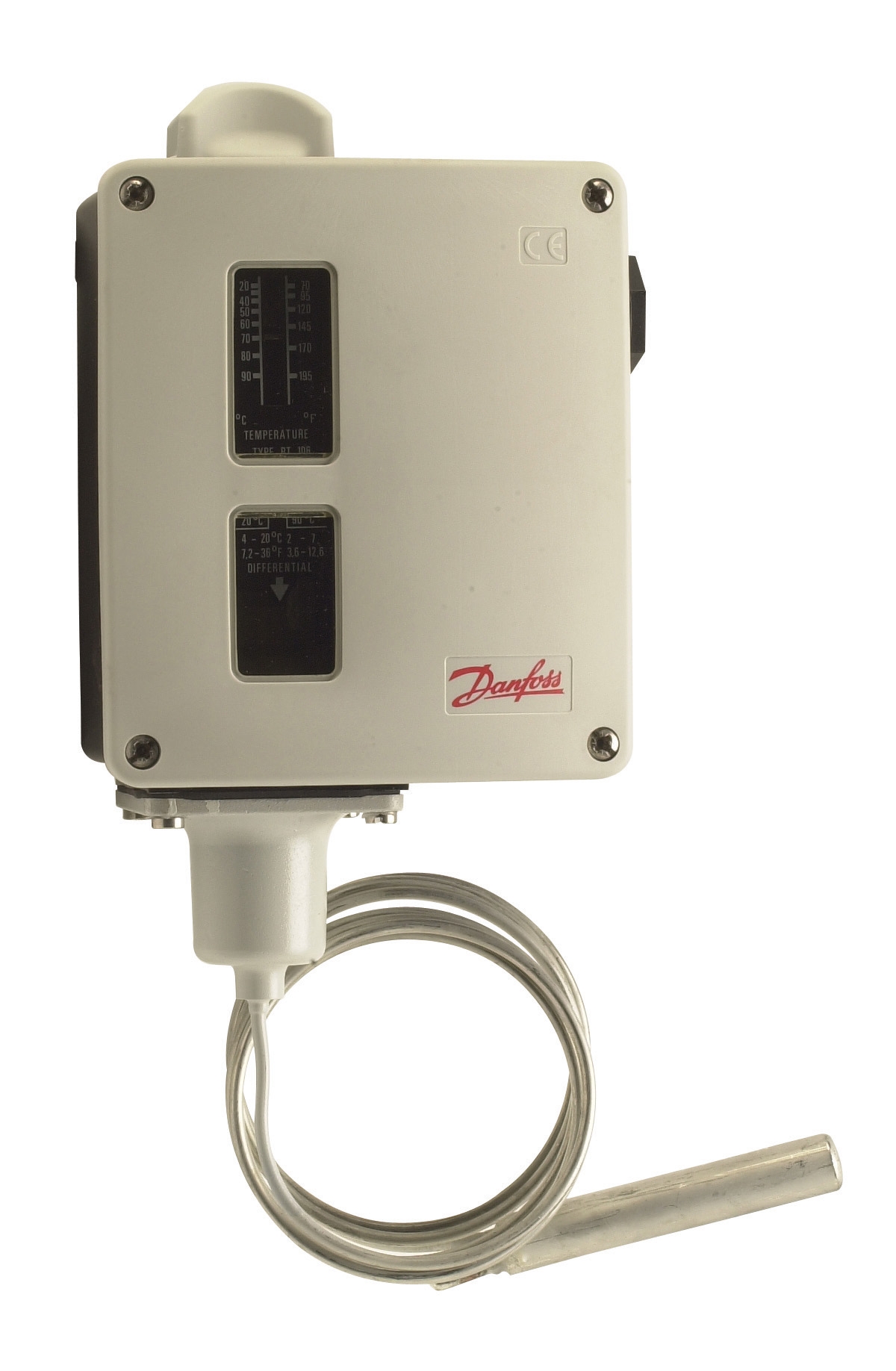
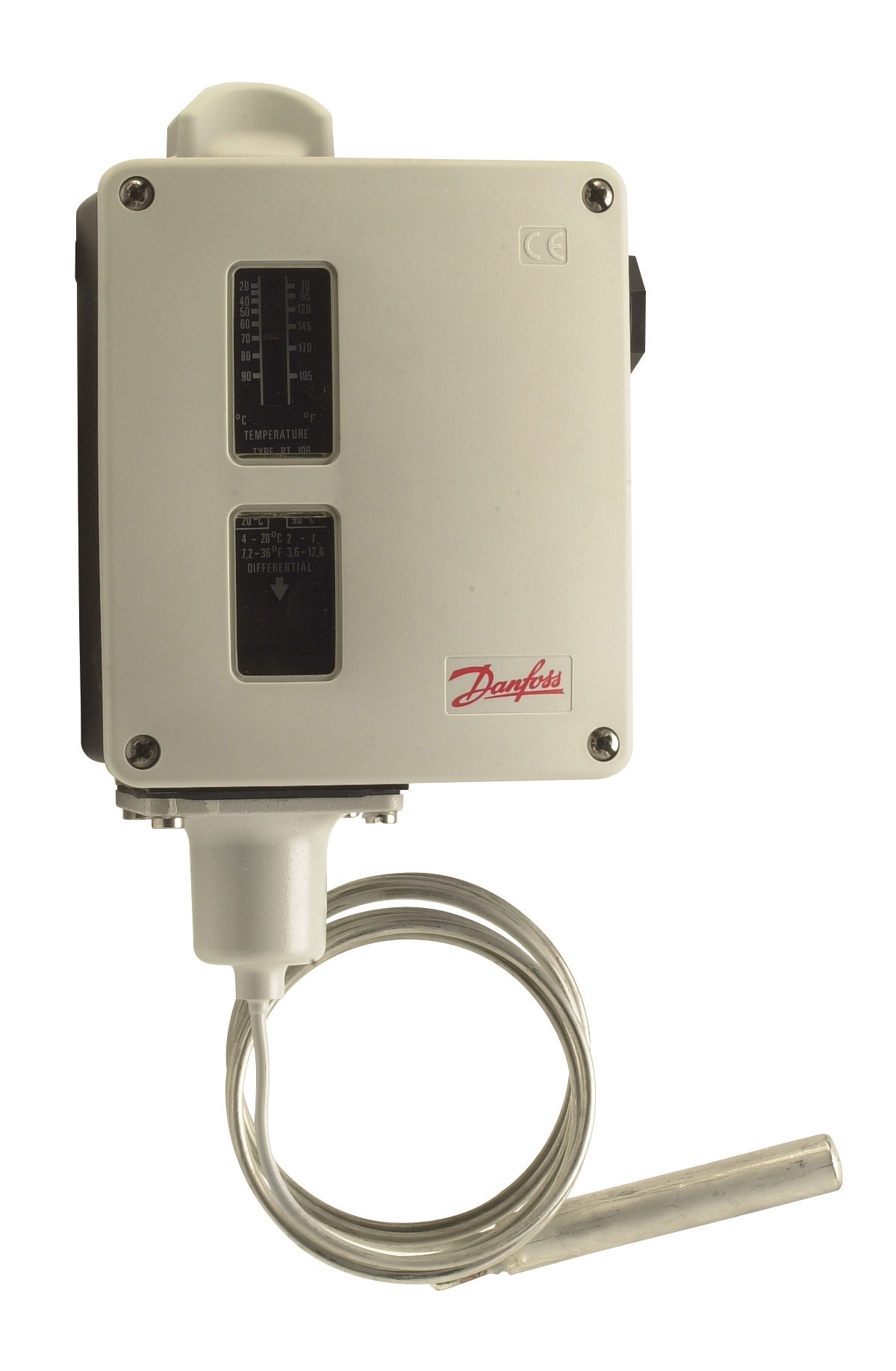
Level 2 addresses process logic failures—situations where the primary control system continues operating despite unsafe conditions due to sensor failure or logic faults. This level typically involves independent verification through secondary sensors or hardwired safety circuits that operate outside the primary logic system. For temperature control applications using devices like the Danfoss Thermostat RT 124 or Danfoss RT 107, having an independent high-temperature limit switch that cuts fuel supply if the thermostat fails prevents dangerous temperature runaway.
Level 3 represents manual intervention capability—ensuring operators can always manually shut down equipment even if automated systems fail completely. This requires proper design of emergency stop buttons, clear labeling, accessibility from all operational positions, and regular functional testing. In Singapore facilities, maintenance staff must be trained to recognize when automated shutdown systems have activated and understand the sequential restoration procedures required before restarting operations.
The hierarchy works because it assumes each level may fail, designing the next level as an independent safeguard. This defense-in-depth approach is far more reliable than relying on any single control system, regardless of its quality or redundancy features.
Risk Assessment and Critical Component Selection
Selecting the right components for your Controls & Safety system begins with understanding what failure modes each component can experience and which ones pose unacceptable risk. Risk assessment assigns probability and severity ratings to each failure mode, helping you determine whether additional protective measures are needed.
Consider flame detection systems commonly used in Singapore's food processing, chemical manufacturing, and HVAC applications. The ultraviolet flame detector responds to UV radiation from the flame—but this design choice has inherent failure modes. A fouled detector lens reduces UV signal strength, potentially causing the system to miss flame loss. An oscillating flame creates fluctuating signal levels that might be misinterpreted as loss of flame. Amplifier circuit drift changes sensitivity over time, creating slowly degrading detection reliability. Understanding these failure modes drives component selection—you might choose detectors with automatic self-cleaning features, amplifiers with temperature-compensated circuits, or monitoring systems that track detector signal strength trending.
Temperature control components like the Danfoss thermostats represent another critical selection point. These devices use capillary bulb sensing systems that are mechanically robust but can develop slow response if the capillary tube develops partial blockage or if internal fluid viscosity changes with age. Your failure mode analysis might identify that slow response creates a risk of exceeding safe temperature limits during startup transients. This insight drives the decision to pair the thermostat with an independent temperature sensor and a hardwired high-limit switch—creating redundancy in the temperature measurement and control chain.
In Singapore's humid tropical climate, moisture ingress and corrosion represent significant failure modes that must be considered during component selection. Components must have proper enclosure ratings (IP ratings for dust and water ingress), appropriate material selections for corrosion resistance, and drainage provisions to prevent water accumulation. The cost of upgrading to higher-rated enclosures or stainless steel hardware is minimal compared to the cost of failures caused by environmental degradation.
System Integration and Functional Testing Protocols
Even perfectly specified individual components can fail as a system if integration is poorly designed or inadequately tested. Controls & Safety systems integration challenges in Singapore operations typically arise from three sources: interface failures between components, configuration errors in control logic, and inadequate testing procedures that fail to expose latent defects.
Interface failures occur at the connection points between sensors, amplifiers, control modules, and final elements. A thermostat contact rated for 10 amps at 24 VDC might fail prematurely if installed in a circuit that draws 15 amps due to undersized wiring. Signal integrity problems emerge when long cable runs are unshielded in electrically noisy industrial environments. Proper integration requires careful attention to electrical specifications, cable routing practices, and connection quality.
Configuration errors are increasingly common as control systems become more sophisticated. Modern control modules often have dozens of adjustable parameters—setpoints, timing delays, logic selections, and calibration values. Incorrect configuration might create dangerous behaviors: a thermostat differential set too wide might allow dangerous temperature excursions, or a flame detector delay set too long might not shut off fuel quickly enough after flame loss.
Functional testing must simulate both normal operation and failure scenarios. Standard startup tests verify that the system lights and reaches setpoint—but this tells you nothing about how the system responds when the flame goes out, when the power briefly interrupts, when a sensor provides erratic signals, or when multiple faults occur simultaneously. Comprehensive functional testing in Singapore facilities typically includes: normal operation verification, single component failure injection, flame-loss response testing, temperature excursion scenarios, and power interruption recovery.
For systems incorporating the Honeywell UV flame detector and amplifier, functional testing must confirm that flame detection occurs within specified timeframes, that signal strength is adequate even with partial lens fouling simulated, and that the amplifier properly rejects false signals from sunlight, welding arcs, or other non-flame UV sources. For Pactrol control modules, testing must verify proper timing of spark generation, fuel valve opening, flame verification, and fuel valve closure sequences.
Documentation of all testing results, component specifications, and system configuration creates the foundation for ongoing maintenance and troubleshooting. This documentation should be version-controlled and updated whenever any component is replaced or any parameter is adjusted.
Maintenance Strategy and Aging Component Management
Controls & Safety systems degrade over time through multiple mechanisms: sensor drift, contact erosion, capacitor aging, corrosion, and seal degradation. Unlike mechanical components where wear is often visible, electronic and sensing components degrade invisibly until they fail catastrophically. Effective maintenance strategy must detect and address degradation before it creates safety hazards.
Predictive maintenance for Controls & Safety systems combines condition monitoring with preventive component replacement. Flame detector systems can be monitored for signal strength trending—if the signal from your Honeywell UV detector diminishes over time despite normal operation, it suggests lens fouling or internal component aging. Early detection allows planned cleaning or replacement rather than unexpected failure during operation. Temperature sensor aging can be detected by comparing readings against a known reference or by observing gradually widening deadbands in thermostat response.
Periodic functional testing, even when components appear to be operating normally, remains essential. Quarterly flame-loss response testing—deliberately extinguishing the flame and confirming the system shuts down properly—requires only minutes but provides definitive confirmation that the entire detection and response chain functions correctly. Annual full-system FMEA review identifies changes in operating conditions, equipment configuration, or personnel that might have introduced new failure modes since the last assessment.
Component aging decisions require careful cost-benefit analysis. Should you replace components on a fixed schedule before they fail, or replace them only when degradation is detected? In Singapore's industrial environment where unplanned shutdowns carry high economic costs and safety risks, preventive replacement of critical components—particularly flame detectors, amplifiers, and thermostats in safety-critical applications—typically proves more cost-effective than reactive replacement. Establishing component replacement intervals based on manufacturer recommendations, historical failure data, and operating conditions ensures continued reliability.
With 35+ years of experience supporting industrial operations across Southeast Asia, 3G Electric understands that Controls & Safety system reliability depends on disciplined engineering approach to failure analysis, thoughtful component selection, rigorous system integration, and sustained maintenance commitment. Systems designed with failure modes explicitly considered, tested comprehensively before deployment, and monitored throughout their operational life provide the reliability that modern industrial operations demand.