Understanding Controls & Safety in the Procurement Context
Controls & Safety systems represent 15-25% of total installed cost for industrial burner and HVAC applications, yet procurement decisions are often made with incomplete technical visibility. Unlike commodity purchases, Controls & Safety components require cross-functional validation involving operations, maintenance, and engineering teams. Over 35 years as an industrial equipment distributor, 3G Electric has observed that specification misalignment accounts for approximately 40% of performance issues and early component failures in Southeast Asian facilities.
As a procurement engineer, your role extends beyond price comparison. You must validate that specified components meet functional requirements, integrate seamlessly with existing infrastructure, comply with local regulations, and deliver measurable total cost of ownership (TCO) benefits. This guide provides practical frameworks for accomplishing these objectives with confidence.
Section 1: Establishing Specification Validation Frameworks
Functional Requirements Mapping
Before evaluating vendors or components, establish a clear functional requirements matrix. This document should map operational needs to technical specifications and include:
Core Functional Requirements
- Setpoint range and accuracy requirements (e.g., ±2°C for comfort control vs. ±0.5°C for process applications)
- Response time specifications (critical for safety-critical flame detection vs. non-critical temperature control)
- Environmental operating ranges specific to your facility (Singapore's tropical climate requires 0-45°C or wider ranges)
- Fault detection and reporting capabilities required by your safety management system
- Communication protocols (hardwired relay logic, 4-20mA analog signals, Modbus, BACnet)
- Voltage and frequency compatibility (Singapore operates 400V/230V, 50Hz standard)
- Physical envelope constraints (DIN rail mounting, compact control modules vs. distributed components)
- Upstream and downstream device compatibility (verify with existing thermostat, flame detector, and relay specifications)
Validation Checklist Development
Create a standardized validation checklist applicable across your procurement processes:
1. Datasheet Completeness Audit: Verify that vendor datasheets include all parameters from your functional requirements matrix. Missing specifications (e.g., response time, accuracy at temperature extremes) indicate incomplete vendor documentation and higher project risk.
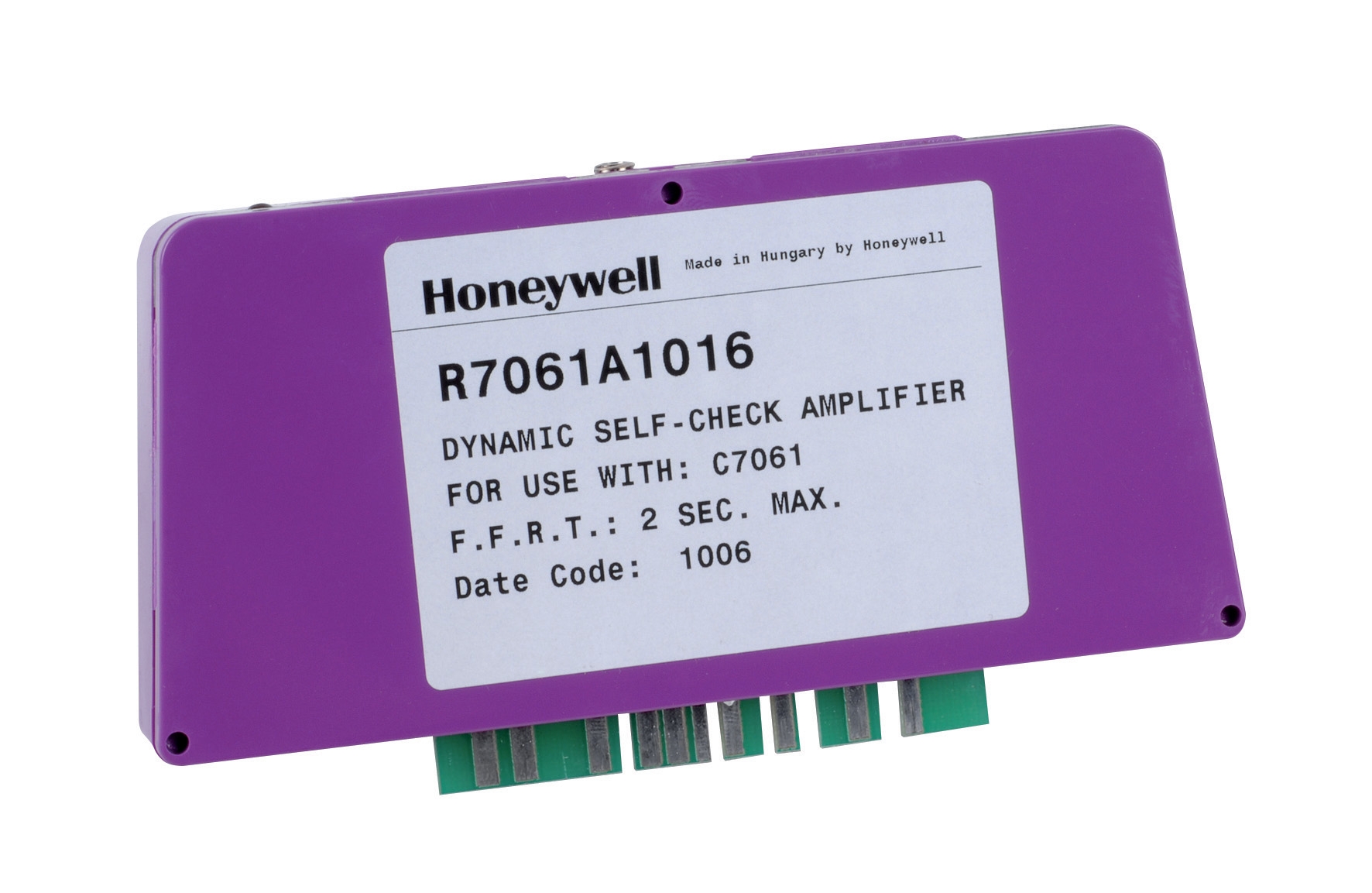
2. Environmental Compatibility Assessment: Cross-reference operating temperature, humidity, vibration, and EMC specifications against your facility conditions. For burner control systems using the Honeywell Amplifier R 7861 A 1026, verify its -40°C to 60°C rating accommodates both outdoor equipment enclosures and indoor control rooms.
3. Safety Certification Verification: Confirm compliance with IEC 61508 (functional safety), IEC 61010 (safety of electrical equipment), and Singapore-specific standards (SS 638 for gas appliances). Request certification documents, not just marketing claims.
4. Reference Installation Review: Contact 3-5 existing installations running the specified components in similar applications. Document their experiences with startup time, long-term reliability, and maintenance requirements.
Section 2: Vendor Performance Benchmarking Framework
Technical Performance Metrics
Beyond component specifications, evaluate vendor performance across measurable criteria:
Reliability Metrics
- Mean time between failures (MTBF) for the specific component type
- Field failure data from Singapore and Southeast Asian installations (regional data is more relevant than global averages)
- Warranty coverage details: component-level vs. system-level, duration, and regional support specifics
- Age of component design (newer designs incorporate lessons learned; components unchanged for 10+ years may indicate obsolescence risk)
- Stock availability in Singapore and regional distribution centers
- Lead time for standard orders vs. expedited procurement
- Technical support responsiveness (verify with previous customers)
- Spare parts availability and pricing for 5-year horizon (critical for lifecycle planning)
- Completeness of installation guides, wiring diagrams, and commissioning procedures
- Availability of localized documentation (regional rather than generic global versions)
- Technical note library and known issues documentation
- Training material quality for your maintenance team
Comparative Benchmarking Template
For competing component families (e.g., temperature control thermostats), create a comparison table:
| Criterion | Component A | Component B | Component C | Weighted Score |
|-----------|------------|------------|------------|----------------|
| Setpoint Accuracy | ±1.5°C | ±1°C | ±2°C | — |
| Response Time (s) | 45 | 30 | 60 | — |
| Operating Range | -10 to 50°C | 0 to 45°C | -20 to 60°C | — |
| MTBF (hours) | 25,000 | 40,000 | 18,000 | — |
| Lead Time (weeks) | 2 | 3 | 1 | — |
| Unit Cost (SGD) | 280 | 420 | 210 | — |
| TCO 5-year | — | — | — | Calculate |
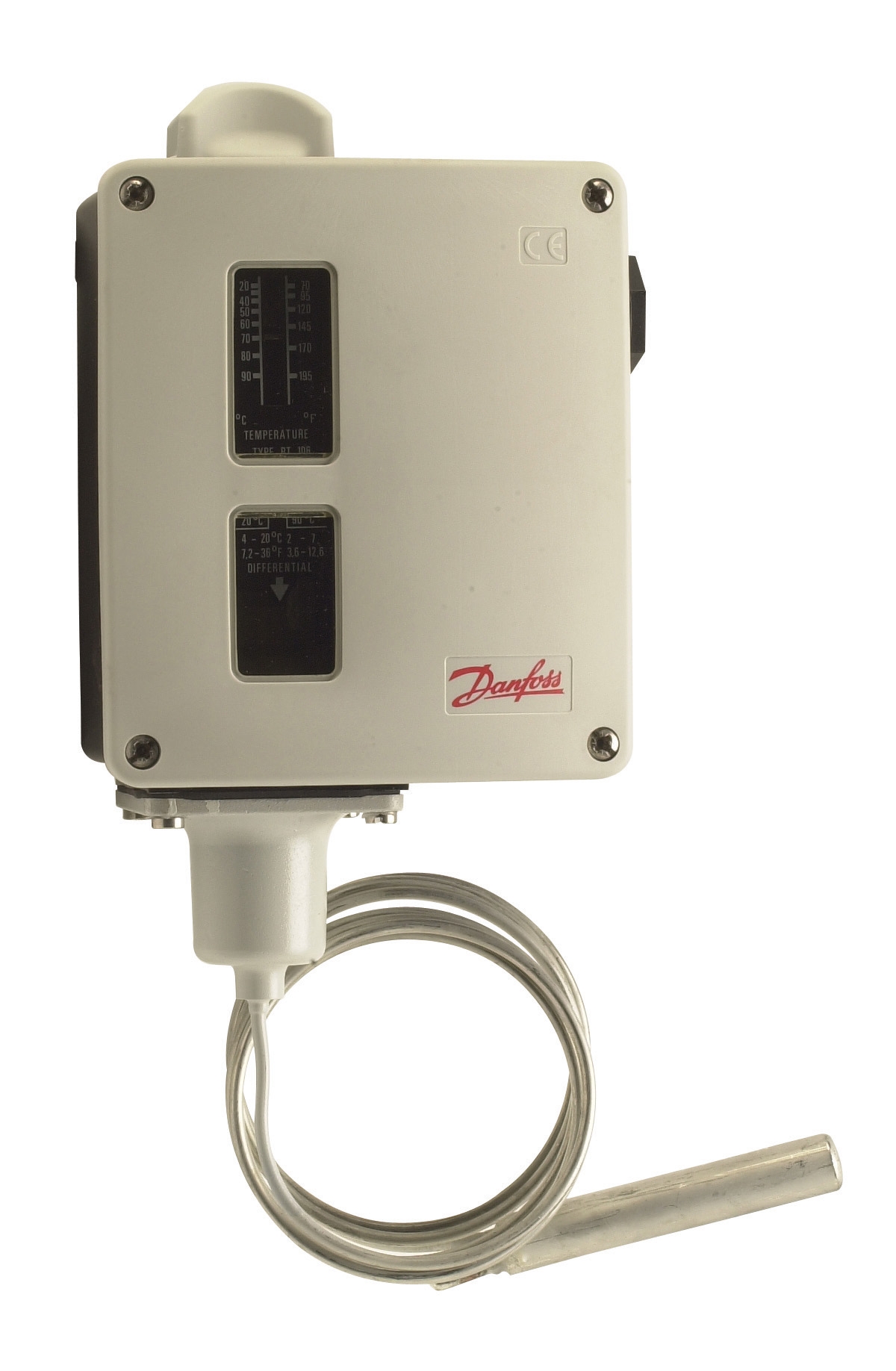
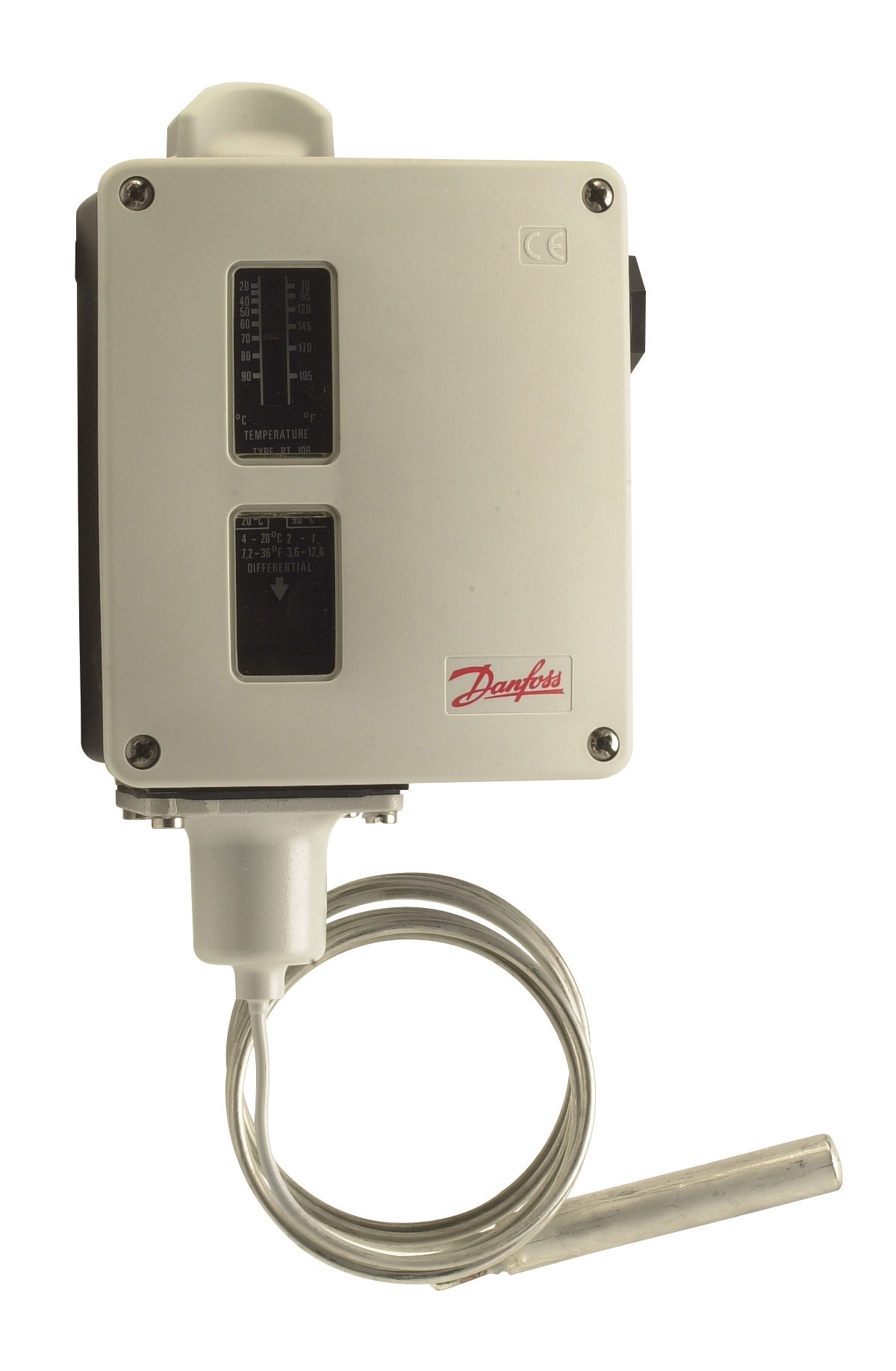
For temperature control applications, the Danfoss Thermostat RT 124 and Danfoss Thermostat RT 107 represent different positioning: the RT 124 includes differential and neutral zone adjustment options (higher flexibility, longer commissioning time), while the RT 107 offers simpler universal changeover contact design (faster deployment). Your benchmarking should document which application characteristics favor each approach.
Section 3: Total Cost of Ownership (TCO) Analysis for Controls & Safety Components
Components of TCO Calculation
Procurement cost represents only 30-40% of true TCO for Controls & Safety systems. Complete analysis requires:
Acquisition Costs
- Component unit cost (verified through competitive quotation)
- Installation labor (based on complexity and your regional labor rates)
- Commissioning and testing costs
- Training costs for operations and maintenance staff
- Energy consumption (particularly for powered components like flame detectors)
- Predictive and preventive maintenance labor
- Performance monitoring and diagnostics overhead
- Regulatory compliance auditing and documentation
- Unplanned downtime costs (facility shutdown, production loss, safety risk)
- Corrective maintenance labor and parts
- Warranty claim processing and logistics
- Reputation and contract penalties for control system failures
For flame detection systems combining the Honeywell Cell C 7044 A 1006 ultraviolet detector with the Honeywell Amplifier R 7861 A 1026, TCO analysis should quantify the cost of flame detection failures (unsafe burner operation, facility shutdown) against the premium price of proven components with superior reliability metrics.
TCO Model Framework
Develop a spreadsheet model with transparent assumptions:
- Acquisition Phase (Year 0): Sum component costs, installation labor (hours × loaded rate), commissioning (typically 16-40 hours), and initial training (1-2 days for maintenance team).
- Annual Operating Costs (Years 1-5): Estimate quarterly preventive maintenance (8 hours per component type), spare parts consumption (5-10% of initial component cost annually for active devices), and monitoring overhead.
- Failure Cost Calculation: Apply failure rate data to expected downtime cost. If a temperature control thermostat failure causes 4-hour facility shutdown, and your hourly facility cost is SGD 2,000, a single unplanned failure costs SGD 8,000. Multiply by MTBF-derived annual failure probability.
- Discount Rate: Apply 8-10% annual discount rate to future costs, reflecting time value of money and opportunity cost of capital.
Regional Cost Factors for Singapore
Singapore's high labor costs (SGD 50-80/hour for skilled technicians) and limited inventory holding capacity create distinct TCO dynamics:
- Inventory Carrying Cost: High real estate costs make extended spare parts inventory expensive. Prefer components with rapid regional availability.
- Labor Intensiveness: Diagnostic and commissioning labor dominates operational costs. Specify components with excellent documentation and diagnostic capabilities (e.g., self-diagnostics, clear fault codes).
- Supply Chain Efficiency: Shorter lead times and reliable distribution reduce safety stock requirements. 3G Electric's 35+ years of regional operation provides established supply chain infrastructure for components like the Pactrol CSS01 12 housing control module.
- Regulatory Compliance Cost: Singapore's strict safety standards (SS 638, Building and Construction Authority requirements) favor components with proven certification pedigree, reducing compliance documentation costs.
Section 4: Implementation and Governance Best Practices
Specification Template Development
Standardize your specifications to reduce procurement cycle time and improve consistency:
- Component-Level Specification Template: Create a standard format including functional requirements, environmental conditions, safety certifications, integration requirements, and acceptance test procedures. This template becomes your contract requirement document.
- System Integration Specification: Document how individual components (thermostat, flame detector, amplifier, relay module) interact. Include wiring diagrams, communication protocols, and failure mode scenarios.
- Commissioning Procedure: Define specific test sequences to validate that installed components meet specification. Include response time measurement procedures, setpoint verification protocols, and safety function testing.
Vendor Qualification and Management
Initial Qualification
- Request technical questionnaires covering manufacturing processes, quality certifications, and supply chain resilience.
- Conduct supplier audits for high-value component families or safety-critical systems.
- Verify business continuity plans, particularly for single-source components.
- Track on-time delivery, quality metrics (defect rates, warranty claims), and technical support responsiveness.
- Conduct annual performance reviews comparing actual performance against benchmarked targets.
- Maintain feedback channels allowing your operations and maintenance teams to report quality or support issues.
- Include specification references (datasheet + version date) to prevent silent component substitutions.
- Define defect responsibilities (component vs. application vs. installation).
- Include provisions for obsolescence management (advance notice of discontinuation, availability of compatible replacement).
Knowledge Capture and Organizational Learning
Procurement decisions generate valuable technical knowledge:
- Post-Implementation Reviews: 6 months after commissioning, document actual performance against specification, cost vs. budget, and lessons learned.
- Failure Analysis Documentation: When component failures occur, conduct root cause analysis and share findings with procurement, maintenance, and engineering teams.
- Competitive Intelligence: Maintain awareness of new component releases, emerging technologies, and competitive positioning within your component categories.
- Specification Evolution: Update your specification templates and vendor benchmarking criteria annually based on field experience and technology advancement.
3G Electric's 35 years of industrial equipment distribution have established deep relationships with component manufacturers and end-user facilities across Singapore and Southeast Asia. Leveraging this experience through structured vendor performance data and regional application knowledge accelerates your procurement decision-making while reducing technical risk.
Summary
Controls & Safety procurement excellence requires systematic validation, comparative benchmarking, and transparent TCO analysis. By implementing standardized specification frameworks, documented vendor performance monitoring, and rigorous TCO modeling, procurement engineers can demonstrate clear business value while ensuring that specified components deliver operational safety and reliability. Singapore's unique cost structure and stringent regulatory environment reward this disciplined approach.