Understanding Controls & Safety in the Southeast Asian Regulatory Landscape
Plant managers operating across Southeast Asia must navigate a complex and often fragmented regulatory environment. Controls & Safety systems form the backbone of industrial compliance, yet many facilities operate with incomplete understanding of regional requirements, certification pathways, and liability exposure.
With more than 35 years of experience distributing industrial equipment throughout Asia-Pacific, 3G Electric has observed significant variations in how controls & safety regulations are applied across Singapore, Malaysia, Thailand, Indonesia, and Vietnam. What passes inspection in one jurisdiction may create compliance gaps in another. This inconsistency creates operational risk that extends beyond equipment failure—it affects insurance coverage, operational permits, and corporate liability.
The stakes are particularly high for gas burner systems, boiler controls, and combustion safety devices. Unlike mechanical failures that produce obvious symptoms, controls & safety malfunctions can develop silently. A pressure switch operating within normal parameters might accumulate calibration drift. A relay system might fail intermittently under specific load conditions. Flame detection systems might miss transient ignition failures. These subtle degradations can persist for months before triggering a critical incident.
Plant managers must shift from reactive maintenance—responding to failures—to a systematic compliance architecture that addresses risk across three dimensions: specification compliance, operational safeguards, and continuous verification.
Building Your Compliance Architecture: The Three-Pillar Framework
Pillar 1: Specification Alignment and Equipment Selection
Compliance begins with equipment selection. Many plant managers inherit systems that were specified years ago without considering current regional standards. A burner control relay installed in 2015 might meet outdated certification requirements but fall short of current Southeast Asian regulations.
Your first action is conducting a specification audit. Document every control component in your system:
- Burner control relays and their certification status (EN 746-2, EN 676, or equivalent)
- Pressure switches and their SIL (Safety Integrity Level) ratings
- Gas control blocks and their compliance with thermoelectric supervision requirements
- Flame detection systems and their ionization or UV monitoring capability
- Solenoid valve integration and their response timing specifications
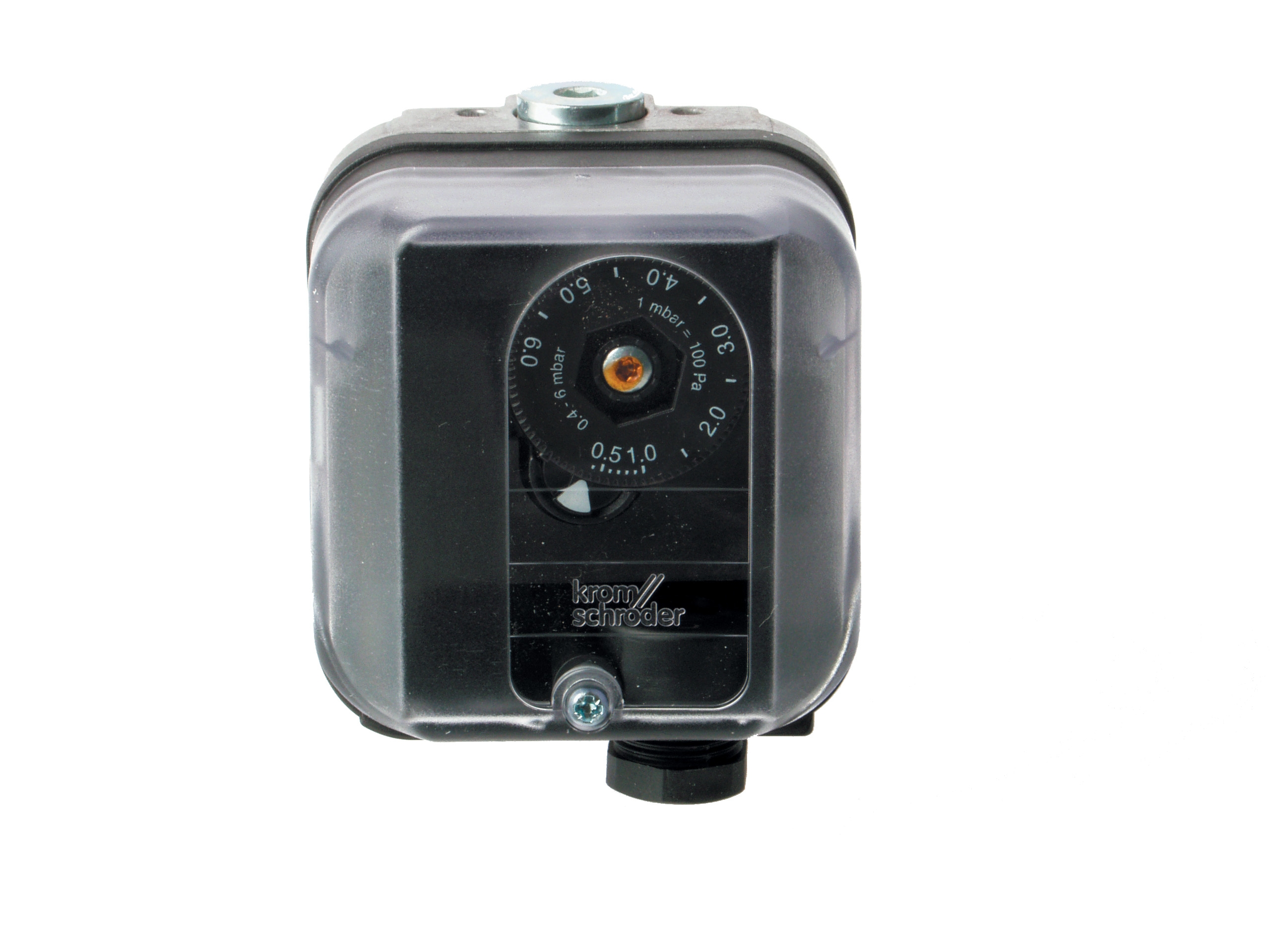
For example, the Kromschroder Relay BCU 570WC1F1U0K1-E is designed to EN 746-2 and EN 676 standards, supporting both direct ignition and intermittent/continuous pilot modes. This provides flexibility across multiple fuel types and boiler configurations. Similarly, the Kromschroder Pressure Switch DG 50U/6 achieves SIL 3 and Performance Level e ratings, meeting EN 1854, FM, UL, and AGA certifications—critical for facilities that export products or operate under multinational corporate standards.
The key question for plant managers: Does your current equipment meet the highest standard you operate under, not just the minimum required in your primary location? Southeast Asian operations often support multiple supply chains, and equipment that fails to meet one customer's requirements creates supply chain risk.
Pillar 2: Operational Safeguards and System Integration
Specification compliance alone is insufficient. Your systems must be integrated in ways that create redundancy and prevent single-point failures.
Consider flame detection as a practical example. A single ionization electrode monitoring flame presence is a baseline safety feature. However, intermittent ignition failures—especially in facilities experiencing power fluctuations common to parts of Southeast Asia—can produce false flame-presence signals that delay shutdown sequences.
The Brahma Relay CM 31 F TW10/TS5 addresses this through ionization flame monitoring with intermittent operation capability. The dual-stage monitoring approach (intermittent detection plus continuous pilot supervision) creates a verification layer. If the pilot flame becomes unstable, the system detects drift before it causes main burner misfire.
For plant managers, this translates to a specific action: audit your flame detection configuration. Is your system using single-point detection or redundant monitoring? In facilities with sensitive manufacturing processes (pharmaceutical, food processing, chemical), redundant flame detection prevents production interruptions from false flame-loss signals and protects against burner cycling that degrades equipment lifespan.
Similarly, pressure switch integration requires careful specification. The Kromschroder DG 50U/6 pressure switch is rated for SIL 3 applications, meaning it's designed for systems where control failure could cause serious injury or death. If your facility's risk assessment identifies high consequence from loss of burner pressure control, this specification becomes mandatory—not optional.
Pillar 3: Continuous Verification and Compliance Documentation
The third pillar separates compliant operations from those that appear compliant during audits but lack actual verification rigor.
Most plant managers establish maintenance schedules, but fewer establish verification protocols that confirm controls are functioning within specification. A pressure switch that drifts from 2.5 bar to 2.8 bar setpoint might not trigger a failure alarm—many systems tolerate ±10% drift—yet the system is operating outside design parameters.
Implement quarterly verification testing for critical safety devices:
- Pressure switches: Physical calibration testing against certified gauges; documenting actual setpoint versus specification
- Flame detection systems: UV/ionization electrode response testing under representative load conditions; checking signal quality and response lag
- Control relays: Functional testing of ignition sequence timing, pilot flame supervision, and shutdown sequences
- Multifunctional gas blocks: Thermoelectric supervision verification, pressure regulation confirmation, and temperature control validation
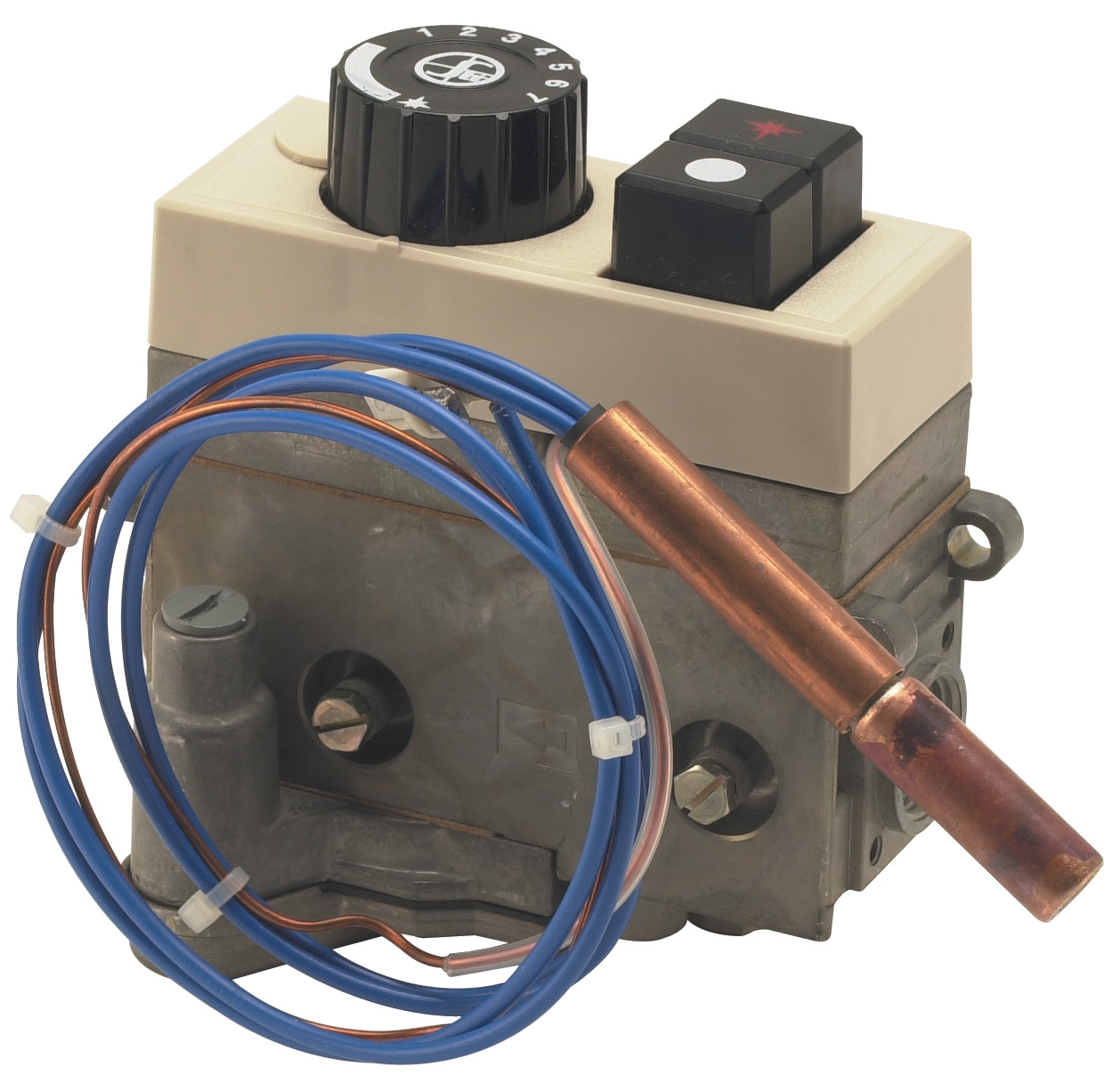
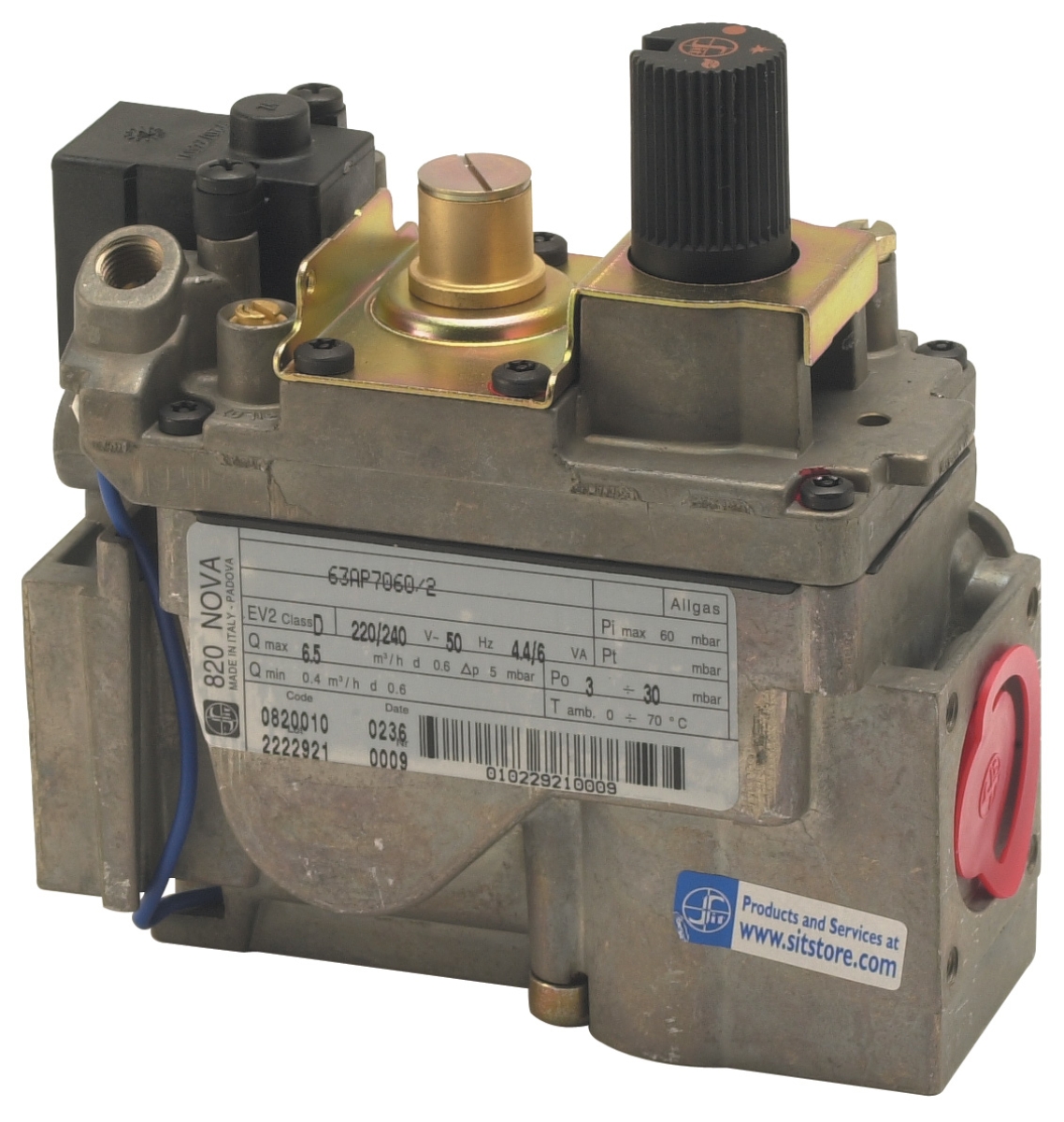
The Sit Minisit Gas Block 0710218 integrates thermoelectric flame supervision, pressure regulation, and temperature control in a single unit. This consolidation reduces integration points but increases verification complexity. Your maintenance team must understand that testing the pressure regulation alone is insufficient—you must verify the thermoelectric supervision pathway independently, as failures in one function can mask failures in others.
Documentation is your liability shield. When regulators, insurers, or legal teams review your operations, they evaluate not just what you do, but what you prove you did. Maintenance logs showing "routine service performed" provide minimal protection. Test reports showing "pressure switch verified at 2.49 bar setpoint ±0.02 bar, within ±1% tolerance, against calibrated reference gauge" demonstrates systematic compliance.
For plant managers, assign responsibility for verification documentation to a specific person or team. This person should report directly to you quarterly on compliance status, including any deviations, corrective actions taken, and outstanding risks.
Regional Compliance Variations and Practical Implementation
Southeast Asia presents distinct regulatory challenges:
Singapore: Operates under strict ACRA (Accounting and Corporate Regulatory Authority) requirements and follows EN standards closely. Facilities must maintain certification for competent technicians performing burner control maintenance.
Malaysia: Regulatory authority varies by state; some regions follow British Standards (BS 5410), others adopt EN standards. Equipment certification pathways differ significantly.
Thailand: Industrial safety enforcement has strengthened substantially; facilities face increasing audit frequency for boiler and burner control systems.
Indonesia and Vietnam: Regulatory frameworks are evolving; multinational operations often adopt the highest standard among all operating regions to minimize certification complexity.
Your practical response: Identify your regulatory "ceiling"—the most stringent standard you must meet across all operating regions. Specify all equipment to meet that standard. This eliminates the risk of deploying inadequate equipment in lower-regulation jurisdictions and provides a single, defensible compliance standard.
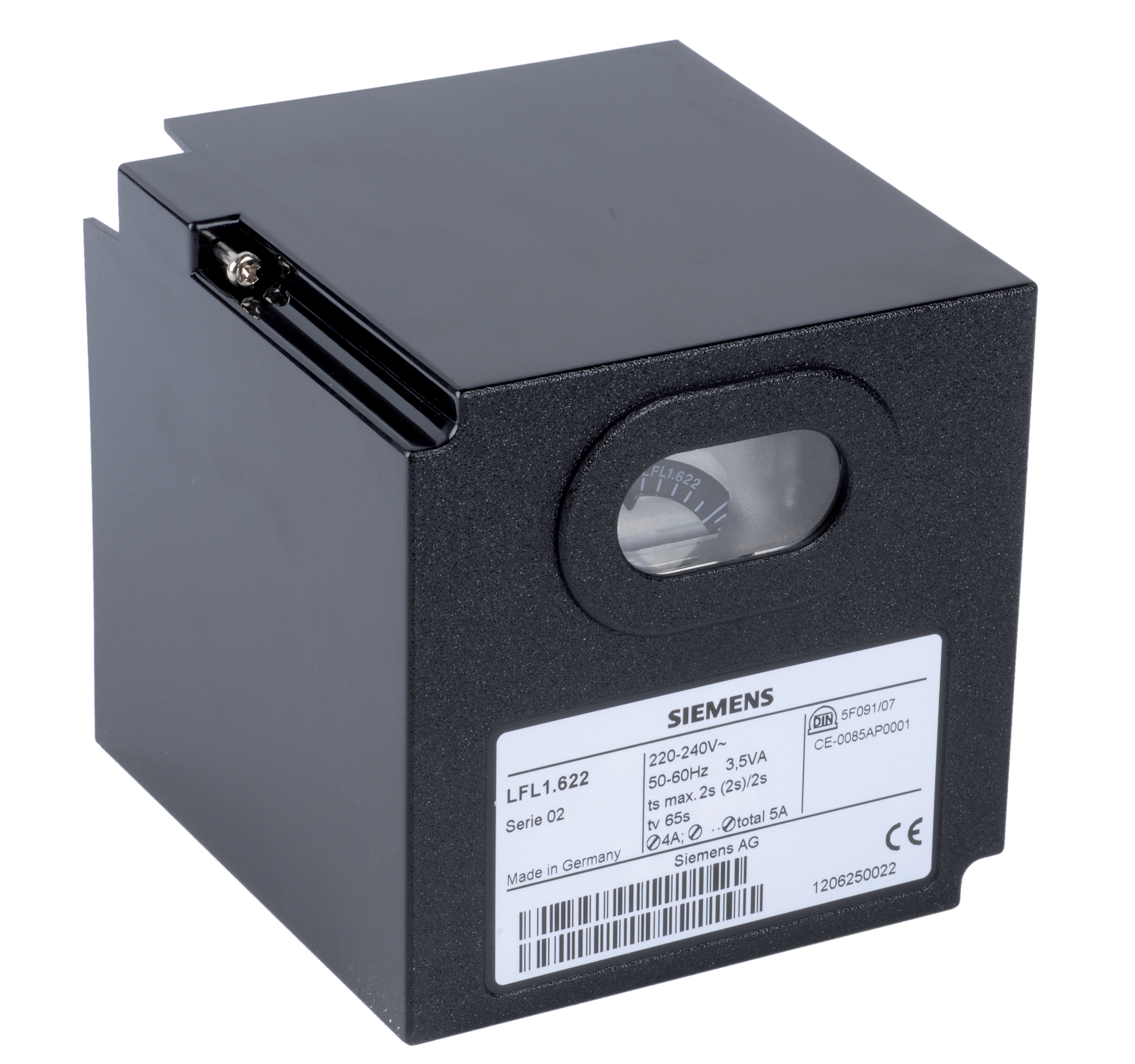
The Siemens Relay LFL 1.622 is designed for gas, oil, or dual-fuel burners with medium to high power ratings. It features both UV and ionization flame monitoring with controlled air damper capability. This specification flexibility supports operations across multiple fuel types and regional variations, reducing the need to maintain separate equipment inventories by location.
Creating Your Compliance Action Plan
Implement this four-step process over the next 90 days:
Week 1-2: Specification Audit
Document every control component with serial numbers, installation dates, and certifications. Compare against current regional standards. Identify gaps.
Week 3-4: Risk Assessment
For each identified gap, document potential consequences. What happens if the device fails? Who is at risk? What is the business impact? Rank by consequence severity.
Week 5-8: Remediation Planning
For high-consequence gaps, develop replacement specifications. Coordinate with 3G Electric's technical team to ensure replacement components integrate with existing systems without requiring full system redesign.
Week 9-12: Verification Protocol Development
With your maintenance team, create written procedures for quarterly verification testing. Define pass/fail criteria, documentation requirements, and escalation pathways for out-of-spec conditions.
Plant managers who implement this framework transform controls & safety from a compliance burden into a competitive advantage. Operations with documented, systematic safety verification attract multinational customers, qualify for preferential insurance rates, and reduce regulatory scrutiny.
Moreover, your team develops deeper technical understanding of how systems actually function versus how they're supposed to function. This knowledge enables faster troubleshooting, more effective maintenance planning, and better cost control through preventive rather than emergency repairs.
Conclusion
Controls & Safety compliance in Southeast Asia demands more than equipment installation and routine maintenance. It requires a systematic architecture that spans specification, integration, and verification. By implementing the three-pillar framework outlined in this guide, plant managers can transform operational risk into managed, documented, and ultimately defensible compliance.
3G Electric's 35+ years of experience in industrial equipment distribution across Asia-Pacific provides practical insights into how regional variations affect your operations. We work with plant managers to navigate these complexities, ensuring your equipment specifications meet regional requirements while supporting operational efficiency. Contact our technical team to assess your current controls & safety architecture and identify specific compliance improvements for your facility.