Understanding Burner Control System Architecture
Burner control systems form the critical backbone of any industrial HVAC installation, requiring careful design that balances operational efficiency, safety compliance, and long-term reliability. As an HVAC contractor, understanding the fundamental architecture of these systems allows you to make informed decisions during installation, troubleshooting, and maintenance phases.
A complete burner control system consists of five primary functional layers: the ignition module, the flame supervision unit, the pressure control circuit, the gas block assembly, and the interlock verification stage. Each layer serves a distinct purpose in the combustion sequence, and all must communicate seamlessly to meet EN 746-2, EN 676, and other applicable safety standards. The ignition module initiates the combustion process by delivering high-voltage energy to the igniter electrode. The flame supervision unit continuously monitors for successful ignition and flame establishment. The pressure control circuit ensures fuel delivery at the correct rate and pressure. The gas block regulates fuel flow and provides emergency shutoff capability. Finally, the interlock verification stage confirms that all permissive conditions are satisfied before allowing burner operation to proceed.
Drawing on 35+ years of experience as a global industrial equipment distributor, 3G Electric has observed that many contractor-related issues stem from incomplete understanding of how these layers interact. A relay might be correctly specified but improperly wired into the system logic, or a pressure switch might be installed without accounting for the response time requirements of the specific burner model. Each component must be selected not in isolation, but as part of an integrated whole.
Relay Selection and Flame Monitoring Strategy
The safety relay forms the intelligent control center of your burner system. It receives inputs from multiple sensors—including flame detection devices, pressure switches, and temperature sensors—and orchestrates the sequence of operations that brings the burner online safely. Selecting the correct relay for your application requires careful analysis of several parameters.
First, determine whether your installation requires direct ignition, intermittent pilot ignition, or continuous pilot operation. Direct ignition systems ignite the main burner flame directly without a pilot light, reducing fuel consumption and startup time but requiring robust flame monitoring. Intermittent pilot systems establish a pilot flame only when needed, then ignite the main burner from the pilot. Continuous pilot systems maintain a small pilot flame at all times, providing maximum safety margins but consuming fuel continuously.
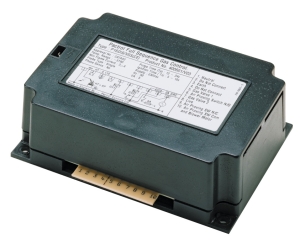
The Kromschroder Relay BCU 570WC1F1U0K1-E exemplifies a modern relay architecture supporting all three ignition modes. This relay complies with EN 746-2 and EN 676 standards, meaning it incorporates proven safety logic for fuel train management, flame monitoring, and fault detection. When specifying this or similar relays, verify that the contact ratings match your igniter power demand, solenoid valve coil current, and any auxiliary load requirements.
Flame monitoring technology selection is equally critical. Modern burner control relays employ either UV (ultraviolet) sensing or ionization detection. UV sensors respond to the ultraviolet radiation emitted by the flame, offering superior immunity to false signals from extraneous light sources. Ionization sensors detect the electrical conductivity of the ionized flame, providing excellent sensitivity in blue flame environments but requiring careful installation away from electromagnetic interference sources. The Siemens Relay LFL 1.622 integrates both UV and ionization monitoring capabilities, allowing you to select the optimal detection method for your specific burner and installation site conditions.
Establish a clear commissioning procedure to verify flame detection performance. This involves blocking the fuel supply and confirming that the relay detects flame absence within 5 seconds—the maximum allowable response time per EN standards. Test the system response to flame dropout by introducing and removing fuel under controlled conditions. Document all response times, as these readings become critical baseline data for future maintenance.
Pressure Control and Gas Block Integration
Fuel delivery pressure must remain stable and within the burner manufacturer's specified range throughout all operating conditions. This requires careful coordination between pressure switches that monitor fuel supply pressure and modulating gas blocks that regulate fuel flow in response to burner load demand.
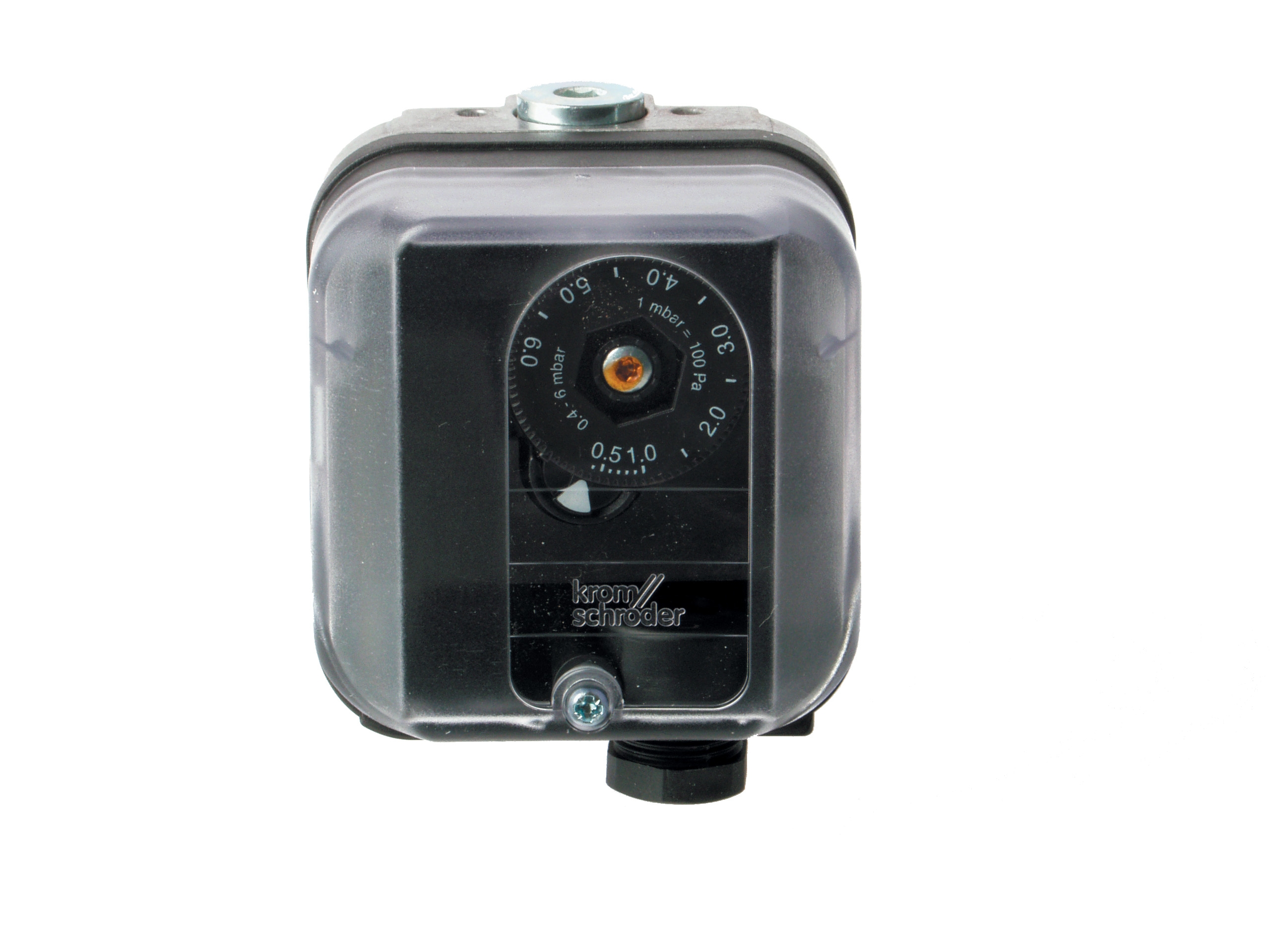
The Kromschroder Pressure switch DG 50U/6 represents the pressure monitoring element of this circuit. Rated SIL 3 and Performance Level e, this device incorporates internal hysteresis that prevents rapid on-off cycling when pressure fluctuates near the setpoint. When selecting a pressure switch, verify that the operating pressure range matches your burner specification. The DG 50U/6 accommodates wide pressure ranges across industrial applications, but always confirm the exact setpoint requirement with the burner OEM documentation.
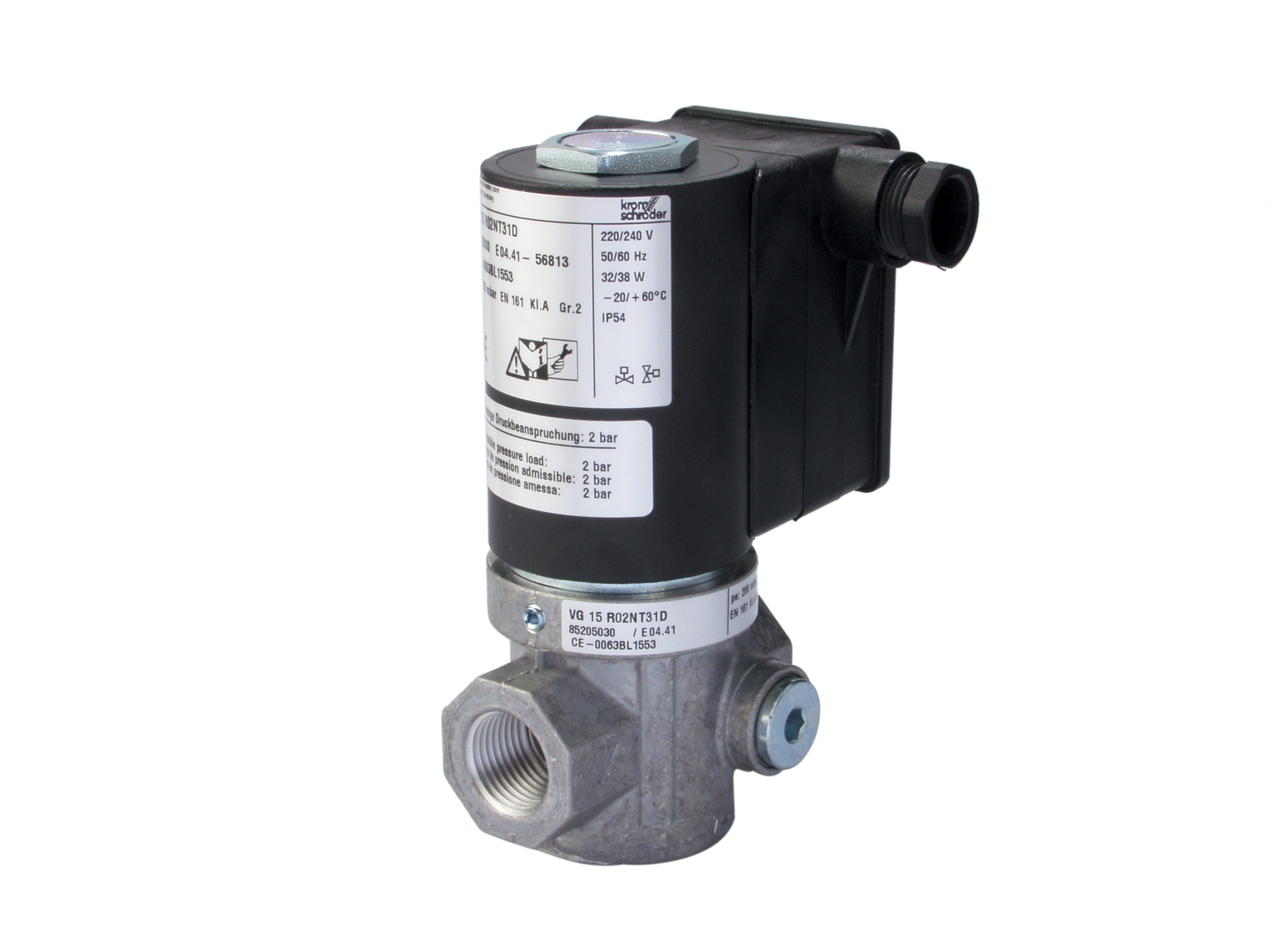
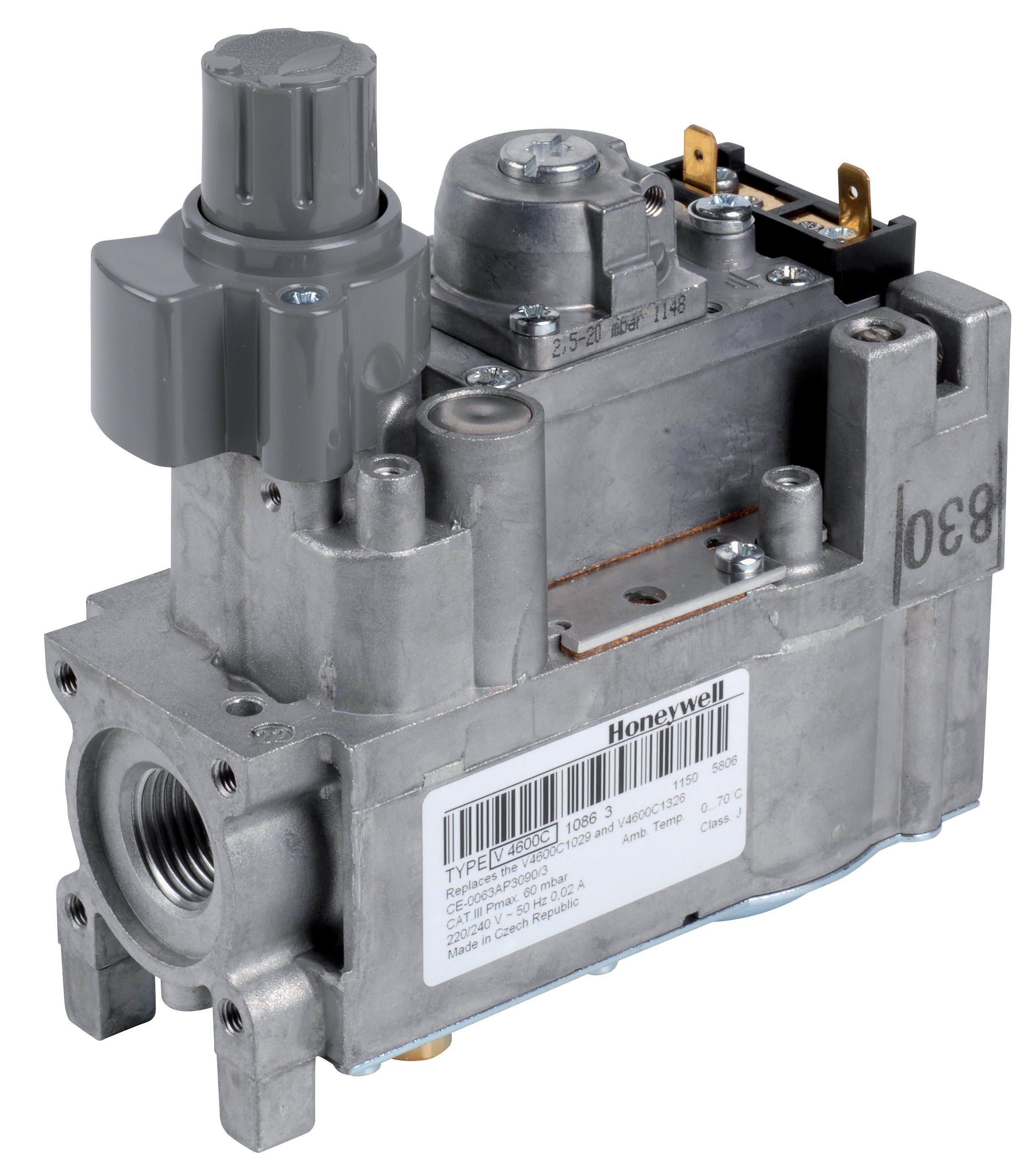
The Honeywell Gas block VK 4105 C 1041 U serves as the modulating control element, responding to control signals from the burner relay to maintain optimal fuel delivery. This electric modulating pressure regulator accepts a command signal from the control system and adjusts internal orifice position to raise or lower fuel pressure accordingly. The feedback mechanism—utilizing the M5 pressure feedback threading—allows closed-loop control where the regulator continuously adjusts to match the target pressure setpoint.
When integrating these components, plan your piping layout to minimize pressure drop between the main fuel supply and the pressure switch sensing point. Pressure switch location affects all burner response characteristics; a sensing point located too far downstream may introduce lag that makes pressure control sluggish. Best practice involves locating the pressure switch within 1 meter of the burner fuel inlet, using schedule 80 steel tubing to minimize vibration-induced pressure oscillation.
Testing the pressure control circuit requires both static and dynamic verification. Static testing involves shutting down the burner and confirming that fuel pressure stabilizes at the regulator setpoint. Dynamic testing involves operating the burner at various firing rates and confirming that fuel pressure remains within ±10% of the target setpoint while the burner responds to load changes.
Ignition Module Selection and Igniter Circuit Design
The ignition module delivers the high-voltage energy necessary to establish the initial flame at startup. Proper ignition module selection ensures reliable ignition across varying fuel composition, ambient temperature, and electrode gap conditions.
The Pactrol Housing P 16 DI CE exemplifies a dedicated ignition and flame detection module engineered specifically for burner applications. Operating at 230V supply, this module produces 12 kV output voltage at 10MJ energy per ignition pulse—parameters carefully calibrated to reliably ignite natural gas, propane, and light fuel oil without creating excessive electrical stress that would shorten electrode life.
When designing the igniter circuit, maintain strict separation between ignition voltage conductors and low-voltage control signal wiring. Bundle ignition cables in separate conduit with shielding if running through areas with high electromagnetic noise. Igniter electrode gap should be set precisely per the burner manufacturer's specification—typically 2.5 to 3.5 mm for gas burners. An oversized gap increases ignition difficulty and extends the time to flame establishment; an undersized gap may result in flashover or arc tracking.
Establish a maintenance schedule for electrode inspection. Electrodes deteriorate gradually due to ionization sputtering and oxidation; regular visual inspection under operating conditions allows you to replace electrodes before they become unreliable. Most well-maintained systems achieve 10,000 to 20,000 operating hours per electrode set before replacement becomes necessary.
System Testing, Documentation, and Compliance Verification
Once all components are installed and wired, systematic testing must verify that the entire control system functions according to specification. This testing phase represents your formal acceptance of the installation and provides baseline documentation for future maintenance teams.
Begin with static testing of each component in isolation. Verify relay coil operation, solenoid valve energization, pressure switch continuity at both setpoints, and igniter spark output. Use a multimeter to confirm correct voltage at terminal strips and a high-voltage probe to verify igniter output voltage. Document all readings.
Progress to sequence testing with fuel supply isolated. Energize the burner control circuit and walk through the startup sequence manually, confirming that each protective interlock prevents burner operation as intended. Verify that fuel solenoid valves do not energize if flame is not established, that pilot solenoid does not energize without igniter spark, and that purge air cycle completes before pilot ignition begins.
Finally, conduct operational testing under actual load conditions. Allow the burner to cycle through multiple startups and shutdowns, monitoring for any anomalies in response time, pressure stability, or flame detection reliability. Record at least 10 complete startup cycles, documenting times and pressures.
Maintain comprehensive commissioning documentation that includes:
- Burner OEM manual specifications and setpoints
- All component SKU numbers and serial numbers (for warranty tracking)
- Wiring diagram annotated with actual terminal assignments
- Pressure switch setpoint values and hysteresis settings
- Igniter electrode gap measurements
- Test results from static and dynamic verification phases
- Contact information for the control component manufacturers
This documentation becomes invaluable during troubleshooting, allowing maintenance technicians to understand the original design intent and quickly identify deviations that may have developed over time.
Global Compliance Considerations
Burner control systems must comply with safety standards specific to their geographic region. European installations typically follow EN 746-2 and EN 676, while North American systems may reference ANSI Z21.13 or ASME standards. Dual-fuel burner systems operating in markets accepting Russian equipment may require GOST-TR compliance. As a global distributor since 1990, 3G Electric understands these regional variations.
When preparing an installation for export or international operation, verify that every component carries certifications appropriate for the target market. A relay compliant with European standards may not carry UL certification required for North American use. The Kromschroder DG 50U/6 pressure switch acknowledges this complexity by carrying FM, UL, AGA, and GOST-TR certifications simultaneously, addressing multiple geographic markets from a single product SKU.
Incorporate compliance verification into your project planning process. Before ordering components, obtain copies of the applicable standard documents and create a compliance matrix documenting which product certifications address each requirement. This prevents costly surprises during final inspection or startup.