Understanding Controls & Safety Lifecycle Management
Controls & Safety systems represent critical infrastructure in industrial operations, yet their lifecycle often receives insufficient attention from plant management. Unlike production equipment that generates immediate revenue impact, safety control systems operate silently in the background until failure occurs—often at the worst possible moment.
With 35+ years of experience distributing industrial equipment across Southeast Asia, 3G Electric has observed a consistent pattern: plants that implement structured lifecycle management for their Controls & Safety systems experience 40% fewer emergency shutdowns and significantly reduced regulatory compliance issues. This comprehensive approach encompasses equipment selection, installation protocols, operator training, predictive maintenance scheduling, and planned replacement cycles.
For Singapore industrial plants, where regulatory requirements are among Asia's strictest and operational downtime costs are exceptionally high, lifecycle management transforms Controls & Safety from a compliance burden into a competitive advantage. Plant managers who invest in this systematic approach report improved equipment reliability, faster incident response, and reduced insurance premiums.
Developing Your Plant-Specific Operator Training Program
Foundation: Core Competency Framework
Effective operator training begins with documenting what operators actually need to know about your specific Controls & Safety configuration. Generic training materials fail because every industrial plant runs different equipment combinations, operates under unique environmental conditions, and faces distinct regulatory requirements.
Start by creating a competency matrix that identifies three operator tiers:
- Tier 1 (Basic Operation): Operators who monitor systems and recognize fault indicators. This tier understands normal operation, can identify warning signs, and knows when to escalate issues to maintenance staff.
- Tier 2 (Troubleshooting): Maintenance technicians who diagnose common faults, perform component replacements under supervision, and document issues systematically.
- Tier 3 (System Design & Commissioning): Senior technicians and engineers who specify systems, commission new equipment, and validate compliance with Singapore's safety standards.
Your training investment should allocate resources proportionally. Most facilities require 60-70% of staff at Tier 1, 20-30% at Tier 2, and 5-10% at Tier 3.
Practical Training Module Structure
Organize operator training into five sequential modules, each building on previous knowledge:
Module 1: Safety Fundamentals (4 hours)
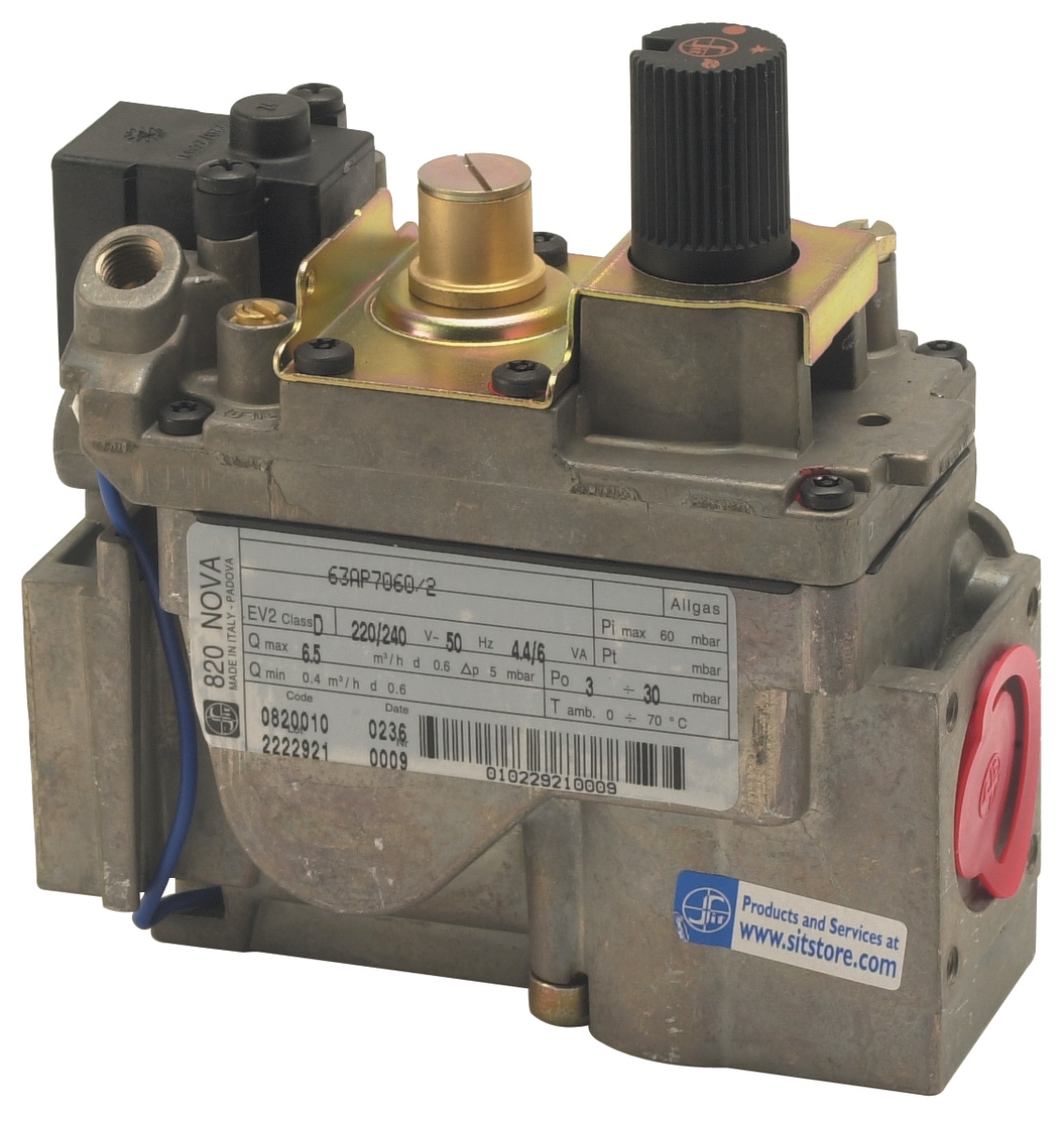
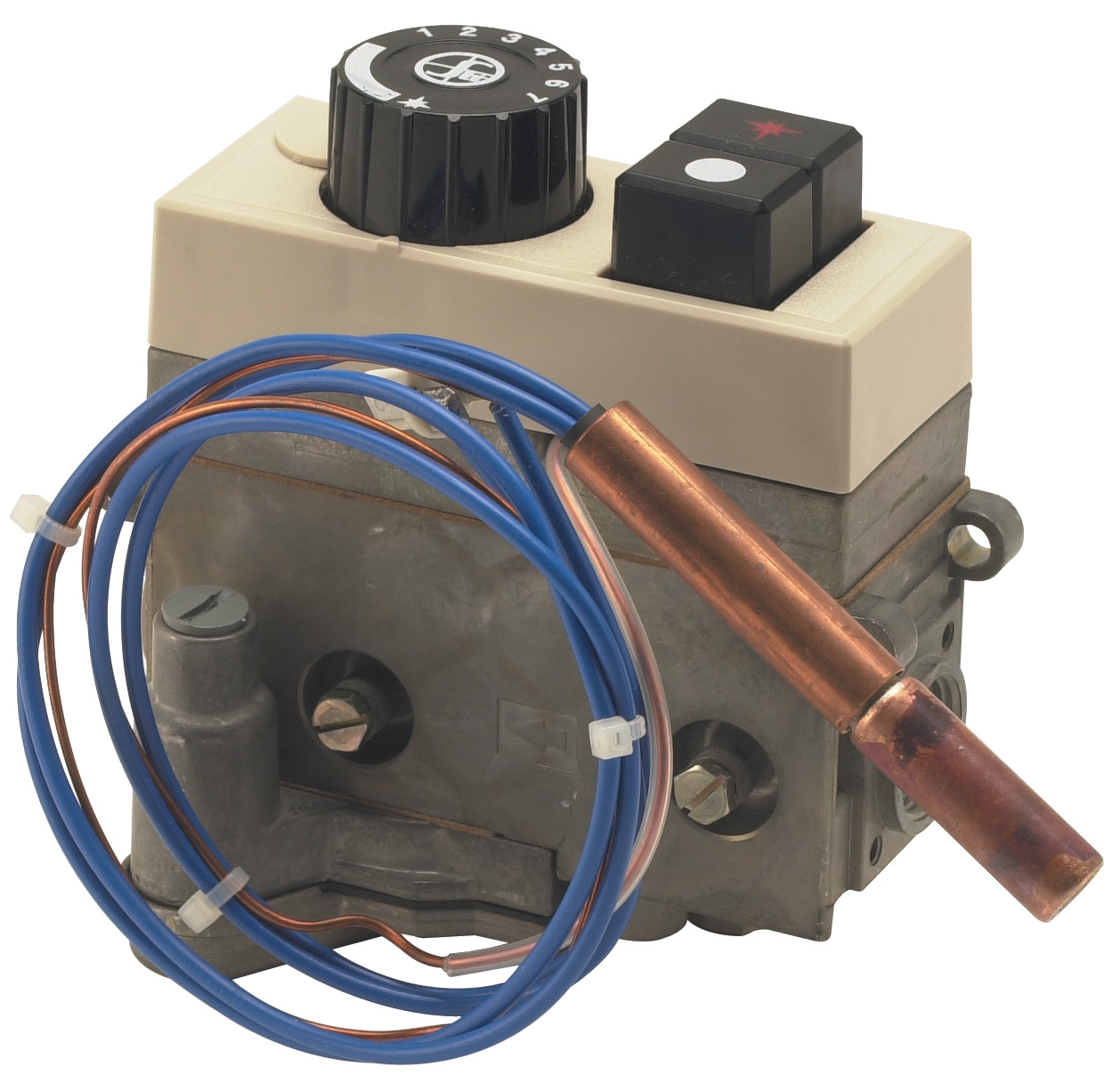
Cover the specific hazards present in your facility—gas pressure risks, flame failure scenarios, electrical faults—rather than generic safety theory. Use actual incidents from your plant's history or industry benchmarks to demonstrate consequences. Include hands-on identification of critical components like the Sit Minisit gas block 0710193 pressure regulators, Sit Sigma gas blocks, and Brahma relay systems that your plant operates.
Module 2: System Architecture and Component Function (6 hours)
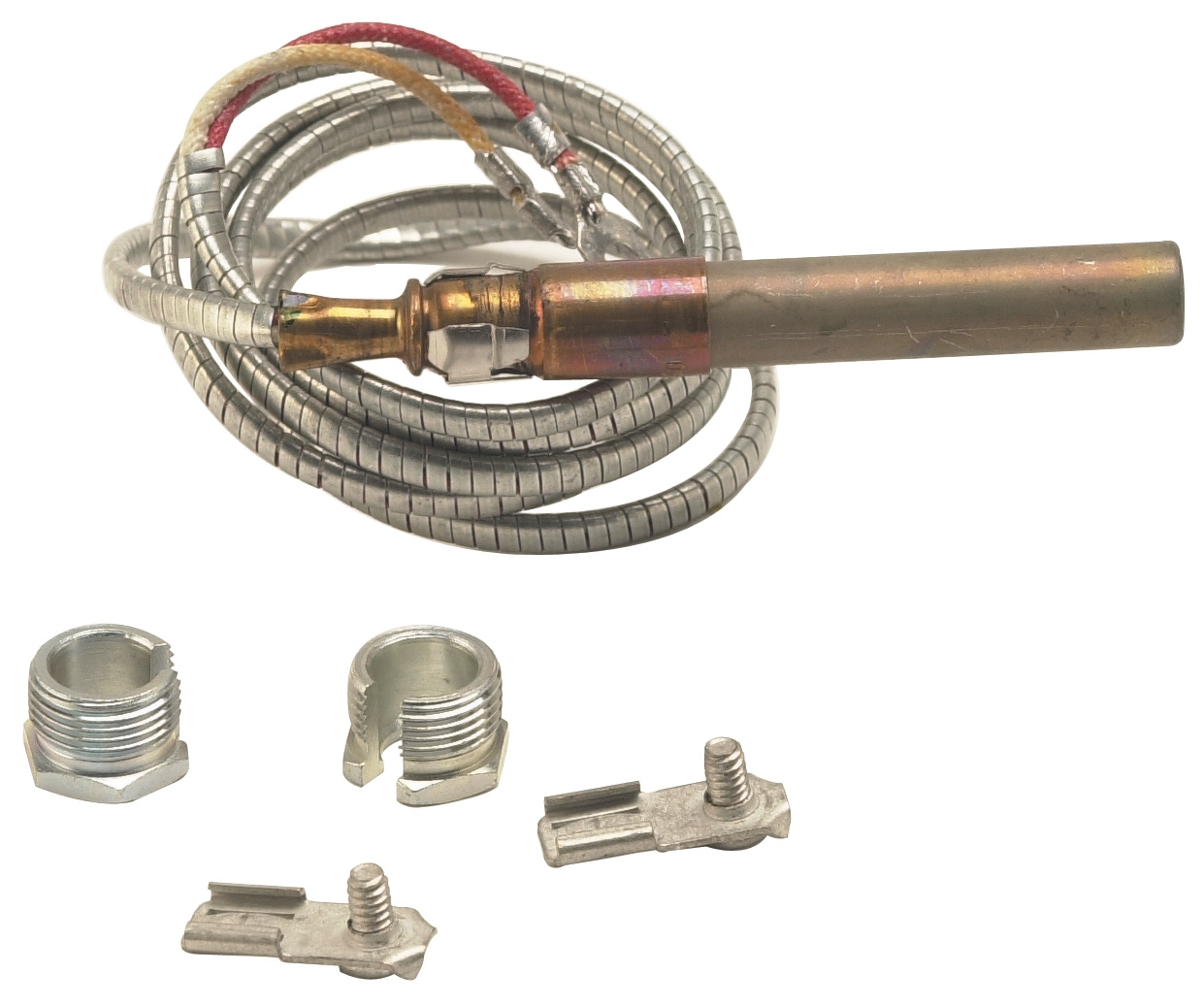
Walk operators through your specific Controls & Safety configuration using actual system diagrams and physical components. Explain how flame detection devices like the Honeywell Thermopile Q 313 A 1188 U convert heat into electrical signals that trigger safety responses. Demonstrate the role of relay systems like the Satronic Relay DKO 976-N mod.05 in monitoring burner operation and executing shutdown sequences.
Module 3: Normal Operation and Monitoring (8 hours)
Create detailed runbooks for your specific equipment. Operators need to understand normal parameter ranges: acceptable gas pressure variations, typical ignition times, expected electrical signal levels. Teach them to recognize when parameters drift outside normal ranges and to document observations systematically.
Module 4: Fault Recognition and Initial Response (6 hours)
Develop scenario-based training where operators practice responding to actual faults that occur in your facility. For example: "The burner fails to ignite on first attempt but succeeds on the second try." (This suggests a weak or slow thermopile—potentially the Honeywell Thermopile Q 313 A 1188 U|thermopile generator is aging.) Train operators to recognize patterns, document specific observations, and follow escalation protocols rather than attempting repairs beyond their competency tier.
Module 5: Compliance Documentation and Regulatory Requirements (4 hours)
Singapore's safety standards require specific documentation and maintenance records. Train operators on required paperwork, inspection frequencies, and reporting requirements. Include practical exercises completing actual compliance forms your plant uses.
Implementing Hands-On Training Sessions
Theory-only training fails for equipment-intensive roles. Schedule monthly 90-minute practical sessions where operators work directly with Controls & Safety components in a controlled environment. Budget for:
- Demonstration Units: Maintain a decommissioned burner control system where operators can safely practice component identification, measurement procedures, and basic diagnostics.
- Supervised Component Replacement: Under technician supervision, have Tier 1 operators practice removing and reinstalling common components like relays and thermopiles on non-critical systems during maintenance windows.
- Data Interpretation: Project actual system logs and sensor readings on screens while operators discuss what they observe and what corrective actions the system should take.
Document all training completion with dates and topics covered. This documentation protects your plant should regulatory audits occur and helps identify knowledge gaps if incidents occur.
Lifecycle Planning: From Procurement to Retirement
Component Lifespan Documentation
Plant managers often lack basic information about when their Controls & Safety components will fail. Create a comprehensive asset register documenting:
- Installation date and commissioning details for each component
- Manufacturer recommended service intervals and replacement cycles
- Actual operating hours or cycles (not just calendar time)
- Environmental stressors specific to your location—Singapore's tropical humidity, salt air in coastal facilities, or dust in certain manufacturing environments all accelerate degradation
- Historical failure data from your facility
For example, thermopile generators like the Honeywell Thermopile Q 313 A 1188 U typically provide 5-7 years of reliable service in normal conditions, but may degrade more rapidly in high-vibration environments or with frequent thermal cycling. Gas blocks like the Sit Minisit 0710193 and Sit Sigma 0840020 often exceed 10 years if properly maintained, but performance drifts gradually before obvious failure occurs.
Predictive Replacement Scheduling
Rather than reactive replacement (component fails, production stops), implement predictive scheduling where you replace components 6-12 months before statistical failure probability increases significantly.
Work with your 3G Electric account manager to establish preferred pricing for planned component orders, which typically offers 15-25% savings compared to emergency replacements. Schedule replacements during planned maintenance windows rather than production shutdowns.
Maintain a minimum stock of critical components on site: at least one spare relay system, one spare thermopile unit, and one spare gas block matching your facility's primary configuration. This inventory costs less than $3,000 SGD but prevents production losses worth $50,000+ SGD when failure occurs unexpectedly.
Documentation and Compliance Record-Keeping
Singapore's regulatory framework requires documented evidence of maintenance, testing, and component replacement. Establish a centralized system (digital or physical) that maintains:
- Original equipment specifications and commissioning records
- All maintenance activities with dates, technician names, and work descriptions
- Component replacement history with part numbers and installation dates
- Inspection and testing results with measured values
- Incident reports and corrective actions taken
- Operator training records with dates and competency verification
This documentation system protects your facility during regulatory audits and insurance investigations. It also provides invaluable data for improving your maintenance program over time.
Building a Sustainable Safety Culture
Creating Accountability and Ownership
Effective Controls & Safety management requires that operators view these systems as their responsibility, not an imposed burden. Achieve this through:
- Regular Safety Meetings: Monthly 30-minute meetings where operators discuss recent system performance, share observations about degradation trends, and propose improvements.
- Near-Miss Reporting: Encourage operators to report instances where controls functioned correctly (e.g., "burner shut down safely when pressure spike occurred") to build confidence in system reliability.
- Peer Recognition: Publicly acknowledge operators who identify potential issues before they become problems or who complete advanced training certifications.
Continuous Improvement Through Data Analysis
Track key metrics quarterly:
- Number of unplanned shutdowns and root causes
- Mean time to restore service (MTRS) after failures
- Compliance audit results and any citations
- Component failure frequencies compared to manufacturer specifications
- Operator training completion rates and assessment scores
Share these metrics with your operations team and discuss trends. For example, if relay systems like the Brahma Relay CM 11F or Satronic DKO 976-N mod.05 fail more frequently than expected, investigate whether your facility's electrical environment (voltage fluctuations, harmonic distortion) is contributing to premature failure.
Regulatory Alignment and Compliance Strategy
Singapore's Ministry of Manpower (MOM) and other regulatory bodies update safety standards periodically. Establish a process where you review regulatory changes annually and assess whether your Controls & Safety systems remain compliant. Budget for upgrades before deadlines force emergency replacements under time pressure.
Involve your 3G Electric account representative in annual compliance reviews. With decades of experience serving Singapore industrial facilities, they can identify equipment that approaches end-of-life under current regulations and recommend compliant replacements before your current systems become legally non-compliant.
Practical Implementation Roadmap for Plant Managers
Beginning this week, initiate three concrete steps:
1. Schedule an equipment audit with your maintenance team to document all Controls & Safety components, installation dates, and current condition. Allocate 1-2 days for this exercise.
2. Draft your operator competency matrix by listing your current staff and assigning Tier 1, 2, or 3 classifications. Identify which operators lack critical competencies and schedule training to address gaps.
3. Contact 3G Electric to discuss your facility's specific Controls & Safety configuration, historical failure patterns, and training needs. Request a formal recommendation for lifecycle management and component stocking strategies.
Implementing structured lifecycle management and operator training requires initial time investment, but delivers measurable returns through improved reliability, reduced emergency shutdowns, and simplified regulatory compliance. Your plant's safety performance and operational resilience depend on these foundational practices.