Introduction: Why Preventive Maintenance for Controls & Safety Systems Matters
Controls & Safety systems are the backbone of safe industrial combustion operations across Singapore's manufacturing, petrochemical, and facilities management sectors. Yet many maintenance teams treat these critical systems reactively—only intervening when failure occurs. This approach carries significant risk.
With over 35 years of experience supplying industrial equipment throughout Asia-Pacific, 3G Electric has observed that facilities implementing structured preventive maintenance programs reduce unplanned shutdowns by 40-60% while extending component lifecycles by 3-5 years. In Singapore's competitive industrial landscape, where downtime directly impacts profitability and regulatory standing, preventive maintenance on Controls & Safety systems isn't optional—it's essential.
This guide provides maintenance teams with actionable inspection routines, testing schedules, and component management strategies tailored to Singapore's operational environment and regulatory expectations.
Section 1: Establishing Your Preventive Maintenance Schedule
Monthly Inspection Routine
Essential monthly checks form the foundation of effective preventive maintenance:
- Visual Component Inspection: Examine all relay housings, pressure switches, and control modules for physical damage, corrosion, or loose connections. Singapore's humid tropical climate accelerates corrosion—pay particular attention to terminal blocks and connector pins where moisture accumulation occurs.
- Electrical Connection Verification: Check continuity on all safety circuit connections using a calibrated multimeter. Verify relay coil voltages match design specifications (typically 230V AC for Singapore installations). Document any voltage drift exceeding ±10%.
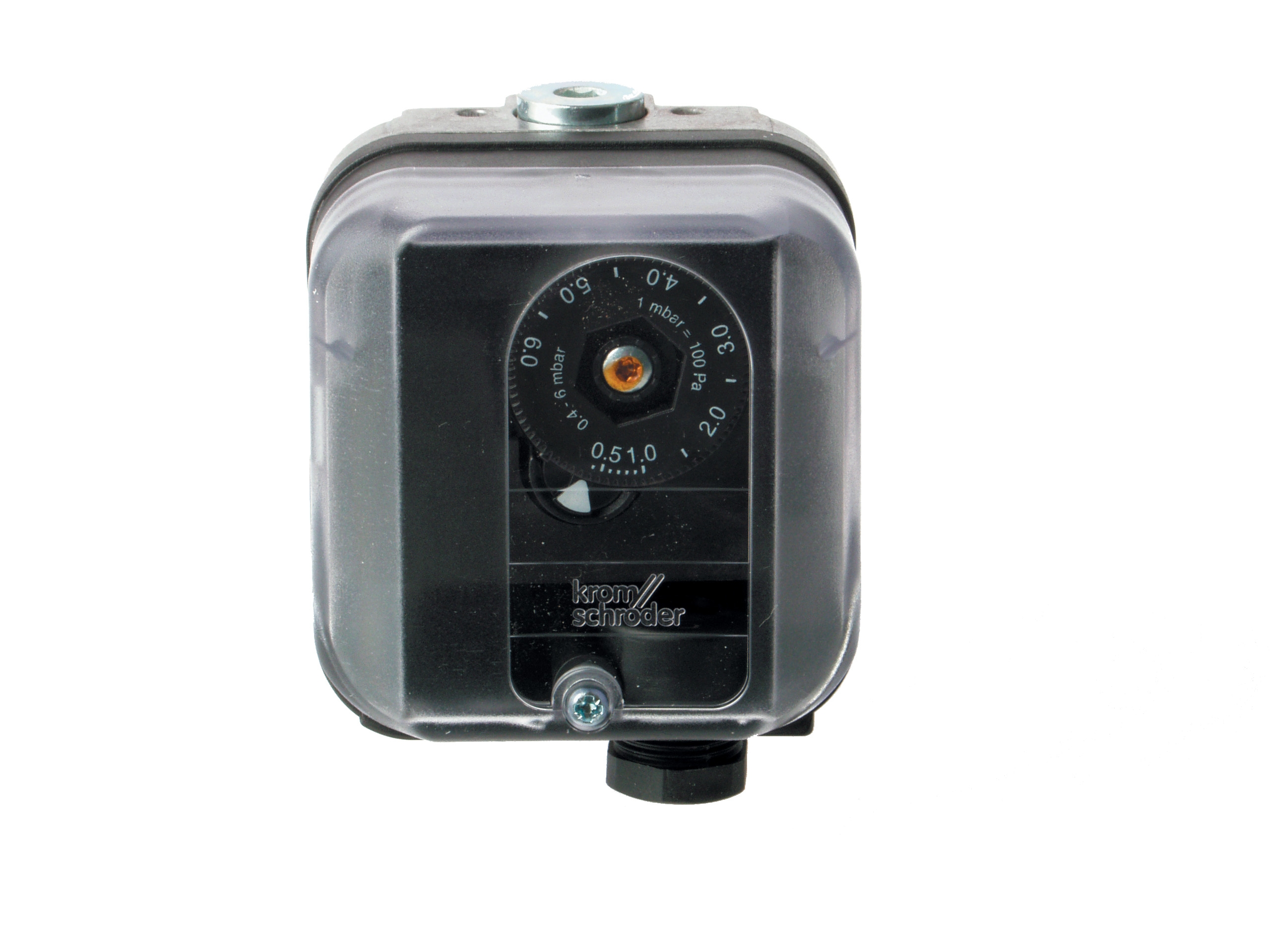
- Pressure Switch Accessibility: Confirm pressure taps feeding Kromschroder DG 50U/6 pressure switches remain clear of blockages. Gentle tapping on accumulated deposits helps; never force or disassemble the switch itself.
- Flame Detection Testing: Observe pilot flame quality and monitor flame signal strength on UV or ionization sensors. Weak or unstable signals indicate sensor contamination—typically resolved by careful cleaning with dry, lint-free materials.
- Control Panel Temperature: Verify cabinet ventilation isn't obstructed. Elevated panel temperatures accelerate electronic component degradation and can cause nuisance shutdowns during summer months.
Quarterly Functional Testing
Every three months, conduct comprehensive functional assessments:
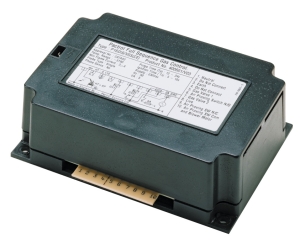
- Relay Response Testing: Verify relay response times for both pickup and dropout using calibrated test equipment. Kromschroder Relay BCU 570WC1F1U0K1-E units should exhibit response times within ±50ms of specification. Document baseline values and investigate deviations exceeding 100ms.
- Safety Interlock Verification: Confirm all safety interlocks function correctly by systematically activating each shutdown condition. Test low-pressure lockout, high-temperature shutdown, and pilot loss response. Record response times.
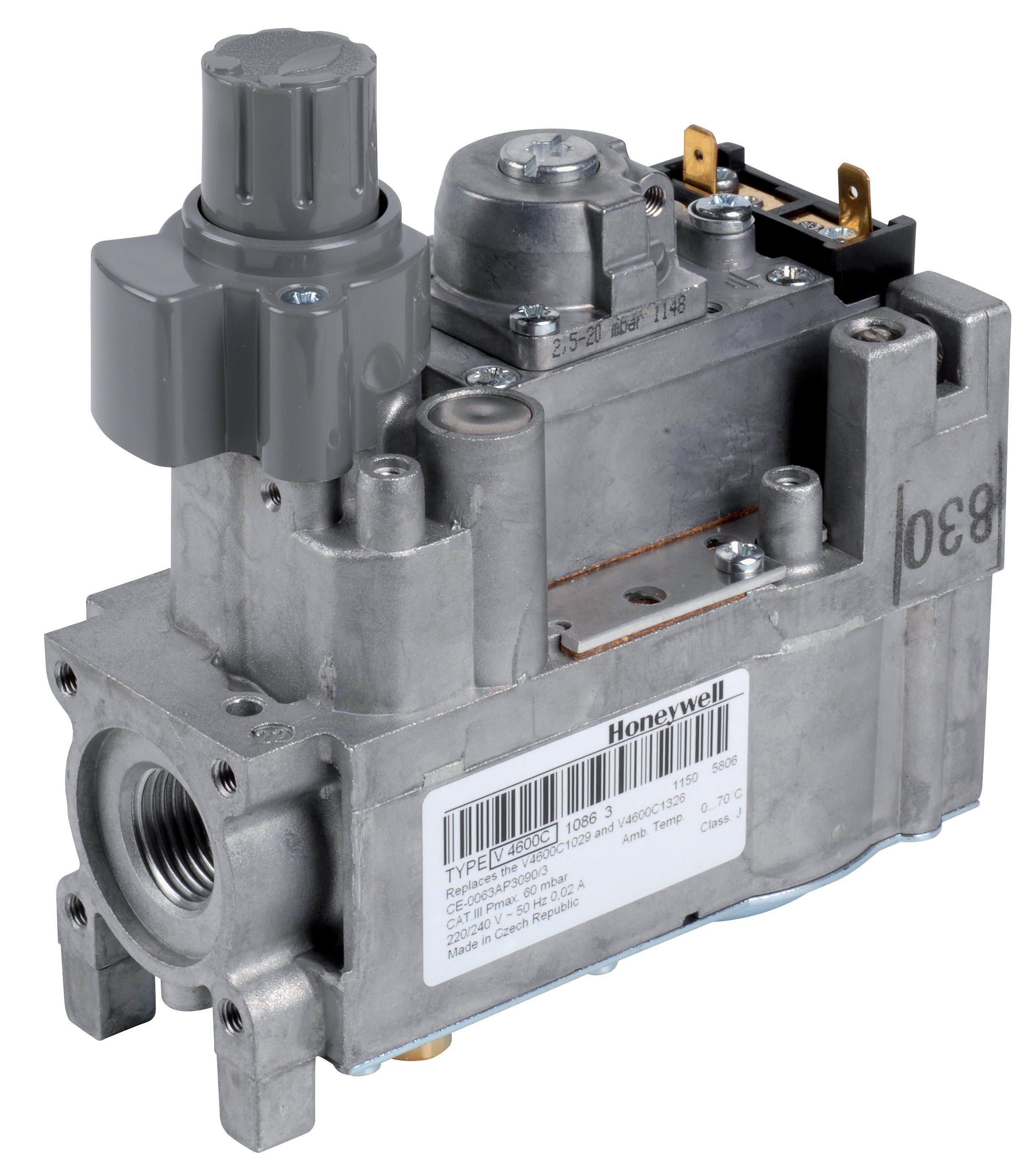
- Modulating Valve Authority: For installations using Honeywell Gas block VK 4105 C 1041 U, verify modulation linearity across the full control range. Test at 10%, 25%, 50%, 75%, and 100% load points.
- Ignition System Performance: Verify ignition transformer output voltage and energy levels on Pactrol Housing P 16 DI CE modules. Expected output should be 10MJ ±10% with consistent spark gap firing.
Semi-Annual Deep Maintenance
Twice yearly, perform thorough system evaluation:
- Component Replacement Assessment: Evaluate whether any components have reached 70% of their expected service life. For relay units operating in demanding environments (high cycling applications or elevated ambient temperatures), consider replacement at this stage to prevent mid-cycle failures.
- Calibration Verification: Send pressure switches to certified calibration labs for verification against national standards. DG 50U/6 units certified to SIL 3 / Performance Level e require documented calibration records for compliance.
- Circuit Documentation Update: Review and update electrical schematics and wiring diagrams. Singapore's MOM (Ministry of Manpower) inspectors expect current documentation. Note any unauthorized modifications or temporary repairs.
- Environmental Assessment: Evaluate control cabinet placement and enclosure integrity. Singapore's tropical monsoon season brings salt-laden air in coastal facilities—consider upgrading to NEMA 4X or IP67-rated enclosures if corrosion is observed.
Annual Comprehensive Audit
Once yearly, conduct full system evaluation:
- Third-Party Safety Assessment: Engage an independent control systems technician to verify system compliance with EN 746-2, EN 676, EN 1854, and local Singapore PSA (Process Safety Architecture) standards. This external perspective identifies compliance gaps internal teams may overlook.
- Spare Parts Inventory Review: Audit critical spare parts inventory. Stock replacement relays (Siemens LFL 1.622), pressure switches, and ignition modules. Singapore's supply chain can be disrupted; maintain 60-90 days of critical component inventory.
- Staff Competency Assessment: Verify that maintenance personnel hold current training certifications for the specific control systems your facility operates. Singapore's IVL (Institute of Technical Education) and TechSkills training programs offer regular certification updates.
- Operational History Analysis: Review the past 12 months of fault logs and shutdowns. Identify recurring failure patterns. If the same component triggers multiple nuisance shutdowns, implement replacement rather than continued troubleshooting.
Section 2: Sensor and Detector Maintenance
Flame Detector Cleaning Protocol
Flame detectors—whether UV-based (as in Siemens LFL 1.622 units) or ionization-based—accumulate carbon deposits and combustion residue. Cleaning frequency depends on fuel type and combustion efficiency:
For Natural Gas Burners: Clean detectors quarterly. Remove the detector from its mounting, wipe the optical window gently with a dry, lint-free microfiber cloth. Never use solvents or aggressive abrasives. Reinstall and verify signal strength stabilizes within 10 seconds of ignition.
For Oil-Fired Burners: Clean monthly. Heavy fuel oil generates substantially more combustion residue. Use a soft brush to remove deposits from the detector face, then wipe with a microfiber cloth. Test signal immediately after cleaning—weak signals indicate internal contamination requiring component replacement.
Environmental Factors: Singapore's humidity (typically 70-90%) and coastal locations accelerate detector window fogging. If cleaning doesn't restore signal strength, apply a thin hydrophobic coating to the optical window to reduce moisture condensation.
Pressure Switch Maintenance
Pressure switches like the Kromschroder DG 50U/6 are mechanical devices requiring careful handling:
- Never disassemble the switch body—this voids certification and introduces contamination.
- Verify tubing connections remain tight; even minor leaks cause erratic signal behavior.
- Inspect diaphragm protection caps remain in place during storage and transit.
- Confirm pressure taps aren't blocked by deposits. Use low-pressure compressed air (2-3 bar) to gently clear blockages.
- Document switch setpoint adjustments. Singapore's regulations require that any modification be recorded and approved by a qualified professional.
Section 3: Electrical System Health Monitoring
Relay Coil and Contact Assessment
Relays are electrochemical devices subject to gradual wear:
- Coil Resistance Testing: Every six months, measure relay coil resistance using an ohmmeter. For 230V AC coils, typical resistance ranges 2-4 kΩ. Deviations exceeding ±15% indicate coil degradation.
- Contact Resistance Measurement: High contact resistance causes voltage drops and nuisance shutdowns. Using a contact resistance meter (milliohm meter), measure contact resistance at full rated load. Values should not exceed 50 mΩ. If contact resistance exceeds 100 mΩ, schedule replacement.
- Mechanical Wear Inspection: Examine relay mechanical linkages for wear, corrosion, or misalignment. Singapore's salt-laden air accelerates corrosion on brass and copper contacts. Apply light lubricating oil (clock oil or sewing machine oil) to pivot points, not to electrical contacts.
Control Transformer Verification
Ignition transformers like those in Pactrol Housing P 16 DI CE modules operate at high voltage:
- Voltage Output Testing: Using a high-voltage probe (rated for 10 kV minimum), verify secondary voltage output. Expected output is 10MJ ±10%. Test under load conditions (with actual ignition electrode gap).
- Primary Winding Insulation: Measure insulation resistance from primary windings to ground using a 500V megohmmeter. Values should exceed 100 MΩ. Lower values indicate moisture intrusion requiring transformer replacement.
- Cooling and Ventilation: Ensure transformer cooling fins are clear of dust and debris. Overheating causes insulation breakdown. In Singapore's tropical climate, consider forced-air cooling if ambient temperatures exceed 35°C regularly.
Section 4: Documentation and Compliance Record Management
Maintenance Record Requirements
Singapore's PSA (Petrochemical Safety Authority) and MOM regulations require documented evidence of preventive maintenance:
- Maintenance Log Entries: Record date, technician name, specific tests performed, results, and any corrective actions taken. Include photographs for significant findings. Maintain logs for minimum 5 years.
- Component Serial Numbers: Maintain a register of all critical components (relays, pressure switches, ignition modules) with serial numbers, installation dates, and maintenance history. This enables rapid replacement of failed units and tracks component longevity.
- Calibration Certificates: Store calibration certificates for pressure switches and other calibrated instruments. Certification labs like TÜV SÜD Singapore provide certificates meeting local regulatory expectations.
- Non-Conformance Reports: When deviations occur (pressure switch setpoint drift, relay response time outside specification), document the deviation, investigation findings, and corrective action. If components don't meet specifications, escalate to management and plan replacement.
Digital Record Systems
Modern maintenance management requires digital tracking:
- CMMS Implementation: Implement a Computerized Maintenance Management System (CMMS) to schedule preventive tasks, track component history, and generate compliance reports. Systems like SAP or Infor offer Singapore-specific configurations.
- Mobile Inspection Tools: Equip maintenance teams with ruggedized tablets or smartphones running CMMS applications. Field technicians can record findings in real-time, reducing data entry errors and improving documentation speed.
- Automated Alerts: Configure alerts for upcoming maintenance due dates. Singapore's fast-paced industrial environment makes it easy to miss schedules without automated reminders.
Regulatory Compliance Integration
Align preventive maintenance records with Singapore's regulatory framework:
- PSA Reporting: For petrochemical facilities, integrate preventive maintenance data into Process Safety Architecture (PSA) management systems. Show regulators that preventive maintenance is systematic and documented.
- MOM Work Safety Requirements: For general industrial facilities, maintain records demonstrating compliance with Workplace Safety and Health Act requirements. Emphasis on preventive maintenance demonstrates due diligence.
- ISO 50001 Energy Management: For facilities pursuing ISO 50001 certification, document how preventive maintenance on Controls & Safety systems reduces energy waste from inefficient combustion and prevents shutdown-related inefficiencies.
Conclusion: Building a Culture of Preventive Maintenance
Preventive maintenance on Controls & Safety systems is not an expense—it's an investment in operational reliability, safety compliance, and cost control. By implementing the systematic inspection routines, testing protocols, and documentation practices outlined in this guide, Singapore maintenance teams can achieve measurable improvements in equipment uptime and regulatory standing.
3G Electric's 35+ years of experience supplying industrial equipment across Asia-Pacific demonstrates consistently that facilities with structured preventive maintenance programs outperform reactive-maintenance facilities across every metric: safety incidents decrease, unexpected shutdowns decline, and component lifecycles extend significantly.
Start with monthly inspections, progress to quarterly functional testing, and conduct semi-annual and annual audits as your program matures. Document everything. Engage third-party auditors annually. Build preventive maintenance into your facility's operational culture—and watch your Controls & Safety system reliability reach world-class levels.
For guidance on specific components or preventive maintenance protocols for your installation, 3G Electric's technical team stands ready to support your maintenance operations.