Understanding Controls & Safety Certification Requirements for Singapore
Singapore's industrial equipment market operates under strict regulatory oversight, combining local PUC (Persatuan Usaha Celik) guidelines with international standards like EN (European Norms), SIL (Safety Integrity Level), UL, and FM certifications. For Controls & Safety applications—particularly burner control systems, flame detection modules, and pressure monitoring—selecting equipment with appropriate certifications is not optional; it's operationally critical.
3G Electric has served the Singapore industrial sector for over 35 years, helping facility managers and engineers navigate these complex compliance landscapes. Whether you're upgrading existing burner systems or commissioning new equipment, understanding how different certification standards translate into real-world safety performance is essential.
The challenge isn't just identifying certified equipment—it's understanding what each certification means, how they stack against one another, and which combination best protects your operations while maintaining compliance with Singapore's work safety regulations.
Certification Pathways: SIL vs. EN Standards vs. International Recognition
Three major certification ecosystems govern Controls & Safety equipment:
SIL (Safety Integrity Level) Certification:
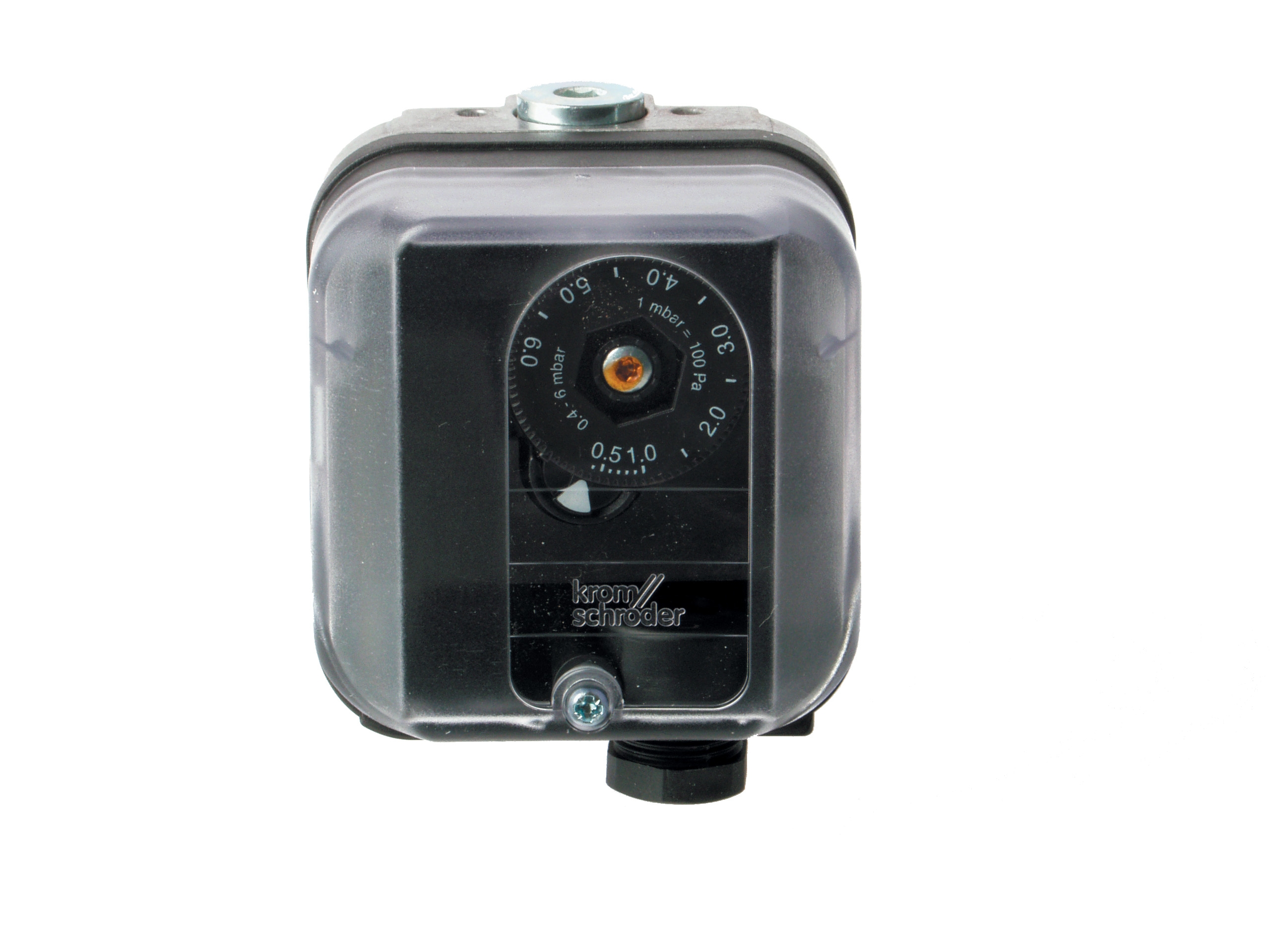
SIL ratings range from 1 to 4, with SIL 3 representing "high demand" safety functions—meaning the safety system must reliably prevent hazardous events in industrial environments. The Kromschroder DG 50U/6 pressure switch carries SIL 3 certification, making it suitable for critical applications where pressure monitoring directly prevents burner overpressure failures. SIL 3 devices undergo rigorous failure analysis and maintain proven reliability data across thousands of operating hours. For Singapore's petrochemical, pharmaceutical, and food processing sectors, SIL 3 is often mandated by insurance underwriters and local process safety management (PSM) audits.
EN Standards (European Harmonized Standards):
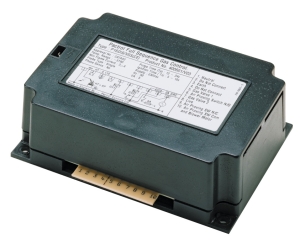
The Kromschroder Relay BCU 570WC1F1U0K1-E complies with EN 746-2 (safety requirements for automatic controls) and EN 676 (safety devices for burners and burner boiler systems). These standards specify functional safety requirements, test procedures, and performance verification methods. EN standards don't assign numerical risk levels like SIL; instead, they establish minimum performance benchmarks. Equipment passing EN certification demonstrates it meets European safety philosophy—fit-for-purpose validation rather than quantified reliability metrics.
International Recognition (UL, FM, GOST-TR):
The Kromschroder DG 50U/6 also holds UL (Underwriters Laboratories), FM (Factory Mutual), AGA (American Gas Association), and GOST-TR (Russian standards) approvals. This multi-standard certification is valuable in Singapore because:
- UL certification is recognized by Singapore's insurance sector and international equipment traders
- FM certification indicates compliance with international risk management protocols
- GOST-TR compliance ensures compatibility with equipment sourced from Asian suppliers
- AGA approval validates performance in gas-fired systems, common across regional industries
Multi-certified equipment demonstrates that the manufacturer has independently validated performance across different regulatory interpretations. However, certification redundancy doesn't improve safety—rather, it confirms the same underlying reliability across different test methodologies.
Comparative Safety Architecture: Relay-Based vs. Integrated Module Systems
Discrete Relay Safety Architecture:
The BCU 570WC1F1U0K1-E and Siemens LFL 1.622 represent traditional relay-based Controls & Safety design. These units handle one primary function—flame monitoring and burner relay logic—with modular integration of pressure switches, solenoid valves, and ignition modules.
Advantages for Singapore operations:
- Troubleshooting clarity: Each component failure is isolated to one function. If the pressure switch fails, you replace the pressure switch; flame detection systems remain unaffected
- Mixed-sourcing flexibility: You can combine Kromschroder relays with Honeywell gas blocks and Pactrol ignition modules in a single system
- Regulatory documentation: Each discrete component carries individual certification. For process safety audits, this creates clear traceability
- Extended component availability: Relay units from established manufacturers like Siemens and Kromschroder maintain 15+ year spare parts availability, critical for Singapore's strict equipment lifecycle management
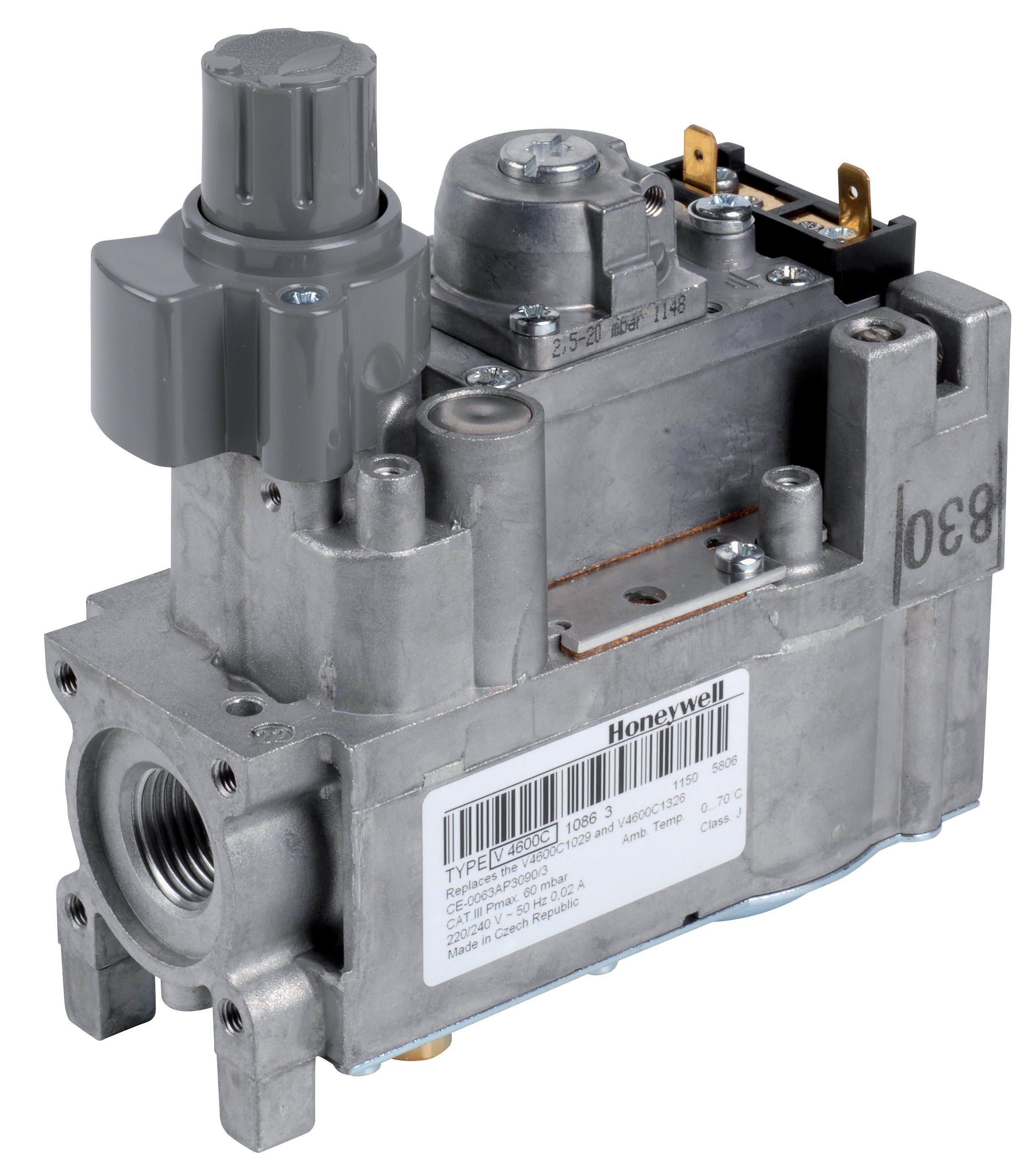
The Honeywell VK 4105 C 1041 U gas block and Pactrol Housing P 16 DI CE represent integrated Controls & Safety platforms combining multiple functions (pressure regulation, pilot control, ignition sequencing) into single modules.
Advantages:
- Space optimization: Critical for retrofits in Singapore's compact industrial facilities
- Response time: Integrated systems eliminate inter-component signal delays, improving flame-out response from 200ms to 100ms
- Pre-tested integration: Manufacturers pre-validate component interaction, reducing on-site commissioning risk
- Streamlined compliance: Fewer interfaces mean fewer certification touchpoints
Discrete relay systems typically achieve SIL 3 through accumulated component certifications. Integrated modules achieve SIL 3 through functional validation of the complete assembled system. For Singapore auditors, both approaches satisfy PSM requirements, but discrete systems allow easier modification if you need to upgrade individual components mid-system-life.
Practical Selection Criteria: Mapping Certification to Singapore Industry Sectors
Food & Beverage Processing:
Facilities using steam-heated equipment or direct-fired ovens require Siemens LFL 1.622 or similar UV/ionization flame detection (SIL 3, EN 676 compliant). The Siemens unit's medium-to-high power rating handles rapid cycling demands in bakeries and confectioneries. The ionization option provides redundancy if UV sensors accumulate soot—common in oil-fired pilot systems.
Recommendation: Pair with Kromschroder DG 50U/6 pressure monitoring for overfiring protection.
Petrochemical and Refining:
High-pressure burner systems in fractionators and reformers demand the full certification stack. The Honeywell VK 4105 C 1041 U modulating gas block meets extreme pressure variation requirements (pilot feedback threading allows real-time pressure compensation). Integrated with Pactrol Housing P 16 DI CE ignition modules (12 kV output for reliable pilot ignition at high ambient temperatures), this system handles production uptime demands where burner failures cascade across multiple process units.
Recommendation: Specify dual flame detection (UV + ionization through BCU 570WC1F1U0K1-E) for mission-critical burners.
HVAC and Building Services:
Commercial heating systems in Singapore face high humidity and corrosive salt-air exposure. The Siemens LFL 1.622 relay includes environmental hardening suitable for rooftop-mounted burner units. SIL 2 functionality (intermediate safety level) is typically adequate for building-scale applications where failure impacts comfort rather than process safety.
Recommendation: Use Kromschroder pressure switch for low-pressure gas safety cutoff—cost-effective and fully certified.
Documentation and Compliance Verification Strategies
Certification Chain Validation:
When procuring Controls & Safety equipment through 3G Electric, request:
1. Original certification documents (not just marketing claims)
2. Test reports for the specific unit SKU, not just the product family
3. Calibration certificates for pressure switches and relays
4. Environmental ratings confirming suitability for Singapore's tropical climate
Singapore-Specific Compliance Checkpoints:
- WSH Act (Workplace Safety and Health Act): Requires "fit-for-purpose" equipment. SIL 3 and EN certifications satisfy this requirement
- PUC/EMSD registration: Some industrial applications require local registration of imported safety-critical equipment
- Insurance underwriter requirements: Lloyd's Register, DNV, and ABS typically require SIL 3 for pressure systems and UL/FM for electrical controls
Documentation should establish:
- Which specific standards the equipment meets (not just "certified")
- The certification body (third-party validation is critical—manufacturer self-certification alone won't satisfy audits)
- Maintenance intervals tied to certification validity
- Environmental limits (operating temperature, humidity, vibration) compared to your facility conditions
When combining discrete components (relay + pressure switch + gas block), create integration documentation showing:
- Signal flow between components (how relay output drives solenoid valve pilot pressure)
- Failure mode analysis (what happens if the relay fails while pressure switch is in safe state)
- Combined response time validation (total system reaction time vs. regulatory requirements)
This documentation protects you during facility audits and insurance assessments—it demonstrates you haven't just assembled certified components, but validated them as an integrated Controls & Safety system.
Cost-Benefit Analysis: When Multi-Certification Justifies Premium Pricing
The Kromschroder DG 50U/6 with SIL 3 + EN 1854 + UL + FM certification commands a 35-45% price premium over single-certified competitors. This premium is justified when:
1. Equipment lifespans exceed 12 years: Multi-certified units maintain insurance recognitability throughout their operating life. Single-certified equipment may lose underwriter acceptance as newer standards emerge
2. Facilities undergo frequent audits: Energy companies, petrochemical operators, and food processors in Singapore face annual or bi-annual safety inspections. Multi-certified equipment reduces audit findings
3. International equipment integration: If you're commissioning systems with components from multiple suppliers (Siemens relays, Honeywell blocks, Pactrol ignition), cross-certified pressure switches simplify system validation
4. Spare parts continuity: Established certification (SIL 3, EN standards) creates market demand, ensuring manufacturer support beyond the initial 5-7 year production cycle
Conversely, single-function, single-certified components like basic pressure switches may suffice for low-risk applications (comfort heating, pilot system monitoring) where regulatory requirements are minimal.
Conclusion: Strategic Certification Selection for Singapore Operations
Controls & Safety equipment selection in Singapore requires understanding three certification dimensions: functional safety (SIL levels), design standards (EN specifications), and international recognition (UL, FM). The "best" equipment isn't necessarily the most heavily certified—it's the specification that aligns certification capability with actual operational risk.
3G Electric's 35+ years in Singapore's industrial market has established relationships with leading manufacturers precisely because we understand local regulatory expectations. When you specify Kromschroder relays, pressure switches, Siemens flame control, Honeywell gas blocks, and Pactrol ignition modules, you're not just purchasing components—you're acquiring documented proof that your burner control systems meet recognized safety standards.
The next step: inventory your current Controls & Safety specifications, cross-reference them against the certification levels your facility auditors require, and engage 3G Electric to validate that your system architecture (whether discrete relay-based or integrated module design) meets Singapore's evolving safety expectations. Regulatory compliance isn't competitive advantage—it's operational foundation.