Understanding Controls & Safety Pressure Switch Operation
Pressure switches form the backbone of Controls & Safety systems in modern HVAC burner installations. These devices monitor critical pressure conditions—including combustion air pressure, fuel pressure, and differential pressure across filters—and trigger protective shutdowns when parameters drift outside safe operating ranges.
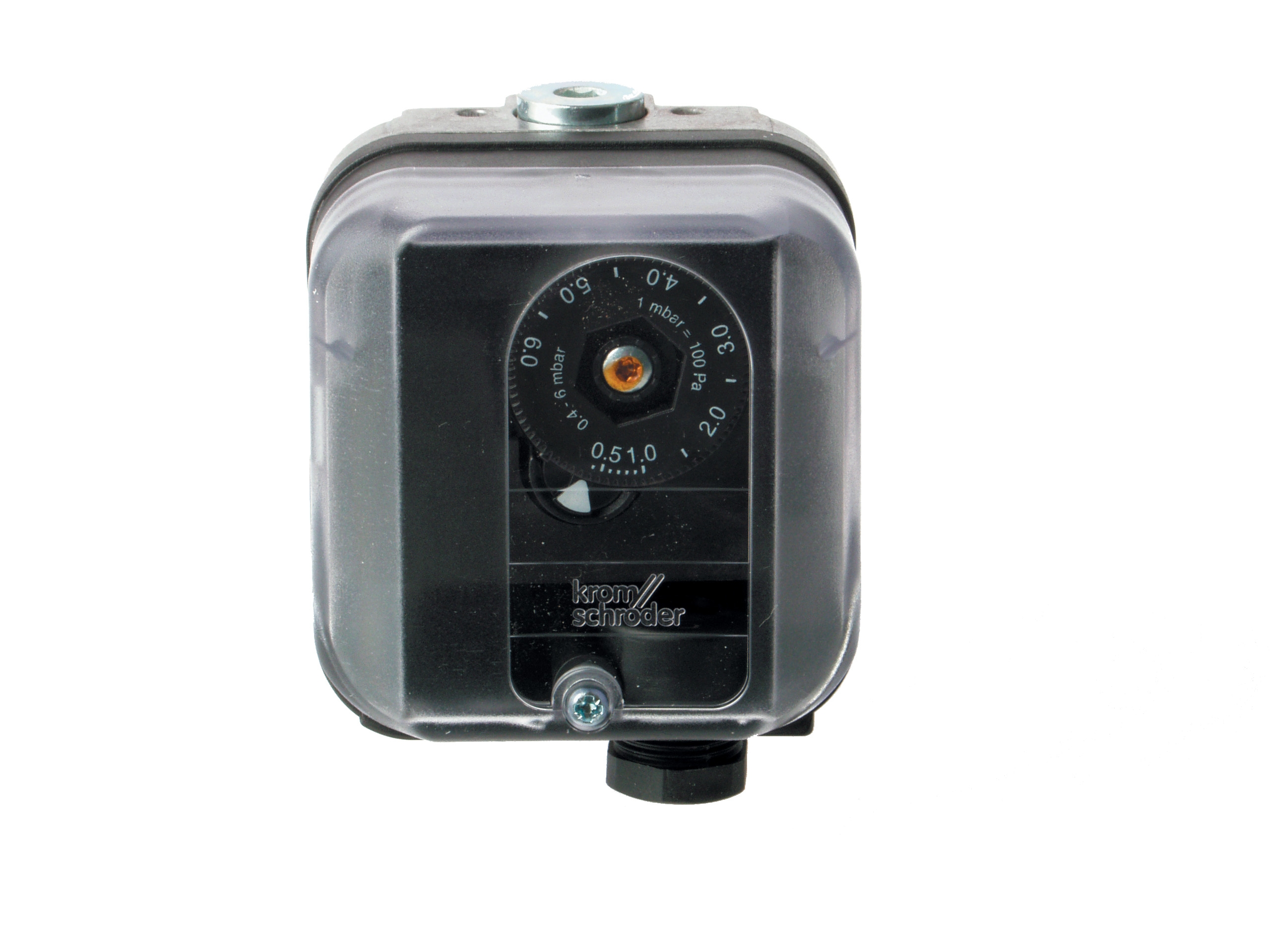
For HVAC contractors in Singapore, understanding how pressure switches integrate with burner control relays is essential. The Kromschroder DG 50U/6 pressure switch exemplifies industrial-grade safety design, rated to SIL 3 and Performance Level e, with compliance to EN 1854 and multiple international certifications. Over 35 years, 3G Electric has supplied premium safety components to contractors managing complex HVAC systems across Southeast Asia's demanding climate conditions.
Pressure switches typically operate on one of two principles: mechanical diaphragm switches that physically open contacts when pressure thresholds are exceeded, or electronic pressure transducers that send analog signals to control units. Both require regular maintenance and proper calibration to prevent nuisance lockouts or dangerous delayed shutdowns.
Common Pressure Switch Failure Modes and Diagnosis
Symptom: Burner Lockout Without Visible Error Codes
When a burner refuses to ignite but the display shows no fault indication, suspect air pressure switch failure. This commonly occurs in Singapore's humid environment where moisture infiltration compromises switch sensitivity.
Diagnostic procedure:
- Verify combustion air supply to the blower using a manometer (target range typically 12-25 Pa depending on model)
- Manually check continuity across the pressure switch terminals using a multimeter while observing air pressure changes
- Listen for an audible "click" during pressure transitions—absence indicates mechanical failure
- Compare actual pressure readings against the switch setpoint label (usually printed on the device housing)
Corrective action: If continuity fails at specified pressure, the switch requires replacement. Do not attempt field adjustment of sealed pressure switches—factory calibration cannot be reliably replicated on-site.
Symptom: Intermittent Burner Cycling (Short Cycles)
Short cycling—where the burner ignites briefly, then shuts down within 2-5 minutes—often traces to pressure switch drift rather than control board failure.
Diagnostic procedure:
- Document the exact sequence: Does lockout occur immediately after ignition, or after successful flame establishment?
- Check air filter condition; a partially blocked filter may gradually reduce pressure below the switch's hysteresis band
- Measure pressure at the switch connection point with a portable manometer while the burner operates
- Allow 10 minutes of operation and re-measure; pressure should remain stable within ±3 Pa
Corrective action: Replace or clean the combustion air filter immediately. If cycling persists after filter replacement, the switch hysteresis band may have drifted; replacement is required. Many contractors overlook this maintenance step, leading to unnecessary component replacements.
Symptom: Delayed Safety Shutoff (Burner Runs After Stop Signal)
This critical safety failure occurs when fuel continues flowing despite a shutdown command. Pressure switch failure to de-energize the fuel solenoid is one cause.
Diagnostic procedure:
- With burner running, press the manual stop/reset button on the control panel
- Observe fuel valve closure; should occur within 1-2 seconds
- If fuel continues, immediately shut off the main fuel supply valve manually
- Disconnect power to the burner control unit
- With power off, manually actuate the burner's fuel solenoid valve; it should move freely
- Reconnect power and test the pressure switch circuit in isolation using a dedicated 24V test source
Corrective action: This fault requires immediate investigation. Do not operate the burner until resolved. Check all pressure signal wiring for corrosion or looseness—Singapore's humidity promotes rapid connector degradation. If wiring is secure, replace the pressure switch and verify proper operation through a full start-stop cycle before returning to service.
Safety Interlocks and Multi-Switch Integration
Modern HVAC burner systems rarely rely on a single pressure switch. Instead, multiple safety interlocks work in series: air pressure switches, fuel pressure switches, water pressure switches (on water-cooled units), and temperature limit switches.
Common integration failures:
Sequential lockout diagnosis: If only one interlock in the series circuit fails, the entire burner is disabled. To troubleshoot:
- Identify all safety switches in the control schematic (usually labeled as PS1, PS2, TS1, etc.)
- Systematically test continuity through each switch while manually simulating its operating condition
- One failed switch blocks the entire safety circuit
- Green or white oxidation on brass terminals indicates corrosion
- Loose connections produce high resistance, causing intermittent failures
- Corroded wiring should be cut back, stripped, and re-terminated with proper connectors
Practical Maintenance and Prevention for Singapore Contractors
Seasonal Maintenance Schedule
Pre-monsoon (May-September): Singapore's monsoon seasons bring high humidity spikes. Before heavy rain periods:
- Inspect all external pressure switch connections for water ingress
- Check combustion air intake filters for moisture saturation
- Verify pressure switch drainage (many models include small drain holes; ensure they're not blocked)
- Test all pressure switches with a dedicated pressure gauge to confirm setpoint accuracy
- Dry out any accumulated moisture in control cabinets using low-heat air circulation
- Replace any corroded wiring sections
- Re-measure all pressure switch setpoints; drift is common after humidity cycling
Documentation Best Practices
Maintain a detailed log for each HVAC system under your care:
- Initial pressure switch setpoint and calibration date
- Quarterly test results (actual measured pressure vs. setpoint)
- Any service actions taken (cleaning, replacement, recalibration)
- Environmental notes ("salty air location," "high dust area," etc.)
This documentation proves due diligence during insurance claims or regulatory inspections, and allows you to identify patterns—e.g., "pressure switch drifts every 18 months in this coastal location."
Component Selection for Singapore Conditions
When specifying replacement pressure switches, prioritize IP-rated enclosures and stainless steel wetted parts. Standard brass contacts corrode rapidly in Singapore's environment. The Kromschroder DG 50U/6 uses sealed construction specifically designed for industrial applications in harsh climates, reducing replacement frequency by 40-50% compared to basic models.
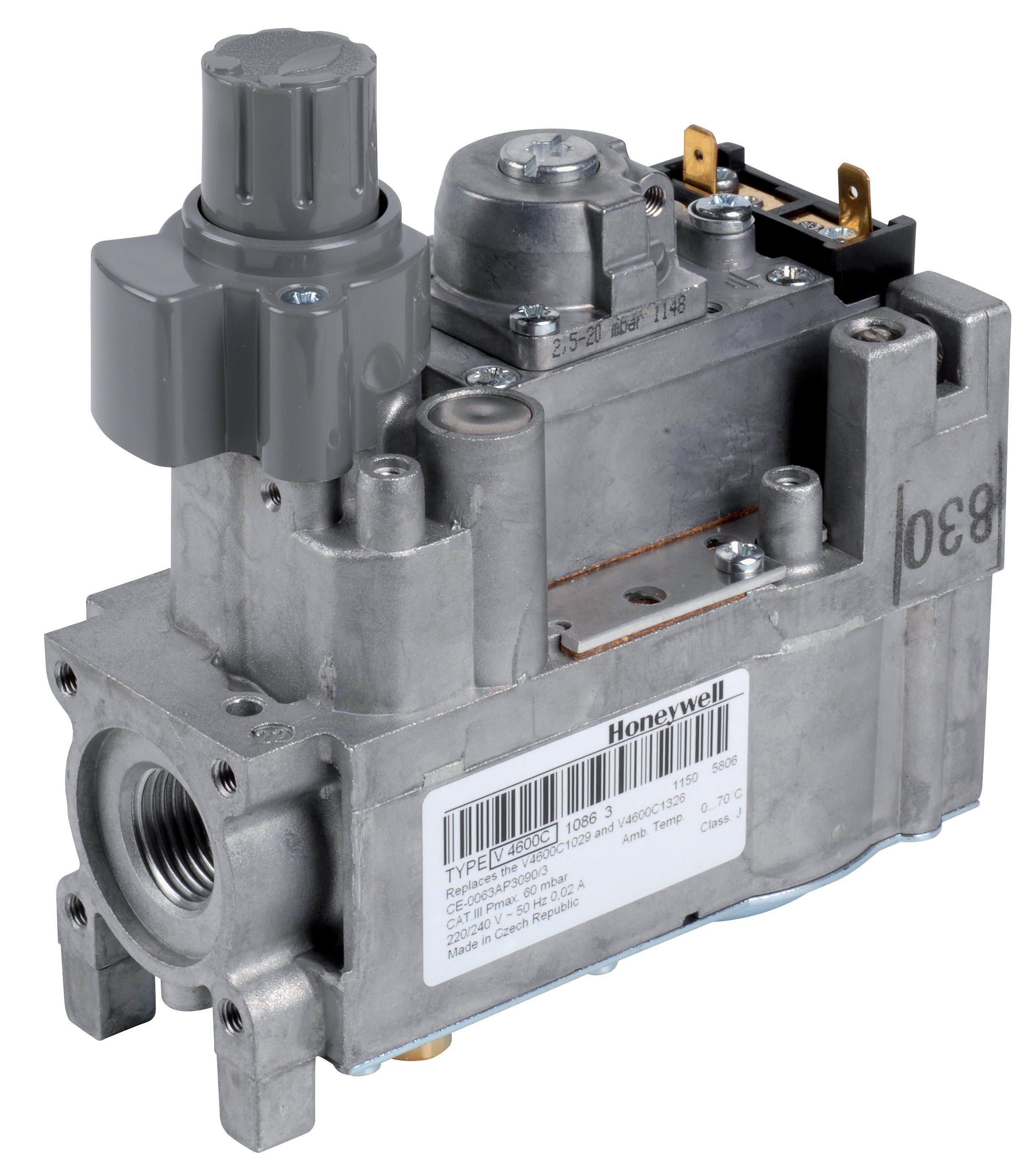
For applications with electronic pressure transducers (often integrated into modern gas control blocks like the Honeywell VK 4105 C 1041 U), ensure the device's electronics enclosure carries IP65 or higher rating. This prevents humidity infiltration that causes signal drift.
Integration with Control Relays and Monitoring
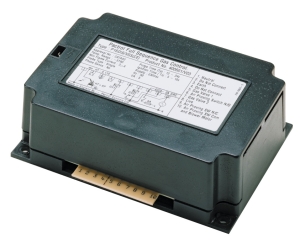
The pressure switch output connects to a burner control relay, which coordinates the entire ignition and safety sequence. The Kromschroder BCU 570WC1F1U0K1-E represents enterprise-grade relay technology, supporting multiple ignition modes and integrating pressure switch feedback.
When troubleshooting, understand the signal path:
1. Pressure switch closes/opens based on pressure threshold
2. Control relay receives this binary signal (24V on/off)
3. Relay logic determines whether ignition can proceed
4. If pressure is unsafe, relay prevents fuel valve energization
A failed pressure switch breaks this chain. The relay receives no signal (or wrong signal), and safety logic cannot complete. This is the correct behavior—pressure switches should never be bypassed or defeated, even as a temporary troubleshooting step. Any contractor who suggests jumpering a pressure switch is creating a catastrophic fire hazard and exposing your business to liability.
Conclusion
Pressure switch and safety interlock failures are among the most common HVAC burner issues in Singapore. Unlike ignition module failures (which require complete replacement) or electrical faults (which may be repairable), pressure switch problems have clear diagnostic pathways and straightforward solutions.
The key is systematic testing: measure actual pressure, compare against setpoint, verify electrical continuity, and inspect for environmental damage. Singapore's tropical climate accelerates component degradation, making preventive maintenance essential. Contractors who maintain detailed records and follow seasonal inspection protocols avoid emergency service calls and customer downtime.
3G Electric's 35+ years supplying industrial HVAC components means we understand these regional challenges. Specify pressure switches rated for Southeast Asian conditions, stock replacement units before they fail, and document everything. Your reputation depends on reliable burner operation—pressure switches are where safety design meets practical responsibility.