Understanding Controls & Safety System Performance Degradation
Controls & Safety systems represent the critical intelligence layer of modern industrial burner equipment. After 35+ years as a distributor serving Singapore's manufacturing and facility management sectors, 3G Electric has observed that procurement engineers often focus on initial specification and installation, yet performance degradation occurs silently over months of operation. Understanding the root causes of this degradation—and implementing systematic diagnostics—directly impacts operational costs, safety compliance, and equipment lifespan.
The distinction between Controls & Safety system failure and performance degradation is crucial. A system that functions technically may deliver suboptimal performance through drift, calibration loss, or component aging. For procurement professionals, recognizing these subtle indicators enables proactive intervention before catastrophic failure occurs.
Performance degradation manifests across three primary domains: flame detection sensitivity loss, control signal response delay, and pressure measurement drift. Each domain requires distinct diagnostic approaches and remediation strategies. Singapore's tropical climate—with high humidity, salt-laden air in coastal facilities, and temperature fluctuations—accelerates degradation in electronic control components, particularly in relay systems and pressure switches.
Diagnostic Frameworks for Controls & Safety System Assessment
Flame Detection Sensitivity Analysis
Flame detection systems rely on UV sensors or ionization electrodes to confirm combustion. Sensitivity loss occurs through three mechanisms: optical element fouling, electronic amplifier drift, or flame signal interference. The Siemens LFL 1.622 safety control unit incorporates both UV and ionization flame monitoring, providing redundancy that masks early degradation until simultaneous failure occurs.
Diagnostic procedure:
- Measure UV sensor output voltage under stable flame conditions. Reference baseline values from commissioning documentation. Singapore facilities should perform this quarterly in high-humidity coastal environments.
- Compare ionization electrode signal against reference waveforms. Signal amplitude typically decreases 5-8% annually under normal conditions; values exceeding 15% annual loss indicate accelerated degradation requiring investigation.
- Perform optical path inspection. Fouling appears as darkening on sensor windows—clean carefully with lint-free materials and document the cleaning event for trending analysis.
- Test flame detection response time using controlled ignition-extinction cycles. Modern systems should respond within 2-3 seconds; delays exceeding 5 seconds indicate electronics drift requiring calibration or component replacement.
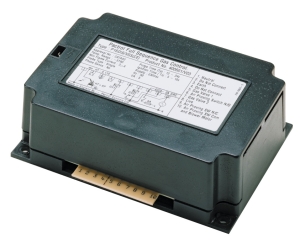
For systems using the Pactrol Housing P 16 DI CE ignition module, flame confirmation should occur within one cycle after ignition command. Extended confirmation delays suggest either sensor degradation or control module malfunction.
Pressure Switch Calibration Verification
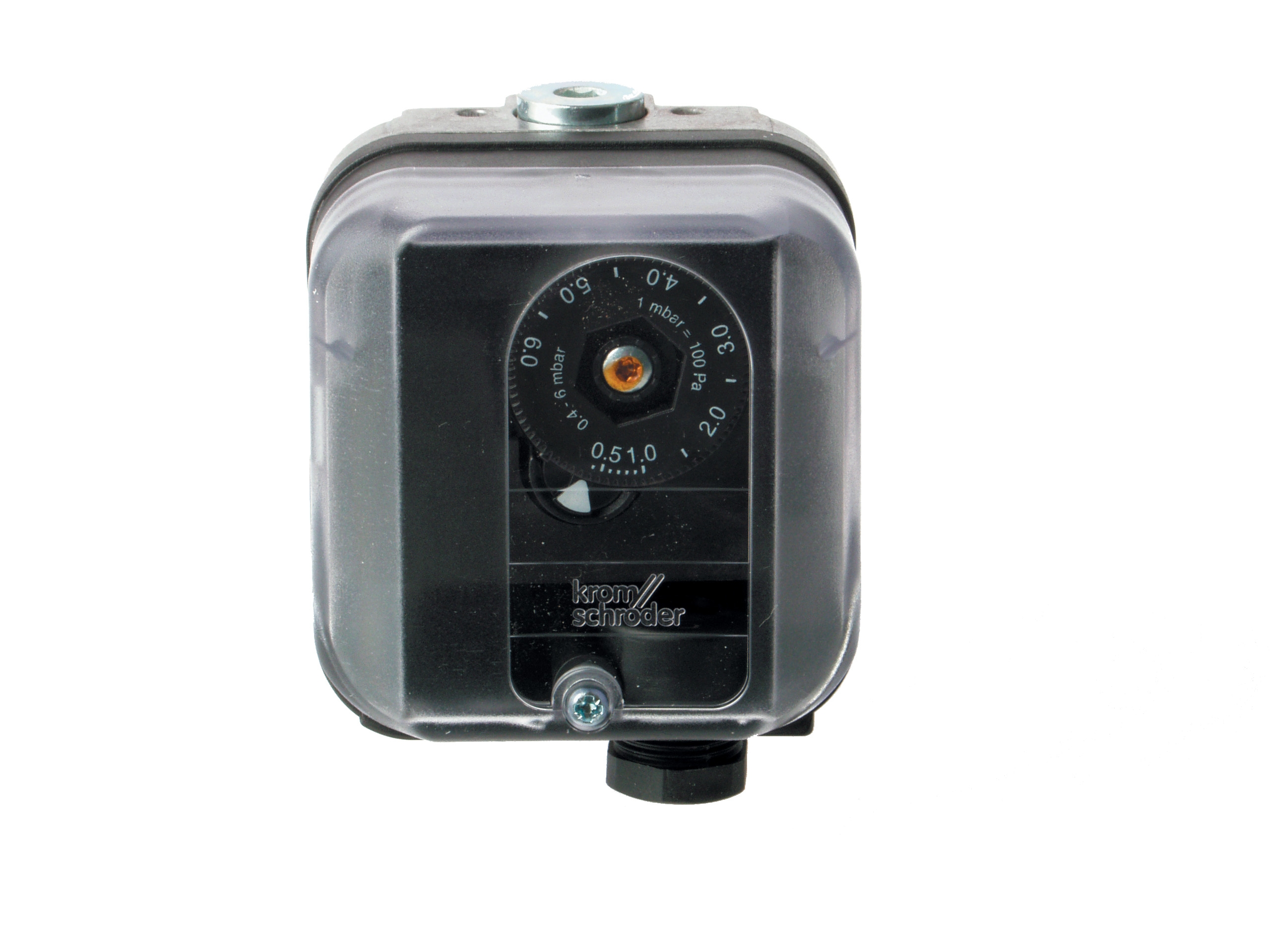
The Kromschroder DG 50U/6 pressure switch rated at SIL 3 and Performance Level e must maintain calibration within ±3% of setpoint. Drift beyond this tolerance creates two risks: false shutdowns reducing equipment availability, or delayed shutdown enabling unsafe operating conditions.
Calibration drift occurs through bellows seal relaxation, spring fatigue, and electronic threshold migration. Singapore's high humidity environment accelerates corrosion of switch contacts, creating contact resistance that affects signal integrity.
Verification methodology:
- Remove pressure switch from system under controlled shutdown conditions
- Connect to calibrated pressure source (accuracy ±1% minimum)
- Increase pressure slowly, recording the point where electrical continuity changes
- Compare to switch setpoint specification; note whether actuation occurs above or below specification
- Perform reverse cycle: decrease pressure to confirm hysteresis characteristics (typically 5-8% of setpoint)
- If drift exceeds ±5%, schedule immediate replacement; do not attempt field recalibration
- Document all measurements with date, technician identification, and environmental conditions
For procurement planning, budget pressure switch replacement every 3-4 years in Singapore coastal facilities, annually in high-humidity environments.
Relay System Response Testing
The Kromschroder Relay BCU 570WC1F1U0K1-E supporting direct and pilot ignition modes contains both electromechanical and electronic components subject to different failure mechanisms. Electromechanical elements experience contact wear; electronic circuits experience component aging and capacitor degradation.
Response time degradation becomes apparent through extended burner startup sequences. Modern relays should deliver ignition command within 50-100 milliseconds of control signal receipt. Response delays exceeding 200 milliseconds indicate relay contact resistance increase or electronic circuit slowing.
Testing protocol:
- Monitor ignition command-to-spark output timing using oscilloscope or modern relay test equipment
- Perform 20-30 consecutive ignition cycles, recording timing for each cycle
- Calculate mean response time and standard deviation; increasing variability indicates imminent contact failure
- Inspect relay contact surfaces using magnification; dark deposits or pitting require contact cleaning or relay replacement
- Document findings with photographic evidence for historical trending
Performance Optimization Through Preventive Maintenance Scheduling
Systematic preventive maintenance prevents catastrophic performance degradation and extends Controls & Safety system lifespan by 30-40%. The framework differs significantly from maintenance of mechanical components because electronic system degradation is invisible until sudden failure occurs.
Quarterly Maintenance Tasks
Perform these tasks every three months for standard industrial applications; increase frequency to monthly for continuous-duty systems (24/7 operation):
- Visual inspection of all control module connections, verifying no corrosion on terminal blocks. Coastal facilities should apply dielectric grease to terminal connections quarterly.
- Flame sensor optical path inspection and cleaning as needed. Document cleanliness condition to establish cleaning frequency baseline.
- Test manual ignition override circuits to ensure safety shutdowns function independent of automatic controls.
- Measure control signal voltages at relay input terminals; compare to commissioning documentation. Voltage drop exceeding 10% indicates wiring issues requiring investigation.
Semi-Annual Maintenance Tasks
Perform these tasks every six months:
- Full pressure switch calibration verification as detailed above. Record results in maintenance database for trending.
- Complete flame detection system functional test under both ignition and steady-state conditions. Modern systems should demonstrate 100% reliable flame confirmation within three seconds of ignition.
- Inspect all control module components for evidence of thermal stress (discoloration, component case cracking). Replace any modules showing physical degradation.
- Review and validate all control interlocks: low air pressure shutdown, high temperature limiting, flame loss shutdown. Activate each interlock under controlled conditions and document response time.
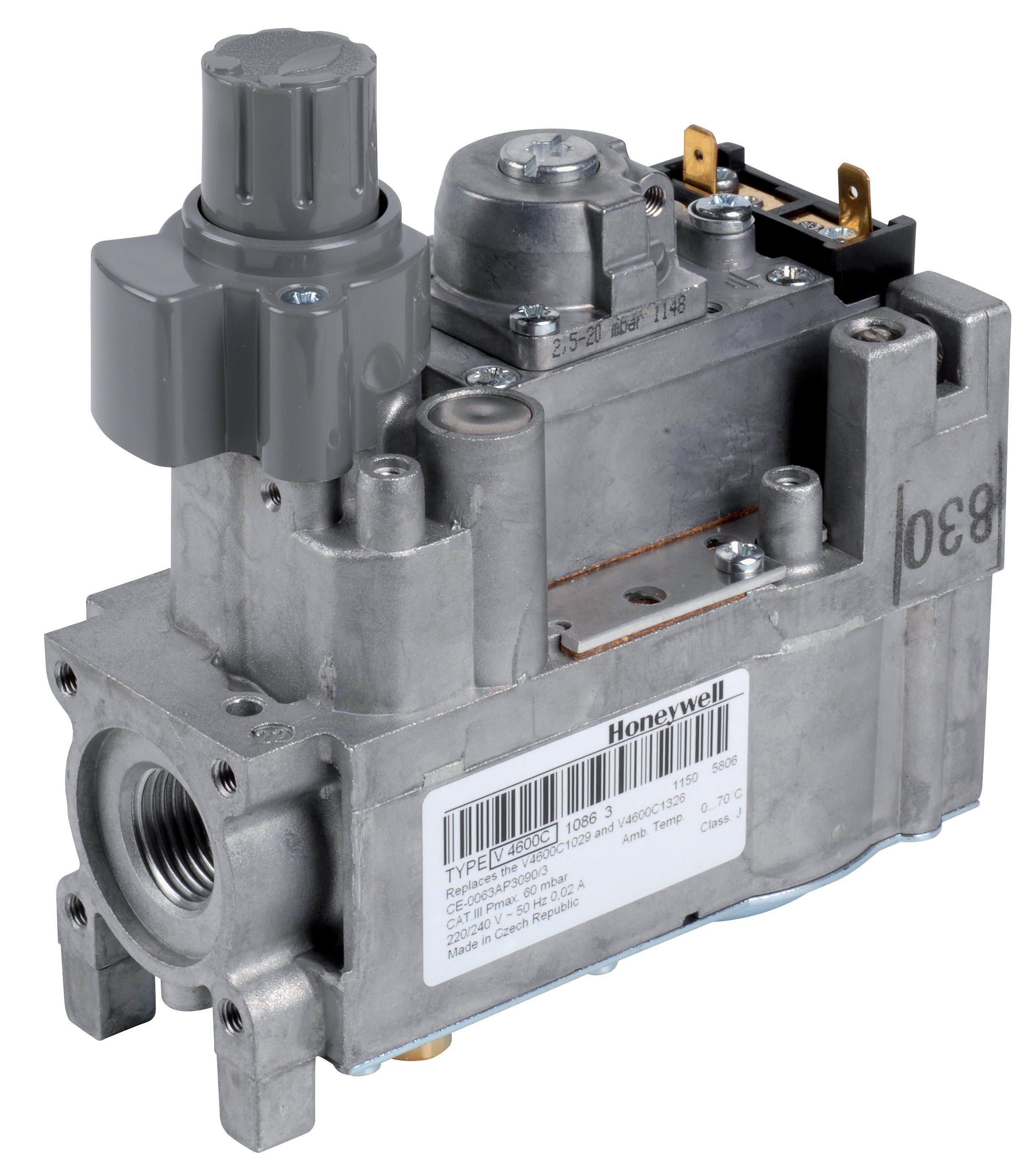
- For systems using the Honeywell Gas block VK 4105 C 1041 U, verify modulating valve response across full control range. Position response should correlate linearly with control signal; non-linear response indicates valve spool binding requiring valve service.
Annual Comprehensive Review
Annually, perform complete system re-commissioning:
- Full recalibration of all pressure switches against certified pressure source
- Flame detection sensitivity re-baseline establishment
- Control system response time re-measurement for all critical functions
- Review of all maintenance records to identify trending toward component failure
- Thermal imaging inspection of all electrical connections to identify developing hot spots
- Complete functional safety audit: verify all safety shutdowns operate within design specifications
Documentation practices directly impact optimization effectiveness. Maintain digital records of every measurement, including date, time, environmental conditions, technician identification, and equipment serial numbers. This historical trending reveals degradation patterns that single-point measurements cannot detect.
Singapore-Specific Compliance and Environmental Considerations
Singapore's regulatory environment requires Controls & Safety systems to comply with international standards (EN 746-2, EN 676, EN 1854) referenced by local legislation. Beyond baseline compliance, system performance directly impacts Singapore's increasingly stringent emissions standards and energy efficiency requirements.
The tropical environment presents unique challenges:
- Humidity Impact: Singapore's average relative humidity of 80-90% accelerates corrosion of electrical contacts and promotes fungal growth on optical sensors. Control module enclosures must maintain adequate ventilation and drainage; standing condensation indicates design issues requiring correction.
- Temperature Cycling: Daily temperature ranges of 20-35°C create thermal cycling stress on electronic components. Systems should incorporate thermal management (heat sinks, ventilation) rated for continuous exposure to 40°C+ ambient temperatures.
- Salt Corrosion: Coastal facilities experience accelerated terminal corrosion. Specify stainless steel hardware and apply dielectric coatings to all exposed electrical connections. Schedule contact inspection monthly rather than quarterly in coastal locations.
- Power Quality: Singapore's industrial power distribution occasionally experiences voltage sags and harmonic distortion. Control systems should incorporate surge suppression on all electrical inputs. The Pactrol and Siemens control modules include integrated protection; however, external line filters enhance reliability in facilities with poor power conditioning.
Procurement Engineer Action Items
Implement these strategies immediately to optimize Controls & Safety system performance:
1. Establish Baseline Documentation: Collect complete commissioning records from equipment installers. If unavailable, perform full baseline measurements immediately using the frameworks described above.
2. Develop Maintenance Schedule: Create facility-specific maintenance protocols based on equipment duty cycle, environmental exposure, and criticality. Document all scheduled maintenance in facility management systems.
3. Build Spare Parts Inventory: Maintain ready stock of critical replacement items: pressure switches, relay modules, and flame sensors. Singapore-based procurement enables 24-hour replacement capability, minimizing shutdown duration.
4. Train Technical Teams: Ensure maintenance personnel understand diagnostic procedures and can interpret measurement results. Provide training documentation and reference materials accessible in field environments.
5. Implement Trend Analysis: Export maintenance data monthly to spreadsheet analysis tools. Calculate rolling averages for key parameters and establish alarm thresholds that trigger proactive replacement before failure occurs.
3G Electric's 35+ years of experience in Singapore and Southeast Asian markets demonstrates that procurement engineers who invest in systematic Controls & Safety performance management achieve 20-30% reduction in unplanned downtime and extend equipment lifespan by multiple years. The investment in diagnostic capability and preventive maintenance protocols returns measurable value through improved operational reliability and compliance assurance.