Flame Detection & Safety Systems in Industrial Gas Burners: Technical Selection Guide for Singapore Facilities
Flame detection represents one of the most critical safety functions in modern industrial burner systems. In Singapore's competitive manufacturing and food processing sectors, understanding how flame sensing technology integrates with your burner control architecture directly impacts operational safety, regulatory compliance, and equipment longevity. This guide examines the technical foundations of flame detection systems, explores the component ecosystem that ensures safe burner operation, and provides practical selection criteria for Singapore industrial facilities managing gas-fired equipment.
Understanding Flame Detection Technology in Modern Burner Control Systems
Flame detection serves as the safety backbone of any gas burner installation. Unlike mechanical ignition systems of previous decades, contemporary burner controls rely on real-time flame verification to prevent dangerous conditions such as unburned gas accumulation, incomplete combustion, and unsafe restart cycles. Three primary detection technologies dominate industrial applications across Singapore and internationally: ionization electrodes, ultraviolet (UV) sensors, and infrared flame oscillation detectors.
Ionization detection operates by sensing electrical conductivity across a flame front. When gas ionizes in the presence of a flame, it creates a measurable electrical current that the control system interprets as flame presence. This method offers simplicity and reliability for natural gas and liquid petroleum gas applications, with response times typically under 500 milliseconds. Ionization electrodes prove particularly effective in intermittent-duty burner applications where rapid flame verification is essential.
Ultraviolet (UV) sensors detect the characteristic UV radiation emitted by hydrocarbon combustion. UV detection provides superior discrimination against false flame signals—a critical advantage in industrial environments with ambient light sources or reflective surfaces. UV cells like the QRA 10C series operate effectively across diverse gas compositions and fuel mixtures, making them ideal for installations serving multiple production processes.
Infrared flame oscillation detection monitors the characteristic flicker frequency of a visible flame (typically 5-15 Hz for gas flames). This method combines optical sensing with frequency analysis, rejecting spurious signals from steady light sources while confirming true combustion. This approach delivers exceptional reliability in challenging industrial environments where other detection methods might generate false positives.
Modern burner control systems like the TMG 740-3 integrate these detection technologies with protective logic circuits that continuously verify flame presence throughout the burner cycle. The control unit samples flame status at regular intervals—typically every 100-200 milliseconds—and executes predetermined safety actions (fuel shutoff, alarm generation, restart inhibition) when flame loss is detected.
Component Integration: Flame Sensors, Thermocouples, and Control Relays
Effective flame detection requires seamless integration across multiple specialized components. Understanding how these elements work together ensures proper system specification and troubleshooting for Singapore industrial facilities.
Flame Detection Sensors: The QRA 10C ultraviolet cell represents a critical component in modern gas burner safety systems. This sensor family delivers reliable flame monitoring for both single and multi-burner installations. UV detection cells operate independently of flame color and intensity, providing consistent performance across varying combustion conditions. The QRA 10C integrates with standard safety control modules through simple terminal connections, facilitating retrofit applications across Singapore's diverse installed base of industrial equipment.
Thermocouple Safety Systems: Pilot light flame detection traditionally relied on thermocouple technology, which remains essential in many industrial applications. Thermocouples generate a small voltage (typically 30-50 mV) when heated, which the control circuit monitors to confirm pilot light ignition. Contemporary systems combine thermocouple sensing with electronic amplification and logic circuits to eliminate false signals from radiant heat. The Sit INT.1000 series thermocouple exemplifies modern design, offering rapid response characteristics and compatibility with standard pilot burner configurations. For higher-temperature applications, thermocouples like the Q334A variant operate reliably at target tip temperatures reaching 815°C, with orifice assembly ratings to 340°C.
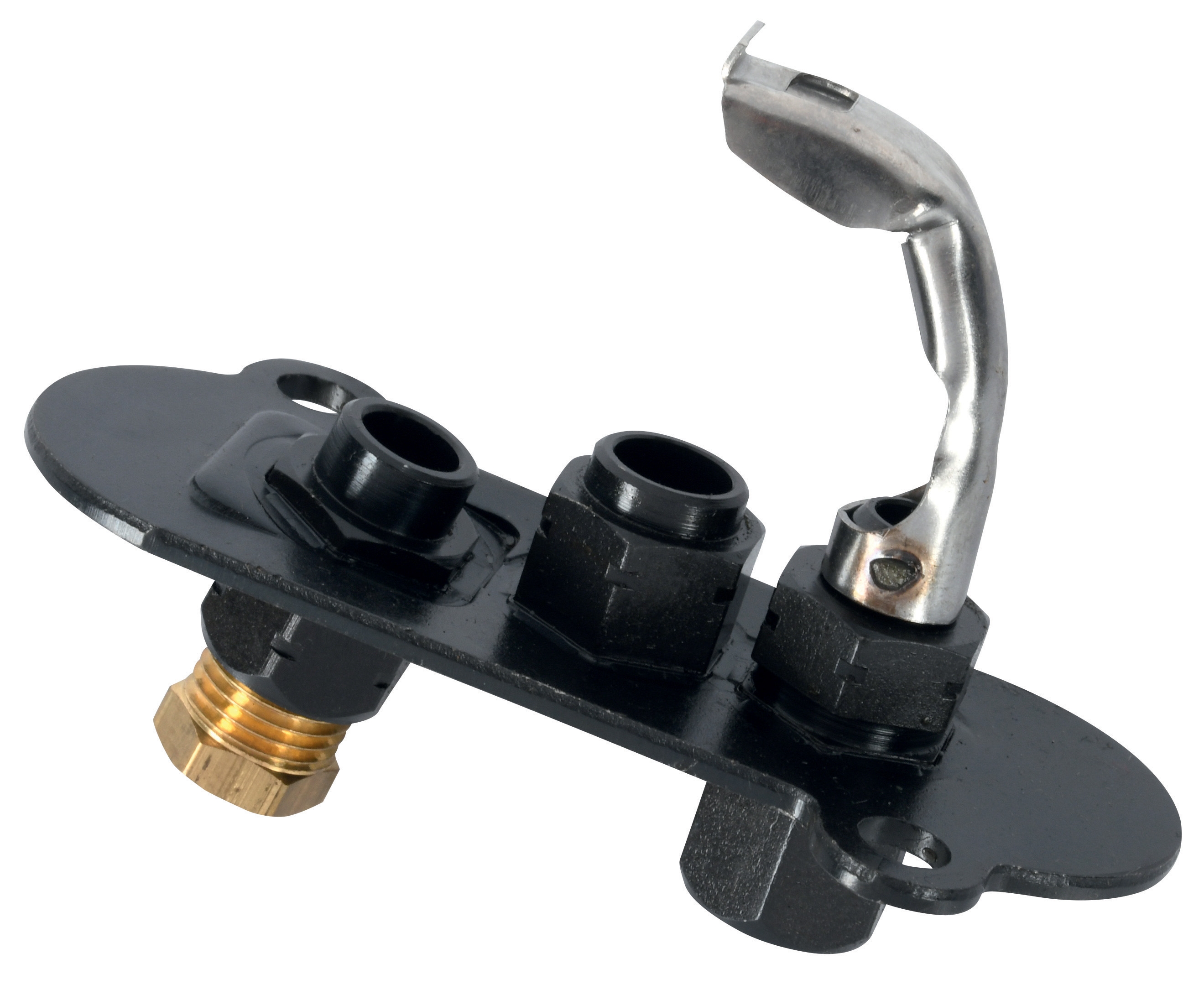
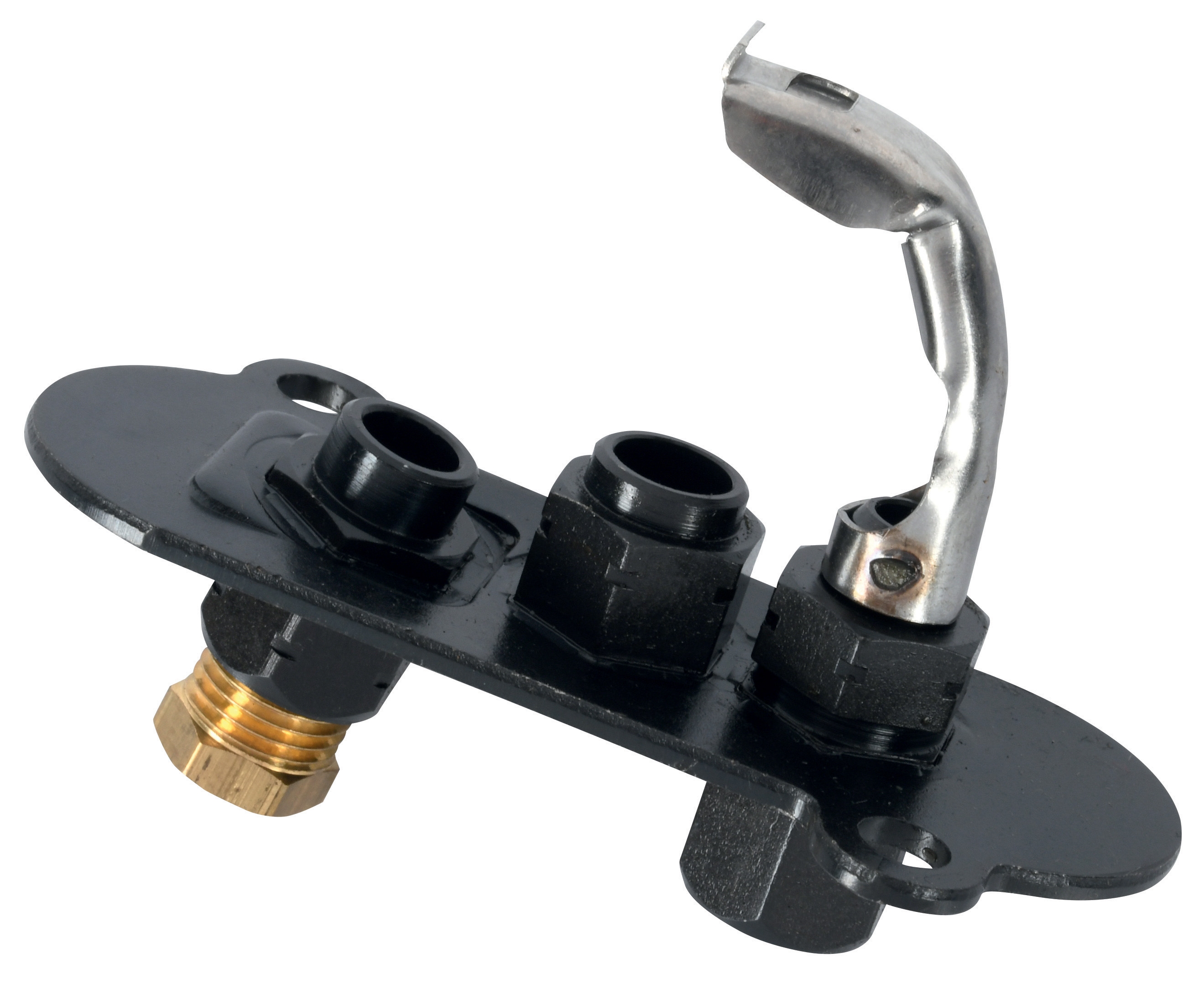
Pilot Light Assemblies: Reliable pilot flame detection begins with stable pilot light combustion. Universal pilot light units such as the CBM 1-flame 3-position model and 2-flame configurations provide consistent ignition performance across operational variations. These SIT-manufactured pilot burners feature corrosion-resistant construction, insulated igniter plugs of aluminium oxide (resistant to thermal shock), and thermocouple quick-disconnect mechanisms enabling rapid maintenance without special tools.
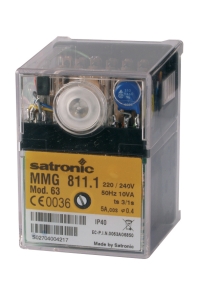
Control Relays and Logic Modules: The TMG 740-3 burner control relay represents a comprehensive safety module designed specifically for intermittent-duty gas and mixed-fuel burners with single or dual combustion heads. This automatic control unit integrates flame detection monitoring, ignition sequencing, safety interlocking, and fault diagnostics into a unified module. The TMG 740-3 accommodates all three primary flame detection methods—ionization electrodes, UV cells, and infrared sensors—providing system flexibility for diverse industrial applications. Support components like the Base for MA 86 and GR2 relay modules extend system functionality across multi-burner installations and complex safety interlocking scenarios.
Real-World Application Scenarios in Singapore Industrial Operations
Food Processing and Hospitality: Singapore's food manufacturing sector relies extensively on gas-fired cooking and steam generation equipment. A commercial kitchen operating multiple cooking burners requires rapid, reliable flame detection on each unit to prevent unburned gas accumulation in food preparation areas. Implementing UV-based detection (QRA 10C sensors) with TMG 740-3 control modules provides the responsiveness needed for intermittent cooking operations while maintaining safety certifications required by Singapore's workplace safety regulations.
Manufacturing Process Heat: Industrial coating, drying, and heat treatment processes depend on stable burner operation. A textile finishing facility using gas-fired drying drums requires continuous flame verification during production runs lasting 8-12 hours. The thermocouple-based pilot light system with electronic amplification ensures that any flame loss triggers immediate burner shutoff, preventing product damage and safety hazards. The Q334A thermocouple's 815°C rating accommodates the thermal environment of high-temperature dryer applications while maintaining detection reliability.
Retrofit and Modernization: Many Singapore industrial facilities operate equipment installed 15-20 years ago with mechanical flame detection systems. Upgrading to contemporary controls like the TMG 740-3 with UV cell detection improves safety performance, reduces false shutdown incidents, and provides diagnostic data supporting predictive maintenance. The modular design of modern control systems enables phased upgrades across multi-burner installations, reducing operational disruption.
Selection Criteria and Best Practices for Singapore Facilities
Fuel Type and Composition: Confirm whether your installation burns natural gas (I2H/I2L), liquefied petroleum gas (I3), or mixed fuels. UV detection (QRA 10C) performs consistently across fuel variations, while ionization detection may require calibration adjustments. For facilities consuming locally-sourced piped gas, verify that your detection method accommodates the specific composition supplied by Singapore's gas utilities.
Combustion Environment: Assess ambient light conditions, flame color characteristics, and potential reflective surfaces. High-intensity ambient light or installation in outdoor applications favors UV or infrared detection over ionization. Conversely, indoor burners in controlled environments may benefit from cost-effective ionization detection combined with solid-state logic modules.
Burner Duty Cycle: Intermittent-duty burners (start/stop multiple times daily) benefit from rapid-response flame detection like the TMG 740-3, which delivers response times under 200 milliseconds. Continuous-duty installations may tolerate slightly longer detection response while demanding exceptional long-term stability and drift immunity.
Maintenance Accessibility: Specify pilot light assemblies and thermocouples with quick-disconnect mechanisms, reducing maintenance time and training requirements. SIT pilot burners (, BLO10260) incorporate these features as standard, supporting Singapore's emphasis on operational efficiency.
Regulatory Compliance: Ensure selected components satisfy Singapore's relevant safety standards, including those enforced by the Workplace Safety and Health (WSH) Council. Modern control systems like the TMG 740-3 incorporate safety interlocking and fault diagnostics meeting current international standards.
Implementing Reliable Flame Detection in Your Facility
Flame detection system selection extends beyond individual component specifications. Success requires understanding how flame sensors, thermocouples, pilot lights, and control relays interact within your specific operational context. The integration of UV detection cells like the QRA 10C, solid-state control modules such as the TMG 740-3, and reliable pilot light assemblies creates a safety architecture that protects both personnel and production assets.
Singapore's industrial facilities operate in a highly competitive environment where safety compliance, operational reliability, and equipment longevity directly impact profitability. Modern flame detection systems provide the foundation for achieving all three objectives simultaneously—delivering responsive safety function while minimizing false alarms that disrupt production and increase maintenance costs.
Whether you're upgrading legacy burner controls, troubleshooting false flame loss signals, or specifying new equipment for expansion projects, the technical principles and component selection criteria in this guide support confident decision-making. The product ecosystem outlined here—from thermocouple safety systems through comprehensive control relays—represents mature, battle-tested technology deployed across thousands of industrial installations worldwide and throughout Singapore's manufacturing base.
3G Electric has served Singapore's industrial sector since 1990, providing distribution of controls, safety components, and burner equipment from leading manufacturers. Our technical team can assess your current installation, identify optimization opportunities, and source the specific components required for your application. Contact 3G Electric to discuss your flame detection and burner control requirements—whether troubleshooting existing systems or planning modernization projects that enhance safety and operational performance.