Pilot Light Controls & Safety Systems: A Technical Guide for Singapore Industrial Operations
Pilot light control systems form the critical foundation of safe, reliable gas burner operation across Singapore's industrial sector. Whether you operate food processing equipment, industrial ovens, or heating systems, understanding the interaction between pilot burners, flame detection, thermocouples, and safety relays is essential for maintaining regulatory compliance and operational efficiency. This guide explores the technical architecture of modern pilot light control systems, examining how individual components work together to ensure safe ignition, reliable flame maintenance, and immediate shutdown in fault conditions. We'll examine both the theoretical principles and practical applications that enable these systems to protect personnel and equipment.
Understanding Pilot Light Control System Architecture
A pilot light control system operates on a straightforward but critical principle: establish and maintain a small, continuously-burning flame that serves as an ignition source for the main burner, while continuously monitoring that flame's presence through automated safety mechanisms. The system architecture typically comprises four essential functional layers: the pilot burner itself, the flame detection sensor, the safety control relay, and the gas solenoid valve.
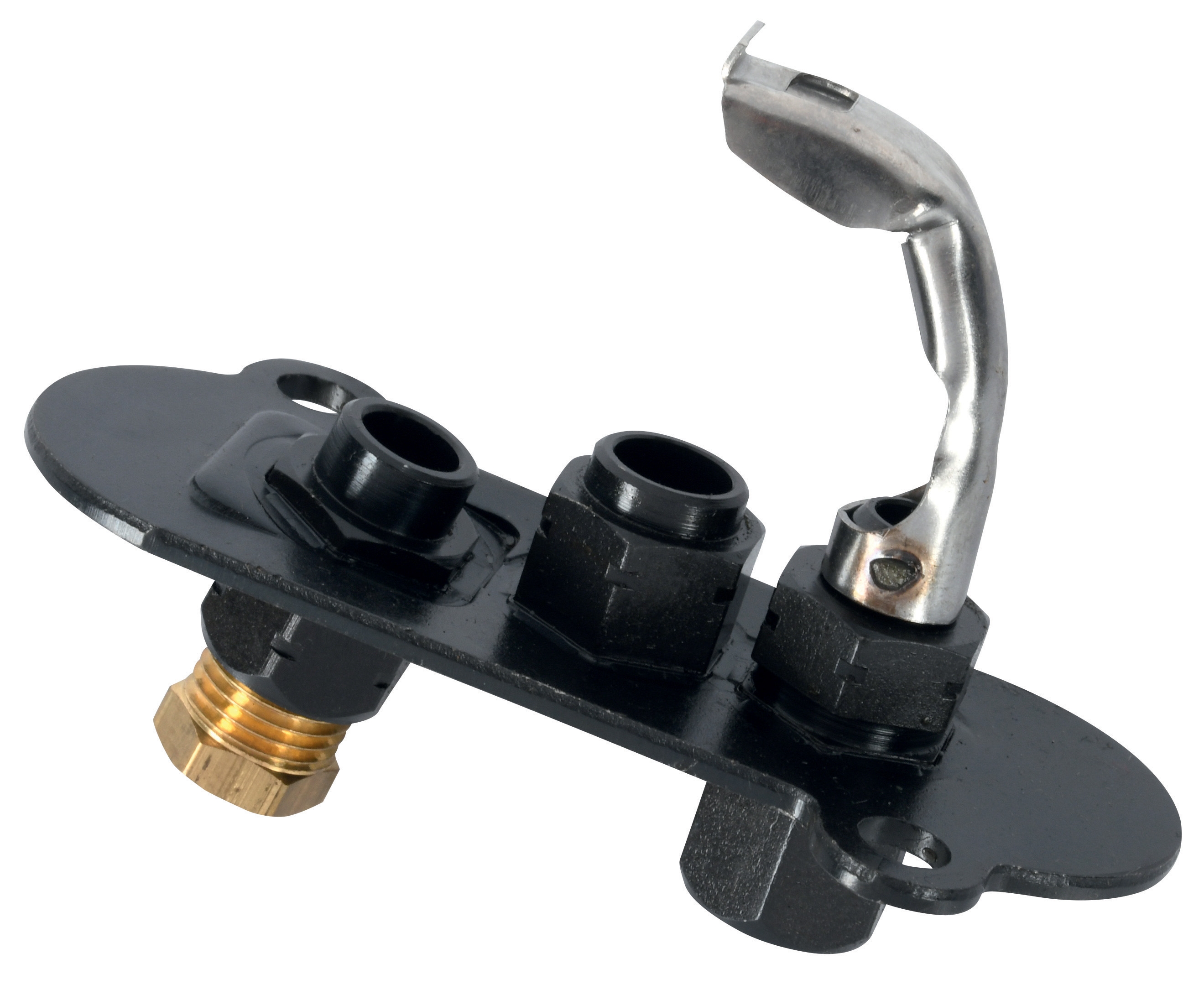
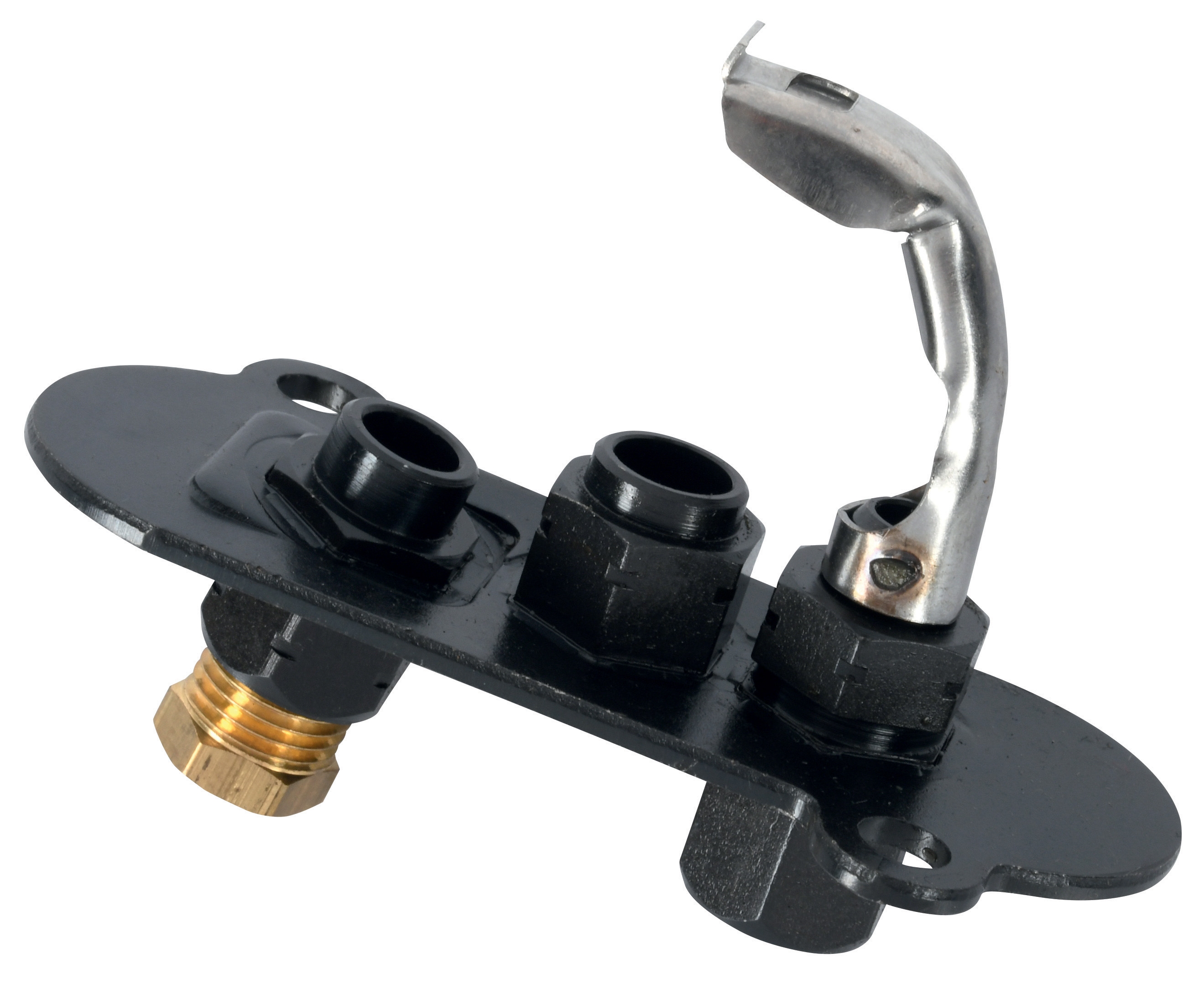
The pilot burner initiates the control sequence by producing a stable, small flame. Modern pilot burners like the CBM pilot light designs are engineered for silent operation—a critical requirement in industrial environments where acoustic feedback cannot be relied upon to indicate proper function. These burners feature aluminium oxide igniter plugs that withstand repeated thermal cycling and impact, essential characteristics for equipment subject to frequent start-stop cycles typical in intermittent industrial operation.
The flame detection sensor continuously monitors pilot flame presence, creating an electrical signal that the control relay interprets. Three primary detection technologies are employed in modern industrial systems: ionisation electrodes that measure electrical conductivity in the flame, ultraviolet (UV) cells that detect the characteristic UV radiation emitted by combustion, and infrared detectors that sense flame flicker characteristics. The choice between these technologies depends on fuel type, ambient conditions, and application-specific requirements.
Once flame presence is confirmed, the safety control relay energises the main gas solenoid valve, allowing fuel flow to the main burner. If flame is lost for any reason—fuel supply interruption, pilot burner malfunction, or sensor failure—the relay immediately de-energises the solenoid, cutting gas supply within milliseconds. This fail-safe architecture ensures that unburned gas cannot accumulate in the combustion chamber, eliminating explosion hazards.
The thermocouple provides an additional safety layer by generating a small electrical voltage proportional to flame temperature. Unlike electronic sensors, thermocouples require no external power supply and operate passively, making them inherently reliable safety devices. The control relay continuously monitors thermocouple voltage; if temperature falls below the setpoint corresponding to proper flame combustion, the relay initiates shutdown.
Technical Specifications and Component Selection
The CBM Relay TMG 740-3 63.55 represents a contemporary automatic burner control solution specifically designed for intermittent-duty applications with one or two combustion heads. This control module accepts signals from multiple flame detection sensor types—ionisation electrodes, UV cells, and infrared flicker detectors—demonstrating the flexibility required for diverse industrial installations across Singapore's manufacturing sector.
The technical specifications of modern control relays reflect the demanding operating environment of industrial burners. The MT 4002 B servo motor, for example, operates across an ambient temperature range of -15°C to +60°C with relative humidity tolerance up to 90% at 40°C non-condensing conditions. These environmental specifications ensure reliable operation in both climate-controlled industrial facilities and outdoor installations common in Singapore's tropical climate.
Thermocouple selection requires precision matching to the specific pilot burner design. The Q334 and Q385 series pilot burners, for instance, operate with maximum target tip temperatures of 815°C and 730°C respectively, while maintaining orifice assembly temperatures below 340°C. These thermal parameters determine both the thermocouple material composition and the control relay's temperature sensing threshold. The technical documentation explicitly recommends exclusive use of manufacturer-specified thermocouples; substitution with non-compatible units creates safety hazards by introducing measurement errors that bypass the system's protective logic.
The CBM thermocouple safety components incorporate design features optimising durability in industrial environments. Rapid thermocouple substitution capability—enabled by standardised connectors—reduces maintenance downtime. The highly-insulated igniter plugs resist both mechanical impact and abrupt thermal changes, critical for equipment subject to frequent ignition cycles.
Gas solenoid valve specifications directly impact system response time and safety margins. Fast-acting gas solenoid valves like the VAS 125R/NW accommodate maximum upstream pressures of 500 mbar (500 hPa / 7 psig), with integrated flow adjustment preventing the need for separate regulation components. The blue LED status indicator provides visual confirmation of solenoid energisation, enabling rapid troubleshooting during commissioning and maintenance.
Control relay base modules, such as those specified for MA 86 mounting, integrate multiple safety logic functions within compact form factors suitable for equipment manufacturers designing appliances for the Singapore market. The burner control selection must account for both the primary control logic and the auxiliary functions required by specific installation standards.
Real-World Application Examples in Singapore Industrial Operations
Food processing facilities represent a primary application domain for pilot light control systems across Singapore. Commercial sterilisation equipment, for example, requires precise temperature maintenance across extended operational periods. The pilot light maintains a continuous ignition source for the main heating burner, while the temperature thermostat (such as the RT 107 type thermostat) regulates overall system temperature by modulating main gas flow. The dual-sensor approach—thermocouple confirming flame presence, thermostat confirming temperature maintenance—ensures both ignition reliability and precise thermal control.
Industrial baking ovens exemplify intermittent-duty applications where the system must cycle between active heating and standby modes multiple times daily. The pilot light remains continuously lit during operating hours, consuming minimal fuel while maintaining immediate readiness for main burner ignition. When baking cycles conclude, the control system safely shuts down the entire burner assembly, eliminating the gas leakage risks associated with manual valve closure.
Laundry and textile finishing operations utilise pilot light systems for steam generation equipment. These applications demand rapid response to temperature fluctuations while maintaining absolute safety against uncontrolled gas flow. The combination of flame detection sensors and thermocouple monitoring provides the dual verification needed for high-consequence applications where thermal runaway or explosion hazards could damage equipment and endanger personnel.
Metalworking facilities employing furnaces for heat treatment and metal processing depend on pilot light control systems for reliable, repeatable heating profiles essential for material quality control. The ability to restart heating cycles automatically—with all safety verifications intact—enables batch processing without continuous operator supervision, improving both safety and productivity.
Selection Criteria and Best Practices for Singapore Installations
Selecting appropriate pilot light control components requires systematic evaluation of five key criteria: fuel type compatibility, flame detection methodology, ambient operating environment, duty cycle characteristics, and integration requirements with existing burner designs.
Fuel type fundamentally determines component specifications. Natural gas (I2H), low-pressure natural gas (I2L), and liquefied petroleum gas (I3) present different combustion characteristics affecting both pilot burner design and flame detection sensor selection. Pressure adjustment specifications—critical safety parameters—vary significantly across fuel types. The technical documentation for pilot burner systems always specifies maximum pressure ratings by fuel type; exceeding these limits compromises both performance and safety.
Flame detection sensor selection represents the most critical decision in system design. Ionisation detection suits standard applications but becomes unreliable with certain fuel additives or in high-ambient-radiation environments. UV detection provides excellent performance in outdoor installations or where strong visible light could interfere with optical sensors. Infrared flicker detection offers superior immunity to ambient radiation and contamination, making it optimal for harsh industrial environments.
Ambient temperature and humidity specifications for all components must accommodate the specific installation environment. Tropical climates like Singapore's require careful attention to humidity-resistant connector designs and materials resistant to corrosion from salt air in coastal industrial zones.
The duty cycle—frequency of start-stop cycles, duration of continuous operation, and seasonal variation—directly impacts component longevity. Intermittent-duty systems like the TMG 740-3 specifically accommodate high-cycle-count applications, while continuous-duty systems employ different design approaches. Specifying the wrong duty classification results in premature component failure and safety reliability degradation.
Maintenance accessibility and component standardisation deserve consideration in long-term operational planning. Pilot burner designs enabling rapid thermocouple replacement reduce downtime during routine maintenance, while standardised control relay mounting bases facilitate future equipment upgrades or modifications.
Integrating Pilot Light Controls with Modern Safety Standards
Singapore industrial operations must comply with comprehensive safety standards governing burner control systems. The integration of pilot light controls must satisfy both the technical requirements of equipment manufacturers and the safety verification requirements of regulatory authorities responsible for industrial safety oversight.
Modern pilot light control systems incorporate redundancy principles ensuring that no single component failure can result in uncontrolled gas flow. The combination of thermocouple flame verification and electronic flame detection sensors provides independent confirmation of combustion status. If either sensor fails, the system defaults to a safe state: the solenoid valve de-energises, stopping gas flow. This fail-safe architecture represents decades of evolution in industrial safety practice.
Control relay testing and certification requirements ensure that equipment imported into Singapore meets internationally-recognised safety standards. The technical specifications provided by manufacturers—maximum voltage ratings, current-carrying capacity, ambient temperature ranges—must all remain within published limits during actual operation. Exceeding specification limits voids safety certification and creates liability exposure.
Conclusion and Next Steps
Pilot light control systems represent a mature, highly-reliable technology foundation supporting industrial thermal processes across Singapore. The combination of proven burner designs, multiple flame detection methodologies, and intelligent safety relays creates systems capable of operating safely and efficiently across diverse industrial applications. Success in implementing these systems depends on understanding the technical principles governing each component, selecting appropriate technologies for specific application requirements, and maintaining rigorous adherence to manufacturer specifications and safety standards.
Whether you're commissioning new equipment, troubleshooting existing systems, or planning major facility upgrades, the technical expertise and comprehensive product selection available through 3G Electric ensures access to proven components backed by manufacturer documentation and professional support. Contact 3G Electric's technical team today to discuss your specific pilot light control requirements. Our industrial controls specialists can help evaluate your application, recommend optimised component configurations, and ensure your burner control systems operate safely and reliably for years to come. Reach out to our Singapore office to discuss how we can support your industrial safety and operational objectives.