Understanding Controls & Safety Integration in Modern Burner Systems
Controls & Safety components form the intelligent backbone of industrial burner systems, monitoring operational parameters and executing fail-safe responses when anomalies occur. For procurement engineers in Singapore's industrial sector, the distinction between pressure monitoring devices, safety relays, and integrated control units directly impacts system reliability, maintenance intervals, and regulatory compliance.
With over 35 years of distribution experience, 3G Electric has guided Southeast Asian procurement teams through increasingly complex Controls & Safety specifications. The modern challenge extends beyond component selection—it requires understanding how individual elements communicate, the latency between detection and response, and how international safety standards (IEC 61508, EN 746-2, FM/UL certifications) translate into operational performance within local regulatory frameworks.
This comparison addresses a critical procurement decision: evaluating standalone pressure switches paired with independent safety relays versus integrated control modules that consolidate these functions. Both architectures serve Singapore's industrial base effectively, but their cost-benefit profiles, spare parts logistics, and technical support requirements differ significantly.
Pressure Switch Performance: SIL Rating and Operational Specifications
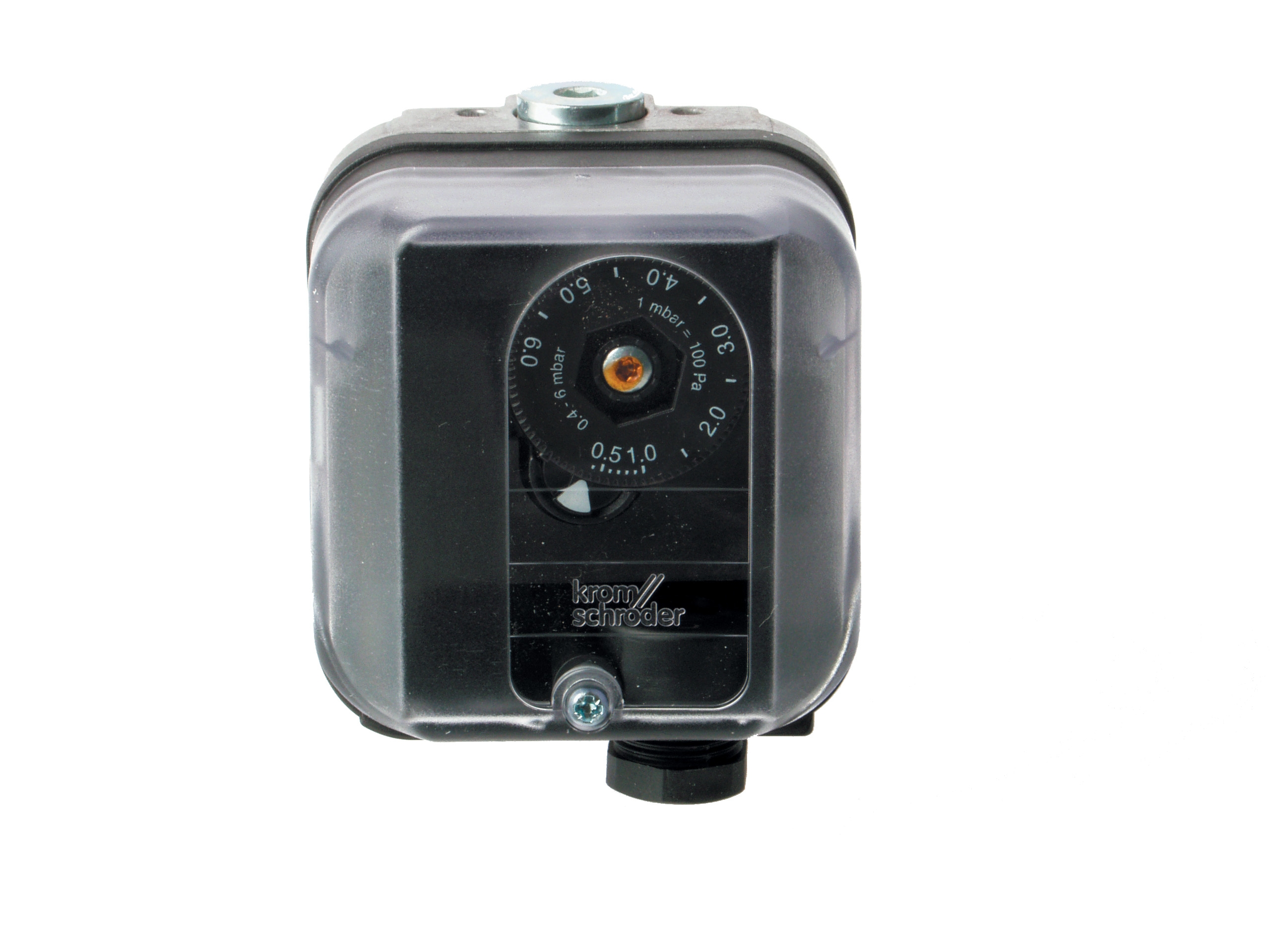
The Kromschroder DG 50U/6 pressure switch represents a specialized pressure monitoring component rated SIL 3 and Performance Level e under EN 1854 standards. This certification tier ensures the device can detect pressure deviations with mathematical reliability of 99.9%, meeting Singapore's stringent industrial safety requirements and insurance underwriting standards.
Key operational parameters for the DG 50U/6 include:
- Pressure Range: Typically 0-6 bar (adjustable setpoints from 0.5-6 bar)
- Switch Action: Electromechanical contacts rated for 4A at 250V AC
- Hysteresis: Approximately 0.3-0.5 bar, preventing chattering during fluctuating pressure conditions
- Response Time: <500ms from pressure deviation to electrical contact closure
- Multi-Standard Certification: EN 1854, FM, UL, AGA, GOST-TR compliance ensures compatibility across international equipment platforms
For Singapore procurement teams, the GOST-TR certification proves particularly valuable when sourcing equipment for joint ventures with regional partners or equipment that may be relocated to neighboring markets. The SIL 3 rating eliminates the need for redundant pressure monitoring in most industrial applications, reducing component count and system complexity.
The pressure switch operates as a sentinel component, detecting abnormal burner conditions such as:
- Air supply blockage (pressure drop below minimum setpoint)
- Fuel line ruptures or leaks (sudden pressure loss)
- Blocked combustion chamber (excess back pressure)
- Pilot light extinction (pressure fluctuation patterns)
When integrated with safety relay systems, the pressure switch output triggers protective sequences—fuel valve closure, burner shutdown, and alarm notification—within milliseconds. Procurement engineers must verify that control panel wiring accommodates the SIL 3 integrity requirements, which may necessitate shielded cabling and specific termination practices outlined in EN 61508-1.
Safety Relay Architectures: Modular Control Units vs. Integrated Platforms
The Kromschroder Relay BCU 570WC1F1U0K1-E and Siemens Relay LFL 1.622 represent contrasting philosophies in safety relay design, each with distinct advantages for Singapore industrial procurement.
Kromschroder BCU 570WC1F1U0K1-E Specifications:
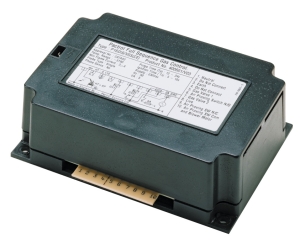
This burner control relay supports direct ignition and intermittent/continuous pilot ignition modes, complying with EN 746-2 (safety of burner appliances) and EN 676 (specific safety rules for automatic burner controls). The BCU 570WC1F1U0K1-E excels in modular burner system design, where the relay interfaces with external flame detection cells, pressure switches, and ignition transformers.
- Supply Voltage: 230V AC, 50Hz (standard Singapore industrial configuration)
- Flame Monitoring Input: Compatible with ionization and UV flame detectors
- Ignition Output: Drives ignition transformers up to 10-12 kV secondary voltage
- Pilot Light Control: Separate outputs for pilot solenoid and main fuel valve sequencing
- Safety Response: Automatic burner lockout on flame loss within 5 seconds
- Repeatability: Unlimited start/stop cycles without component degradation
The BCU series suits retrofit projects where existing flame detection cells and solenoid valve infrastructure must be preserved. Procurement teams appreciate this compatibility—equipment installations spanning 10-20 years can be updated with modern safety relay logic without redesigning the entire combustion system.
Siemens LFL 1.622 Integrated Control Unit:
By contrast, the Siemens LFL 1.622 consolidates safety relay, flame monitoring logic, and damper control into a single chassis. This integration appeals to new-build projects and complete system overhauls.
- Flame Monitoring: Dual-channel UV and ionization inputs (cross-checking for false flame detection)
- Burner Types: Gas, oil, or dual-fuel burners with medium to high power ratings (100 kW - 2500 kW typical range)
- Air Damper Control: Continuous proportional output for modulating air intake
- Diagnostic Display: Onboard LED status indicators reducing external alarm panel complexity
- Operating Temperature: -10°C to +60°C, suitable for equipment room installations throughout Singapore's tropical climate zones
The integrated architecture reduces wiring complexity—single power supply connection, consolidated terminal board, unified programming interface. However, procurement engineers must verify that equipment vendors provide detailed software documentation and firmware update procedures. Siemens components often require specialized training for technicians unfamiliar with their programming environment.
Integrating Pressure Switches with Safety Relays: Practical Configuration Examples
The technical value emerges when specifying how the DG 50U/6 pressure switch integrates with relay systems to create coherent safety logic.
Configuration 1: Modular Architecture (Recommended for Existing Installations)
Pair the DG 50U/6 pressure switch with the Kromschroder BCU 570WC1F1U0K1-E relay. Both components share identical manufacturer engineering documentation, simplified troubleshooting protocols, and compatible wiring diagrams.
1. Pressure switch monitors fuel supply (typically 0-4 bar range)
2. Switch output wired to NO (normally open) contact input on BCU relay terminal 3
3. Burner ignition initiated via BCU relay output to ignition transformer
4. If pressure drops below setpoint during operation, DG 50U/6 opens contact, signaling relay to execute fail-safe shutdown
5. Lockout condition persists until manual reset (safety-critical requirement preventing nuisance restarts)
Wiring path requires:
- Shielded control cable (0.75mm² minimum) from switch to relay terminal 3
- Ground continuity verified before commissioning
- Pressure switch mounted within 1.5 meters of relay control panel (minimize voltage drop)
Configuration 2: Integrated Platform (New Installations)
The Siemens LFL 1.622 accommodates analog pressure transducer inputs (4-20mA or 0-10V) rather than discrete contact switches. Specify a pressure transducer calibrated 0-6 bar with 4-20mA output (typically €150-250 component cost premium over discrete switches).
1. Pressure transducer connected to LFL 1.622 analog input module
2. Software programming defines pressure threshold and response hysteresis
3. Dual-channel flame monitoring (UV + ionization) activates simultaneously with pressure validation
4. Burner start-up blocked if pressure reading falls below configured minimum (eliminates fuel wastage during pressure-loss scenarios)
5. Continuous damper modulation maintains optimal combustion efficiency as pressure fluctuates within operating range
This configuration suits applications with variable fuel supply characteristics (liquid petroleum gas from cylinder banks with fluctuating pressure, biofuel blends with density variations). The proportional damper control adjusts combustion air to match fuel flow, improving thermal efficiency by 3-7% versus discrete on/off configurations.
Certification Requirements and Regulatory Alignment for Singapore Market
Singapore's factories operate under the Workplace Safety and Health Act (WSHA) and technical guidelines from the Ministry of Manpower (MOM). Burner control systems must demonstrate compliance with recognized international standards:
- EN 746-2: Safety of burner appliances (EU standard, recognized by Singapore regulators)
- FM/UL: Factory Mutual and Underwriters Laboratories certifications (particularly valued by multinational insurance carriers)
- EN 1854: Pressure switches for safety instruments
- IEC 61508: Functional safety of electrical/electronic/programmable electronic systems (determines SIL rating validity)
The DG 50U/6 pressure switch's multi-standard certification (EN 1854, FM, UL, AGA, GOST-TR) satisfies Singapore's regulatory framework and simplifies insurance documentation. Procurement teams should verify that equipment documentation includes Declaration of Conformity (DoC) certificates specific to the purchased serial number range—generic certification statements often prove insufficient during MOM site inspections.
The BCU 570WC1F1U0K1-E and LFL 1.622 both hold EN 746-2 certification, but burner equipment integrators must confirm that system-level safety validation (combining relay + pressure switch + flame detector + solenoid valves) receives independent assessment. Singapore-based equipment commissioning firms often charge €300-600 for formal system safety documentation.
Advanced Considerations: Honeywell Gas Control Block Integration
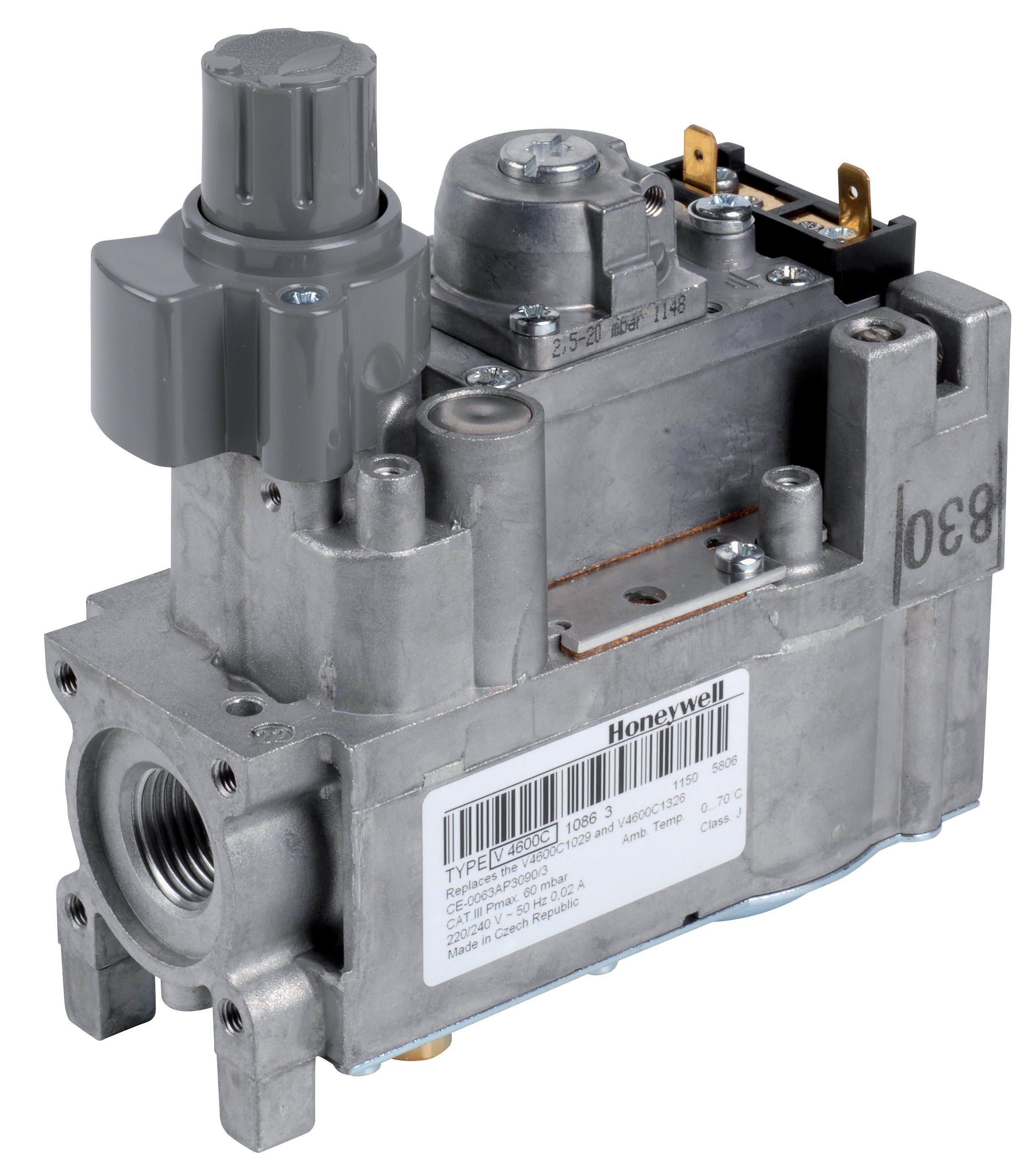
The Honeywell VK 4105 C 1041 U gas block introduces another integration layer—combining fuel pressure regulation, modulating valve function, and feedback control within a single pneumatic/electric component.
Technical Specifications:
- Pilot Connection: M8 x 1 (ISO 4401 modular cavity)
- Pressure Feedback Sensing: M5 threaded port for transducer installation
- Operating Range: -5°C to 140°F (-20°C to 60°C), accommodating Singapore's climate requirements
- Modulating Range: 5-100% capacity (enables burner turndown and part-load efficiency)
- Solenoid Actuation: 24V DC, proportional control allowing continuous fuel rate adjustment
When specifying pressure switches, procurement engineers must consider whether the control system includes a gas block with built-in modulation. If present, the pressure switch (DG 50U/6) may operate at higher setpoints (2-4 bar) since the gas block's pilot stage pre-regulates fuel delivery to pilot and main burner stages separately. This reduces pressure transient severity and extends pressure switch contact lifespan.
The Honeywell component's feedback transducer port connects to either the Siemens LFL relay (if analog input module installed) or a dedicated proportional control unit bridging pressure feedback to fuel valve actuation. Procurement teams should budget 2-3 additional weeks for system commissioning when gas blocks are introduced, as proper pressure feedback tuning prevents burner hunting (oscillation between high and low fire states).
Flame Detection Integration: Completing the Safety Chain
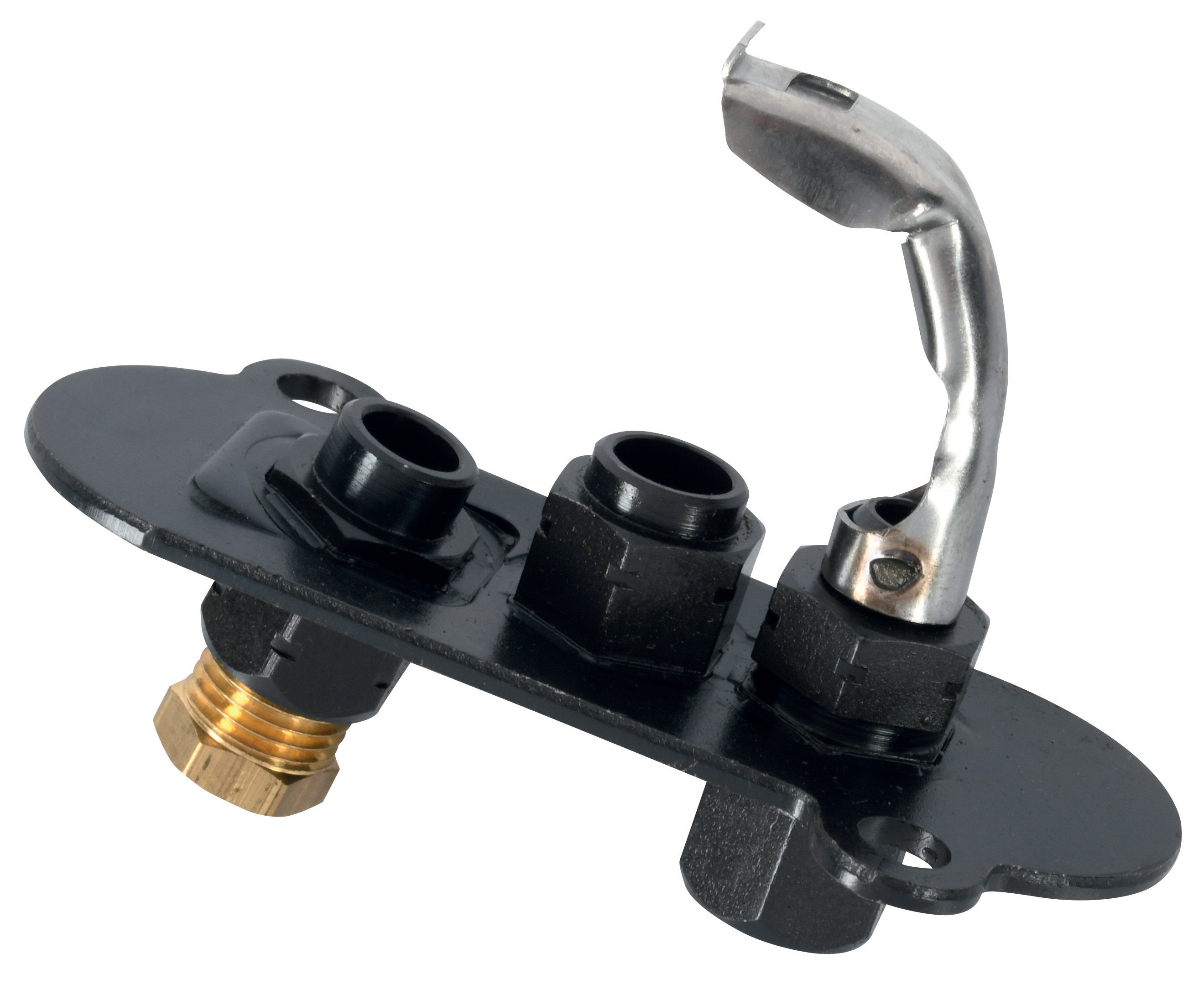
While pressure monitoring detects fuel supply anomalies, flame detection completes the safety architecture. The Pactrol Housing P 16 DI CE flame control module represents a specialized ignition/flame detection unit compatible with relay systems discussed above.
Performance Parameters:
- Supply Voltage: 230V AC
- Ignition Output: 12 kV secondary voltage (standard for oil-burning nozzles and gas pilot ignitors)
- Output Energy: 10 MJ per ignition cycle
- Flame Detection: Ionization or UV cell input monitoring
- Duty Cycle: Continuous ignition until flame established, then transitional standby mode
The Pactrol module works in tandem with pressure switches—if fuel pressure drops (detected by DG 50U/6), the relay deactivates ignition output (reducing electrical stress on ignition transformer). This interdependency ensures that absence of fuel supply automatically disables ignition, preventing unnecessary ignition transformer duty cycles and extending equipment lifespan.
Procurement engineers should specify that pressure switch and ignition module operate on independent control channels with cross-checking logic. If pressure switch indicates fuel present but ignition module detects no flame within 10 seconds, the system must execute full burner shutdown and alarm generation—not merely re-initiate ignition. This dual-verification approach prevents unsafe high-temperature unburned fuel discharge.
Procurement Strategy: Specifying Controls & Safety Components
For Singapore-based procurement teams, strategic component selection balances cost, technical support availability, spare parts logistics, and long-term maintenance requirements.
Single-Manufacturer Strategy:
Standardizing on Kromschroder pressure switches + BCU relays or Siemens integrated LFL units simplifies:
- Technician training (single documentation set)
- Spare parts stocking (pressure switch contacts, ignition transformer coils, solenoid valves all use consistent specifications)
- Vendor relationship management (single technical support contact)
- System documentation (unified control schematics)
This approach suits production facilities with 5-15 burner control systems where technician familiarity compounds over time.
Multi-Component Flexibility Strategy:
Diversifying across manufacturers (Kromschroder pressure switches with Siemens relays, Honeywell gas blocks, Pactrol ignition modules) maximizes:
- Equipment availability during supply chain disruptions
- Competitive pricing (pit vendors against each other during procurement cycles)
- Technical specialization (select pressure switches from pressure-monitoring specialists, relays from safety-critical system experts)
This approach requires detailed wiring schematics and increased commissioning time but provides procurement flexibility—particularly valuable in Singapore where import lead times and regional supply chain volatility create purchasing uncertainty.
3G Electric's Role:
With 35+ years as a distributor of industrial equipment across Southeast Asia, 3G Electric maintains warehouse stock of Kromschroder, Siemens, Honeywell, and Pactrol components in Singapore. This local inventory eliminates typical 4-6 week lead times from European suppliers, accelerating project timelines. Procurement teams can request technical specification comparisons, compatibility matrices, and application engineering consultations before finalizing purchase orders—reducing commissioning risk and ensuring system performance aligns with operational requirements.
Summary: Technical Decision Framework
Procurement engineers evaluating Controls & Safety components should prioritize:
1. SIL Rating Alignment: Verify that pressure switches meet functional safety standards required by equipment insurance and MOM regulations (typically SIL 2 minimum, SIL 3 preferred)
2. Certification Scope: Confirm that individual components (relays, pressure switches, ignition modules) and system-level integration receive independent certification documentation
3. Vendor Support Availability: Assess local technical support, spare parts stocking, and training resources before committing to long-term supply relationships
4. System Architecture Compatibility: Define whether modular component integration (independent relays + pressure switches) or integrated platforms (consolidated control units with analog inputs) better match existing infrastructure
5. Operational Performance Metrics: Establish baseline specifications for response time (<500ms), hysteresis (<0.5 bar for pressure switches), and repeatability (unlimited cycles without degradation)
The convergence of rigorous safety standards, diverse manufacturer offerings, and Singapore's specific regulatory environment requires technical rigor in procurement decisions. Strategic component selection—informed by performance comparison, certification validation, and vendor support assessment—ensures burner control systems achieve optimal reliability, safety, and long-term operational efficiency.