Controls & Safety: The Procurement Engineer's Specification Framework
Procurement engineers face a critical challenge when sourcing Controls & Safety equipment for industrial gas applications. Unlike maintenance teams focused on field troubleshooting, procurement professionals must evaluate components across multiple dimensions: performance specifications, regulatory compliance, supplier reliability, total cost of ownership, and integration compatibility. With over 35 years of experience as an global industrial equipment distributor, 3G Electric has guided thousands of procurement decisions for Controls & Safety systems across diverse industries and geographic markets.
Controls & Safety component selection is not simply about purchasing the lowest-cost solenoid valve or relay. It requires understanding how individual components function within larger safety ecosystems, ensuring they meet regional certification standards (CE, CSA, PED, ATEX, etc.), and confirming compatibility with existing or planned system architectures. This guide provides procurement engineers with a structured approach to specifying Controls & Safety components that deliver reliability, compliance, and operational efficiency.
Solenoid Valve Selection: Matching Specifications to Application Requirements
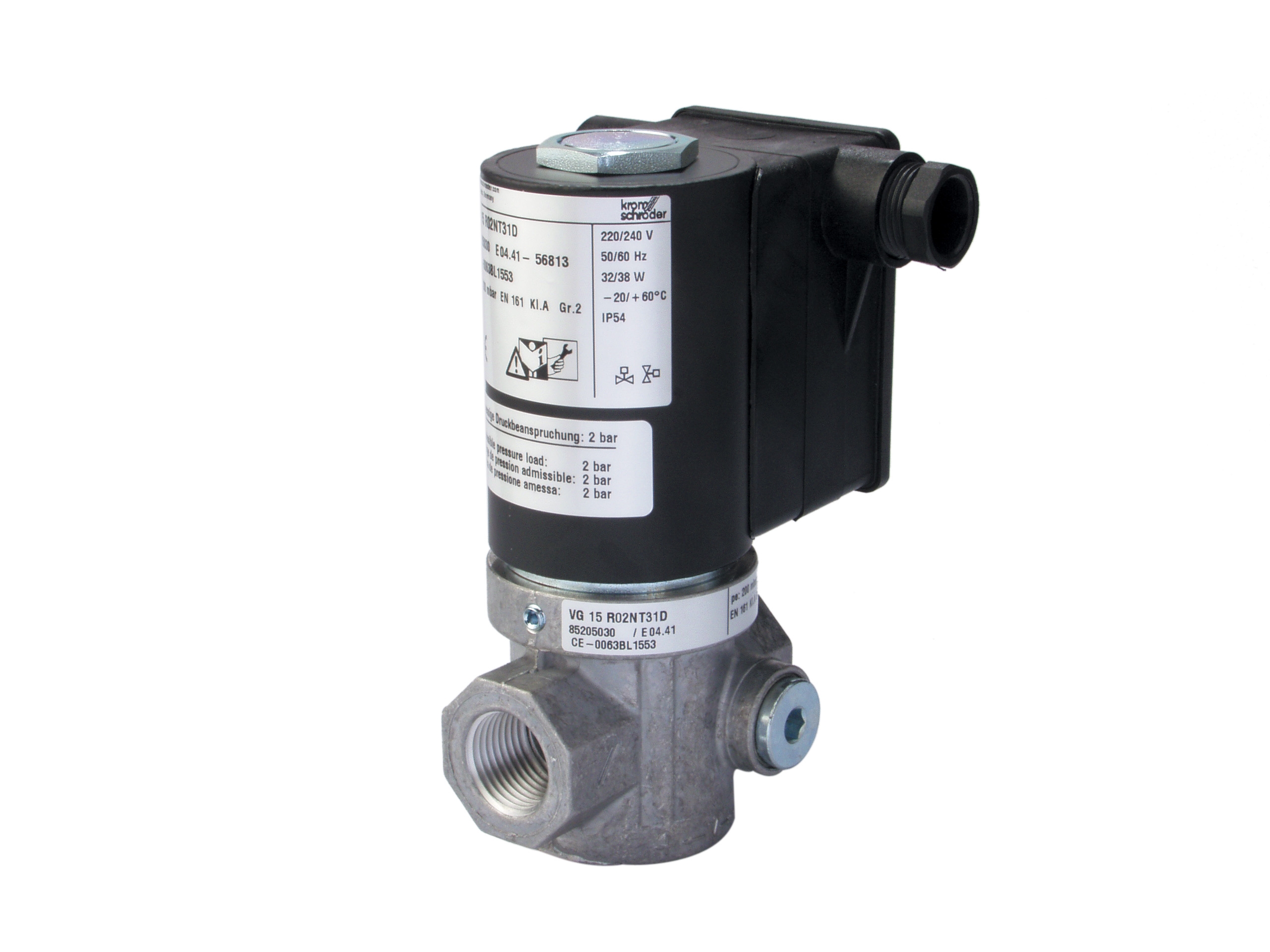
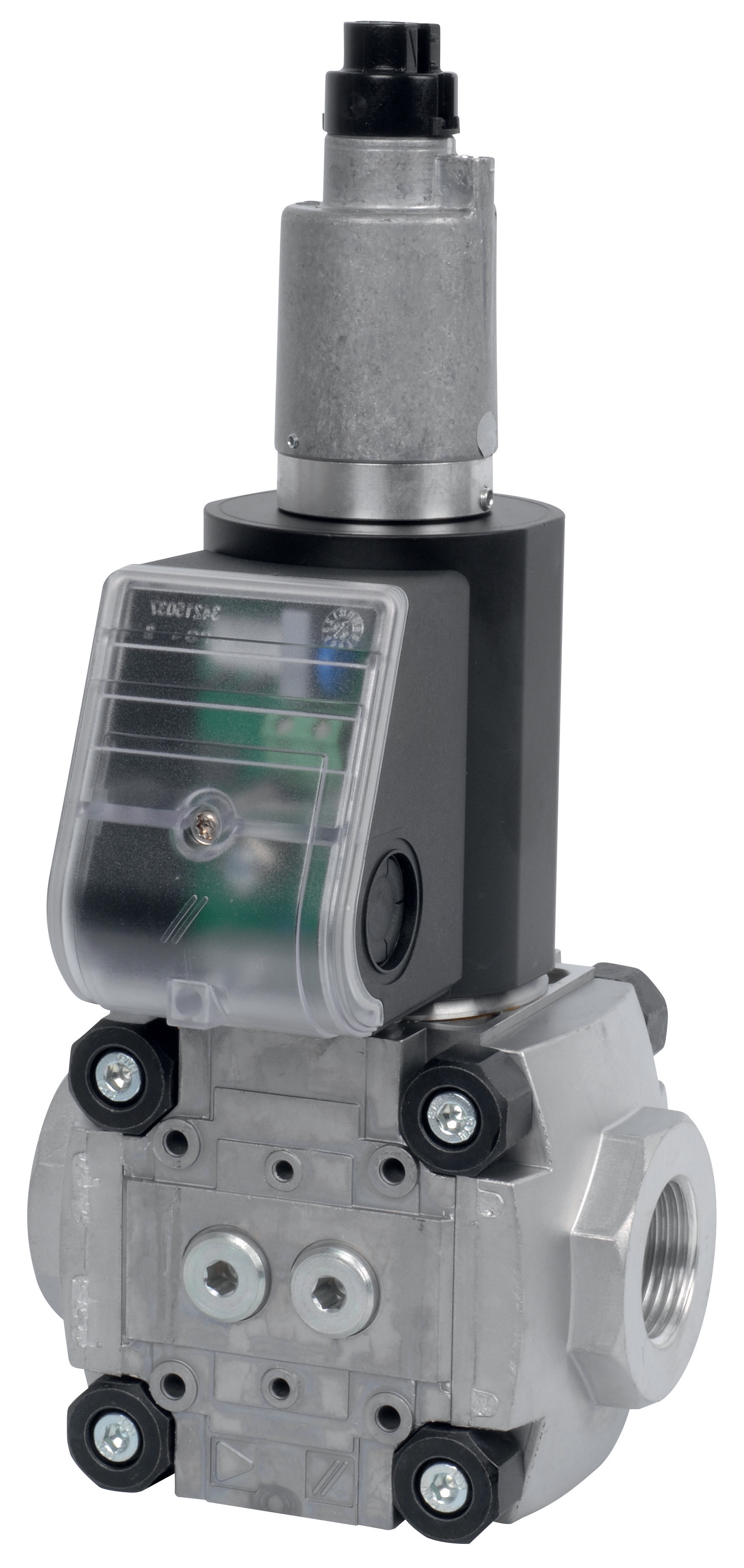
Solenoid valves form the heart of Controls & Safety systems in gas applications. Procurement engineers must specify these components based on four critical parameters: response time, flow capacity, pressure rating, and coil specifications.
Response Time Requirements
Response time—measured in milliseconds—determines how quickly a solenoid valve closes when de-energized, a critical safety function. Fast-closing valves (50-100ms) are essential for applications where rapid gas shutoff prevents dangerous conditions or equipment damage. The CBM Fast gas solenoid valve VAS 110R/NW and CBM Fast gas EV VAS 365R/NW deliver response times suitable for high-pressure, high-flow applications where safety margins are tight.
Conversely, slow-closing solenoids (200-500ms) prevent shock waves and pressure surges in systems where gradual closure protects downstream equipment. The CBM Slow gas solenoid valve VAS 340R/LW and CBM Slow gas solenoid VAS 125R/LW provide controlled deceleration, reducing mechanical stress on piping and connected devices.
Procurement engineers must specify response times based on:
- System pressure and flow rates
- Downstream component tolerance to pressure transients
- Safety shutdown requirements
- Equipment manufacturer recommendations
Solenoid valve model designation typically indicates maximum operating pressure and nominal flow capacity. For example, the VAS 340R/LW designation contains encoded information about rated pressures and flow ranges. Engineers must cross-reference equipment datasheets against system specifications to ensure valves neither operate below minimum pressure (poor performance) nor exceed maximum pressure (safety and reliability issues).
When specifying multiple solenoid valves for a single system, ensure consistent pressure ratings across the control chain. A fast shutoff valve with high pressure rating paired with a low-pressure slow valve creates integration challenges and potential safety gaps.
Coil Specifications and Supply Compatibility
Solenoid coils are specified by voltage (AC or DC), frequency (for AC), and wattage. Procurement engineers must confirm:
- AC or DC power availability in the installation environment
- Voltage standards across global locations (230V AC in Europe, 120V AC in North America, 110V DC in some industrial settings)
- Compatibility with existing control circuits and panel infrastructure
- Surge protection and electrical isolation requirements
Mismatched coil specifications require expensive panel modifications and create project delays. Early specification review prevents these costly errors.
Control Relay Integration: Electrical Architecture and Safety Standards
Control relays serve as the electrical bridge between flame detection sensors, safety switches, microprocessor controllers, and solenoid valve coils. The CBM Relay DMG 970-N MOD.03 exemplifies modern relay design for Controls & Safety applications, incorporating diagnostic capabilities and safety-rated electrical isolation.
Safety-Rated vs. Standard Relays
Procurement engineers must understand the distinction between general-purpose relays and safety-rated relays. Safety-rated relays (often designated as Category 3 or 4 in EN 954-1 or PLd/PLe in ISO 13849-1) incorporate redundancy, diagnostic testing, and certified electrical isolation. These relays cost more but are mandatory in applications where relay failure could cause loss of life or environmental harm.
For burner Controls & Safety systems, most jurisdictions require at least PLc (Performance Level c) or Category 3 compliance, necessitating safety-rated relay selection. Procurement engineers should verify certification documentation before finalizing specifications.
Contact Rating and Switching Capacity
Relay contacts are rated for maximum voltage and current. Solenoid valve coils draw inrush current during energization—typically 3-5 times steady-state current. Procurement engineers must specify relays with contact ratings exceeding expected inrush demands by a safety margin, typically 20-30%. Undersized relays suffer accelerated contact wear, causing intermittent faults and eventual failure.
Coil Drive Requirements
Modern safety relays like the DMG 970-N MOD.03 offer configurable coil voltages and diagnostic features. During specification, engineers must determine:
- Whether 24V DC control power is available on-site
- If 120V AC or 230V AC coil drive is more economical
- What diagnostic feedback is required (LEDs, relay status contacts, network outputs)
- Whether the relay's diagnostic capability must be integrated into the burner management system
Selecting a relay with diagnostic features when the control system cannot process diagnostics wastes investment. Conversely, choosing a basic relay for a system requiring remote monitoring and predictive maintenance creates future retrofit costs.
Global Regulatory Compliance in Controls & Safety Specification
Procurement engineers must navigate a complex landscape of regional safety standards and certification requirements. Component selections made without compliance consideration lead to project rejections at commissioning, equipment seizure, or operational shutdown.
North American Standards (UL, CSA, ANSI)
In North America, burner Controls & Safety systems typically require UL (Underwriters Laboratories) or CSA (Canadian Standards Association) certification. These standards specify solenoid valve response times, pressure ratings, electrical isolation, and proof-testing intervals. Procurement engineers must verify that specified components hold current UL or CSA listing and that the listing covers the intended application (e.g., oil burner controls, gas appliance controls, industrial furnaces).
European Standards (CE, PED, ATEX)
European equipment requires CE (Conformité Européenne) marking, indicating compliance with applicable EU directives. For pressurized equipment, the Pressure Equipment Directive (PED) may apply. For applications in explosive atmospheres, ATEX (Atmosphères Explosibles) certification is mandatory. Procurement engineers must ensure suppliers provide full technical documentation (declarations of conformity, CE marking certificates) before contract finalization.
Regional Variations
Singapore, Australia, the Middle East, and other regions maintain their own certification requirements, often closely aligned with European or North American standards but with regional variations. 3G Electric's 35-year global distribution network ensures that procurement engineers have access to equipment certified for their specific regional requirements.
Total Cost of Ownership in Controls & Safety Procurement
Procurement engineers often face pressure to minimize initial component costs. However, Controls & Safety systems demand a total cost of ownership (TCO) perspective that accounts for reliability, maintenance, and regulatory compliance.
Specification for Reliability
Solenoid valves and relays operating in harsh industrial environments (high temperature, vibration, moisture, corrosive gas exposure) experience accelerated wear. Specifying components rated for the actual environment—not just the nominal design condition—reduces failure rates and extends replacement intervals. For example, a solenoid valve specified for the maximum pressure transient (not just nominal operating pressure) costs 15-20% more but may last 2-3 times longer, reducing lifecycle cost significantly.
Spare Parts Availability and Lead Times
When a solenoid valve or relay fails, production shutdown costs dwarf component costs. Procurement engineers should specify equipment from established suppliers (like 3G Electric) that maintain spare parts inventory and can ship replacements quickly. Specifying obscure components from unfamiliar suppliers may save 10-15% on component cost but introduces risk of 6-8 week replacement lead times.
Standardization Across Facilities
Large organizations operating multiple facilities benefit from standardizing on specific solenoid valve and relay models across all locations. This reduces training complexity, enables centralized spare parts inventory, and improves procurement leverage. Procurement engineers should resist the temptation to choose different models for different facilities unless application differences genuinely require variation.
Practical Specification Checklist for Procurement Engineers
When specifying Controls & Safety components, use this checklist to ensure comprehensive evaluation:
- Application Context: Confirm the equipment type (burner, furnace, oven, valve bank), fuel type (natural gas, propane, oil), and operating pressure range
- Response Time: Specify fast-closing (VAS 110R/NW, VAS 365R/NW) or slow-closing (VAS 125R/LW, VAS 340R/LW) based on pressure transient requirements
- Pressure Rating: Verify that solenoid valve pressure ratings exceed system maximum operating pressure by 10-20%
- Coil Specifications: Confirm voltage availability and compatibility with existing panel infrastructure
- Safety Certification: Verify CE, UL, CSA, PED, or ATEX certification as required by regional regulations
- Relay Selection: Specify safety-rated relays (such as DMG 970-N MOD.03) for applications requiring category 3 or higher safety integrity
- Supplier Verification: Confirm that suppliers can provide complete technical documentation and spare parts support
- Commissioning Support: Ensure suppliers can support system testing and documentation requirements
Conclusion
Controls & Safety component specification requires engineering rigor, regulatory knowledge, and practical understanding of how components function within larger systems. By following a systematic specification approach grounded in application requirements, regulatory standards, and total cost of ownership principles, procurement engineers can select equipment that delivers both safety compliance and operational reliability. 3G Electric's 35 years of global distribution experience provides procurement engineers with access to certified equipment, technical expertise, and reliable supply chains—critical advantages when specifying Controls & Safety systems for demanding industrial applications worldwide.