Understanding Controls & Safety System Architecture for Procurement
Controls & Safety represents the critical backbone of industrial burner and heating systems, yet procurement engineers often approach component selection in isolation rather than as an integrated ecosystem. With over 35 years of experience distributing industrial equipment across Southeast Asia, 3G Electric has observed that the most cost-effective and reliable systems emerge from architectures designed with modularity and scalability in mind.
When specifying Controls & Safety systems for Singapore operations, you must balance three competing demands: regulatory compliance with Singapore's Code of Practice for Pressure Equipment and IEC standards, total cost of ownership across equipment lifecycles, and operational flexibility to support diverse facility needs. This guide provides procurement engineers with the technical foundation to make specification decisions that optimize all three dimensions.
At its core, an integrated Controls & Safety architecture comprises four functional layers: sensing (detecting process conditions), evaluation (decision logic), actuation (controlling equipment response), and feedback (monitoring system health). Each layer contains specific components that must be selected not in isolation, but as complementary elements within a cohesive system.
Layer 1: Sensing Components and Pressure Monitoring
The foundation of any Controls & Safety system is accurate, reliable sensing. For burner applications in Singapore's tropical industrial environment, pressure switches serve as the primary sensing elements for monitoring fuel delivery, air pressure, and system integrity.
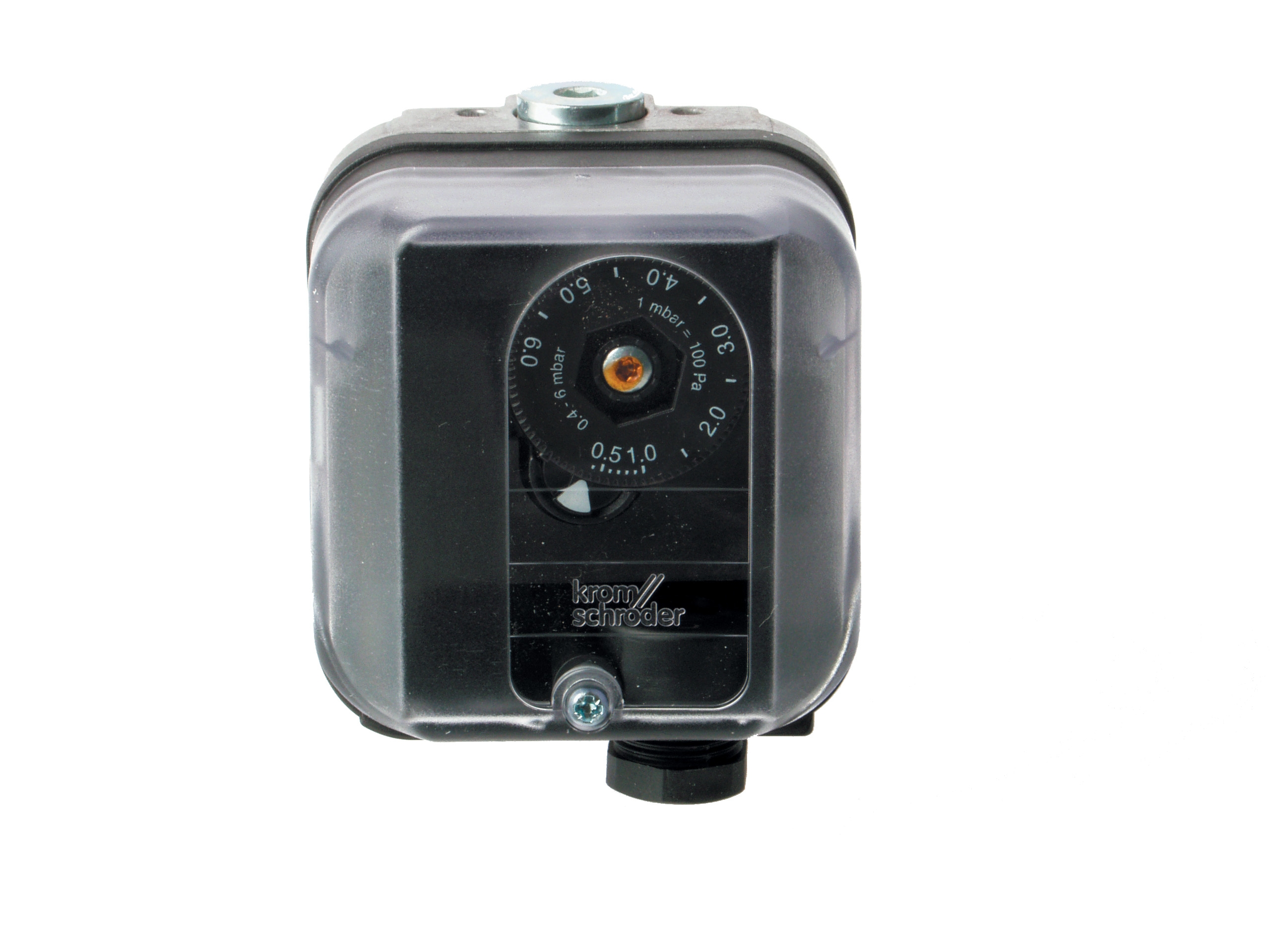
The Kromschroder Pressure switch DG 50U/6 exemplifies enterprise-grade sensing architecture for burner control. This component carries SIL 3 (Safety Integrity Level 3) and Performance Level e certifications, meeting EN 1854, FM, UL, AGA, and GOST-TR standards. For procurement engineers, this multi-certification approach is crucial: it means a single component can support compliance across different regulatory domains without requiring separate pressure switches for different markets or equipment generations.
When specifying pressure switches, consider these procurement-critical factors:
- Pressure range and setpoint flexibility: The DG 50U/6 operates across defined ranges with adjustable setpoints. Procurement engineers should specify switches that accommodate anticipated load variations without requiring field modifications. This reduces commissioning costs and minimizes operational downtime.
- Functional safety ratings: SIL 3 capability means the switch contributes to overall system safety architecture without imposing redundancy requirements in other components, potentially reducing total system cost while maintaining safety integrity.
- Environmental resilience: Singapore's humid, saline-laden industrial atmosphere demands pressure switches with robust sealing and corrosion-resistant materials. The Kromschroder DG 50U/6 provides this foundation.
- Integration compatibility: Ensure pressure switches provide clean electrical contacts compatible with downstream relay and control systems. This eliminates signal conditioning requirements and associated costs.
For procurement planning, specify pressure switches with standardized mounting interfaces and electrical connectors. This standardization reduces inventory complexity when managing multiple facilities or equipment generations.
Layer 2: Flame Detection and Safety Interlocks
Flame detection forms the critical safety interlock that prevents uncontrolled fuel injection into burner chambers. This layer prevents explosions and uncontrolled combustion events—among the most severe industrial hazards in Singapore's manufacturing and facilities management sectors.
The Siemens Cell QRB4A-B036B40B flame detector combines optical flame sensing with robust industrial design. This two-wire thermoplastic cable construction simplifies installation in existing equipment, reducing retrofit costs when upgrading legacy burner systems. The 36 mm mounting hole spacing aligns with standard burner scanner mounting, enabling straightforward integration without mechanical redesign.
Flame detection systems require procurement engineers to evaluate two technical dimensions:
Signal reliability and false-alarm prevention: Modern flame detectors use sophisticated optical filtering to distinguish genuine flame signatures from reflected light, electrical noise, or solar radiation. The Siemens QRB4A-B036B40B design provides inherent immunity to these false-signal conditions, eliminating the need for additional filtering hardware and reducing false shutdown events that disrupt facility operations.
Response time characteristics: Flame detection must respond within milliseconds to extinguish fuel flow when flame is lost. Procurement engineers should specify detectors with demonstrated response times (typically under 100 ms for optical detectors) rather than accepting generic "fast response" claims. This enables accurate safety verification during commissioning.
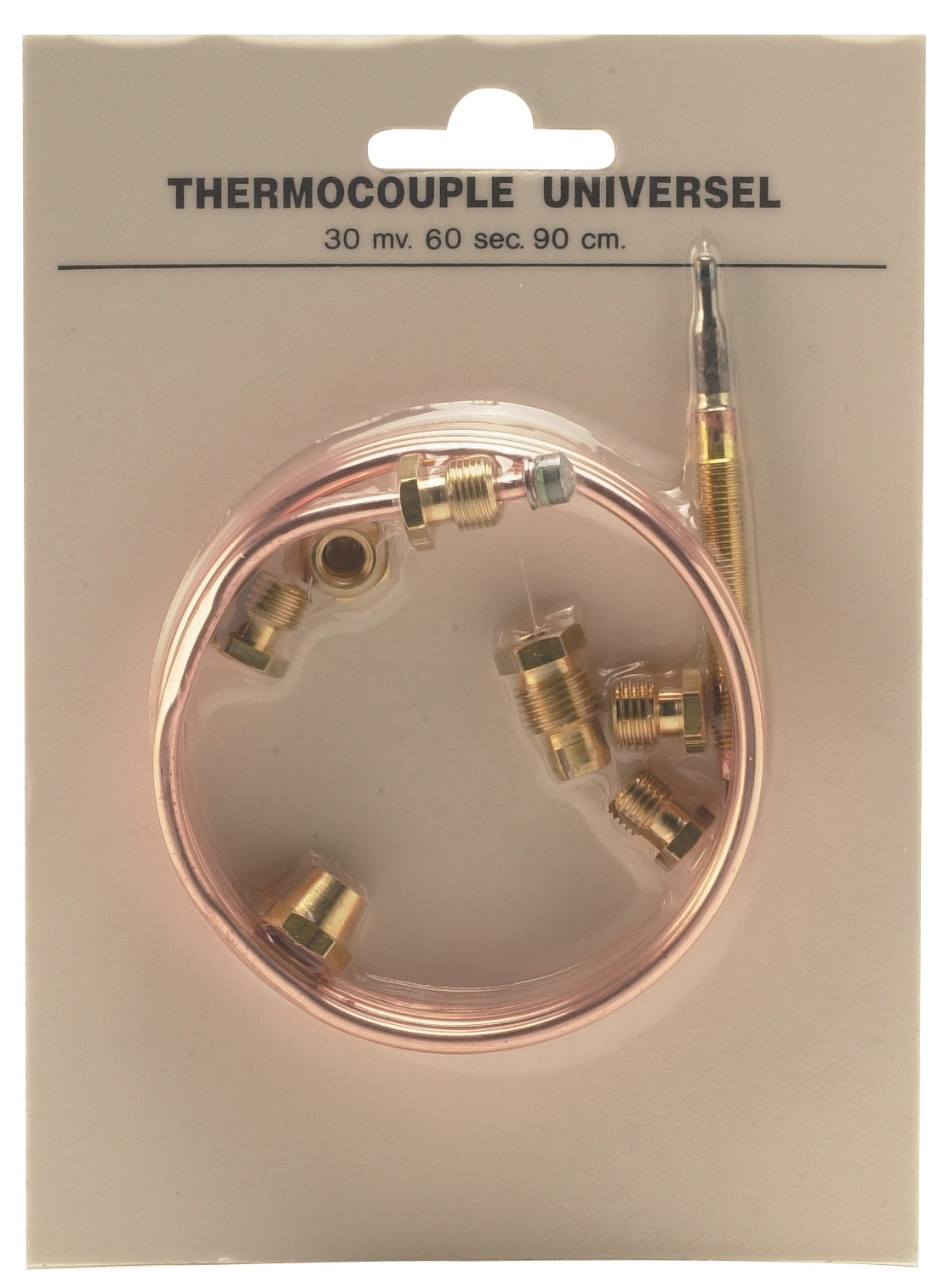
The CBM Stainless steel electrode - L.1m 2013347 provides an alternative sensing approach for ionization-based flame detection, commonly used in gas control applications. This 900 mm length electrode, rated to 600°C with 3 MΩ internal resistance, creates an ionized flame path that conducts a tiny measurement current. When flame is present, this current flows; when flame is lost, current ceases and fuel shutoff is triggered.
For procurement decision-making:
- Optical vs. ionization trade-offs: Optical detectors work with any fuel type and provide visual confirmation of flame presence, but require clear optical path. Ionization detectors work in any environment but are fuel-specific and consume electrodes that require periodic replacement. Evaluate your fuel mix and maintenance capabilities when selecting between approaches.
- Electrode material and durability: The CBM electrode's stainless steel construction resists corrosion in humid environments, extending replacement intervals and reducing lifecycle costs compared to carbon steel alternatives.
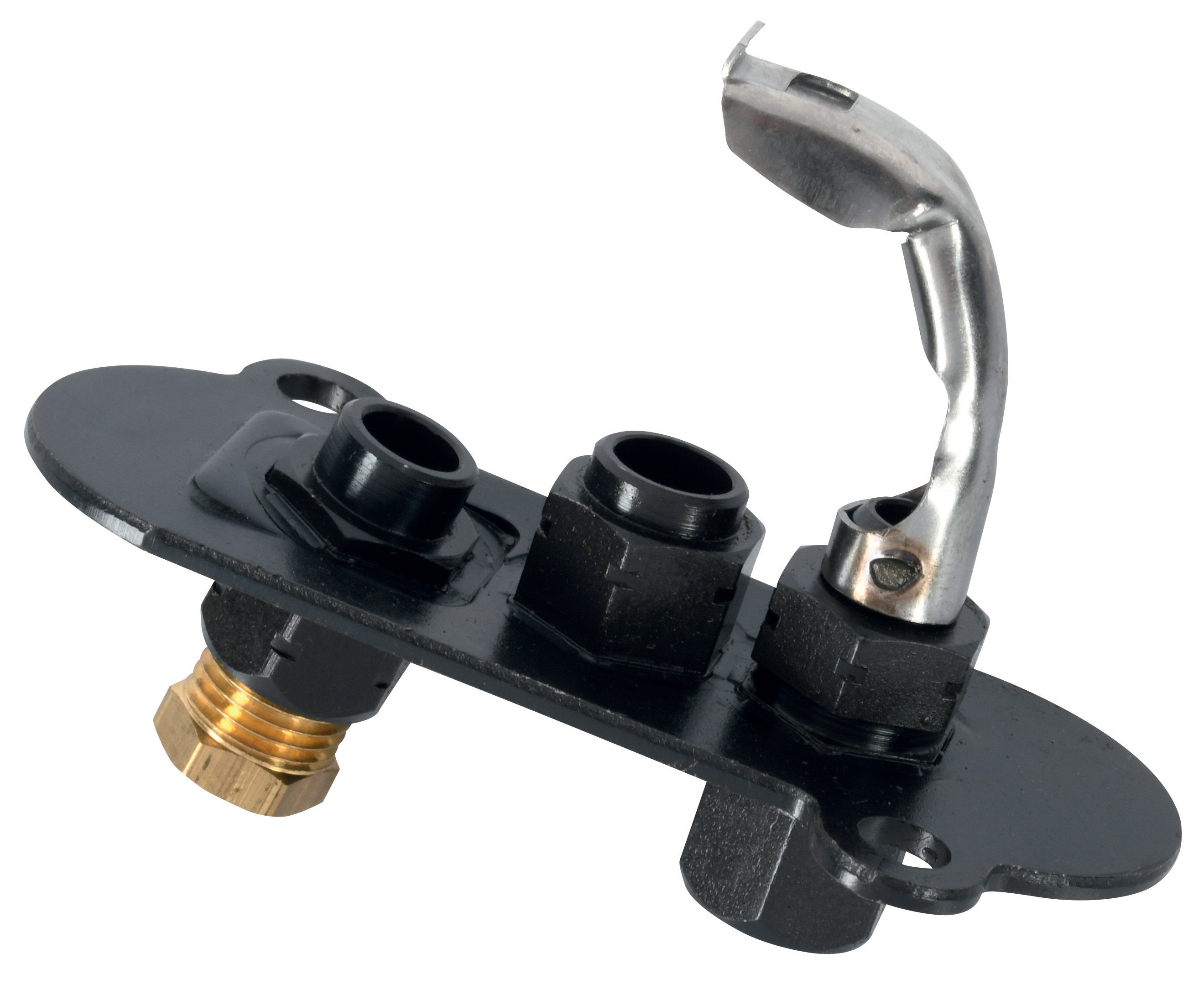
- Pilot light integration: The Sit Universal pilot light 2 flames 3 positions connects upstream of both detection types, providing a reliable ignition source that supports flame detection during startup sequence. This three-position design accommodates different burner configurations without requiring multiple pilot light SKUs, simplifying inventory management and reducing procurement complexity.
Layer 3: Control Logic and Electronic Relay Systems
The evaluation layer translates signals from sensing components into control decisions. Modern burner systems require sophisticated logic to manage startup sequences, respond to load changes, and execute safety shutdown procedures. This layer determines operational reliability and regulatory compliance.
The Brahma Relay CE 191.4 TW30/TS10 represents contemporary electronic burner control architecture for Singapore industrial applications. Operating at 230V 50/60Hz with 1.2 µA minimum ionization current, this relay manages atmospheric and fan-assisted burner operation with built-in safety functions.
Procurement engineers must evaluate control relays across several critical dimensions:
Integrated safety functions: Modern relays incorporate safety-critical functions that previously required separate hardware:
- Ignition sequence management (preventing fuel injection before pilot ignition)
- Flame supervision (continuous monitoring of flame presence during operation)
- Safety shutdown logic (rapid fuel cutoff when sensors detect unsafe conditions)
- Reset controls (preventing automatic restart after safety shutdown, forcing manual intervention)
These integrated functions reduce component count, minimize wiring complexity, and lower total system cost compared to discrete component assemblies.
Ionization current measurement: The Brahma relay's 1.2 µA sensitivity allows use of ionization-based flame detection across diverse fuel types. This specification directly impacts your ability to standardize flame detection approaches across facility portfolios, reducing training requirements and spare parts inventory.
Voltage and frequency compliance: Singapore industrial sites operate at 230V 50Hz per IEC standards. Specifying relays designed for these parameters ensures compatibility without requiring step-down transformers or frequency converters, eliminating potential points of failure and reducing installation costs.
Modular logic architecture: Enterprise-grade relays like the Brahma CE 191.4 provide programmable logic capabilities, allowing different burner control sequences to be configured through software rather than hardware changes. This modularity enables single relay designs to support multiple burner types, reducing SKU complexity in your procurement systems.
Layer 4: System Integration and Compliance Verification
Successful Controls & Safety systems require that all four layers function as an integrated whole. Procurement engineers must specify components that integrate seamlessly while maintaining the safety integrity required by Singapore regulations.
Electrical interface standardization: Ensure all components use consistent electrical connectors and signal levels. The components referenced throughout this guide—Kromschroder pressure switch, Siemens flame detector, CBM electrode, Sit pilot light, and Brahma relay—all provide standardized electrical interfaces compatible with modern burner control cabinets. This compatibility eliminates costly custom wiring harnesses and signal conditioning hardware.
Certification documentation and traceability: Singapore's regulatory environment requires clear documentation of component certifications and compatibility. Request technical datasheets confirming EN, UL, and CE compliance for all components. Maintain this documentation in your procurement systems to support regulatory audits and facility certifications.
Scalability across facility portfolios: Many Singapore organizations operate multiple facilities with diverse burner equipment. Component standardization enables economies of scale in procurement, training, and maintenance. When specifying Controls & Safety systems, prioritize components available across multiple equipment generations and applications, even if they carry slightly higher unit costs. This approach reduces total lifecycle costs by minimizing training fragmentation and spare parts inventory.
Field validation and commissioning procedures: Integrated Controls & Safety systems require systematic commissioning to verify all layers function correctly. Develop commissioning checklists that address each layer: pressure switch response time and setpoint verification, flame detector signal quality and response speed, relay control logic sequence validation, and overall system safety shutdown performance. This systematic approach prevents costly field surprises and supports regulatory compliance verification.
Procurement Strategy for Enterprise Controls & Safety Implementations
Based on 35 years of experience supporting industrial operations across Southeast Asia, 3G Electric recommends a phased procurement approach for Controls & Safety systems:
Phase 1 - Define system architecture: Before selecting individual components, specify your overall system architecture. Will you use optical or ionization-based flame detection? Will control logic be centralized in a programmable relay or distributed across multiple devices? This architectural choice drives all downstream component specifications.
Phase 2 - Select component families: Once architecture is defined, identify component families that provide integrated compatibility. The Kromschroder/Siemens/Brahma ecosystem referenced throughout this guide represents integrated product lines designed to work together. Standardizing on compatible product families simplifies procurement, reduces integration risk, and supports long-term supply chain stability.
Phase 3 - Develop facility implementation standards: Create internal standards documenting approved component SKUs, electrical configurations, and commissioning procedures. This standardization approach reduces procurement complexity when managing multiple facilities and supports knowledge transfer as facility operations staff rotate.
Phase 4 - Establish supplier partnerships: Work with distributors like 3G Electric that maintain technical expertise across diverse product families. Quality distributors provide not just component procurement but also technical support, commissioning guidance, and field service coordination that maximize system reliability throughout the equipment lifecycle.
Controls & Safety systems represent some of your most critical equipment investments. Taking a systematic, integrated procurement approach—rather than selecting components in isolation—yields superior reliability, lower lifecycle costs, and clearer regulatory compliance paths across your Singapore operations.