Understanding Controls & Safety Regulatory Framework in Singapore
Controls & Safety systems form the critical backbone of industrial burner operations across Singapore's manufacturing and petrochemical sectors. For procurement engineers, navigating the regulatory landscape is essential before selecting any control components. Singapore's regulatory environment requires compliance with both international standards and local requirements enforced by the Ministry of Manpower (MOM) and the Building and Construction Authority (BCA).
The primary international standards governing Controls & Safety in burner systems include EN 746-2 (safety rules for industrial burners), EN 676 (safety in heating oil burners), EN 1854 (pressure switches for combustion safety), and IEC 61508 (functional safety). Singapore's Machinery Safety Ordinance mandates that all industrial burner systems meet these standards or equivalent safety certifications such as FM (Factory Mutual), UL (Underwriters Laboratories), and GOST-TR.
3G Electric's 35+ years of experience distributing industrial equipment across the Asia-Pacific region means we have supported countless procurement engineers through this compliance process. Understanding that one-size-fits-all solutions don't exist, modern Controls & Safety implementation requires a tiered approach: identifying your system classification (SIL rating), selecting certified components, and validating system integration before commissioning.
Key regulatory checkpoints include:
- SIL (Safety Integrity Level) rating requirements for your specific burner application
- Performance Level (PL) certification verification
- Documentation trails for compliance audits
- Local inspection and certification requirements through Professional Engineers Board Singapore
Selecting and Specifying Safety Control Components
Procurement engineers must balance multiple selection criteria when choosing Controls & Safety components: safety ratings, environmental compatibility, operational redundancy, and total cost of ownership. The selection process begins with understanding your burner system's safety classification.
For relay-based control systems, the Kromschroder Relay BCU 570WC1F1U0K1-E represents a high-reliability option for burner control applications. This relay supports both direct ignition and intermittent/continuous pilot ignition modes, complying with EN 746-2 and EN 676 standards. Its relevance for Singapore operations lies in its ability to manage complex ignition sequences while maintaining SIL 3 compatibility. When specifying this component, procurement engineers should verify that your system architecture supports the relay's control logic—specifically whether you require continuous monitoring of pilot flame or intermittent verification.
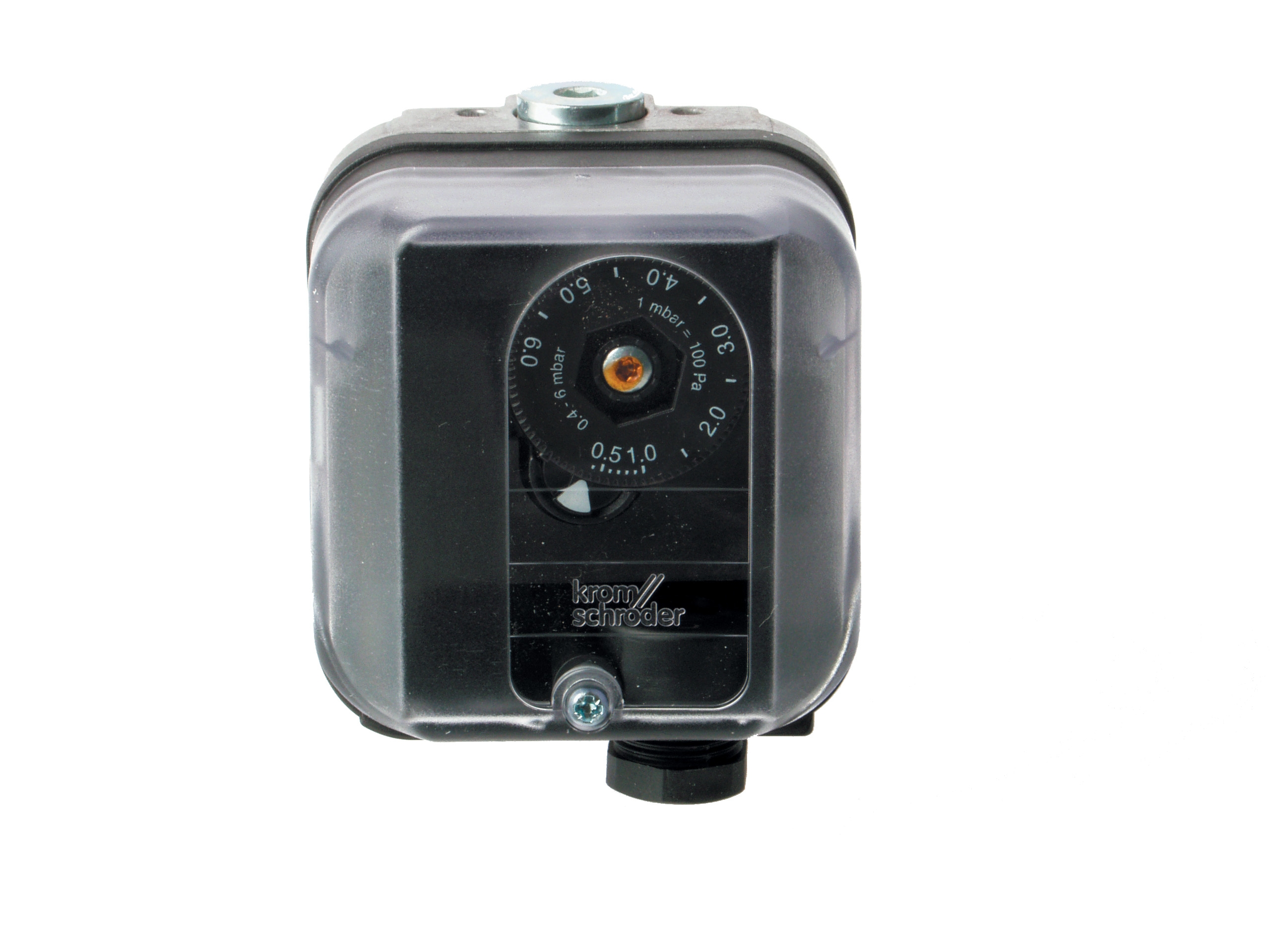
Pressure switches form another critical control element. The Kromschroder Pressure switch DG 50U/6 is rated SIL 3 and Performance Level e, meeting EN 1854, FM, UL, AGA, and GOST-TR certifications. This multi-standard compliance is particularly valuable for Singapore facilities operating under different regulatory frameworks or serving international markets. When procuring pressure switches, verify the switching setpoint matches your system's operating parameters—this component is particularly sensitive to specifying the correct pressure range during purchase.
For dual-fuel or high-capacity burner systems, the Siemens Relay LFL 1.622 provides a comprehensive safety control unit with integrated UV and ionization flame monitoring. This dual-flame detection capability offers redundancy, critical for Safety Integrity Level 2 (SIL 2) applications common in Singapore's industrial plants. The controlled air damper capability also enables dynamic load response, valuable in facilities with variable burner demand.
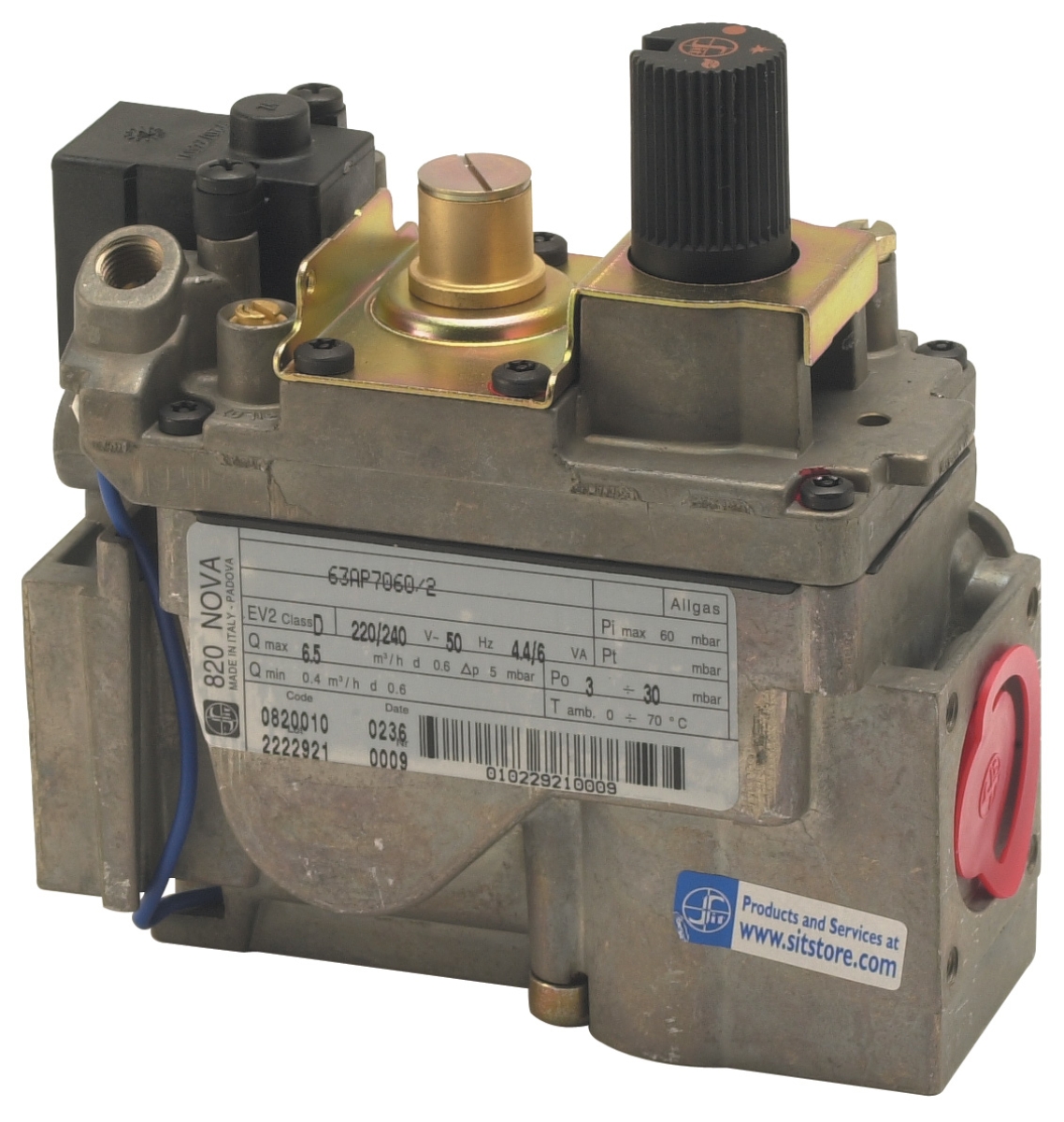
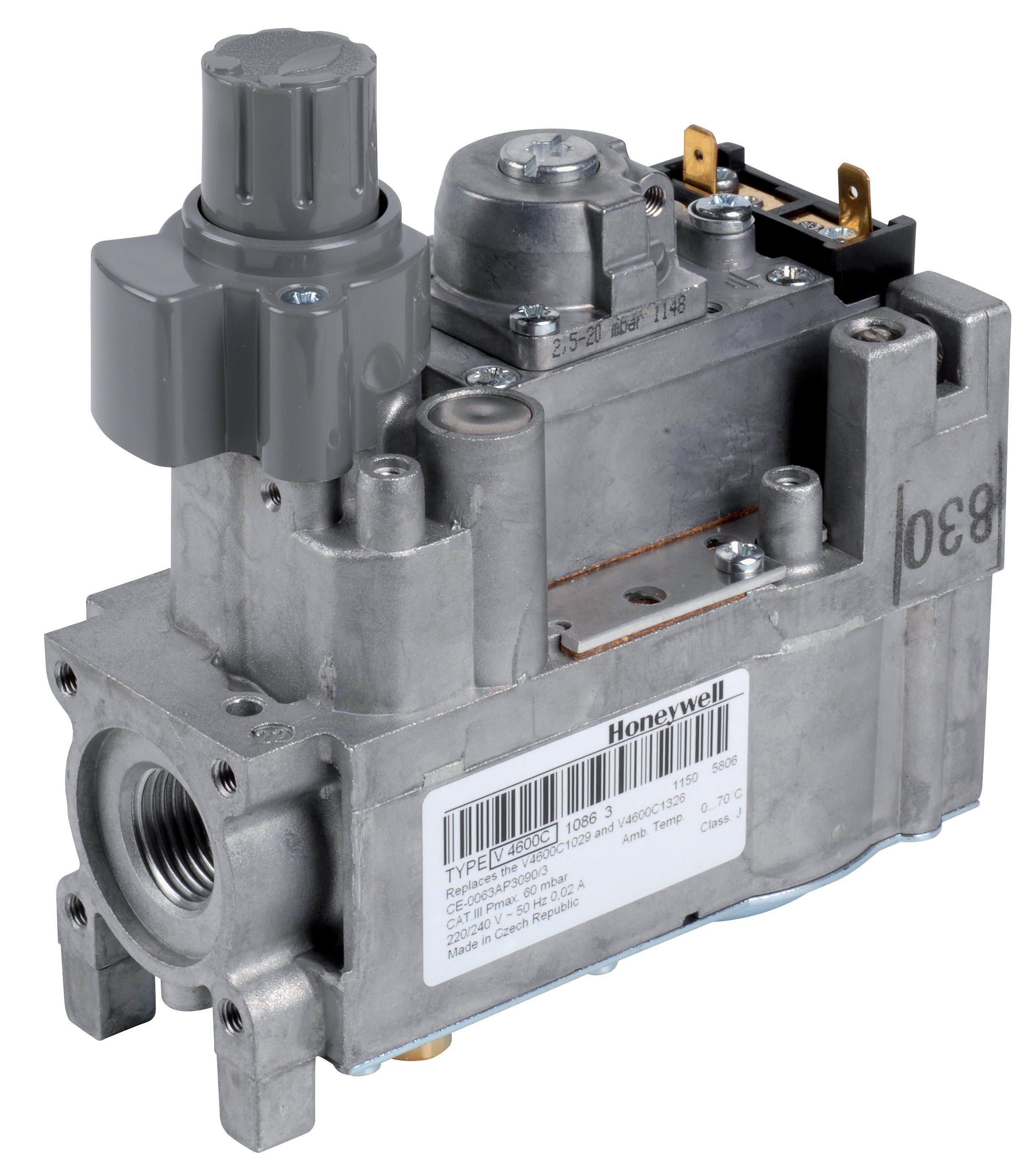
Gas control blocks integrate multiple safety functions into single units. The Honeywell Gas block VK 4105 C 1041 U functions as an electric modulating pressure regulator with integrated safety logic. This component type reduces system complexity and potential failure points by consolidating pressure regulation, isolation, and monitoring into one assembly. When specifying gas blocks for Singapore applications, consider the local water quality and humidity—modulating regulators require careful design to prevent condensation-related failures in tropical climates.
Ignition and flame detection modules complete the control hierarchy. The Pactrol Housing P 16 DI CE operates at 230V supply (Singapore's standard) with 12 kV output voltage for electrode ignition. Its 10MJ output energy specification ensures reliable ignition across various fuel types and ambient conditions. Procurement engineers should verify that your electrical infrastructure can support the inrush current requirements of ignition modules, as this impacts circuit design and protective device selection.
Implementation Strategy: Design, Installation, and Validation
Successful Controls & Safety implementation requires a structured three-phase approach: design verification, pre-commissioning validation, and operational certification.
Design Verification Phase:
Before purchasing components, procurement engineers should mandate that project teams complete a Functional Safety Assessment (FSA) document specific to your burner application. This assessment identifies all hazards, determines required Safety Integrity Levels, and maps control functions to specific components. Request your controls supplier or integrator to provide traceability matrices showing how each selected component contributes to safety requirements. For example, if your system requires SIL 2 flame detection, verify that your flame sensor selection (UV, ionization, or combination) is certified for that SIL level, and confirm that the monitoring relay (such as the Siemens LFL 1.622) can handle the sensor output and respond within required shutdown timeframes.
During design, specify redundancy requirements explicitly. Many Singapore industrial facilities require voting logic (2-out-of-3 or 2-out-of-2 configurations) for critical safety functions. This means your procurement specifications must account for multiple pressure switches, multiple flame sensors, or dual control relays operating in parallel. Calculate the total component cost including the additional valves, wiring, and testing required for redundant architectures.
Pre-Commissioning Validation:
Before your contractor begins installation, conduct a technical review of the control drawings with your procurement team and facilities engineering group. This review should verify:
- Component certifications match Singapore standards and your facility's specific requirements
- All electrical connections support the required emergency shutdown response time (typically 5-10 seconds for industrial burners)
- Sensor locations and protection from environmental hazards (heat, vibration, chemical exposure) are documented
- Spare parts availability and local service support through your distributor
3G Electric's 35+ years in the region means we maintain relationships with certified service providers across Singapore who can support your Controls & Safety systems. When sourcing components, verify that your distributor offers both the initial supply and ongoing technical support—this is critical for a system that requires calibration verification every 12-24 months.
Operational Certification:
Once installed, your Controls & Safety system requires comprehensive testing before being placed into service. Procurement engineers should ensure that the project scope includes:
- Factory Acceptance Testing (FAT) to verify all components function per specification
- Site Acceptance Testing (SAT) to confirm system integration and response times
- Documentation of all test results, including pressure switch setpoint verification, relay response timing, and flame sensor sensitivity
- Training for operations and maintenance staff on system operation, test procedures, and emergency procedures
Procurement Best Practices and Long-Term Value Optimization
Procurement engineers can optimize Controls & Safety system value by implementing strategic sourcing practices aligned with operational requirements.
Component Standardization:
Establish preferred component standards within your organization. For example, if you standardize on Siemens flame detection relays across your facility, your maintenance team becomes more skilled with these systems, spare parts inventory costs decrease, and training becomes more efficient. When evaluating suppliers like 3G Electric for long-term partnership, discuss volume commitments in exchange for favorable pricing on standardized components.
Lifecycle Cost Analysis:
Don't minimize Controls & Safety procurement costs—instead, optimize total cost of ownership. A pressure switch costing 15% more but offering SIL 3 certification (versus SIL 2) may reduce your maintenance testing frequency and improve system availability. Calculate the true cost by including:
- Component acquisition cost
- Installation and commissioning labor
- Annual calibration and testing requirements
- Typical component lifespan before mandatory replacement
- Mean time to failure (MTBF) data from manufacturer specifications
- Warranty and support service costs
Singapore's industrial sector depends on reliable component availability. When procuring Controls & Safety components, verify with your distributor that key items are in stock and can be shipped within your required lead time. For critical safety components, negotiate for safety stock agreements—particularly important for specialized items like the Kromschroder BCU 570 relay or Honeywell VK 4105 gas block.
Documentation and Compliance Records:
Maintain comprehensive records of all Controls & Safety components, including:
- Original certifications and technical datasheets
- Installation certificates from qualified technicians
- Calibration records and test results
- Maintenance and repair history
- Any field modifications or updates
These records are essential for insurance verification, regulatory audits, and warranty claims. Your distributor should provide support in organizing and archiving this documentation.
Integration with Maintenance Programs:
Controls & Safety systems require preventive maintenance distinct from routine burner servicing. Procurement engineers should coordinate with facilities management to establish:
- Quarterly pressure switch setpoint verification procedures
- Annual flame sensor sensitivity testing
- Biennial full system functional safety assessment
- Component replacement schedules based on manufacturer recommendations and local regulations
By taking ownership of these specifications during procurement, you ensure that maintenance budgets include the necessary resources and that your organization's risk profile remains acceptable throughout the component lifecycle.