Understanding Controls & Safety Through Electrical Interlock Architecture
Controls & Safety in industrial burner systems depends fundamentally on electrical interlock logic—the sequenced decision-making system that permits or prevents burner operation based on real-time conditions. Unlike standalone flame detection or pressure monitoring, electrical interlocks create a complete safety chain that evaluates multiple permissive conditions simultaneously before allowing ignition or fuel supply.
In Singapore's manufacturing and facility management sectors, electrical interlocks protect personnel, equipment, and regulatory compliance by enforcing mandatory operating sequences. With 35+ years of experience distributing industrial control components, 3G Electric has observed that procurement engineers often underestimate the complexity of specifying interlocks correctly—leading to nuisance shutdowns, delayed commissioning, and safety gaps.
An electrical interlock operates as a logical AND gate: all permissive conditions must be satisfied before the burner can operate. If any condition fails—low water temperature, closed isolation valve, loss of flame, fan motor not running—the entire safety chain breaks, preventing fuel flow and ignition regardless of operator input. This hierarchical lockout prevents cascade failures that could lead to unsafe accumulation of unburned fuel.
Core Permissive Conditions and Safety Chain Sequencing
Effective safety chain design requires understanding which permissive conditions must be evaluated and in what sequence. Singapore's industrial environment—with tropical humidity, variable power quality, and dense facility clustering—demands robust interlock specifications.
Primary Permissive Conditions:
- Air Supply Verification: Fan motor running signal confirms forced air circulation. Damper position sensors verify minimum combustion air availability. Loss of air flow triggers immediate lockout.
- Temperature Interlocks: Low inlet water temperature prevents ignition (typically 15°C threshold). High outlet temperature may inhibit further burner starts. Steam pressure switches prevent operation when system pressure exceeds safe limits.
- Isolation Valve Status: Electronic valve position sensors confirm fuel isolation valve is open before permitting ignition attempts. Closed valve conditions prevent pressurization of burner fuel train.
- Flame Supervision: UV flame detection or ionization electrodes must confirm flame presence within 3-5 seconds of ignition attempt. Sustained flame absence triggers fuel shutoff and lockout.
- Pilot Light Confirmation: On systems using intermittent pilot, pilot flame establishment must precede main flame ignition by minimum 2-3 seconds to ensure fuel mixture is properly diluted.
- Purge Cycle Completion: Pre-ignition purge (typically 15-30 seconds) evacuates accumulated fuel vapor before ignition attempt. Purge completion timer prevents ignition until air evacuation is confirmed.
The sequencing hierarchy is critical: permissive conditions that affect safety are evaluated in order of consequence. Air flow verification occurs before ignition. Temperature interlocks are checked continuously. Flame supervision operates continuously during operation. This layered approach prevents the simultaneous failure of multiple conditions from bypassing safety.
Implementing Interlocks with Relay Logic:
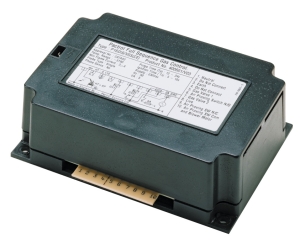
Traditional electromechanical relay systems like the Kromschroder BCU 570WC1F1U0K1-E provide cost-effective, proven interlock sequencing for burner control. This relay module directly integrates permissive condition inputs (24V dry contacts from sensors and switches) and outputs control signals to solenoid shutoff valves, ignition transformers, and pilot valve solenoids.
The BCU 570 processes input conditions through internal relay logic that enforces mandatory timing: ignition cannot occur until the air purge cycle timer completes, main valve opening is prohibited until pilot flame is established, and any loss of flame during operation triggers immediate fuel shutoff and a 3-5 minute interlock lockout period requiring manual reset.
For systems requiring higher integrity levels, programmable safety controllers or dedicated safety relays (SIL-rated modules) provide redundant condition evaluation and diagnostics. These systems log fault codes that help procurement teams diagnose why an interlock failed, enabling faster troubleshooting.
Pressure Monitoring as an Integral Interlock Function
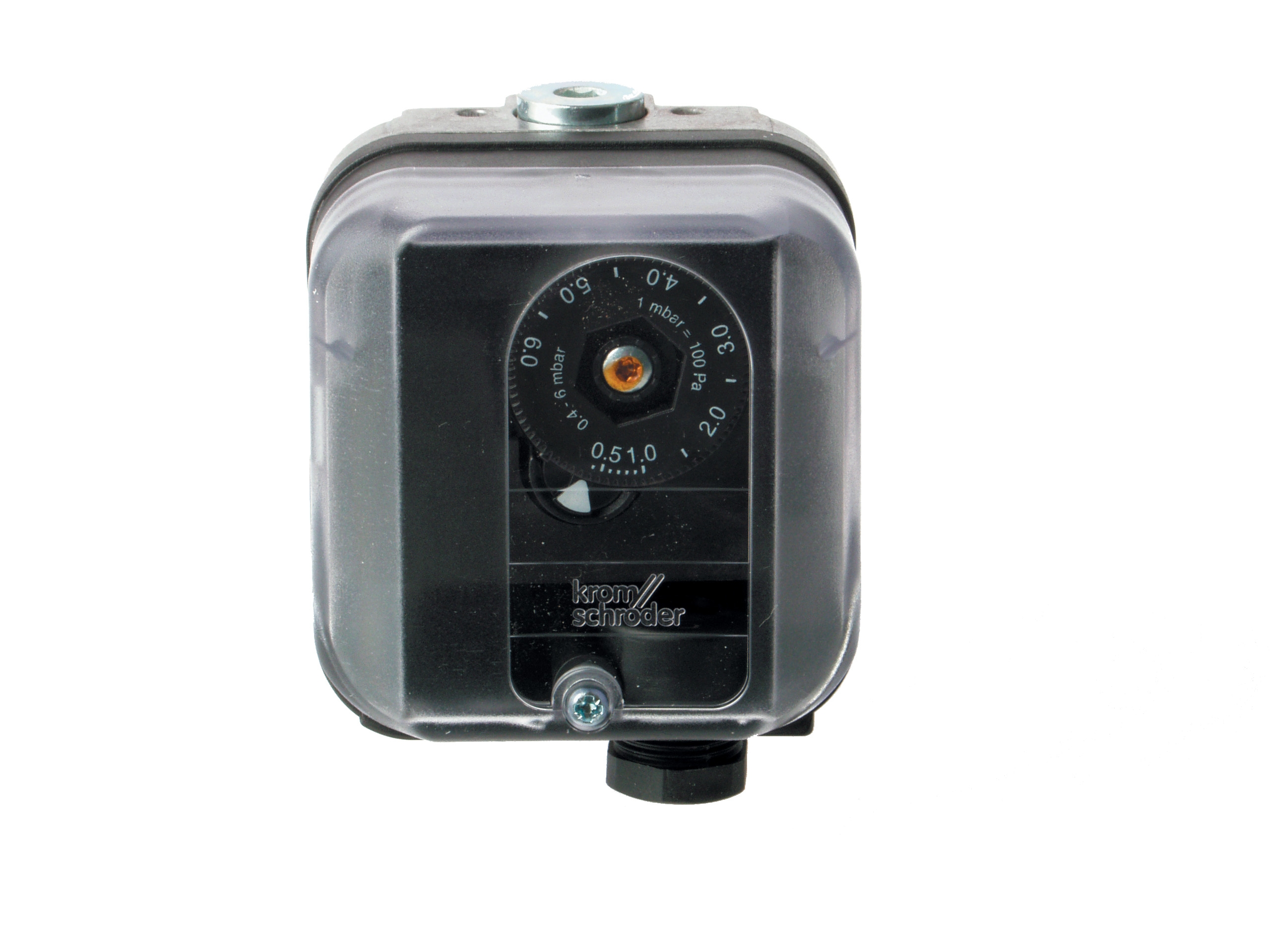
Pressure measurement devices function as permissive condition sensors within the larger interlock chain. The Kromschroder DG 50U/6 pressure switch rated SIL 3 exemplifies the safety-critical role pressure monitoring plays in interlock design.
In fuel supply circuits, pressure switches confirm that fuel is available at the burner inlet before ignition is attempted. If supply pressure falls below the minimum operating threshold (typically 0.5-1.0 bar for oil burners, 2-4 mbar for gas), the pressure switch contact opens, breaking the interlock chain and preventing ignition.
In combustion air circuits, differential pressure switches monitor the pressure drop across air filters. As filter loading increases, differential pressure rises. When differential pressure exceeds a setpoint (commonly 25-50 Pa for HVAC applications), the switch opens the interlock, preventing burner start and alerting maintenance personnel that filter replacement is needed. This prevents the unsafe condition where restricted air supply leads to incomplete combustion and flue gas hazards.
Water/steam systems use pressure switches as both safety interlocks and operational permissives:
- Low pressure interlock: System pressure below minimum (typically 0.2 bar) prevents ignition—indicating the system is not ready to receive burner heat.
- High pressure cut-off: System pressure exceeding design maximum (e.g., 10 bar) opens the interlock, stopping the burner to prevent overpressurization and equipment damage.
- Differential pressure for load verification: A pressure switch across a heating circuit confirms that water is circulating (pressure difference exists between inlet and outlet), ensuring heat is actually being transferred rather than fuel being wasted on a stalled system.
Pressure switches in interlock chains must be sized for the actual operating pressures and response times required. Undersized switches (too sensitive) cause nuisance trips; oversized switches (deadband too large) delay fault detection. 3G Electric's experience shows that specifying switches with 5-10% of nominal pressure as setpoint deadband provides reliable operation in Singapore's industrial environments while maintaining safety margins.
Integrated Control Modules and Modern Interlock Implementation
Multifunctional control modules consolidate interlock logic, pressure regulation, and safety diagnostics in compact devices that simplify installation and reduce wiring complexity.
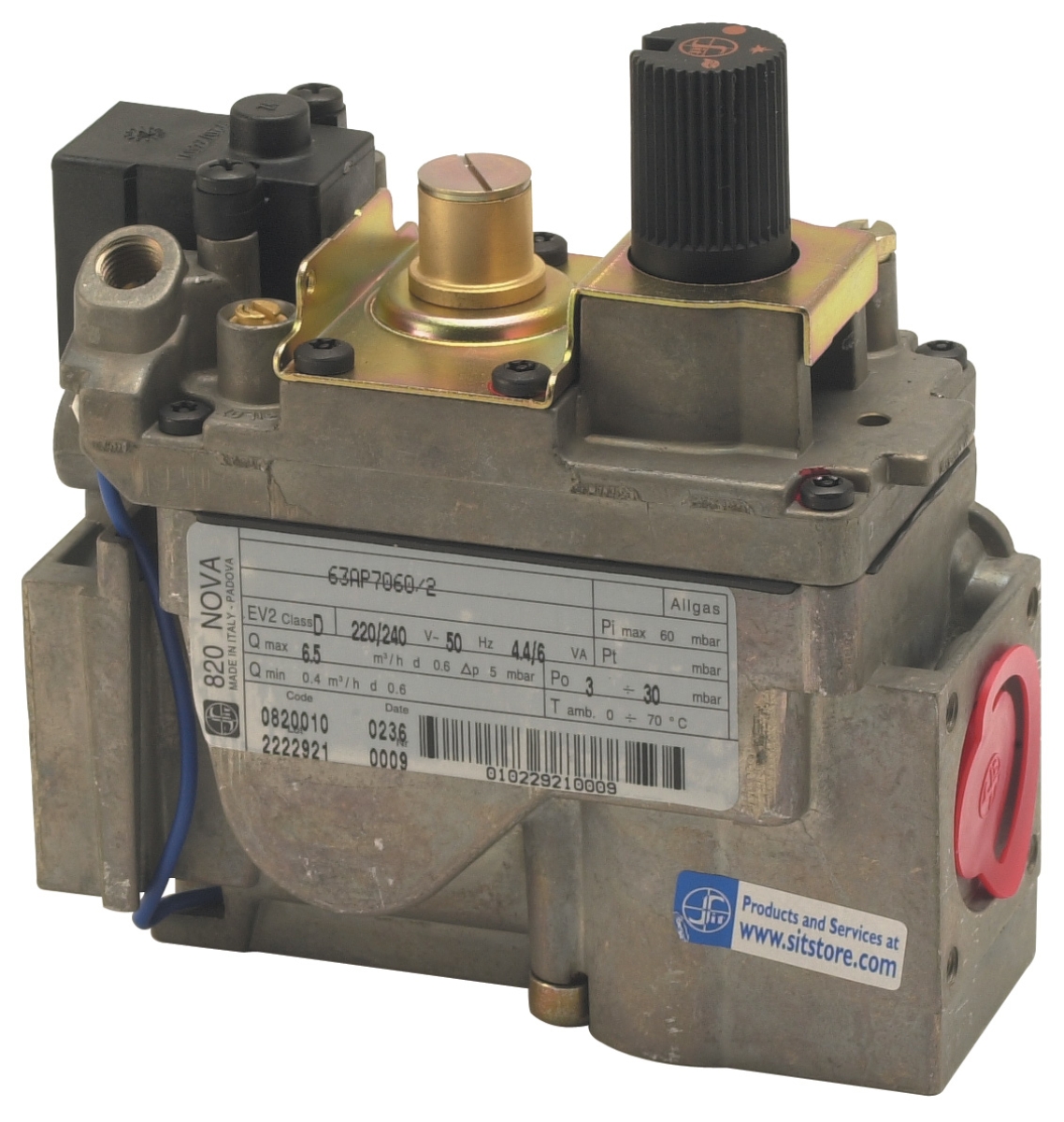
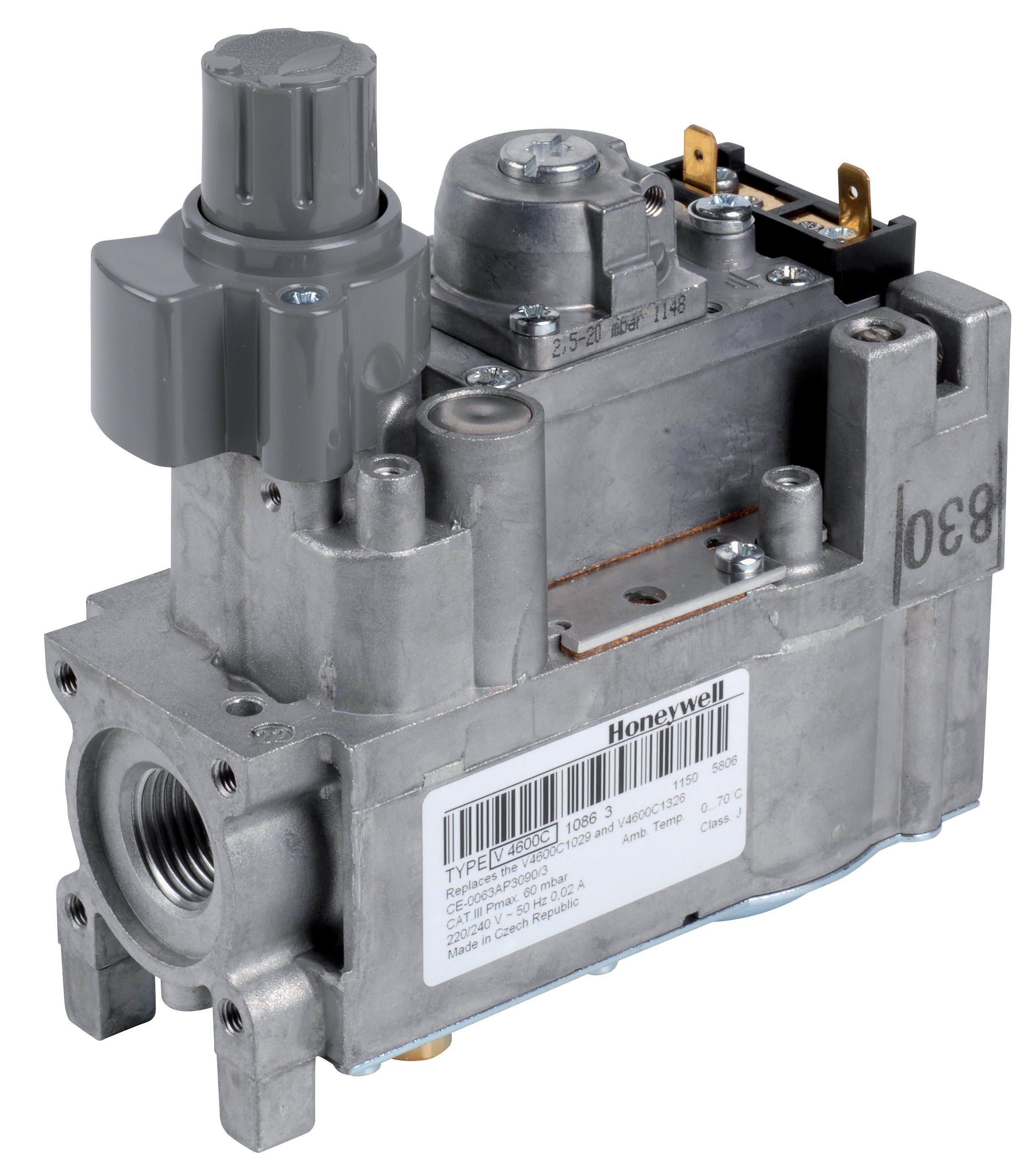
The Honeywell VK 4105 C 1041 U gas block integrates:
- Proportional pilot pressure regulator (maintaining constant pilot fuel pressure independent of supply variations)
- Safety shutoff valve (sealed pilot chamber prevents uncontrolled fuel escape on loss of pilot pressure)
- Pressure feedback mechanism (proportional valve maintains outlet pressure stable across varying inlet pressures and flow rates)
When integrated into an interlock chain, the VK 4105 receives a 24V permissive signal from the main control relay (like the Siemens LFL 1.622). When the interlock conditions are satisfied and the control signal energizes the proportional solenoid, fuel flows to the pilot. If any permissive condition fails, de-energizing the solenoid closes the block, stopping fuel flow within milliseconds.
For systems requiring high-frequency ignition attempts (e.g., intermittent pilot mode firing 5-10 times per minute), integrated modules reduce the solenoid valve cycling burden by using the gas block's internal pilot to modulate main burner fuel, protecting solenoids from excessive duty cycles.
The Pactrol Housing P 16 DI CE flame control module generates the high-voltage ignition pulse while simultaneously receiving feedback from UV flame sensors or ionization electrodes. This integrated approach combines ignition control and flame detection permissives in a single safety-critical device, reducing external wiring complexity and improving fault diagnostics.
Modern procurement in Singapore increasingly favors integrated modules because they:
- Reduce wiring: Each module consolidates 3-5 external components' functions, cutting installation labor and fault points.
- Improve diagnostics: Built-in self-tests detect component failures before they cause unsafe conditions.
- Simplify maintenance: Service technicians understand consolidated logic faster than decentralized relay panels.
- Enhance safety: Manufacturers design integrated modules with SIL certification from the outset, whereas field-assembled relay panels risk assembly errors.
Practical Commissioning and Maintenance of Interlock Systems
Successful interlock implementation requires commissioning protocols that verify all permissive conditions are functioning correctly before live operation begins.
Commissioning Sequence:
1. Isolated condition testing: De-energize the burner system and manually open each permissive condition switch (air damper fully open, fuel isolation valve open, system temperature above minimum, etc.). Verify that the control panel displays "ready to fire" or equivalent status.
2. Individual fault injection: Close one permissive condition at a time (close damper, close fuel isolation valve) and confirm that the control system immediately indicates a fault and inhibits ignition. This validates that each sensor-switch-relay path is functioning.
3. Sequencing verification: If the system uses timed interlocks (e.g., air purge cycle), observe the control panel during a cold start cycle. The air purge timer should run for its specified duration (typically 15-30 seconds) before permitting ignition. Ignition should not be possible if any permissive condition opens during purge.
4. Flame monitoring response: Once the burner is operating with flame, manually interrupt the flame detection signal (e.g., block UV sensor lens briefly) and verify that fuel shutoff occurs within 2 seconds and lockout prevents re-ignition for the lockout delay period (typically 3-5 minutes).
5. Pressure interlock calibration: For pressure switches, use a precision gauge connected to the burner fuel supply or air inlet to verify that the switch opens/closes at the specified setpoint, not drifting above or below specification.
Maintenance Protocols:
Electrical interlocks degrade through dust accumulation, corrosion, and component aging. Quarterly maintenance should include:
- Contact inspection: On electromechanical relays, verify that contacts show no pitting, oxidation, or debris. Contact resistance should remain below 100 mΩ.
- Pressure switch calibration drift: Annual re-calibration ensures pressure switches have not drifted. Typical acceptable drift is ±5% of setpoint.
- Sensor cleaning: UV flame sensors accumulate furnace dust. Quarterly cleaning with a soft brush restores signal strength. Ionization electrodes require quarterly electrode gap inspection (typically 3-4 mm) and cleaning with a non-abrasive cloth.
- Solenoid valve functional check: Manually de-energize and re-energize solenoid valves to confirm snappy opening/closing action. Sluggish response indicates internal coking or corrosion, requiring replacement.
With 35+ years of experience supporting Singapore's industrial facilities, 3G Electric has observed that well-maintained interlock systems achieve 99.5%+ uptime, whereas neglected systems experience 15-25% unplanned downtime due to nuisance shutdowns and component failures.
Regulatory Compliance in Singapore
Singapore's Workplace Safety and Health (General Provisions) Regulations require that burner control systems incorporate interlocks that prevent dangerous operating sequences. The Building and Construction Authority (BCA) building code references EN 746-2 (Safety of Burners and Burner Boiler Units) as the design standard for commercial and industrial burner systems.
Compliance verification requires:
- Component certification: Relays, pressure switches, and solenoid valves must carry CE markings and EN certifications. The BCU 570 and DG 50U/6 both meet EN 746-2 and EN 676 requirements, simplifying compliance documentation.
- Interlock design documentation: Burner system commissioning requires submission of functional safety documentation (FMEA or Safety Integrity Level assessment) to demonstrate that the interlock design prevents identified hazards.
- Annual third-party inspection: Licensed burner technicians (accredited by BCA) must inspect and test burner systems annually, including full interlock functional testing.
Procurement engineers should specify components with Singapore compliance documentation pre-prepared by manufacturers. This accelerates commissioning approval and reduces project delays.
Summary
Electrical interlock logic forms the essential safety infrastructure of industrial burner systems in Singapore. By understanding permissive conditions, sequencing hierarchies, pressure monitoring integration, and modern control modules, procurement engineers can specify systems that reliably prevent dangerous operating states while minimizing nuisance shutdowns.
The shift toward integrated control modules reflects industry maturation: consolidated design, SIL certification, and embedded diagnostics provide superior safety and operational efficiency compared to distributed relay panels. Combined with rigorous commissioning and preventive maintenance, modern interlock systems deliver the reliability that Singapore's competitive manufacturing and facility management sectors demand.