Understanding Controls & Safety Commissioning Requirements in Singapore
Controls & Safety systems are the backbone of industrial burner installations, requiring rigorous commissioning and validation before operational deployment. In Singapore's regulated industrial environment, proper testing protocols ensure compliance with local fire safety codes, electrical standards, and international performance requirements.
During our 35+ years as an industrial equipment distributor, 3G Electric has supported hundreds of commissioning projects across Southeast Asian facilities. The commissioning phase determines whether your burner control system will operate reliably for years or experience premature failures, safety shutdowns, and costly downtime.
Commissioning encompasses three critical phases: pre-startup verification, operational testing under controlled conditions, and final validation against design specifications. Each phase uses specific test procedures, measurement equipment, and acceptance criteria. Industrial facilities that rush these steps typically encounter field problems within the first operational season—pressure anomalies, flame detection failures, pilot ignition delays, and unwanted shutdowns that disrupt production schedules.
This guide addresses the practical testing protocols that industrial professionals need for successful Controls & Safety commissioning in Singapore's industrial context.
Pre-Startup Verification and System Integration Testing
Before energizing your burner control system, comprehensive visual and electrical inspection prevents catastrophic failures. Pre-startup verification begins with mechanical inspection—verifying all components are securely mounted, cable entries are sealed, and pneumatic/hydraulic lines are routed away from hot surfaces and moving equipment.
Component Identification and Documentation
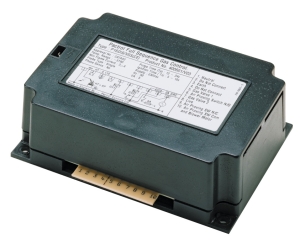
Verify that all relay modules, pressure switches, solenoid valves, and safety interlocks match approved design drawings. The Kromschroder Relay BCU 570WC1F1U0K1-E should be confirmed for correct ignition mode (direct, intermittent pilot, or continuous pilot) before installation. Document serial numbers, manufacturing dates, and certification levels for your facility records.
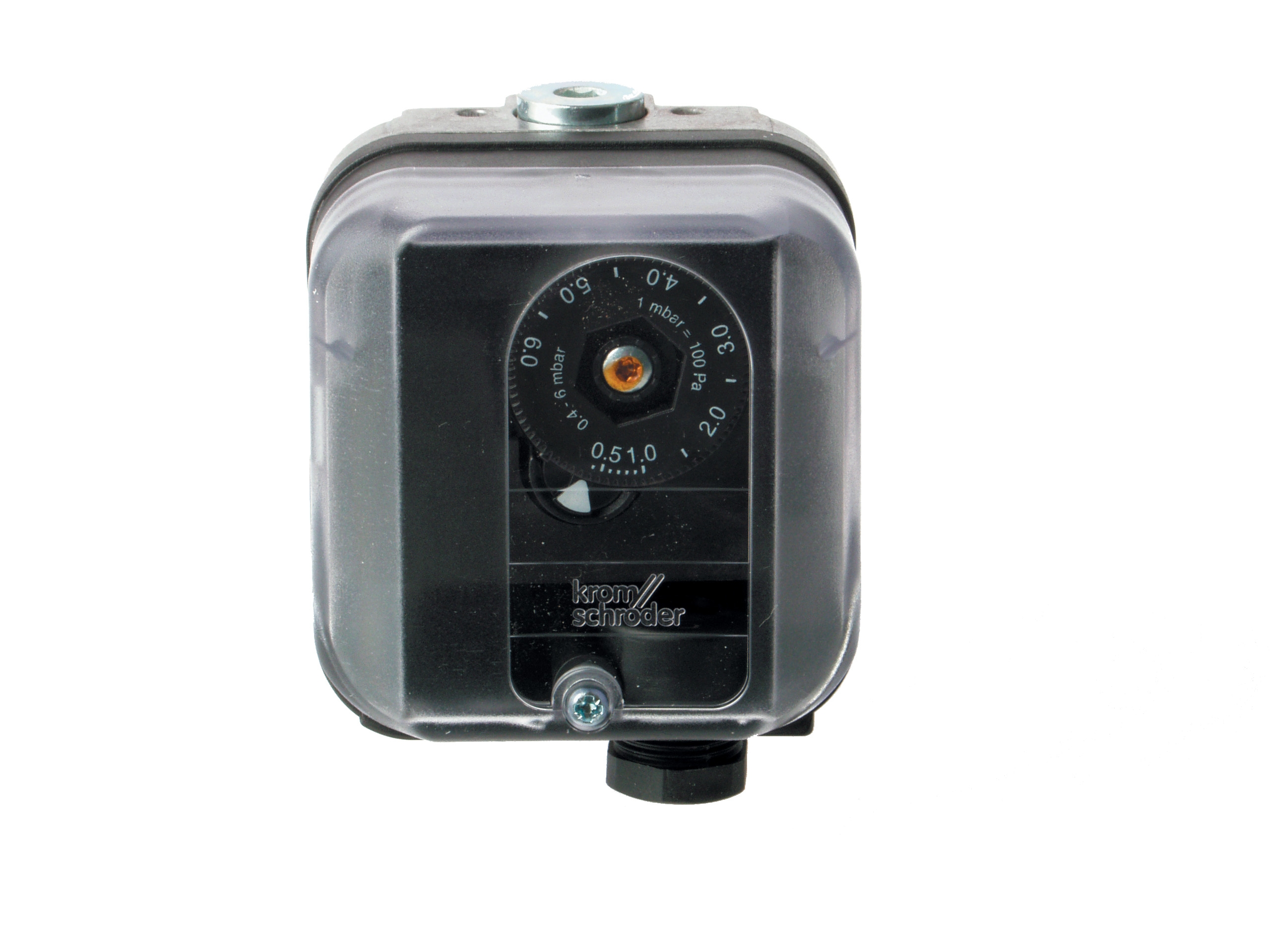
Inspect the Kromschroder Pressure switch DG 50U/6 for proper calibration certificates—SIL 3 and Performance Level e certifications must be current. Check the setpoint documentation against your system design pressure requirements. Even small deviations between design pressure (typically 0.5-2.0 bar for pilot circuits) and actual switch setpoints can cause nuisance shutdowns or dangerous overpressure conditions.
Electrical and Safety Interlock Continuity Testing
Measure DC resistance across safety circuits using a multimeter set to the 200Ω range. Safety interlocks (flame detection, air pressure verification, fuel gas isolation) must show zero resistance when closed and infinite resistance when open. Poor continuity indicates corroded terminals, damaged wiring, or faulty relay contacts—conditions that prevent the safety system from functioning.
Test all emergency shutdown buttons and interlock switches for proper mechanical operation. Press buttons smoothly and verify they deactivate the burner without binding or partial engagement. For the Siemens Relay LFL 1.622, confirm that UV and ionization flame monitoring connections are properly secured and show continuity to the flame detector electrodes.
Verify that the control power supply delivers stable voltage—typically 230V AC ±10% for European control systems. Unstable supply voltage causes unreliable relay coil activation and intermittent safety function failures. Use a calibrated AC voltmeter and record baseline readings for future troubleshooting reference.
Pneumatic and Hydraulic Circuit Pressure Verification
With the system de-energized, pressurize pneumatic pilot circuits to 50% of design pressure using a calibrated regulator. Listen for leaks at all fittings, solenoid valve spools, and pressure switch connections. Tighten any leaking connections using appropriate wrenches—over-tightening brass fittings strips internal threads and creates permanent leaks.
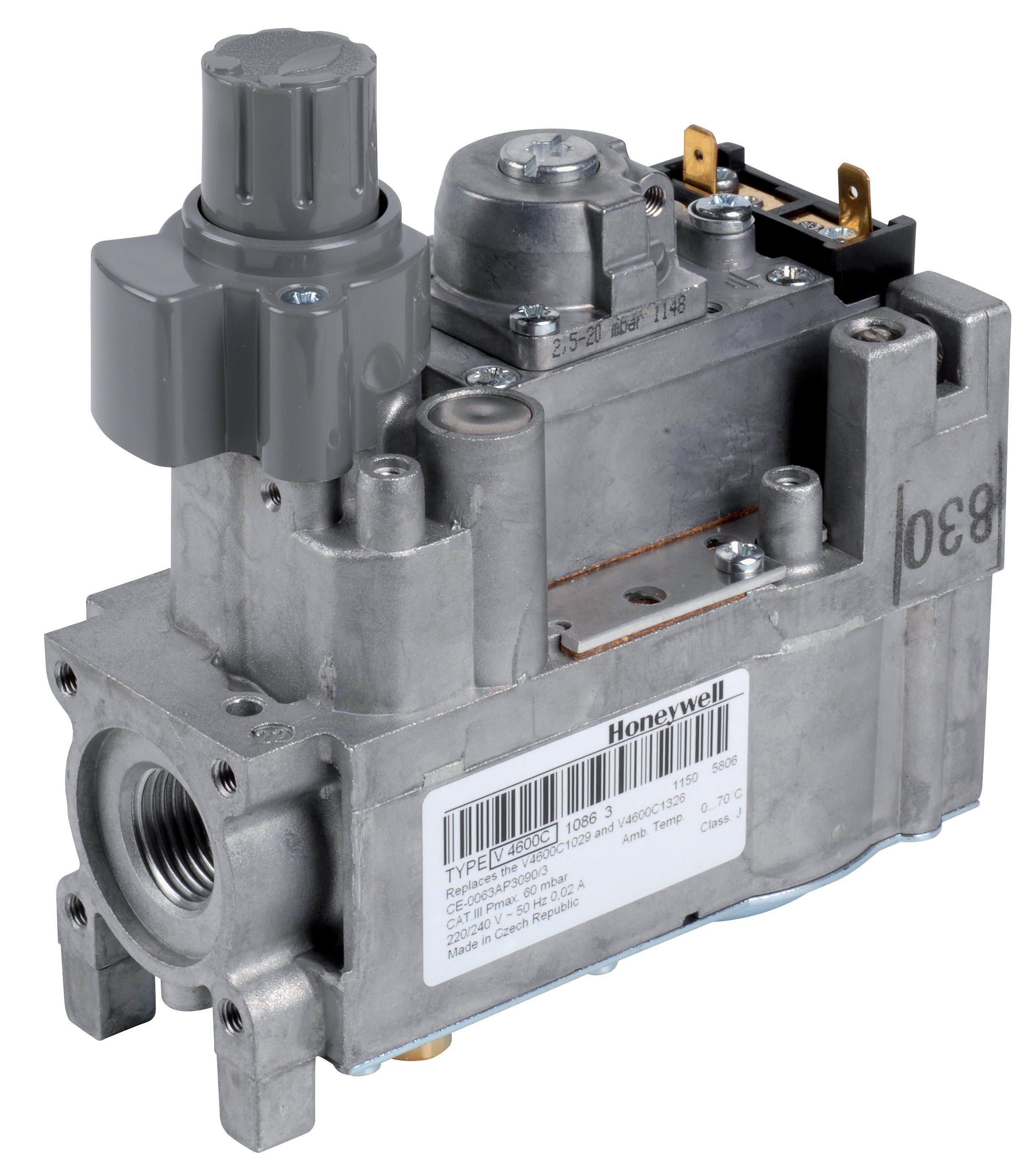
For systems using the Honeywell Gas block VK 4105 C 1041 U, verify pilot pressure feedback connections are clean and unobstructed. The M5 pressure feedback threading often accumulates dirt or scale during commissioning; flush these lines with dry compressed air before connection.
Operational Testing and Performance Validation Under Load
Once pre-startup verification is complete, systematic operational testing validates that your Controls & Safety system responds correctly to all operating conditions and fault scenarios.
Burner Ignition Sequence Testing
Initiate the burner startup sequence while monitoring fuel pressure, pilot pressure, and control voltage. Record the time from ignition command to flame detection—typical ignition lag is 2-4 seconds. Delayed ignition (>6 seconds) suggests pilot fuel starvation, weak pilot flame, or flame detector sensitivity drift. Retry the ignition sequence five times and document the range of ignition delays; consistency indicates stable system function.
Verify the pilot flame appearance using a combustion view port (if available) or a dedicated flame monitoring camera. The pilot flame must be clearly visible to the flame detector—if the flame is too small, too yellow, or positions away from the detector, the system may fail to establish reliable flame detection during full-load operation.
For systems using the Pactrol Housing P 16 DI CE 400601/V23, observe the ignition spark intensity and duration. The 12 kV output voltage and 10MJ output energy must produce crisp blue sparks at the ignition electrode gap. Weak sparks indicate deteriorating ignition transformer coils or broken spark plug electrodes—conditions that prevent reliable ignition under high-pressure fuel injection.
Pressure Switch Functional Testing
The Kromschroder Pressure switch DG 50U/6 protects against pilot pressure loss and burner overfiring. During commissioning, gradually increase pilot pressure from zero while monitoring the pressure switch electrical contacts. The switch must activate (close contacts) at the manufacturer's specified setpoint—typically 0.4-0.6 bar for pilot circuits.
Continue increasing pressure 20% above the setpoint and verify the switch remains activated. Then slowly reduce pressure and document the pressure where the switch deactivates (hysteresis range). For SIL 3-rated switches, hysteresis typically ranges 5-15% of setpoint. If hysteresis is excessive (>20%), the switch may fail to reset after transient pressure dips, requiring manual reset intervention.
Repeat this test five times and document all readings. High variability between test cycles indicates a failing switch that requires replacement before the system enters service.
Flame Detection Sensitivity Validation
Flame detector performance is the critical link between combustion quality and burner safety. Test both UV and ionization detection circuits (for the Siemens Relay LFL 1.622) by monitoring their response to the pilot flame and full main flame.
With the burner firing at full load, block the pilot flame view to the detector using a non-combustible barrier. The flame detection circuit must signal "flame loss" within 3-5 seconds and initiate safe burner shutdown. If flame loss detection is delayed >10 seconds, the detector may have accumulated dirt on the optical window or the ionization electrode may show reduced sensitivity—conditions requiring cleaning or replacement.
Test flame loss detection multiple times under different atmospheric conditions (humidity, ambient temperature, barometric pressure variations). Singapore's tropical climate—high humidity (70-90%) and ambient temperatures 25-35°C—can stress UV detectors. UV sensors show reduced sensitivity in humid conditions; if your facility operates in high-humidity areas, consider ionization detection as a complementary or primary flame detection method.
Documentation, Calibration Records, and Ongoing Compliance
Successful commissioning generates a complete technical record that supports ongoing maintenance, regulatory inspections, and future troubleshooting.
Commissioning Test Reports and Acceptance Criteria
Document all test results—ignition delay times, pressure switch setpoints, flame detection response times, and electrical continuity measurements—in a commissioning report. Include photographs of the installed system, component serial numbers, and certification documentation. This record becomes your baseline for future condition monitoring.
Establish clear acceptance criteria before commissioning begins. For example:
- Ignition delay: 2-4 seconds (maximum 5 seconds)
- Pressure switch response: Within ±5% of design setpoint
- Flame detection response: <5 seconds to flame loss
- Electrical continuity: <1Ω on all safety circuits
- Pilot pressure stability: ±10% variation over 30-minute observation period
Systems failing to meet acceptance criteria require component replacement or design modification before operational authorization.
Calibration and Certification Maintenance
Pressure switches, flame detectors, and ignition transformers require periodic recalibration per manufacturer specifications—typically annually for critical safety functions. In Singapore, many facilities on 5-10 year equipment depreciation cycles fail to budget for recalibration, resulting in out-of-spec components continuing in service.
Maintain calibration certificates for all pressure switches and flame detectors. The Kromschroder Pressure switch DG 50U/6 with SIL 3 certification must be recertified by authorized calibration facilities if removed for maintenance or repair. Using recalibrated components that have lost their original certification creates regulatory liability and operational risk.
Regulatory Compliance and Inspection Preparation
Singapore's fire safety framework requires Controls & Safety system documentation to support fire safety audits and insurance inspections. Maintain commissioning records, pressure setpoint documentation, and flame detection test results in your facility's safety management system.
When Singapore's fire inspectors or insurance engineers review your burner controls, they expect to see evidence of proper commissioning, recent pressure switch calibration, and documented flame detection testing. Facilities unable to produce these records may receive violation notices requiring immediate corrective action or temporary shutdown authorization.
Regularly review your commissioning documentation against current design specifications. If equipment has been modified (different burner size, pilot flame configuration, or fuel type change), revalidate that existing Controls & Safety setpoints remain appropriate for the modified equipment.
Section Summary: Building Operational Excellence Through Systematic Commissioning
The commissioning and testing phase represents the foundation of long-term burner reliability and safety. Industrial professionals who invest time in systematic pre-startup verification, functional testing under load, and comprehensive documentation establish systems that operate predictably for years while maintaining regulatory compliance.
At 3G Electric, our 35+ years experience in industrial equipment distribution has shown that facilities performing thorough commissioning consistently experience fewer unplanned shutdowns, better safety performance, and longer equipment service life. The modest investment in proper testing during commissioning pays dividends throughout the system lifecycle.
Whether you're commissioning new burner installations or validating Controls & Safety systems following maintenance, the protocols outlined here provide the technical framework for success in Singapore's demanding industrial environment.