Understanding Burners & Combustion System Architecture for Maintenance Teams
Burners & combustion systems are the heartbeat of industrial operations, requiring systematic care to maintain peak performance. As a maintenance team, understanding the complete architecture of your burner system—from fuel delivery through flame detection and control—is essential for effective preventive maintenance.
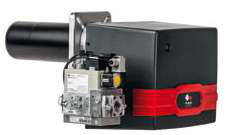
A typical burners & combustion system consists of several critical components working in harmony: the fuel supply circuit with solenoid valves for controlling gas flow, the ignition system for reliable startup, flame detection sensors for safety verification, control relays that orchestrate the sequence, and combustion air management. Each component depends on the others functioning correctly. When one element fails, the entire system risks shutdown or, worse, unsafe operation.
With over 35 years of experience serving global industrial operations, 3G Electric has observed that maintenance teams following systematic inspection protocols reduce unplanned downtime by up to 60%. The key is understanding which components require regular attention and when to replace them based on condition monitoring rather than arbitrary schedules.
Monthly and Quarterly Inspection Protocols for Burners & Combustion Systems
The foundation of effective maintenance lies in regular inspections. Establish a routine inspection schedule that your team can follow consistently across all burner installations.
Monthly Visual Inspections:
During monthly walk-throughs, focus on external indicators of system health. Check for fuel leaks around connection points—even small weeps signal seal degradation that will worsen. Inspect solenoid valve bodies like the CBM VCS 1E25R/25R05NNWL3/PPPP/PPPP double solenoid valve for corrosion, debris accumulation, or visible damage. Look for oil or moisture around the control relay base (such as the CBM Base LGK AGM17) which indicates potential electrical hazards or seal failure.
Document combustion chamber condition during visual inspection. Note any carbon buildup, which indicates incomplete combustion and reduced efficiency. Listen for unusual sounds during operation—grinding, whistling, or clicking noises suggest mechanical wear or control issues.
Verify that all access panels and safety covers remain secure and properly fastened. Loose panels create safety hazards and allow contaminants into critical areas.
Quarterly Functional Testing:
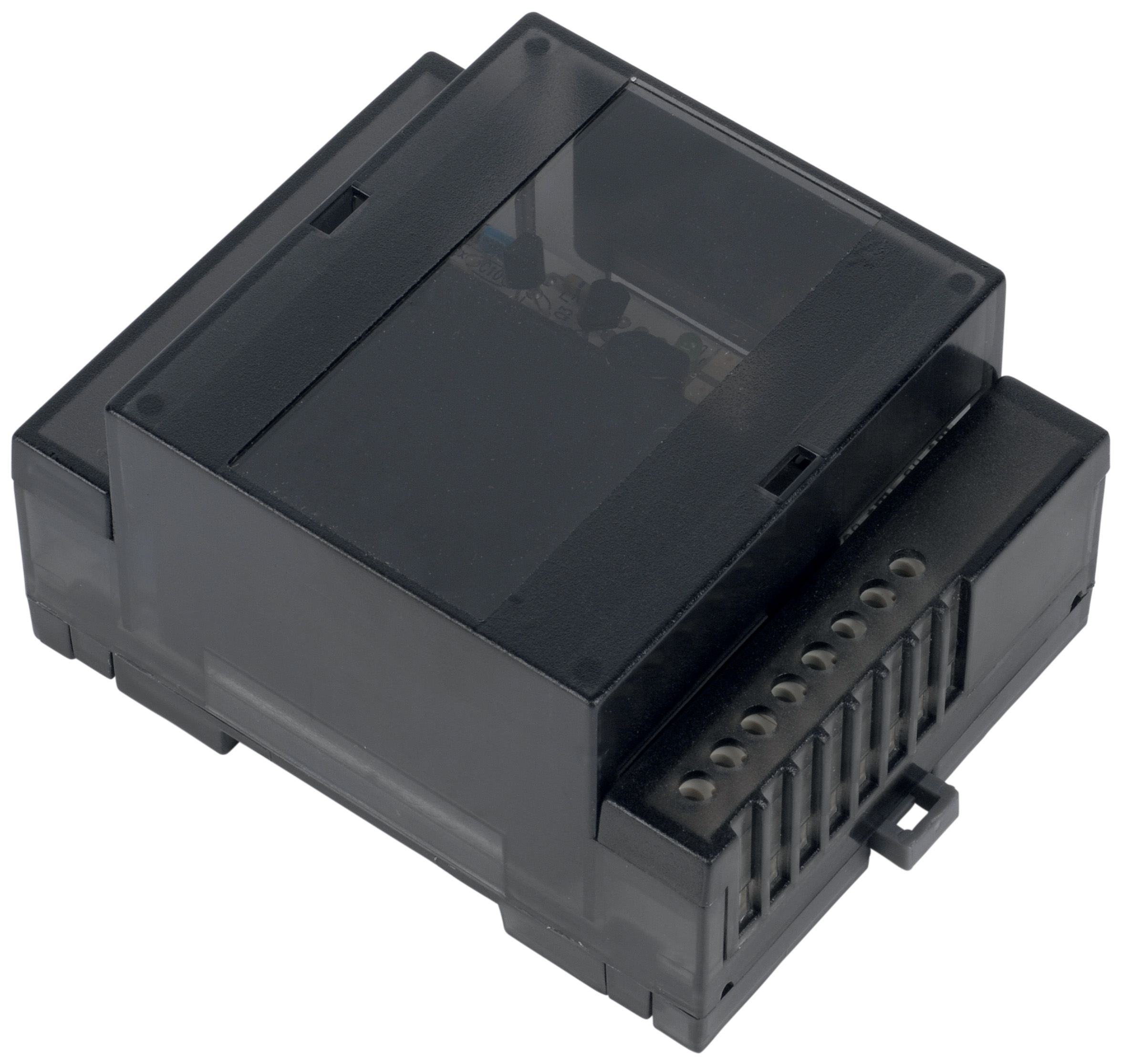
Every three months, conduct hands-on testing of critical control components. Test the flame relay (such as the CBM Flame relay CF1) by simulating flame loss conditions and verifying that the system safely shuts down within specified response times. This is your most critical safety verification.
Test solenoid valve operation by listening for the characteristic click during energization and de-energization. A sluggish or absent click indicates internal corrosion or plunger stiction. If the valve hesitates, schedule replacement rather than risk mid-cycle failure.
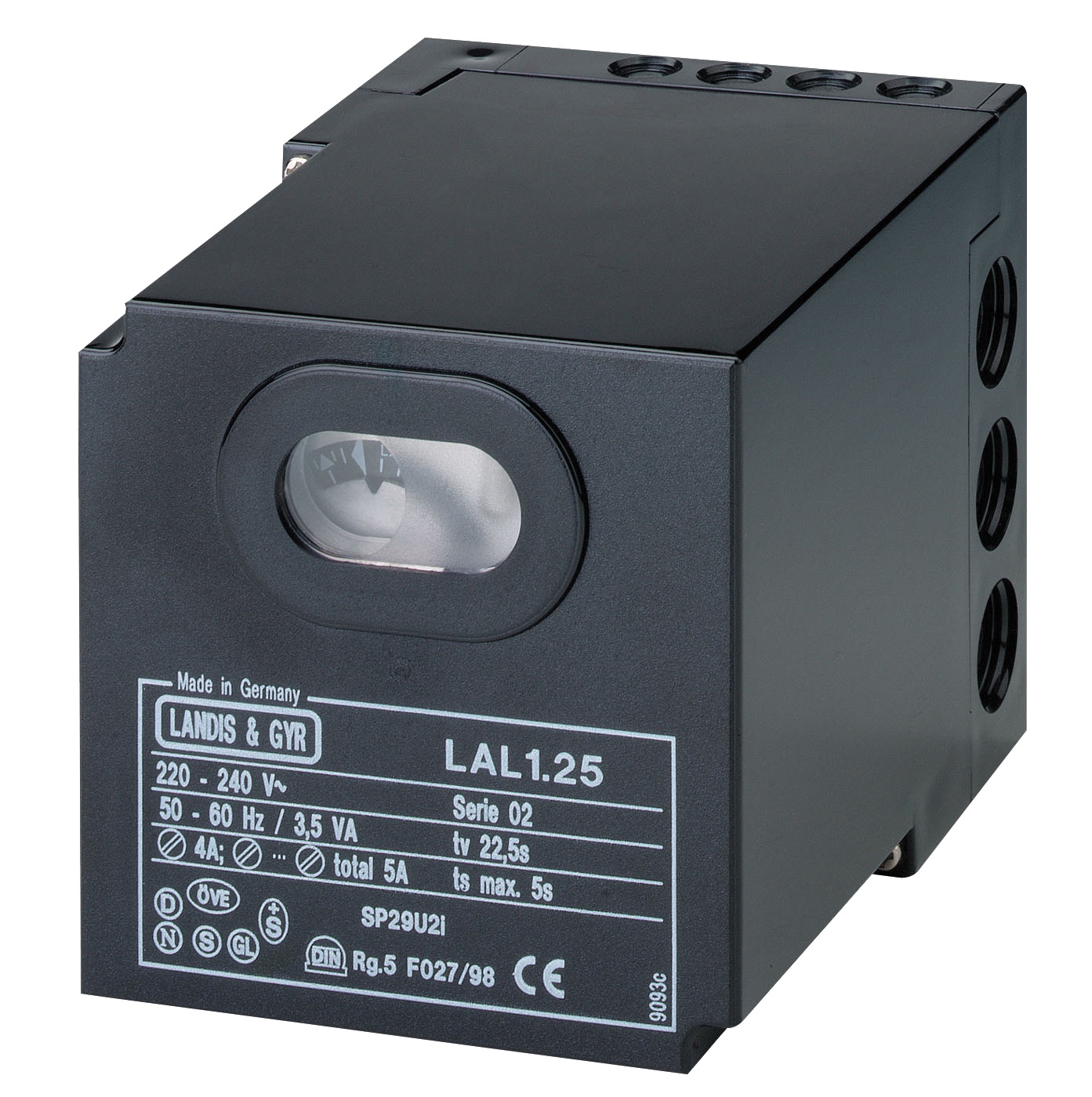
Inspect all relay contacts on control relays like the CBM Relay CM391.2 30.5 1.2 and CBM Relay LAL 2.14 for pitting or discoloration. Light oxidation can be cleaned carefully with a clean contact card, but heavy pitting requires relay replacement.
Measure fuel pressure at multiple points in the system (inlet, after regulator, at burner head) and compare against documentation. Pressure losses indicate filter clogging or internal valve restriction. Test electrical voltage at solenoid coils during operation—deviation from rated voltage signals wiring problems or transformer issues.
Diagnosing Component Failure Before System Shutdown
Maintenance teams that catch degrading components before failure avoid emergency repairs and maintain production schedules. Learn to recognize early warning signs.
Solenoid Valve Degradation:
Double solenoid valves like the CBM VCS 1E25R/25R05NNWL3/PPPP/PPPP control fuel delivery and safety shutoff. Early warning signs include: delayed opening response (fuel delivery takes noticeably longer), inconsistent shutoff (small amounts of fuel continue flowing after de-energization), or increased coil temperature. These symptoms indicate internal corrosion, sludge accumulation, or plunger guide wear.
When you observe delayed response, reduce burner firing rate if possible and schedule valve replacement within 5-10 operational days. Internal deterioration accelerates rapidly once it begins. Keep replacement solenoid valves in inventory given their critical safety role.
Flame Detection and Relay Failures:
Flame relays like the CBM Flame relay CF1 are your system's safety gatekeepers. Warning signs include: flame signal loss during normal operation (burner shuts down unexpectedly), slow or delayed lockout response, or inability to relight after safe shutoff. These suggest detector contamination, failing relay contacts, or cabling issues.
Test flame detector response time monthly by interrupting the flame signal momentarily and measuring response in milliseconds (typically 0.5-3 seconds depending on application). Slowing response indicates detector aging or optical contamination.
Relay contact deterioration manifests as inability to energize solenoid coils, even though the relay coil receives power. Use a multimeter to verify contact continuity under load. If contacts show resistance above 0.1 ohms when energized, schedule replacement.
Control Relay Issues:
Control relays like the CBM Relay CM391.2 30.5 1.2 and CBM Relay LAL 2.14 can fail through contact wear, coil insulation breakdown, or mechanical wear in the switching mechanism. Symptoms include: reduced clicking force during switching, intermittent control function, or burner cycling rapidly on and off without load demand.
Inspect the relay base CBM Base LGK AGM17 for cracks or moisture infiltration. Moisture accelerates internal corrosion and electrical tracking. If your facility operates in high-humidity environments, consider upgrading to sealed relay bases and installing desiccant packs in control cabinets.
Developing a Replacement and Spare Parts Strategy
Maintenance teams that maintain strategic spare inventory of critical burners & combustion components reduce emergency downtime by 80% or more. Based on 35+ years of supporting global operations, 3G Electric recommends maintaining these key spares:
Critical Spares (maintain 1-2 units per installation):
- Double solenoid valves: These fail unpredictably and control critical fuel shutoff. Stock matched pairs to your installations.
- Flame relays: Essential for safety verification. Failure prevents burner operation entirely.
- Control relay coils and contact sets: These wear with use; having spares eliminates lengthy procurement delays.
- Relay bases: Moisture damage or cracking forces base replacement; keeping spares prevents extended outages.
- Ignition electrodes and transformers
- Fuel filters and strainers
- Electrode ceramic insulators
- Gaskets and seal kits for valve connections
Establish a documented spare parts log showing quantity on hand, installation date, and replacement schedule. Train team members on proper storage—keep components in climate-controlled areas away from moisture and temperature extremes. Store solenoid valves with protective caps to prevent dust contamination.
Develop relationships with distributors like 3G Electric who maintain stock of genuine OEM components. This eliminates the risk of receiving counterfeit or incompatible parts during urgent replacements. Request technical support documentation when ordering replacements; understanding component specifications helps your team select correct matches for your specific installations.
Creating Predictive Maintenance Records and Handoff Procedures
Maintenance effectiveness multiplies when your team systematically documents findings and shares knowledge. Implement a simple but comprehensive record-keeping system for all burners & combustion inspections.
For each piece of equipment, maintain a log including: inspection dates, components tested, measurements recorded (pressures, voltages, response times), observations about condition, any adjustments made, and parts replaced. Include photographs of the equipment installation, wiring diagrams, and component specification sheets.
When team members transition or shift schedules change, create detailed handoff documentation. Highlight any components showing early degradation signs, pending replacements, and any modifications made to the standard configuration. This prevents knowledge loss and ensures continuity of care.
Share best practices across your maintenance team through brief monthly meetings focusing on specific burners & combustion issues encountered. Discuss what warning signs your team noticed before failures, what replacement procedures worked smoothly, and what improvements could prevent similar issues.
Track your results. Measure time between failures, total maintenance hours invested, and cost of emergency repairs versus planned maintenance. Most facilities find that disciplined preventive maintenance cuts total maintenance costs by 30-40% while improving safety and reliability.
Final Thoughts on Burners & Combustion Maintenance Excellence
Burners & combustion systems demand respect—they're high-energy equipment that operates under pressure and temperature extremes. Your role as a maintenance team is crucial in ensuring safe, reliable, efficient operation. By implementing systematic inspections, learning to recognize early failure signs, maintaining strategic spare inventory, and documenting everything meticulously, you transform reactive maintenance into proactive management.
The components you maintain—from solenoid valves to flame relays to control relays—are engineered for dependable service when properly cared for. Your attention to detail, consistency, and willingness to address small issues before they become large ones is what keeps these critical systems running reliably for your organization.