Introduction: Why Preventive Maintenance Matters for Burners & Combustion Systems
Plant managers across Singapore's industrial sector face constant pressure to maximize uptime while controlling maintenance budgets. Burners & Combustion equipment represents a critical asset—when it fails, production stops. Yet many facilities still operate reactive maintenance programs, addressing problems only after breakdowns occur.
With over 35 years of experience distributing industrial equipment, 3G Electric has helped countless plant managers transition from costly emergency repairs to predictable, planned maintenance schedules. The difference is substantial: preventive maintenance typically costs 25-30% less than emergency repairs while reducing unexpected downtime by up to 60%.
This article provides practical, actionable strategies plant managers can implement immediately to improve burner reliability, reduce operational costs, and maintain compliance with Singapore's industrial safety standards.
Section 1: Understanding Your Burners & Combustion System Components
Effective preventive maintenance starts with understanding what you're maintaining. Most industrial burner systems in Singapore include several critical components that require different maintenance approaches:
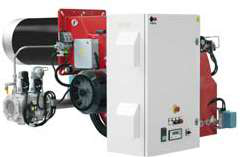
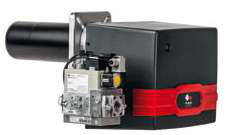
Burner Units: The core combustion equipment that delivers thermal power. Models like the FBR GAS XP 60/2 CE TC EVO (116–630 kW range) and FBR KN 1300/M TL EL (1700-11500 Mcal/h) represent typical industrial installations requiring regular inspection of nozzles, fuel lines, and combustion chambers.
Control Relays: Safety-critical components that manage ignition sequences and flame monitoring. The Kromschroder Relay BCU 570WC1F1U0K1-E and Siemens Relay LFL 1.622 are examples of relay units that require periodic testing to verify response times and fault detection capabilities.
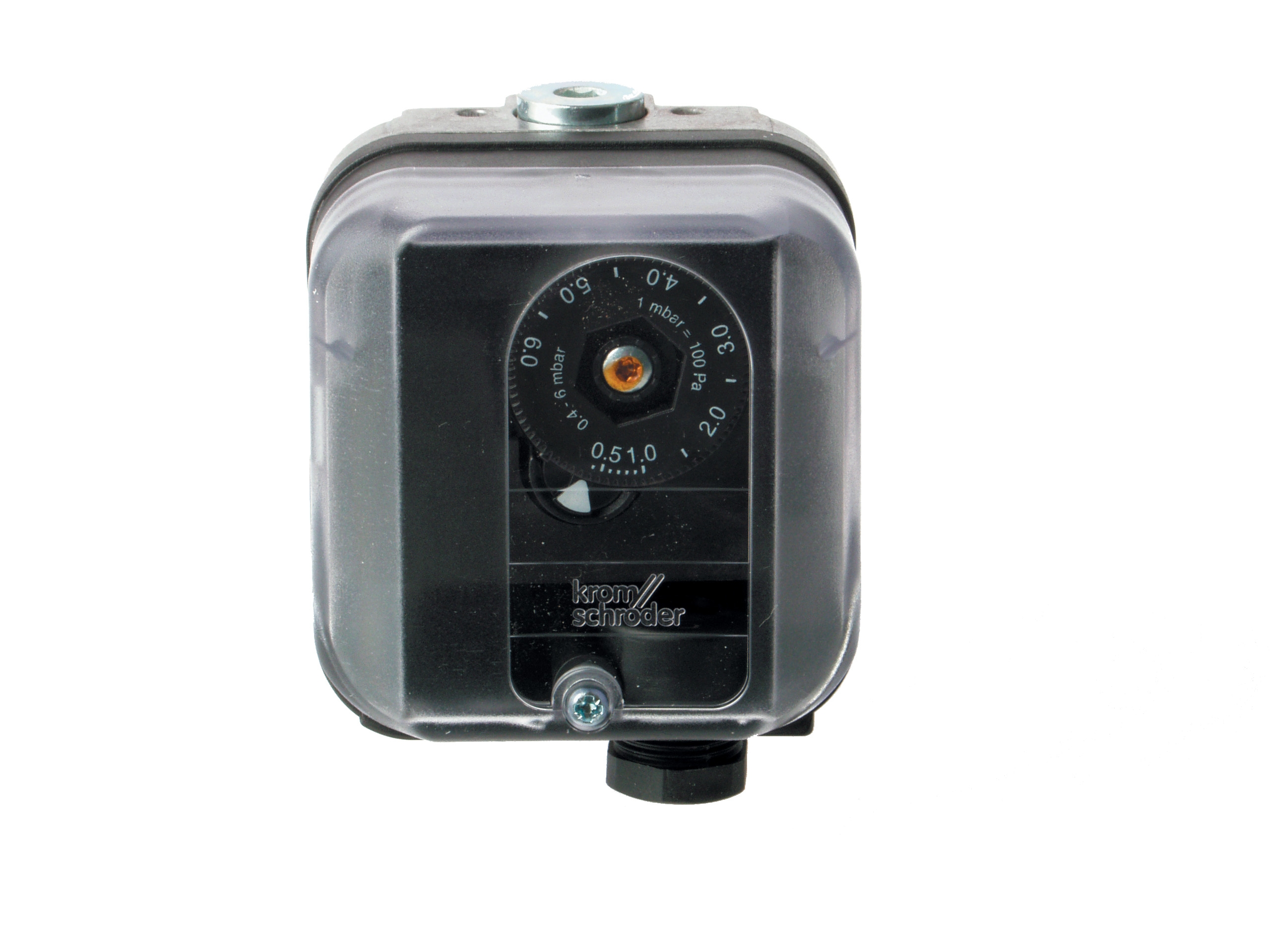
Pressure Switches: Components like the Kromschroder Pressure switch DG 50U/6 (SIL 3 rated) that monitor fuel and air pressures. These must be calibrated regularly to ensure accurate readings and safe operation.
Key Maintenance Insight: Most plant managers underestimate how quickly combustion deposits accumulate. In Singapore's industrial environment, fuel contamination and moisture ingress are common issues that shorten component lifespan by 30-40% if not addressed proactively.
Section 2: Implementing a Practical Preventive Maintenance Schedule
Plant managers need maintenance schedules that balance frequency with operational reality. The following framework adapts to different facility sizes and operating patterns:
Weekly Operational Checks (15 minutes)
- Visual inspection of burner flame quality and color
- Listen for unusual combustion sounds (rumbling, pulsing)
- Check pressure gauge readings against baseline norms
- Verify no fuel leaks around connections
- Document any deviations in an equipment log
These simple checks catch 70% of developing problems before they become critical. Many plant managers delegate these to shift supervisors, making them part of daily rounds.
Monthly Component Testing (2-4 hours)
- Test burner ignition sequence to verify response time
- Check flame detection sensors (UV or ionization types on models like the Siemens LFL 1.622)
- Verify control relay operation through manual override tests
- Inspect fuel lines for corrosion or damage
- Check air intake filters for blockage
Monthly testing on control relays is critical—these devices must respond within strict timeframes per EN 746-2 standards. Delayed response times indicate relay degradation before catastrophic failure occurs.
Quarterly Deep Maintenance (8-12 hours)
- Clean combustion chamber and nozzle assemblies
- Replace fuel filters and strainer elements
- Calibrate pressure switches (critical for SIL 3 compliance)
- Inspect electrode condition and spacing
- Test all safety interlocks and shutdown mechanisms
- Document findings with before/after measurements
- Full system diagnostic with specialized equipment
- Relay response time testing and calibration
- Flame detection sensitivity verification
- Thermal efficiency measurement
- Safety system simulation testing
Section 3: Common Failure Modes and Prevention Strategies
Plant experience reveals predictable failure patterns. Understanding these allows you to prevent them:
Nozzle Clogging and Carbon Buildup
- Failure Impact: Incomplete combustion, flame instability, thermal inefficiency
- Prevention: Monthly cleaning for gas burners, weekly for oil burners; use quality fuel with appropriate viscosity
- Warning Signs: Flame color changes from blue (gas) to orange/yellow; reduced thermal output
- Maintenance Action: Clean nozzles with appropriate solvents; replace if spray pattern distorted
- Failure Impact: Delayed ignition, failed flame detection, safety lockouts
- Prevention: Monthly operational testing; operate within rated parameter ranges
- Warning Signs: Longer ignition sequences, intermittent flame detection failures, unprompted shutdowns
- Maintenance Action: Units like the Kromschroder BCU 570WC1F1U0K1-E should respond within 0.5-1 second; exceeding this indicates internal relay wear
- Failure Impact: Burner shutdown during operation; false safety alarms; over-pressurization
- Prevention: Quarterly calibration against known standards; document baseline readings
- Warning Signs: Pressure readings inconsistent with fuel pump output; unexpected shutdowns despite normal conditions
- Maintenance Action: The DG 50U/6 requires specialist calibration equipment; partner with service technicians familiar with SIL 3 requirements
- Failure Impact: Failed ignition, undetected flame loss, safety system activation
- Prevention: Inspect electrode gap monthly (typically 3-4mm); replace annually or when readings drop 30%
- Warning Signs: Multiple ignition attempts before flame establishes; intermittent flame loss
- Maintenance Action: Clean electrodes with fine cloth; if gap exceeds specifications, replacement required
- Failure Impact: Corrosion of internal components, valve stiction, pressure switch freeze-up
- Prevention: Install fuel conditioning equipment; maintain proper storage; drain fuel systems monthly
- Warning Signs: Sluggish valve response, pressure readings unstable, rust visible on fuel lines
- Maintenance Action: Drain fuel tanks completely; inspect for water; replace fuel filters; consider fuel polishing service
Section 4: Documentation and Compliance Tracking
Plant managers often overlook documentation's value, yet it's essential for both optimization and regulatory compliance. Singapore's industrial standards require maintenance records for safety-critical systems.
Minimum Documentation Requirements:
- Date and time of each maintenance action
- Component tested/serviced and current readings
- Any adjustments made and baseline measurements
- Parts replaced with part numbers and serial numbers
- Technician identification and signature
- Notable observations or concerns
- Identify recurring issues (e.g., "pressure switch recalibration needed every 8 weeks" suggests underlying problem)
- Track cost trends per component (highlighting candidates for preventive replacement)
- Schedule upcoming maintenance automatically
- Generate compliance reports for audits
- Alert managers when equipment approaches service intervals
Spare Parts Strategy: Working with 3G Electric's 35+ year experience in industrial equipment distribution, plant managers should maintain critical spares on-site: relay units, pressure switches, nozzles, and electrode sets. For the Siemens LFL 1.622 or Kromschroder BCU 570WC1F1U0K1-E, having spares means 30 minutes to restoration versus days waiting for parts when failure occurs.
Conclusion: Building Sustainable Burner & Combustion Reliability
Successful plant operations depend on reliable burners & combustion equipment. The most effective plant managers transition from reactive to planned maintenance, treating equipment like manufacturing assets rather than black boxes.
The framework provided—weekly checks, monthly testing, quarterly maintenance, and annual service—requires minimal additional labor yet delivers measurable benefits: reduced downtime, extended equipment life, lower total cost of ownership, and maintained safety compliance.
Start with your most critical burner system. Implement the weekly and monthly procedures for 90 days, document all findings, and assess the results. Most plant managers report meaningful improvements within one cycle. From there, expand the program across your facility.
3G Electric's team can support this transition by providing reliable component supply, technical guidance, and access to service partners familiar with Singapore's industrial requirements. Contact our technical team to discuss your specific burner configuration and develop a customized maintenance roadmap.