Introduction: Why Burner Pressure Control Matters
Burners & Combustion systems depend on precise pressure management to maintain safe, efficient operation. Whether you operate gas boilers, industrial furnaces, or process heating equipment, uncontrolled pressure variations can damage equipment, reduce efficiency, and create serious safety hazards.
For plant managers in Singapore's competitive industrial sector, understanding pressure control isn't just a technical requirement—it's essential for minimizing downtime, extending equipment life, and meeting regulatory compliance standards. With 35+ years of experience distributing industrial combustion equipment, 3G Electric has supported countless plant operations in managing these critical systems effectively.
This article breaks down how pressure control systems work, what can go wrong, and how to maintain optimal operating conditions across your burner fleet.
Section 1: Understanding Burner Pressure Control Architecture
The Pressure Control Chain
Every burner system operates within a defined pressure envelope. This envelope includes:
- Fuel supply pressure: The pressure at which fuel (gas or oil) enters the burner
- Air pressure/draft: The pressure differential between combustion air and furnace atmosphere
- Combustion chamber pressure: Pressure within the equipment being heated
- Relief setpoints: Maximum safe operating pressures for system components
Each of these parameters must work together. Too much pressure damages seals and nozzles. Too little pressure causes incomplete combustion, flame instability, and increased emissions.
The Role of Pressure Switches
Pressure switches are the gatekeepers of safe burner operation. They monitor system conditions and provide feedback to control relays, preventing dangerous operating scenarios before they develop.
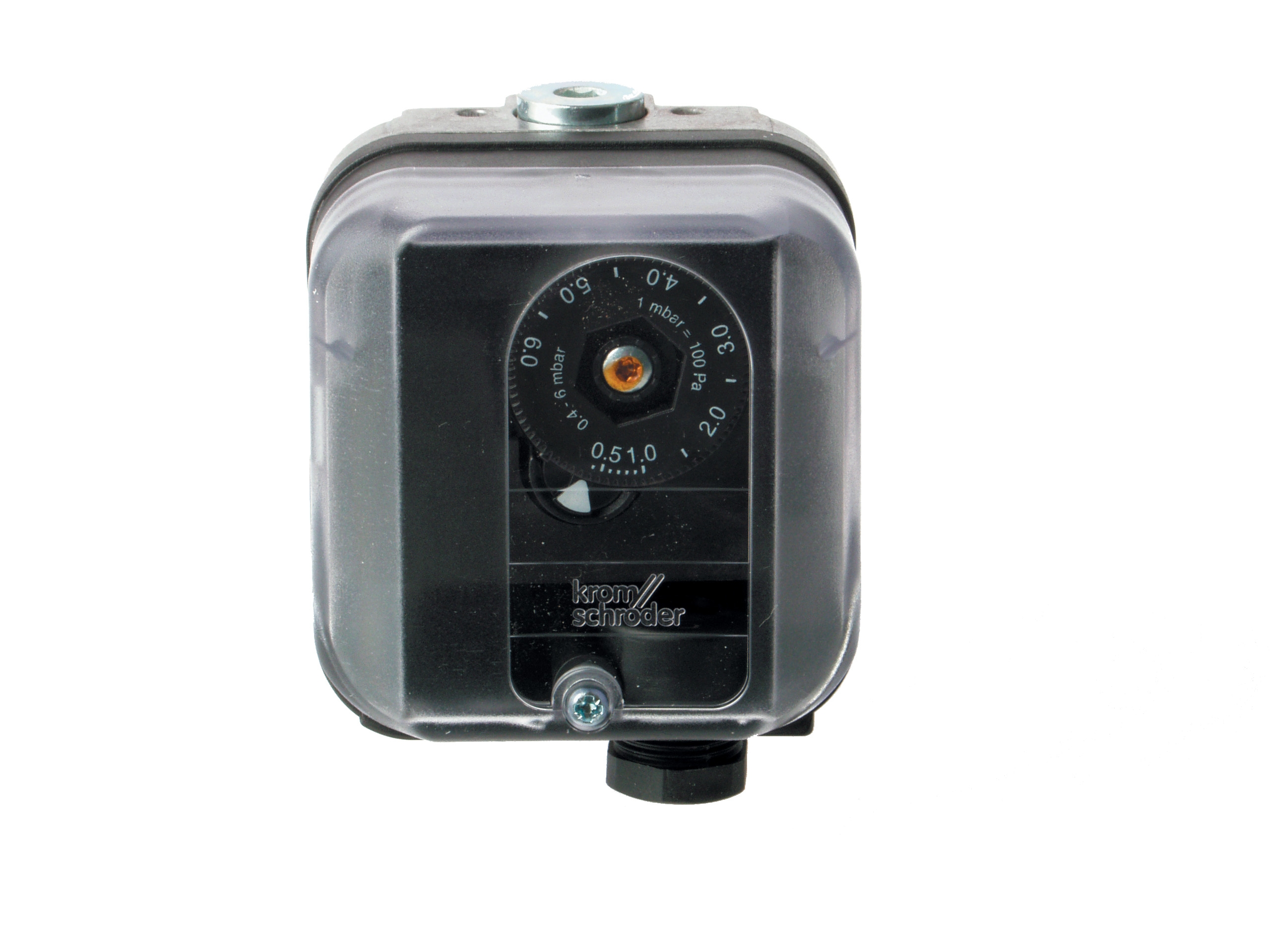
The Kromschroder DG 50U/6 pressure switch exemplifies industrial-grade pressure monitoring. Rated SIL 3 and Performance Level e, it's certified to EN 1854, FM, UL, AGA, and GOST-TR standards—meeting the rigorous safety requirements Singapore plant managers depend on. This pressure switch maintains accuracy across temperature ranges and responds reliably to pressure changes, making it suitable for controlling both gas and oil burner systems.
Pressure switches serve multiple critical functions:
- Proof of pressure: Confirming fuel supply pressure exists before ignition
- Overpressure protection: Shutting down the burner if pressure exceeds safe limits
- Low pressure alarm: Alerting operators to supply line blockages or leaks
- Air pressure monitoring: Ensuring adequate combustion air flow
Section 2: Integrating Pressure Control with Safety Relays
How Pressure Signals Drive Control Logic
Pressure switches don't work in isolation. They integrate with burner control relays that manage the entire combustion sequence. A pressure switch sends a simple electrical signal (open/closed contact), but the control relay interprets this signal within a comprehensive safety framework.
The Kromschroder BCU 570WC1F1U0K1-E relay provides an example of how modern burner controls manage pressure inputs. This relay accepts pressure switch signals and enforces safety interlocks—it won't allow burner startup if pressure conditions aren't met, and it will immediately shut down the burner if pressure exceeds setpoints during operation.
The safety logic flow typically works like this:
1. Pre-ignition pressure check: Pressure switch confirms fuel supply pressure exists
2. Ignition attempt: Control relay initiates ignition sequence
3. Flame detection: Flame detection circuit confirms successful ignition
4. Pressure stability monitoring: During operation, pressure switch continuously monitors for anomalies
5. Emergency shutdown: If pressure exceeds relief setpoint or drops below minimum, relay de-energizes fuel valve
Multi-Stage Burners and Pressure Sequencing
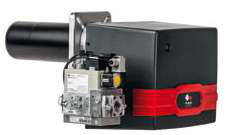
Industrial burners often operate at multiple power levels. The FBR GAS XP 60/2 CE TC EVO two-stage gas burner delivers 116–630 kW thermal power with modulating control, requiring sophisticated pressure management at each stage.
Two-stage burners present unique pressure challenges:
- Low fire pressure: Stage 1 operates at reduced pressure for standby efficiency
- High fire pressure: Stage 2 activates when demand increases, requiring higher pressure
- Transition management: Pressure must ramp smoothly between stages without flame disruption
Plant managers should ensure pressure setpoints reflect the burner's design specifications. Operating a two-stage burner at low-fire pressure settings when high-fire demand occurs reduces combustion efficiency and can cause flame instability.
Heavy Oil Burner Pressure Considerations
Oil burners introduce additional pressure complexities. Heavy fuel oils require higher pressures than natural gas to atomize properly—the fuel must break into fine droplets for complete combustion.
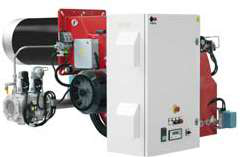
The FBR KN 1300/M TL EL dual-fuel heavy oil burner operates at 1700 to 11500 Mcal/h across two modulating stages. This wide operating range demands precise pressure control because:
- Low pressures (1700 Mcal/h): Risk incomplete atomization, producing large droplets that burn inefficiently
- High pressures (11500 Mcal/h): Improve atomization but stress fuel lines, filters, and atomizer tips
- Viscosity sensitivity: Cold oil requires higher pressure; warm oil requires less
Plant managers operating dual-fuel burners must monitor oil temperature and adjust pressure setpoints seasonally or based on fuel characteristics.
Section 3: Practical Pressure Management for Singapore Industrial Operations
Establishing Correct Setpoints
The most common pressure control mistake is setting relief valves incorrectly. Setpoints should match the burner manufacturer's specifications, typically found in technical datasheets.
For gas burners, typical setpoints range from 80–150 mbar depending on burner size and type. For oil burners, pressures often reach 200–350 bar at the atomizer, requiring intermediate regulation between fuel supply and burner inlet.
Before commissioning any burner system:
1. Obtain original manufacturer specifications for fuel pressure, air pressure, and combustion chamber draft
2. Verify pressure gauge accuracy: Use a calibrated test gauge to confirm existing gauges read correctly
3. Set relief valves to match specifications: Pressure relief should activate exactly at the rated pressure
4. Document all settings: Create a reference card showing correct setpoints for each burner
5. Train operators: Ensure your team understands normal pressure ranges and recognizes warning signs
Monitoring Systems and Data Logging
Modern burner control units like the Siemens LFL 1.622 safety control unit incorporate diagnostic capabilities beyond simple on/off switching. These units monitor burner performance across multiple parameters including pressure stability, flame quality, and combustion efficiency.
Plant managers should leverage these capabilities:
- Review burner run logs: Modern controls record pressure data over time, revealing trends before failures occur
- Set alarm thresholds: Configure low-pressure and high-pressure alarms below critical limits
- Monitor pressure variance: Unusual pressure fluctuations suggest developing problems in fuel supply lines, filters, or valves
- Track seasonal changes: Compare pressure behavior in summer and winter; significant differences indicate temperature sensitivity
Common Pressure Control Problems and Solutions
Problem: Low pressure alarms during burner startup
Cause: Insufficient fuel supply pressure during ignition sequence
Solution: Check fuel supply from main tank; verify fuel lines aren't clogged; confirm pressure regulator inlet pressure is adequate
Problem: Burner hunts (cycles between high and low fire)
Cause: Pressure setpoints too close together or pressure regulator malfunctioning
Solution: Increase gap between low-fire and high-fire pressure setpoints; inspect regulator diaphragm for leaks; verify modulation valve moves smoothly
Problem: Pressure relief valve opens during normal operation
Cause: Setpoint too low or modulation control overshooting high-fire demand
Solution: Verify relief valve setpoint matches burner specifications; check modulation valve proportioning; inspect for blockages downstream of burner
Problem: Fluctuating pressure readings on gauge
Cause: Damaged pressure gauge, air in fuel lines, or unstable fuel supply
Solution: Replace gauge with calibrated unit; bleed air from fuel lines; inspect fuel pump condition
Section 4: Compliance and Best Practices for Singapore Industry
Regulatory Framework
Singapore's Chemical Safety and Health Division (under MOM) enforces strict standards for industrial equipment. Burner systems must comply with:
- BS EN 746-2: Industrial burner safety requirements
- Singapore Standard 638: Gas safety installations
- PED (Pressure Equipment Directive): For equipment operating above certain pressure thresholds
- Factory Act regulations: Requiring certified inspections of boilers and pressure equipment
Your pressure control system is central to regulatory compliance. Pressure switches and relief valves must carry relevant certifications—the DG 50U/6 pressure switch's multi-standard certifications (EN 1854, FM, UL, AGA, GOST-TR) ensure compatibility with Singapore regulatory expectations.
Maintenance and Testing Schedule
Pressure control systems require regular verification:
- Monthly: Visual inspection of pressure gauges and switches for damage; spot checks of setpoint accuracy
- Quarterly: Functional test of pressure switch contacts using a calibrated test gauge
- Annually: Full burner pressure profile testing across all operating stages; inspection and cleaning of pressure switch orifices
- Every 5 years: Certified testing and calibration of all pressure switches by qualified service providers
Documentation and Record-Keeping
Maintain detailed records showing:
- Original burner specifications and pressure setpoints
- Dates and results of all pressure testing
- Gauge calibration certificates
- Relief valve service history
- Pressure trend data from control unit logs
These records protect your plant during regulatory inspections and provide evidence of proper maintenance if disputes arise.
Conclusion
Burners & Combustion pressure control systems are the often-overlooked foundation of efficient, safe industrial heating. By understanding your pressure control architecture, establishing correct setpoints, monitoring system performance, and maintaining proper documentation, plant managers can prevent expensive failures and regulatory violations.
3G Electric's 35+ years of experience distributing industrial combustion equipment positions us to support your pressure control optimization. Whether you need replacement pressure switches, advanced control relays, or complete burner systems, our technical team understands Singapore's industrial requirements and can help you select equipment that meets your specific operating conditions.
Start by documenting your current pressure setpoints and comparing them against manufacturer specifications. Small adjustments often yield significant efficiency and safety improvements.