Introduction: Maximizing Burners & Combustion System Efficiency
Burners & Combustion systems form the backbone of industrial heating operations, yet many maintenance teams operate reactively rather than proactively. With over 35 years of experience distributing industrial equipment globally, 3G Electric has observed that maintenance teams achieving the highest efficiency levels employ systematic monitoring and optimization protocols.
This guide focuses on practical, measurable approaches maintenance teams can implement immediately to enhance combustion performance, reduce fuel consumption, and extend component lifespan. Rather than covering design principles covered extensively in industry literature, we emphasize real-world optimization tactics that directly impact operational costs and system reliability.
Section 1: Real-Time Combustion Monitoring and Performance Metrics
Establishing Baseline Performance Parameters
Effective burner optimization begins with understanding your system's current performance baseline. Maintenance teams should establish measurable combustion metrics before implementing any changes:
- Flue Gas Temperature: Measure stack temperature at multiple points. Excessively high temperatures indicate poor heat transfer; temperatures too low may suggest incomplete combustion. Target range typically spans 150-250°C depending on fuel type and application.
- Oxygen Content (O₂): Excess oxygen levels above 3-4% waste fuel and reduce efficiency. Insufficient oxygen (below 1%) creates incomplete combustion and dangerous carbon monoxide production.
- Carbon Monoxide (CO) Levels: Safe operations require CO levels below 100 ppm. Rising CO indicates combustion air insufficiency or fuel delivery problems requiring immediate attention.
- Combustion Efficiency Percentage: Calculate as: (Gross calorific value × 100) / (Fuel consumed). Establish targets of 85-90% for well-maintained systems; degradation below 80% signals systematic issues.
Implementing Continuous Monitoring Systems
Move beyond periodic testing to continuous monitoring. Install digital combustion analyzers capable of tracking performance trends. Key monitoring advantages include:
- Early Detection: Identify efficiency drift before component failure occurs
- Documentation: Create audit trails proving compliance with environmental regulations
- Trend Analysis: Distinguish between normal seasonal variations and performance degradation
- Cost Justification: Quantify efficiency improvements for capital budget proposals
Maintenance teams using continuous monitoring report 5-8% average efficiency improvements within the first operational year through identification of subtle drift patterns humans cannot detect through quarterly spot checks.
Section 2: Critical Component Evaluation and Valve Management
Gas Solenoid Valve Selection for Optimal Response
Gas solenoid valves directly impact combustion initiation speed and system responsiveness. Understanding valve characteristics helps teams select appropriate replacements during maintenance cycles:
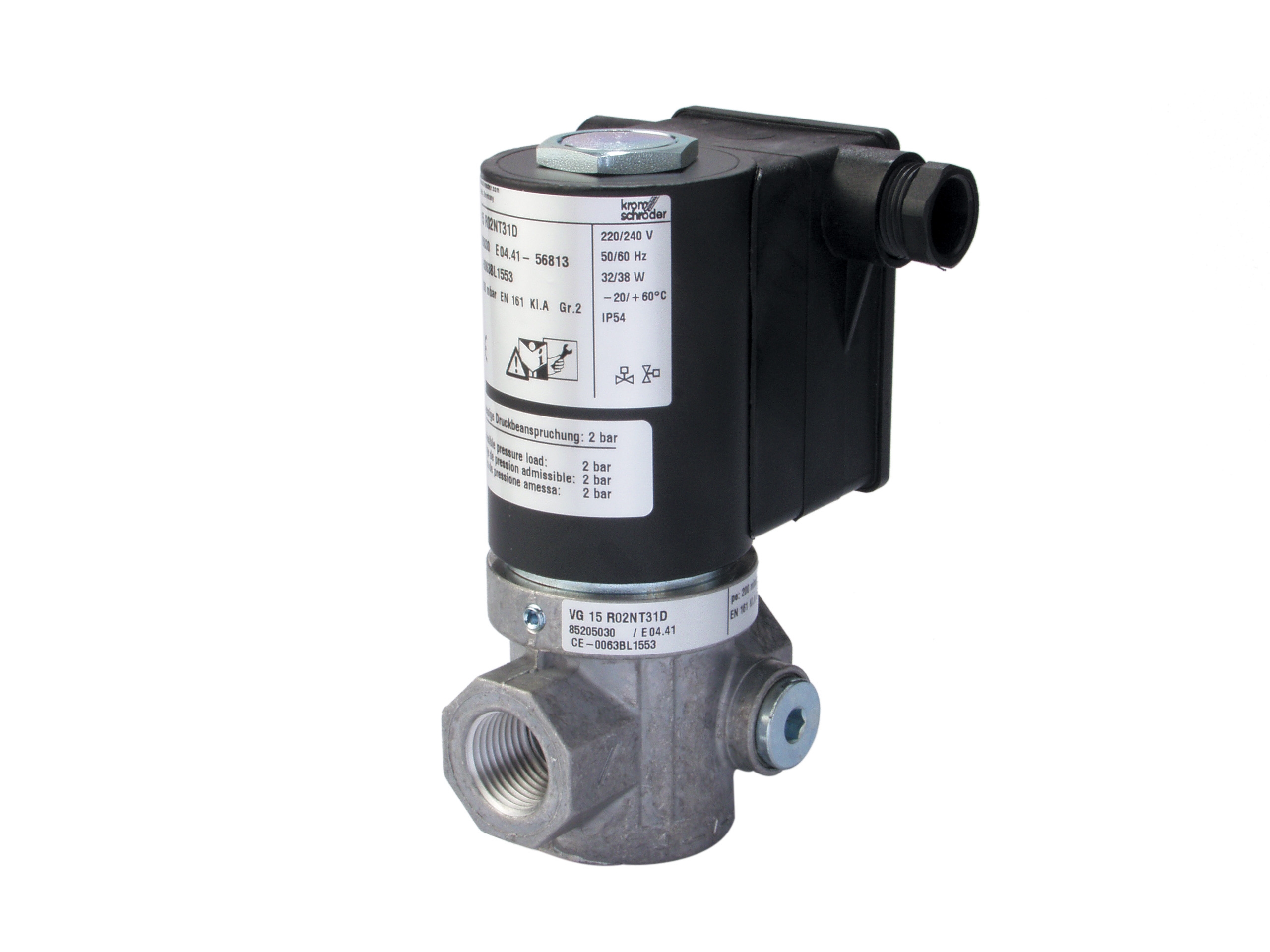
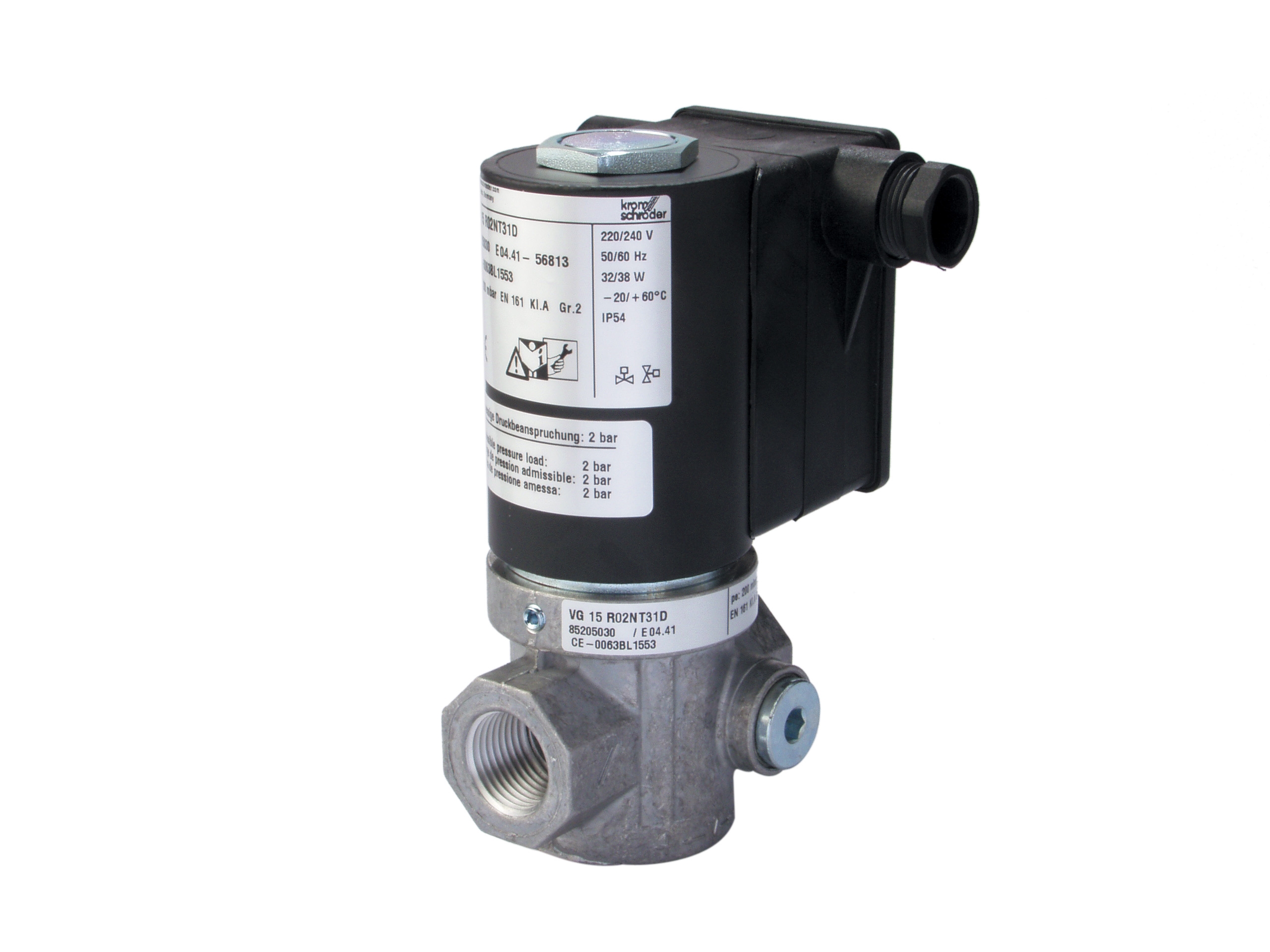
Fast-Acting Valves provide rapid fuel shutoff, critical for burners requiring quick response to load changes or safety demands. CBM Fast gas solenoid valve VAS 110R/NW operates with minimal response delay, suitable for modulating burner applications. Similarly, CBM Fast gas EV VAS 365R/NW addresses higher flow-rate applications where speed remains essential.
Slow-Acting Valves work effectively for burners with stable load profiles and minimal on-off cycling. CBM Slow gas solenoid VAS 125R/LW and CBM Slow gas solenoid valve VAS 340R/LW reduce electromagnetic wear and power consumption when application demands permit slower actuation.
Maintenance decision-making should consider:
- Cycling Frequency: High-frequency cycling systems benefit from fast valves despite marginally higher cost
- Load Stability: Consistent-load processes tolerate slow valves, reducing operational stresses
- System Response Requirements: Safety-critical applications demand fast solenoid responses
- Coil Temperature Management: Slow valves generate less heat, extending solenoid lifespan in confined spaces
Oil Burner Component Assessment
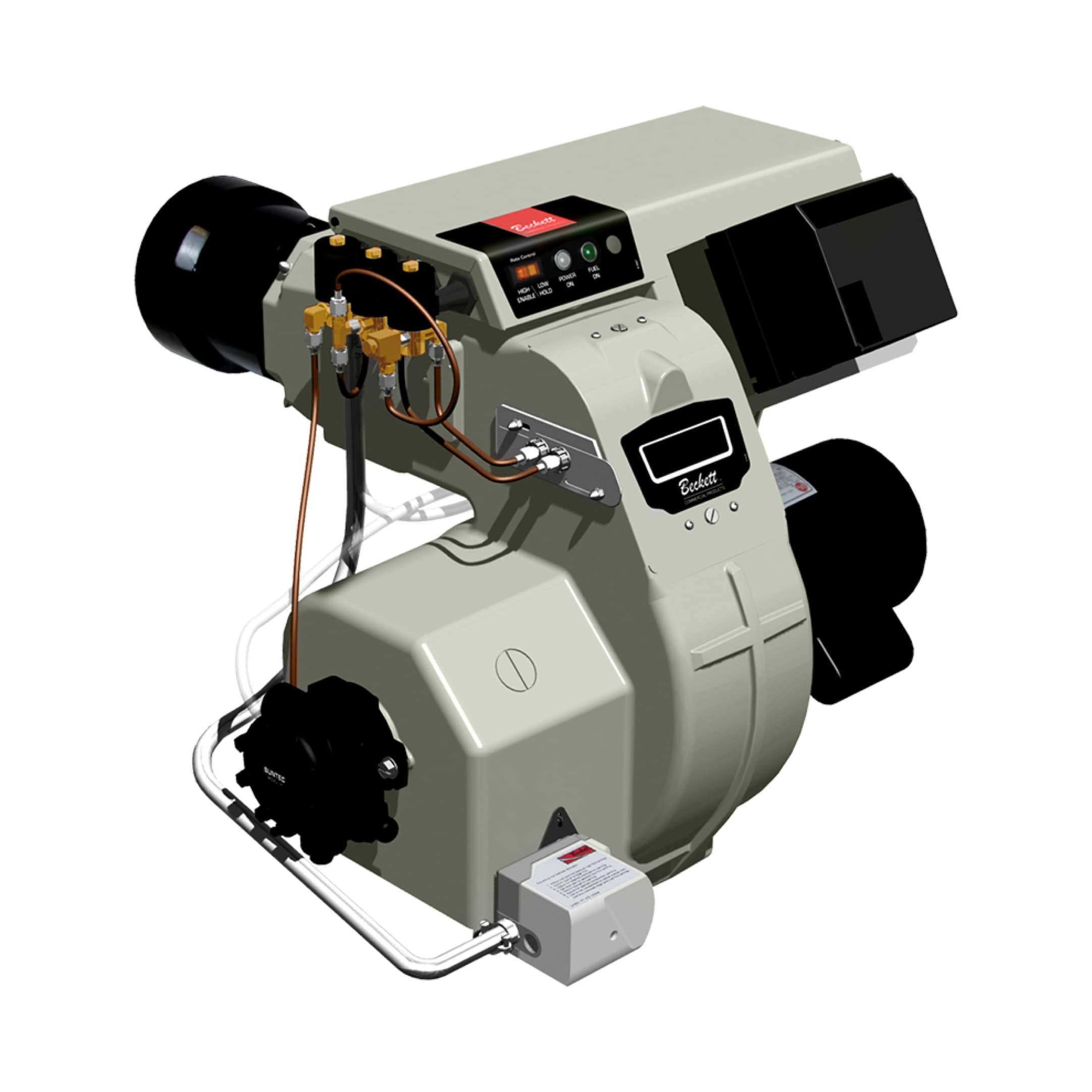
For facilities operating oil-fired burners, component condition directly determines combustion quality. The Beckett CF3500 Oil Burner rated 17.00 to 35.00 GPH demonstrates critical components maintenance teams must evaluate:
- Fuel Atomization Quality: Deteriorating nozzles produce poor spray patterns, increasing CO output and reducing efficiency by 8-12%. Inspect and clean nozzles every 250 operating hours; replace annually as preventive maintenance
- Direct Spark Ignition (DSI) Systems: Verify spark electrode gap (typically 1.5-2.0 mm) and ceramic insulator condition monthly. Weak ignition cascades into incomplete combustion
- Combustion Air Management: Ensure air intake pathways remain unobstructed. Dirty air filters reduce efficiency; replace when pressure differential exceeds manufacturer specifications
- Pump Performance: Check fuel pressure at burner inlet; inadequate pressure indicates failing pump requiring replacement
Section 3: Practical Optimization Techniques Maintenance Teams Can Implement
Combustion Air Tuning
Combustion air optimization represents the single highest-impact intervention maintenance teams control without capital equipment investment. Most burners operate with excess air providing margin for cold-start conditions or altitude variations; this safety margin typically wastes 3-6% fuel efficiency.
Implementation Steps:
1. Perform baseline oxygen measurement at current damper/air intake position
2. Gradually reduce air intake while monitoring flue gas oxygen content
3. Establish new setpoint at 2-3% oxygen (never below 1.5%)
4. Install locking mechanisms preventing drift from new adjustment
5. Re-measure after 48 operating hours, accounting for thermal expansion changes
6. Document adjustment with photographic evidence for compliance audits
Proper air tuning typically improves efficiency 2-4% without hardware replacement. Annual re-tuning maintains optimization as components age and accumulate deposits.
Fuel Quality Management
Fuel composition variations create combustion inconsistencies. Maintenance teams should:
- Test Fuel Viscosity: Viscosity variations affect atomization. Request fuel analysis reports from suppliers; specify acceptable viscosity ranges in contracts
- Monitor Moisture Content: Water contamination causes incomplete combustion and corrosion. Implement fuel storage protocols including desiccant breathers and regular tank draining
- Manage Sulfur Content: High-sulfur fuels produce corrosive compounds attacking burner components and creating acid rain. Verify fuel specifications quarterly
- Address Storage Time: Aged fuel develops deposits affecting pump operation. Implement fuel rotation systems; use fuel additives for storage periods exceeding three months
Preventive Maintenance Scheduling Based on Operating Hours
Effective maintenance teams transition from calendar-based to usage-based service intervals:
Every 250 Operating Hours:
- Inspect and clean oil nozzles
- Check combustion air intake cleanliness
- Perform combustion analysis (oxygen, CO, flue gas temperature)
- Replace air filters regardless of visible condition
- Inspect electrode gaps in DSI systems
- Verify solenoid valve response time through pressure transducer testing
- Examine burner interior for deposits; clean as needed
- Complete burner disassembly and thorough cleaning
- Replace fuel pump if operating beyond rated service life
- Inspect and replace damaged combustion air tubes
- Perform system pressure testing across all critical points
- Update efficiency documentation
Utilizing hour-meters rather than calendar intervals ensures maintenance intensity matches actual equipment stress. Facilities operating seasonally benefit significantly from usage-based scheduling.
Section 4: Troubleshooting Combustion Degradation and System Response
Diagnosing Efficiency Loss Patterns
When combustion efficiency declines below baseline, systematic diagnosis prevents unnecessary component replacement:
Symptoms: Elevated Flue Gas Temperature + Normal Oxygen Levels
Probable Cause: Heat exchanger fouling or scaling
Maintenance Action: Chemical cleaning protocol or mechanical descaling depending on deposit composition and equipment designSymptoms: Elevated Oxygen + Incomplete Combustion (Rising CO)
Probable Cause: Fuel delivery failure or atomization degradation Maintenance Action: Test fuel pressure, inspect nozzle condition, verify pump operation
Symptoms: Solenoid Valve Sluggish Response + Delayed Ignition
Probable Cause: Debris accumulation in valve orifice or electromagnetic coil weakness Maintenance Action: Disassemble valve for cleaning or replace with appropriate fast-acting replacement valve if cleaning fails to restore response
Symptoms: Unstable Flame + Hunting (Cycling on/off)
Probable Cause: Combustion control system miscalibration or burner air/fuel ratio drift Maintenance Action: Recalibrate oxygen setpoint, verify damper linkage function, test flame scanner response
Solenoid Valve Lifespan Management
Gas solenoid valves represent wear items requiring periodic replacement. Maintenance teams should track valve service history:
- Expected Lifespan: 5-7 years under normal conditions; 2-3 years in high-cycling applications
- Failure Indicators: Sluggish response, inability to fully open/close, coil overheating
- Preventive Replacement: Many teams replace solenoids after 5 years regardless of visible condition, eliminating unexpected failures during critical production periods
- Stock Management: Maintain inventory of both fast-acting and slow-acting variants appropriate to your facility's equipment mix
Conclusion: Building a Proactive Combustion Management Program
Maintenance teams at the highest operational maturity treat combustion systems as continuously optimized assets rather than static equipment. By implementing real-time monitoring, understanding component selection principles, executing systematic optimization techniques, and responding strategically to performance trends, teams achieve 3G Electric's observed efficiency improvements of 5-12% within the first year.
Success requires commitment to documented processes: establishing baselines, tracking metrics, scheduling interventions based on actual usage, and maintaining detailed service records. This approach not only improves bottom-line fuel costs but builds institutional knowledge within maintenance organizations, reducing dependency on external specialists.
Partner with 3G Electric's industrial distribution expertise spanning 35+ years to source quality components like the Beckett CF3500 Oil Burner and precision solenoid valves that support your optimization initiatives. Our technical team remains available to discuss application-specific component selections and commissioning support for your facility's unique operational requirements.