Understanding Burners & Combustion: Oil vs. Gas Systems
When your facility needs replacement combustion equipment, the choice between oil and gas burners significantly impacts maintenance workflows, operational costs, and system reliability. Both fuel types deliver effective heating through different combustion mechanisms, each requiring distinct control architectures and maintenance protocols.
With over 35 years of industrial equipment distribution experience, 3G Electric has helped thousands of maintenance teams navigate this decision. The right choice depends on your facility's fuel availability, space constraints, operational frequency, and long-term maintenance capacity.
Oil Burner Systems: Proven Reliability and Operational Characteristics
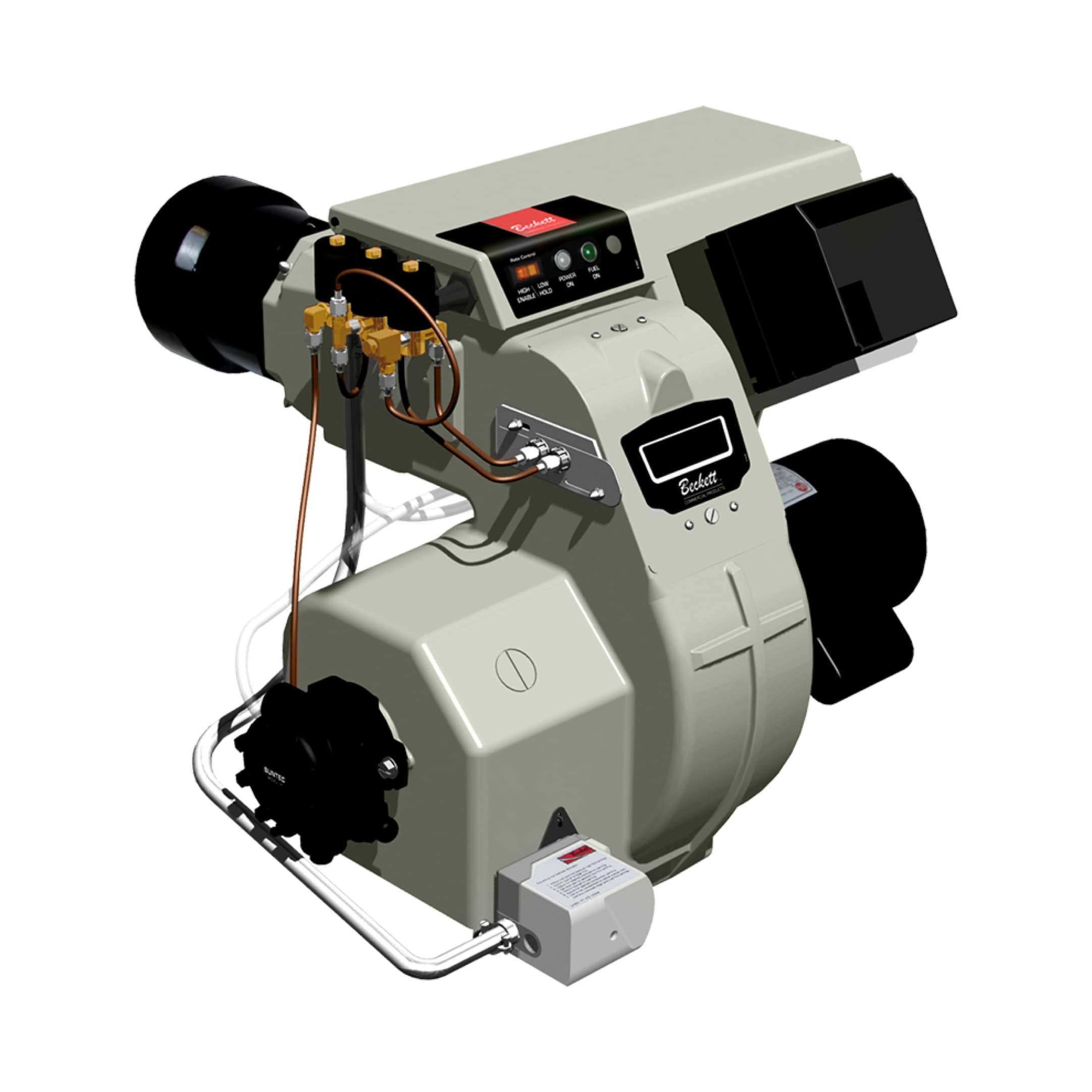
Oil burners like the Beckett CF3500 Oil Burner represent a mature, well-established combustion technology. These systems atomize fuel oil using mechanical pressure, creating a fine spray that mixes with combustion air for efficient burning.
Key advantages for maintenance teams:
- Self-contained operation: Oil burners don't require external gas line infrastructure, making them suitable for remote locations or facilities without gas service
- Stable combustion: Fuel oil's energy density provides consistent heat output with minimal flame fluctuation
- Simpler valve architecture: Oil systems typically use fewer solenoid components than comparable gas systems, reducing control complexity
- Storage flexibility: On-site fuel storage allows operational continuity during supply interruptions
- Established repair networks: Oil burner servicing remains widely available globally, supporting rapid maintenance response
Oil burners require periodic nozzle cleaning and strainer replacement to prevent fuel degradation affecting spray patterns. Combustion efficiency degrades if nozzles become partially blocked, so preventive maintenance scheduling is essential. The CF3500's 17-35 GPH range suits mid-scale industrial applications, offering flexibility for varying heating demands without frequent equipment replacement.
Oil systems also require seasonal fuel treatment in cold climates and occasional water removal from storage tanks, adding to maintenance protocols.
Gas Burner Systems: Control Sophistication and Response Speed
Gas burners demand precise solenoid valve control because gas combustion responds instantly to fuel supply changes. This creates both advantages and operational requirements that maintenance teams must understand.
Fast-response gas solenoid valves for critical applications:
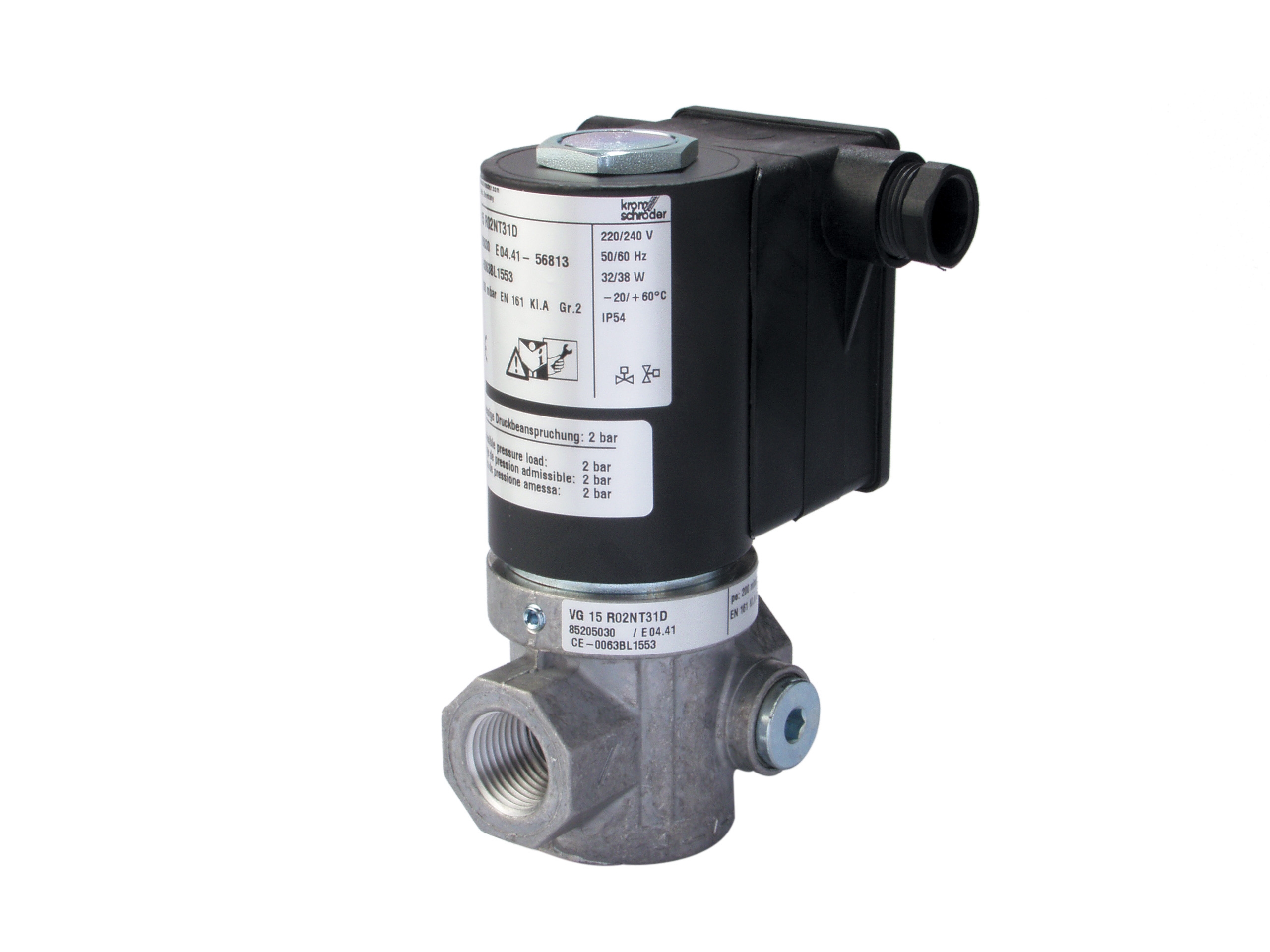
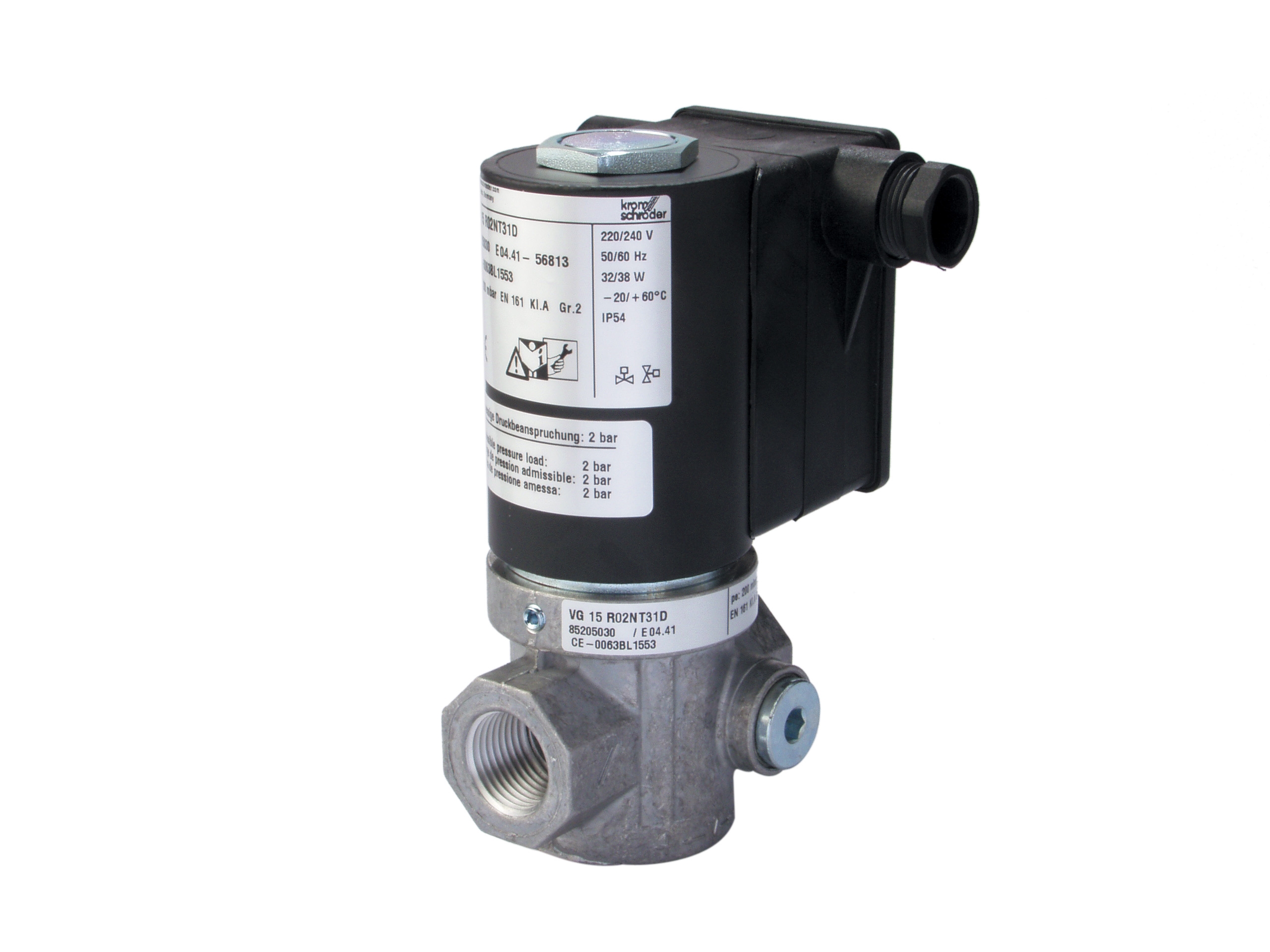
The CBM Fast gas solenoid valve VAS 110R/NW and CBM Fast gas EV VAS 365R/NW provide rapid fuel cutoff essential for modern burner controls. Fast-response design ensures flame-out occurs within milliseconds of ignition loss, meeting safety codes and preventing unburned gas accumulation in combustion chambers.
Slow-response solenoids for staged heating:
The CBM Slow gas solenoid valve VAS 340R/LW and CBM Slow gas solenoid VAS 125R/LW accommodate modulating burners that vary output gradually. These solenoids provide proportional fuel flow control, allowing burners to match heating demand without cycling on and off repeatedly.
Gas system advantages:
- Instant response: Solenoid valves react within milliseconds to control signals, enabling precise combustion management
- Modulating capability: Variable output burners reduce energy consumption during partial-load operation
- Cleaner combustion: Natural gas produces fewer combustion byproducts, reducing heat exchanger cleaning frequency
- Lower emissions: Gas burners typically achieve higher combustion efficiency with reduced particulate matter
- Remote fuel supply: Connection to utility gas lines eliminates on-site storage management
Gas systems introduce multiple solenoid valves requiring periodic testing and replacement intervals. Maintenance teams must understand fast versus slow solenoid function to specify correct replacements during repairs. Incorrect solenoid selection causes combustion control failures or safety shutdowns.
Comparative Analysis: Operational and Maintenance Factors
Fuel availability and infrastructure
Facilities with established gas service and adequate line sizing should leverage gas burner advantages. Oil burners suit locations without gas infrastructure or requiring fuel storage flexibility. Your facility's geographic region and utility availability should drive this decision—some industrial zones offer only one fuel type.
Combustion control requirements
Modern industrial heating demands modulating control for energy efficiency. Gas systems inherently support modulation through solenoid valve proportioning, while oil burners achieve modulation through air damper adjustment (less precise). If your facility requires tight temperature control or variable heating loads, gas advantages become more apparent.
Maintenance skill requirements
Oil burner maintenance focuses on mechanical tasks: nozzle cleaning, filter changes, and pump inspection. Your maintenance team likely possesses these skills already. Gas solenoid valve maintenance requires electrical troubleshooting and understanding of valve response timing. Teams unfamiliar with solenoid testing may require training or outside support.
System reliability and downtime costs
Both fuel types deliver reliable operation when properly maintained. However, response differences matter operationally: a failed oil burner stops gradually as combustion extinguishes, potentially causing temperature dips. A failed gas solenoid stops combustion instantly, triggering automatic shutdowns that may interrupt production. This distinction affects emergency response procedures.
Total cost of ownership
Oil burner systems typically cost less initially but require more frequent maintenance. Gas systems carry higher upfront control costs but reduce operational expenses through efficiency and longer maintenance intervals. Calculate 5-year operating costs including fuel, scheduled maintenance, emergency repairs, and downtime consequences for accurate comparison.
Practical Guidance for Maintenance Team Decision-Making
Start by documenting your facility's current fuel infrastructure and future expansion plans. If gas service exists with capacity for new connections, gas burners offer efficiency advantages justifying control system investment. If gas infrastructure requires expensive line extensions, existing oil burners or upgrading with oil equipment may prove more economical.
Review your maintenance team's current expertise. Oil burner technicians can transition to gas solenoid maintenance through focused training, but consider available resources. Contact 3G Electric's technical team with your facility specifications—our 35+ years serving global industrial operations means we've seen similar installations succeed with both fuel types.
Evaluate your heating demand profile. Facilities with consistent heating loads may not benefit from gas modulation. Facilities with highly variable loads (batch processes, seasonal changes) recover solenoid control costs through fuel savings. Document your peak versus average heating requirements to justify technology investment.
Consider regulatory requirements in your jurisdiction. Emissions regulations increasingly favor gas burners in some regions while favoring oil in others. Verify local codes before committing to either system.
Finally, plan for future flexibility. Gas infrastructure investments support multiple burners and equipment types. Oil systems remain self-contained but limit integration with advanced facility management systems. Your facility's growth trajectory should influence this strategic consideration.