Understanding Burners & Combustion: Modulating vs Fixed-Rate Systems
When managing industrial combustion operations, plant managers face a critical decision that impacts both capital expenditure and long-term operational efficiency. Burners & Combustion technology has evolved significantly, and the choice between modulating (PID fully modulating) and fixed-rate burner systems fundamentally affects fuel consumption, maintenance schedules, and system responsiveness. With over 35 years of experience distributing industrial equipment globally, 3G Electric has observed that this comparison directly influences return on investment and facility downtime.
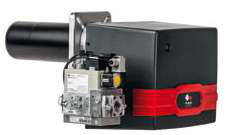
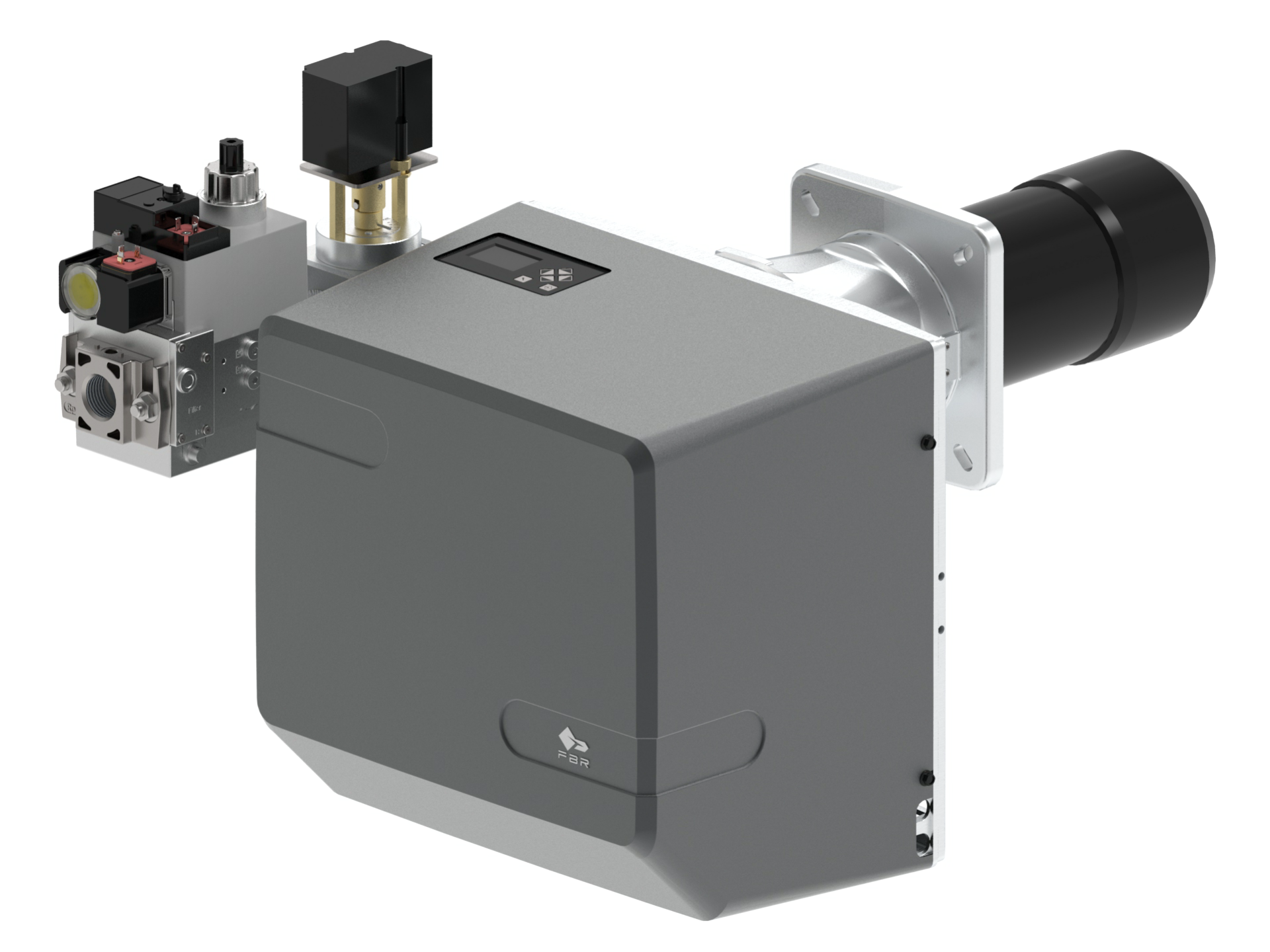
Modulating burners adjust flame intensity continuously based on demand through proportional-integral-derivative (PID) control, while fixed-rate systems operate at constant output with on-off cycling. The FBR BURNER GAS X5/MF TL EL VC LPG exemplifies modern modulating technology, featuring die-cast aluminum construction with high-pressure fan capability and optional modulation kit integration. Fixed-rate alternatives, by contrast, provide simpler control architecture but less granular thermal management.
Efficiency Comparison: Operating Costs & Fuel Consumption
Modulating Burners & Combustion systems typically achieve 15-25% better fuel efficiency compared to fixed-rate models in partial-load conditions, which represent 60-80% of typical annual operating hours in most industrial facilities. The continuous PID adjustment prevents overshoot—where fixed systems cycle on and off, creating thermal swings that require excess fuel to restabilize. Over a 12-month period on a 2.5 MW installation, this difference translates to 40,000-60,000 liters of unused fuel consumption with fixed-rate systems.
However, modulating systems demand more sophisticated control infrastructure. The CBM VCS 1E25R/25R05NNWL3/PPPP/PPPP double solenoid valve operates proportionally rather than simply opening or closing, requiring precise calibration of gas pressure and air/fuel ratios. Fixed-rate burners use identical solenoid logic—either energized or de-energized—reducing component complexity and spare parts inventory. Plant managers evaluating 5-10 year capital planning windows should model fuel savings against higher initial equipment costs and training requirements for modulating systems.
The deciding factor often becomes facility load profile. Facilities with constant baseload demand (textiles, food processing, chemical production) see dramatic payback periods with modulation—sometimes under 18 months. Facilities with variable intermittent demand (batch processing, seasonal operations) may find fixed-rate simplicity more cost-effective.
Control Reliability & Maintenance Comparison
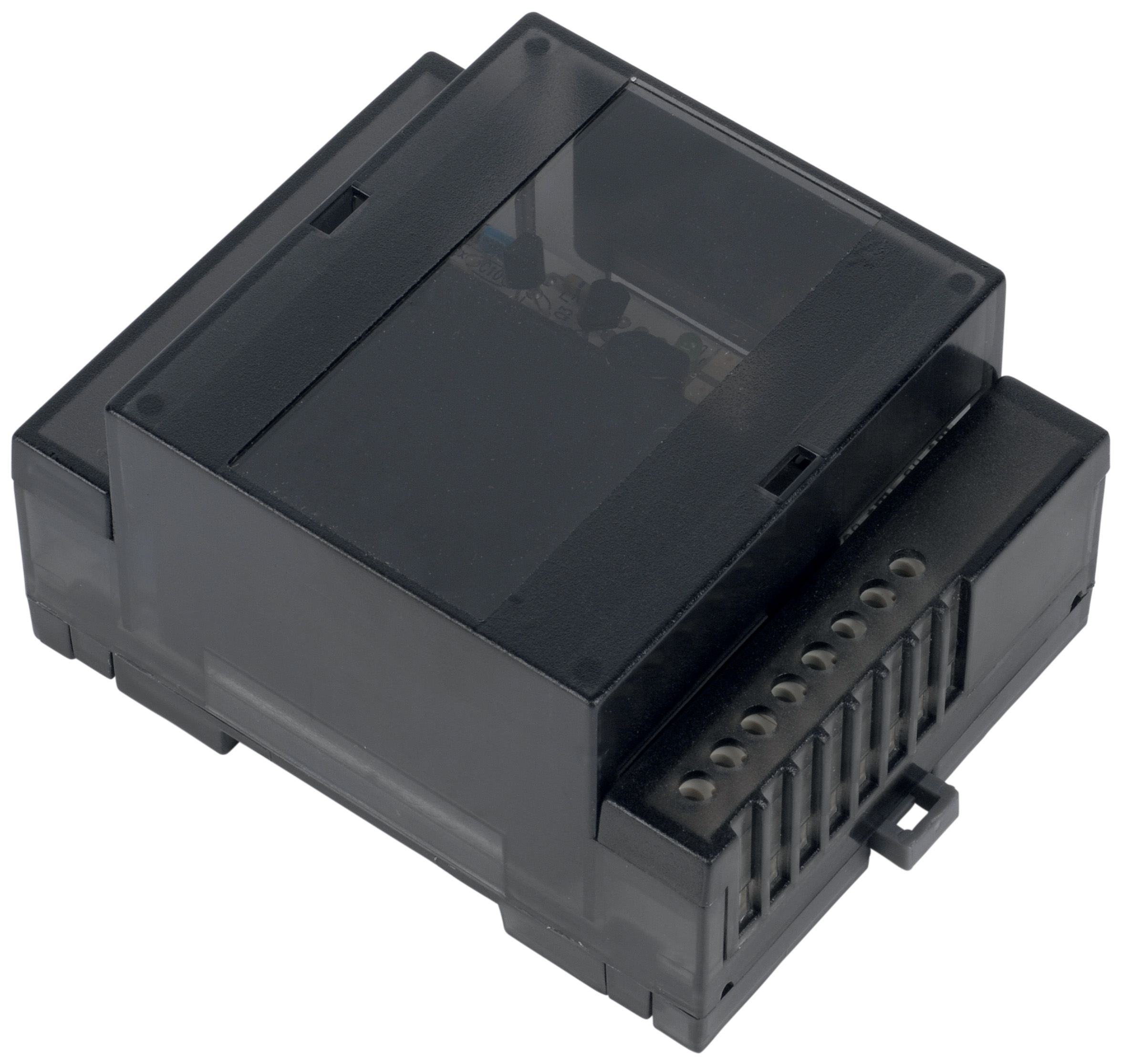
Fixed-rate Burners & Combustion systems exhibit lower failure rates during normal operation because fewer components must function precisely. The CBM Flame relay CF1 and CBM Relay CM391.2 30.5 1.2 serve identical functions in both system types—detecting flame presence and controlling ignition sequences—but modulating installations add modulation probe feedback circuits and proportional valve demand channels.
Modulating systems require quarterly calibration verification, while fixed-rate systems typically need only annual inspections. The CBM Base LGK AGM17 relay socket operates identically in both architectures, but modulating control loops demand precision voltage output (0-10V or 4-20mA proportional signals) versus simple on-off switching logic. When proportional signal degradation occurs—common after 3-4 years in high-humidity environments—troubleshooting demands oscilloscope-level diagnostics that fixed-rate on-off systems never require.
Maintenance staffing differs substantially. Fixed-rate burner technicians need intermediate electrical skills and can typically diagnose problems using multimeters and observation. Modulating system specialists require PLC programming understanding, analog signal troubleshooting capability, and firmware update literacy. In regions with limited technical expertise (common in Southeast Asia, Africa, and parts of South Asia where 3G Electric operates), fixed-rate systems reduce dependency on scarce skilled labor.
Part replacement frequency tells another story. Modulating systems experience higher proportional valve wear—typical service life of 5-7 years versus 10-12 years for on-off solenoids. However, reduced thermal cycling means combustion chamber components last 20-30% longer, partially offsetting valve replacement costs.
Practical Troubleshooting: When to Choose Which System
Select Modulating Burners & Combustion if:
- Annual runtime exceeds 4,000 hours
- Load varies by 30% or more monthly
- Thermal comfort/product quality depends on tight temperature control (±5°C or better)
- In-house technical expertise includes controls training
- Five-year payback periods justify capital expense
- Energy costs exceed $0.12 USD per kWh equivalent
- Annual runtime below 3,000 hours
- Baseload remains stable (±10% variation)\n- Facility operates in regions with limited controls expertise
- Equipment budget prioritizes initial capital minimization
- Thermal tolerance allows ±15°C variation
- Maintenance staff turnover exceeds 40% annually
- Spare parts availability from local distributors matters significantly
Common troubleshooting scenarios differ markedly between systems. When a modulating burner produces reduced heat output, technicians must verify PID tuning parameters, proportional valve hysteresis, and feedback probe calibration—a 4-6 hour diagnostic process. When a fixed-rate burner underperforms, the diagnosis typically completes in 45 minutes (checking ignition, flame detection, gas pressure at manifold). Over a facility's 15-year equipment lifecycle, this translates to 80-160 additional troubleshooting hours for modulating systems.
Regional Considerations for Global Operations
3G Electric's 35+ years serving global industrial markets reveals critical geographic patterns. North America and Western Europe favor modulating systems despite higher complexity because energy costs and labor expertise justify the investment. Southeast Asia increasingly adopts modulation in new facilities, but retrofitting existing plants encounters obstacles from aging control infrastructure incompatibility.
Liquefied petroleum gas (LPG) applications—represented by the FBR BURNER GAS X5/MF TL EL VC LPG—show different economic profiles than natural gas installations. LPG's energy density and price volatility make modulation payback periods 30-40% shorter, since fuel wastage from fixed-rate cycling compounds more severely. Facilities in Australia, India, and Middle Eastern regions using LPG predominantly select modulating systems for new installations, even in moderate-load applications.
Supply chain resilience favors fixed-rate systems in emerging markets where component lead times exceed 8-12 weeks. A broken proportional valve in a modulating system may require 6 weeks replacement, while on-off solenoid valves maintain local inventory in most developing regions. This availability advantage has driven fixed-rate adoption in sub-Saharan Africa and parts of Central Asia despite efficiency disadvantages.
Cold-start performance diverges significantly. Fixed-rate burners ignite and reach full output within 2-3 minutes in all climates. Modulating systems in sub-zero environments occasionally experience proportional valve sluggishness during initial startup, causing delayed combustion response that can trigger safety interlocks. This characteristic has influenced burner selection in Canadian, Northern European, and Russian industrial facilities toward fixed-rate alternatives despite efficiency premiums.
Implementation Recommendations
For existing facilities operating fixed-rate Burners & Combustion systems, conversion to modulating technology rarely justifies expense unless concurrent renovations occur. Upgrade costs for control wiring, relay base replacements, and operator training typically exceed $15,000-$25,000 per burner, achievable only through complete system replacement rather than retrofit.
New facility designs should conduct energy audits to establish realistic load profiles before specifying burner type. Assumed constant baseload often proves incorrect once facilities mature and production optimizations occur. Conservative plant managers typically specify modulating capacity with fixed-rate control logic for the first operational year, then upgrade control components once actual load patterns stabilize—a hybrid approach offering both capital flexibility and efficiency optimization pathways.
Component interchangeability matters operationally. The CBM double solenoid valve, flame relay, and relay modules function identically in both system architectures, allowing controlled upgrades without full burner replacement. This modularity—strengthened through 3G Electric's familiarity with both fixed and modulating systems—permits staged capital expenditure aligned with budget cycles.