Understanding Burners & Combustion Performance Dynamics
Burners & Combustion systems in modern Singapore industrial plants operate under strict safety and efficiency requirements. Unlike mechanical flame relay systems of the past, today's flame detection and burner control architectures demand precise synchronization between detection speed and ignition response. Plant managers face a critical decision: investing in ultra-fast flame detection may be counterproductive if burner ignition systems cannot respond at matching speeds. Conversely, slow response burners will waste fuel and create combustion instability even with advanced detection equipment.
With over 35 years of experience distributing industrial combustion equipment, 3G Electric has observed that the best-performing plants in Singapore do not simply purchase the fastest components—they engineer systems where detection, control, and ignition response create a balanced operational envelope. This technical comparison addresses the specific performance metrics that plant managers must evaluate when specifying Burners & Combustion systems for existing or new installations.
Flame Detection Speed: UV Sensor Performance and System Architecture
Flame detection speed is measured in recovery time—the interval required for a sensor to reset after flame extinction and prepare for the next detection cycle. The Combutech UV1p detection cell delivers a recovery time of 20 microseconds at 10% duty cycle, representing mid-range performance for industrial UV flame detectors. This specification matters because it determines how quickly your combustion system can identify flame loss during transient disturbances—pressure fluctuations, fuel interruptions, or air supply variations common in Singapore's tropical climate with frequent humidity swings.
UV spectral response (185–260 nm for the UV1p) provides discrimination against ambient light interference, critical in plants operating near windows or using work lighting in burner rooms. However, faster detection alone creates a hidden problem: nuisance trips. A 20-microsecond recovery rate combined with AC line noise or electromagnetic interference can trigger false flame-loss signals, causing unnecessary burner shutdown and restart cycles that degrade equipment life and increase maintenance costs.
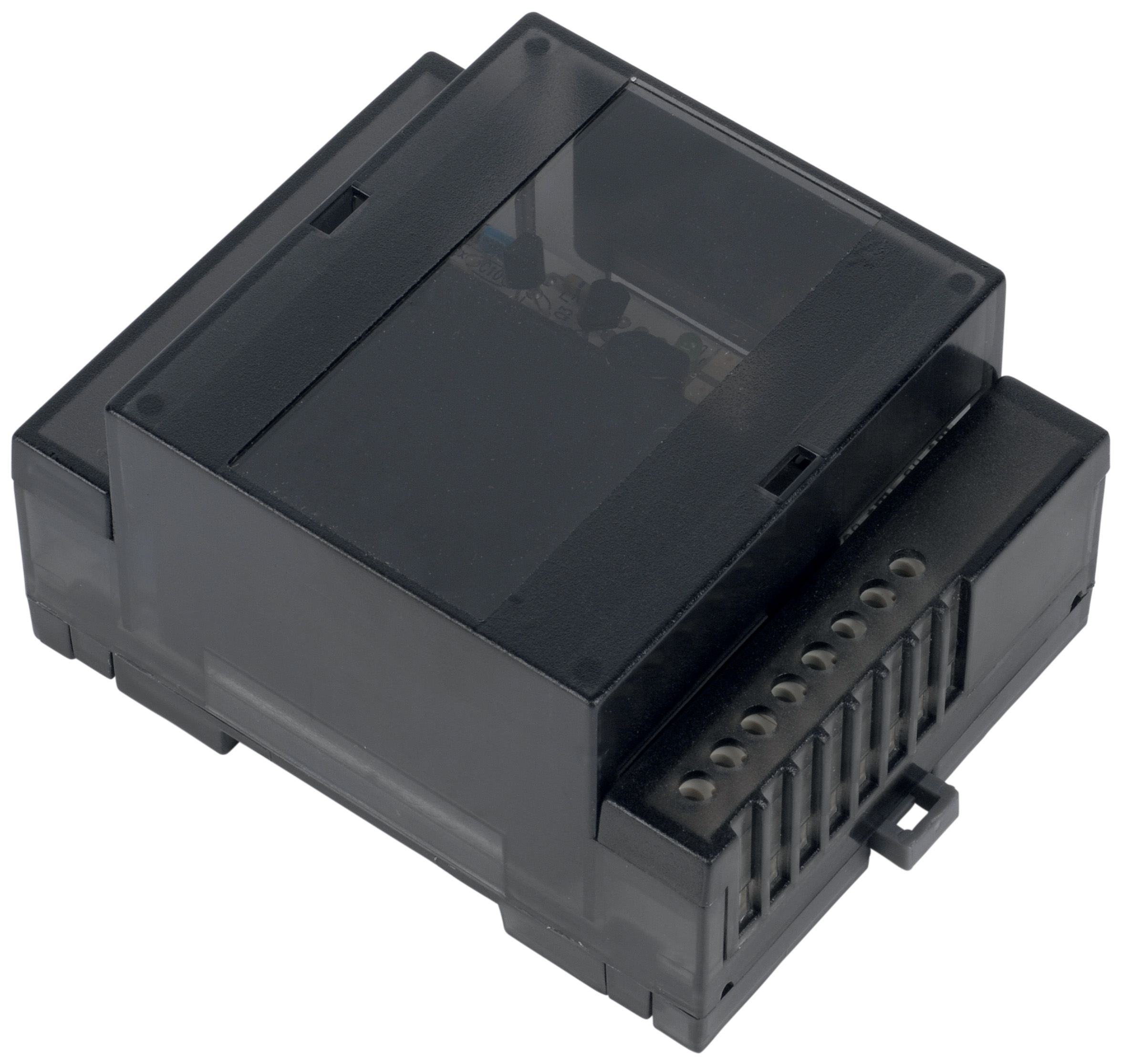
The detection cell must integrate with a flame relay control module. The Combutech Flame relay CF1 supports up to 10 UV detectors on a single line, rated for 1 A @ 250 VAC and 1 A @ 30 VDC with IP40 polycarbonate UL94-V0 housing. This relay architecture introduces a secondary processing delay (typically 50–150 milliseconds) that moderates sensor response and filters electrical noise. Plant managers should recognize that this relay delay is not a disadvantage—it prevents false shutdowns while maintaining safety margins well within regulatory requirements (typically 3–5 seconds maximum allowed flame loss detection time).
Burner Ignition Response and Fuel Delivery Coordination
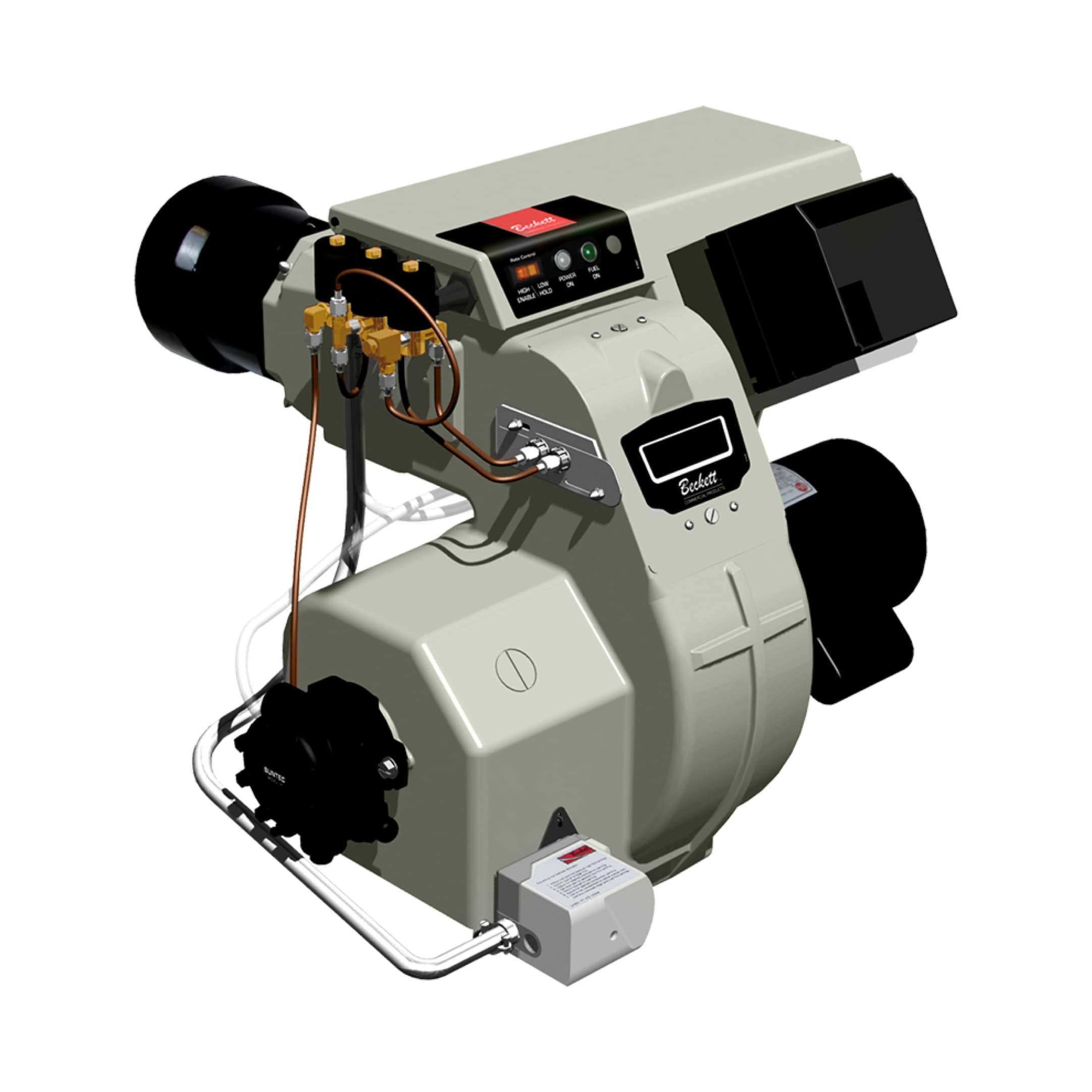
Burner response time encompasses ignition delay, pilot flame establishment, and main flame propagation. The Beckett CF3500 Oil Burner exemplifies standard commercial performance with direct spark ignition and a typical ignition delay of 1.5–2.5 seconds. This specification means that from the moment your control system sends the ignition signal, 1.5–2.5 seconds elapse before the oil nozzle produces sustained flame. For Singapore plants operating in humid conditions with occasional salt-air corrosion near coastal industrial zones, this delay window is stable and predictable.
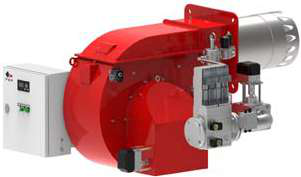
Gas burners introduce different response characteristics. The FBR HI-GAS P550/M CE TL operates at industrial scale (2325–6395 kW output, 60–206 kg/h fuel flow) with response times typically 0.8–1.2 seconds for pilot flame establishment. The larger fuel delivery capacity and multi-stage ignition architecture create faster flame development than oil burners, but also require more sophisticated pressure regulation and fuel metering to prevent overshooting or flame flashback.
Progressive modulation burners such as the FBR GAS/M CE D2"S-F-50 with DX90 modulation control introduce additional complexity: response time varies between low-fire (slow) and high-fire (fast) conditions. At low modulation (around 30% capacity), flame establishment may require 2–3 seconds, while high-fire ignition completes in 0.6–0.8 seconds. Plant managers operating variable-load processes must account for this dynamic response variation when sizing control system dead bands.
System Synchronization and Practical Commissioning Considerations
The optimal Burners & Combustion system balances detection speed, relay processing, and burner ignition response to create a stable combustion envelope with minimal oscillation. A practical example illustrates this principle: suppose your plant operates a thermal process requiring 85% load (high-fire), then drops to 40% load (mid-fire) every 15 minutes. A UV detector with 20-microsecond recovery time feeding a 100-millisecond relay into a 0.8-second ignition burner creates a total system response of approximately 0.9 seconds. This timing is fast enough to suppress minor flame flicker without triggering nuisance shutdowns from electrical noise.
Conversely, if you specify an ultra-fast detection cell (5-microsecond recovery) with a slow burner (3-second ignition), the detection system will identify flame loss long before the burner can reestablish flame, causing repeated shutdown-restart cycles. These false cycles waste fuel, accumulate combustion byproducts in exhaust systems, and stress ignition electrodes and fuel pumps.
Singapore's regulatory environment (PSB Safety and Environmental standards) requires that automatic burner controls detect flame loss and shut down fuel supply within 5 seconds. All equipment discussed here meets this requirement comfortably. The engineering question is not whether to meet regulations, but how to operate well within them to maximize reliability and minimize maintenance downtime. Plant managers should specify Burners & Combustion systems by calculating the cumulative response time from sensor to final flame establishment, then adding a 1-second safety margin. This approach ensures stable operation across varying process loads and seasonal humidity conditions.
Maintenance Impact and Long-Term Component Selection
Flame detection speed influences maintenance scheduling and component replacement costs. Faster-responding UV sensors (like the UV1p's 20-microsecond specification) may require more frequent cleaning in dusty or high-particulate environments because they operate closer to the sensitivity threshold where dust accumulation on the optical window becomes critical. Oil-fired burners in Singapore plants near shipping areas or industrial zones often experience dust ingress, making cleaning intervals every 2–4 weeks necessary.
Relay-based architectures such as the CF1 require periodic contact cleaning and functional testing (typically every 6 months), but provide superior immunity to electromagnetic interference common in plants with variable-frequency drives (VFDs), electric welding equipment, or radio frequency (RF) heating. The relay's mechanical contacts and 1-second response window create filtering that prevents nuisance trips without sacrificing safety performance.
Burner response time affects component wear patterns. Slower ignition systems (3+ seconds) accumulate unburned fuel in the combustion chamber before flame establishment, increasing carbon deposit formation and requiring more frequent combustion chamber cleaning. Faster ignition (0.8–1.5 seconds) reduces this accumulation but places higher stress on spark electrodes and fuel nozzles due to more frequent start-stop cycles. Plant managers should factor these maintenance trade-offs into procurement decisions, particularly for plants operating at high on-off cycling rates (more than 20 start cycles per hour).
Selecting the Right Performance Profile for Your Application
Plant managers must match Burners & Combustion performance specifications to three application variables: load variability, environmental conditions, and maintenance capability. For continuous-load applications (steady-state 80–100% output), specify mid-range detection speed (15–25 microseconds) with standard relay processing (80–150 milliseconds) and proportional burners (0.8–2.0 second ignition delay). This combination minimizes component stress while maintaining excellent safety margins.
For variable-load processes with frequent modulation (30–100% cycling), choose faster detection cells (8–15 microseconds) paired with modulating burners and advanced control relays that support ramp-up functions. The faster system response accommodates load swings without creating overshooting oscillations.
In challenging environmental conditions—high humidity, salt-air corrosion, or high-dust environments—prioritize robust relay architectures (like the CF1) over bare sensor systems, and specify oil burners with longer ignition delays (2–3 seconds) that provide stable, predictable performance even after extended shutdowns where fuel lines or nozzles may have partially gummed.
With 35+ years of experience supplying Burners & Combustion equipment to Singapore's diverse industrial sector, 3G Electric recommends that plant managers develop a commissioning protocol measuring actual system response time (from detection signal to stable flame establishment) during startup. This empirical validation ensures specified performance meets operational reality, accounting for site-specific electrical noise, pressure variations, and fuel characteristics that theoretical calculations may miss.