Understanding Burners & Combustion Detection Strategies
Burners & Combustion systems require reliable flame monitoring to ensure safe, efficient operation. Procurement engineers in Singapore face a critical decision: should you specify UV flame detection relays or integrate multi-parameter combustion analysis? This comparison addresses real-world trade-offs in cost, reliability, and maintenance.
With 35+ years of industrial equipment distribution experience, 3G Electric has supported hundreds of burner system deployments across Southeast Asia. The choice between detection technologies directly impacts downtime, fuel efficiency, and system safety—making it a procurement decision, not just a technical one.
Section 1: UV Flame Detection vs. Combustion Parameter Analysis
UV Flame Detection Systems
UV-based flame detection uses spectral response in the 185–260 nm range to sense active combustion. The Combutech UV1p detection cell delivers fast recovery time (20 µs at 10% duty cycle) and IP65 housing suitable for harsh industrial environments.
Strengths:
- Direct flame confirmation (not indirect measurement)
- Fast response time—critical for safety interlocks
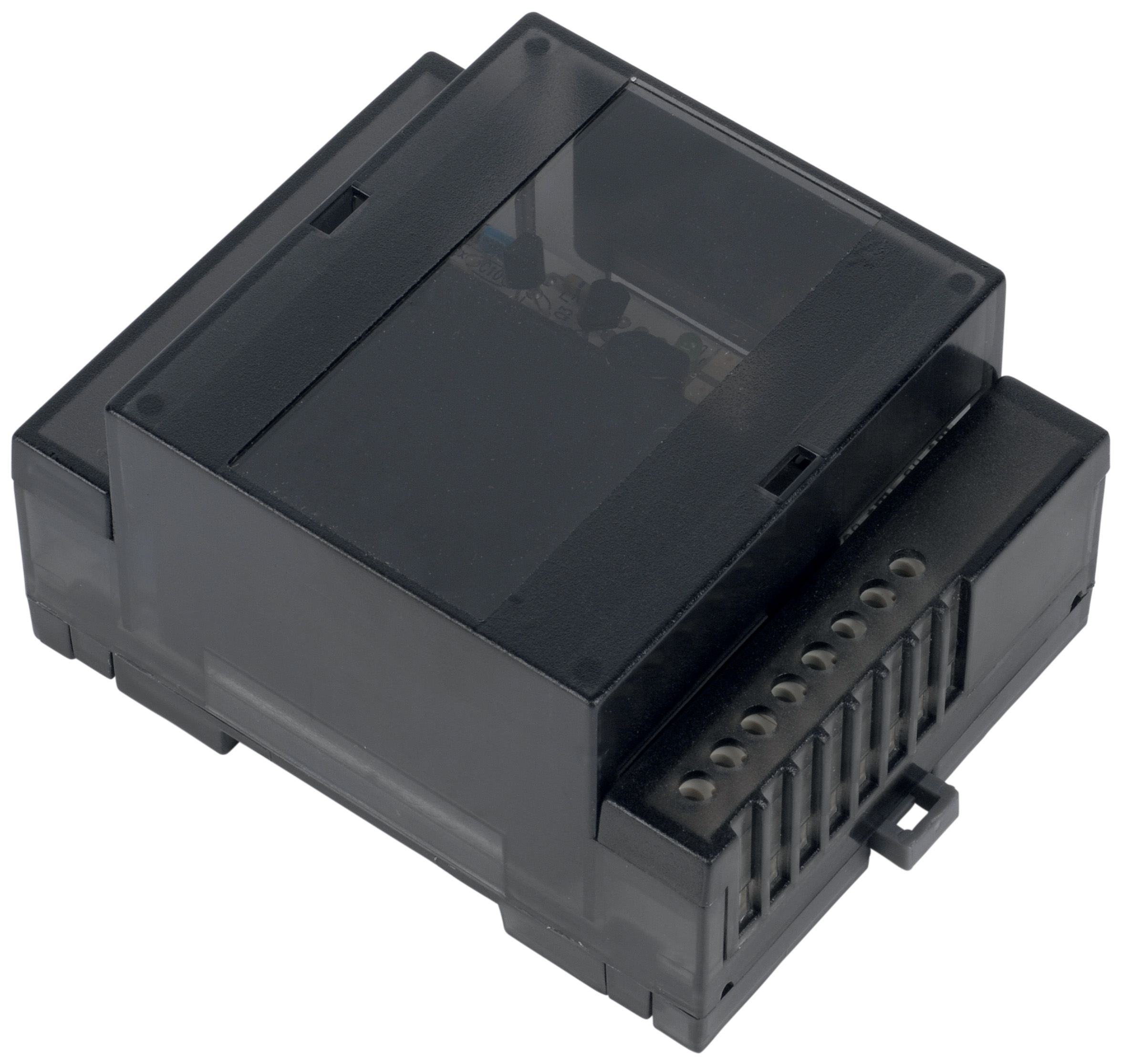
- Simple wiring: single detector to control relay like Combutech Flame relay CF1
- Works across fuel types (oil, gas, solid fuels)
- Proven technology in Singapore thermal systems for 20+ years
- Cannot diagnose combustion quality (only detects flame presence/absence)
- Susceptible to false signals from reflected light or infrared sources
- Detector window fouling requires regular maintenance
- No early warning for efficiency degradation
Combustion Analysis Systems
Combustion analysis measures O₂, CO, and temperature to assess efficiency and fuel-air balance. This approach diagnoses root causes rather than confirming flame presence.
Strengths:
- Detects poor combustion before flame loss occurs
- Identifies air supply imbalances, nozzle wear, fuel contamination
- Enables efficiency optimization and cost reduction
- Provides data for predictive maintenance planning
- Supports compliance with Singapore energy efficiency standards
- Higher capital equipment cost (portable analyzers: $2,500–$8,000 SGD)
- Requires trained technicians for data interpretation
- Not a real-time safety relay (cannot replace UV detection)
- Requires periodic calibration and probe maintenance
Procurement Comparison Table
| Factor | UV Detection | Combustion Analysis |
|---|---|---|
| Safety-Critical? | Yes (flame confirmation) | No (diagnostic only) |
| Response Time | <100 ms | 5–10 minutes |
| Equipment Cost | $400–$1,200 SGD | $2,500–$8,000 SGD |
| Maintenance Interval | 6 months (cleaning) | 12 months (calibration) |
| Diagnostic Depth | Binary (on/off) | Full combustion profile |
| Scalability | Single detector or relay module | Portable or fixed analyzer |
Section 2: Oil Burner Troubleshooting—Detection Technology Impact
When UV Detection Falls Short
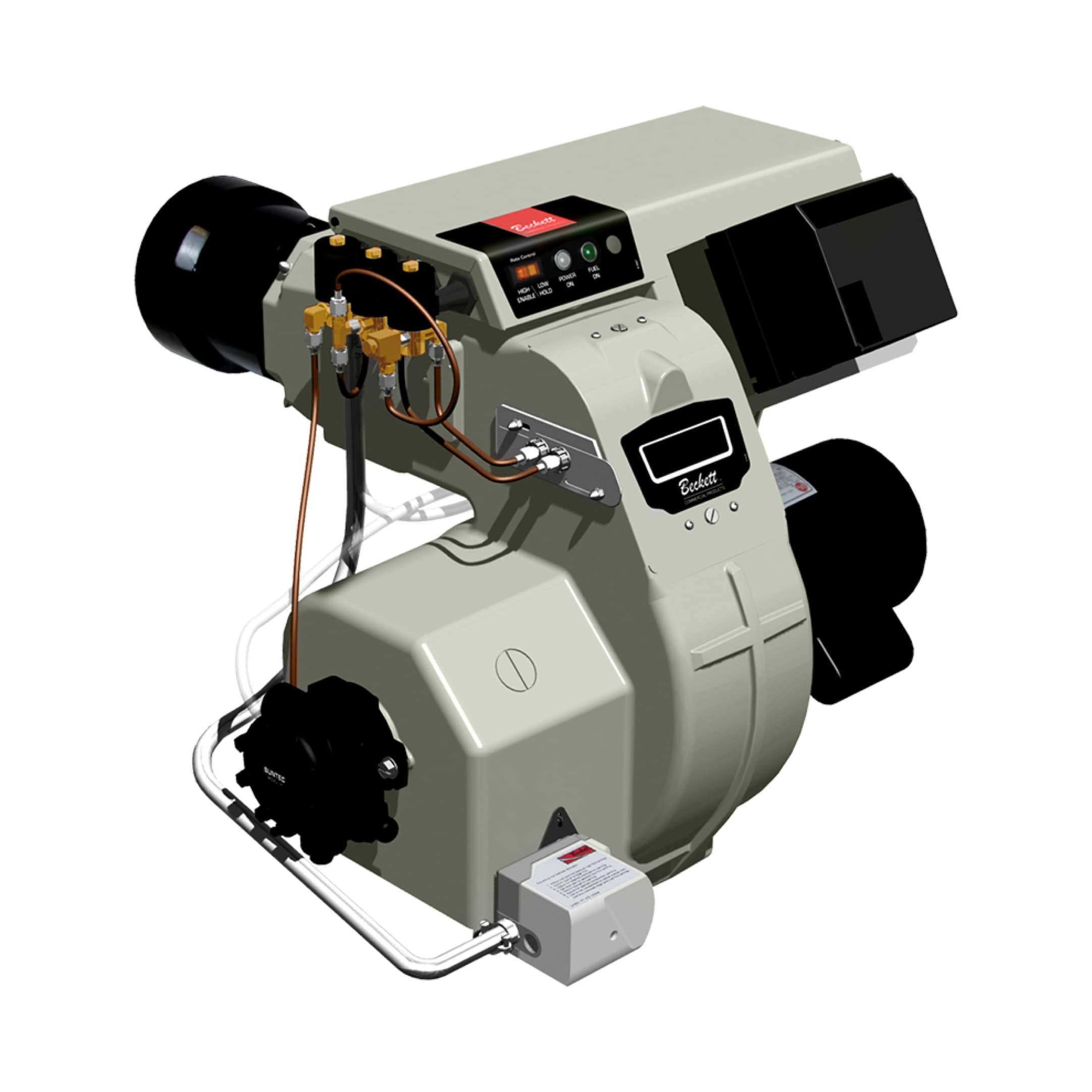
Consider a Beckett CF3500 oil burner operating at 25 GPH in a Singapore food processing plant. The facility experienced intermittent flame loss alarms every 8–12 hours, yet visual inspection showed steady combustion.
Root Cause Analysis:
- UV detector window was collecting fine oil mist and carbon buildup
- Detector recovery time degraded from 20 µs to 200+ µs
- False flame-loss signal triggered safety shutdown
- Detection approach didn't diagnose the fouling problem
1. Install UV detector with improved IP65 sealing (UV1p cell)
2. Implement 3-month (not 6-month) cleaning schedule
3. Use combustion analysis to confirm fuel quality and atomization
4. Monitor detector response time via relay diagnostics (CF1 relay)
This real-world case demonstrates why procurement engineers should specify both technologies for critical systems: UV detection for safety interlocks + combustion analysis for diagnostics.
Oil Burner Fuel Quality Diagnosis
Combustion analysis reveals problems UV detection cannot:
- High CO readings → Poor atomization or incorrect nozzle (Beckett CF3500 nozzle mismatch)
- Low O₂ (rich combustion) → Excess fuel delivery or clogged air inlet
- Elevated flue gas temperature → Heat exchanger fouling or inefficient combustion
For procurement: Budget for annual combustion analysis even if UV detection is functioning. Cost (~$500 SGD per burner per year) is offset by 2–5% efficiency gains.
Section 3: Industrial Gas Burner Systems—Detection and Control Integration
Large-Scale Gas Burner Considerations
Industrial modulating gas burners like the FBR HI-GAS P550/M (2325–6395 kW) and FBR GAS/M (485–4070 kW) present different challenges than small oil systems.
Gas Burner Detection Requirements:
- UV flame detection alone is insufficient for modulation control
- Burners require continuous O₂ feedback to maintain fuel-air ratio across load changes
- Combustion analysis becomes operational necessity, not optional diagnostic
- European CE marking requires documented combustion verification
Comparative System Architecture
Fixed-Rate Oil Burner (Beckett CF3500):
```
UV Detector → CF1 Relay → Ignition/Fuel Valve (Binary Control)
Optional: Annual combustion analysis for maintenance planning
```
Modulating Gas Burner (FBR HI-GAS P550/M):
```
UV Detector → Safety Interlock (flame confirmation)
+ O₂ Analyzer → PLC → Fuel Flow Modulation → Continuous Efficiency Control
+ Temperature Sensor → Feedback Loop Adjustment
```
For procurement engineers: Gas burners require integrated combustion monitoring from project conception. Budgeting for UV detection and O₂ analysis infrastructure is non-negotiable.
Troubleshooting High-Output Systems
When modulating gas burners (FBR P550/M range) experience efficiency loss:
1. UV detection status: Confirm no flame-loss cycles
2. O₂ setpoint analysis: Target 3–4% O₂ for optimal efficiency; drift >0.5% indicates air supply degradation
3. Load response lag: Combustion analysis reveals whether modulation is tracking demand or overshooting
4. Nozzle fouling diagnosis: Elevated CO + rich combustion = cleaning required
UV detection alone cannot identify these issues. Procurement must mandate quarterly combustion analysis for systems operating >5,000 hours/year.
Section 4: Practical Procurement Specifications for Singapore Operations
Single-Burner Applications (Small to Medium)
Specification Template:
- Flame Detection: UV1p detection cell + Flame relay CF1
- Maintenance Strategy: 6-month UV window cleaning, annual combustion analysis
- Burner Type: Beckett CF3500 for oil; smaller FBR modulating for gas
- Expected Diagnostics Timeline: 2 hours annual combustion survey per burner
- Budget Allocation: 15% for detection hardware, 10% for annual analysis services
Multi-Burner or High-Output Systems (>1,500 kW)
Specification Template:
- Primary Safety Loop: UV detection (individual detectors per burner)
- Operational Monitoring: Fixed O₂ analyzer on main flue stack + portable analyzer for quarterly diagnostics
- Burner Selection: FBR HI-GAS P550/M or FBR GAS/M with integrated modulation controls
- Control Integration: Safety relay (flame detection) + PLC (combustion feedback)
- Maintenance Windows: Monthly system checks, quarterly combustion analysis, annual detector recalibration
- Budget Allocation: 8% flame detection, 18% combustion analysis infrastructure, 12% annual service costs
Singapore-Specific Considerations
1. High Humidity Impact on UV Detectors: Tropical moisture accelerates window fouling; specify IP65 minimum (UV1p standard)
2. Energy Efficiency Regulations: Buildings must demonstrate combustion efficiency >85%; UV detection alone insufficient for compliance proof
3. PM2.5 Air Quality Standards: Burner emissions testing requires combustion analysis; UV detection provides no emissions data
4. Maintenance Accessibility: Singapore's compact industrial spaces demand quick-swap detection modules; specify relay-based systems for modularity
Cost-Benefit Analysis: When to Upgrade from UV-Only to Integrated Systems
Upgrade if:
- System operating >4,000 hours/year (fuel costs exceed $50,000 SGD annually)
- Burner has history of intermittent flame-loss faults (>2 per year)
- Building subject to Singapore Green Building Council audits
- Planned system life >10 years
- Integrated system cost premium: +$3,500 SGD
- Annual fuel savings from efficiency optimization: $2,000–$4,000 SGD
- Payback period: 12–18 months
- Additional benefit: Reduced unplanned downtime (value: $500–$1,500 SGD/incident)
Summary for Procurement Decision-Making
UV flame detection and combustion analysis are complementary, not competing technologies. Procurement engineers should view them as:
- UV Detection: Safety mandatory; lowest-cost flame confirmation
- Combustion Analysis: Operational excellence; enables efficiency gains and predictive maintenance
3G Electric's 35 years of Southeast Asian equipment distribution confirms that systems relying on UV detection alone typically experience:
- 10–15% higher fuel consumption over 5-year lifespan
- 3–5 unplanned shutdown incidents per year
- Inability to demonstrate regulatory compliance
Systems integrating both technologies show:
- 8–12% verified efficiency improvements
- <1 shutdown incident per year
- Clear audit trail for energy certifications
For critical applications, specify UV1p detection cells, CF1 safety relays, and quarterly combustion analysis. For large industrial burners (FBR P550/M, FBR GAS/M), integrated O₂ monitoring is non-negotiable from design phase.
3G Electric supplies complete detection and control solutions through established relationships with leading manufacturers. Contact our technical procurement team to evaluate your specific burner configuration and detection requirements.