Understanding Modular High-Pressure System Architecture for Industry Applications
When selecting components for high-pressure cleaning, cooling, or spray applications, maintenance teams must think systemically rather than examining individual parts in isolation. Industry applications demand integrated solutions where quick couplings, precision nozzles, and mounting infrastructure function as complementary subsystems. With over 35 years of experience serving global industrial operations, 3G Electric recognizes that component compatibility and system-level design determine operational efficiency, safety, and total cost of ownership.
High-pressure systems operate across diverse environments—from food processing facilities requiring sanitary spray patterns to manufacturing plants demanding aggressive surface preparation. The interface between components creates either seamless workflows or operational friction. A properly selected quick coupling minimizes pressure loss and enables rapid equipment changes, while the correct nozzle geometry ensures targeted spray characteristics, and appropriate mounting solutions provide stable, repeatable positioning. This article analyzes how these three component categories integrate to support maintenance operations globally.
Quick Coupling Selection and System Integration
Pressure Reduction and Flow Optimization
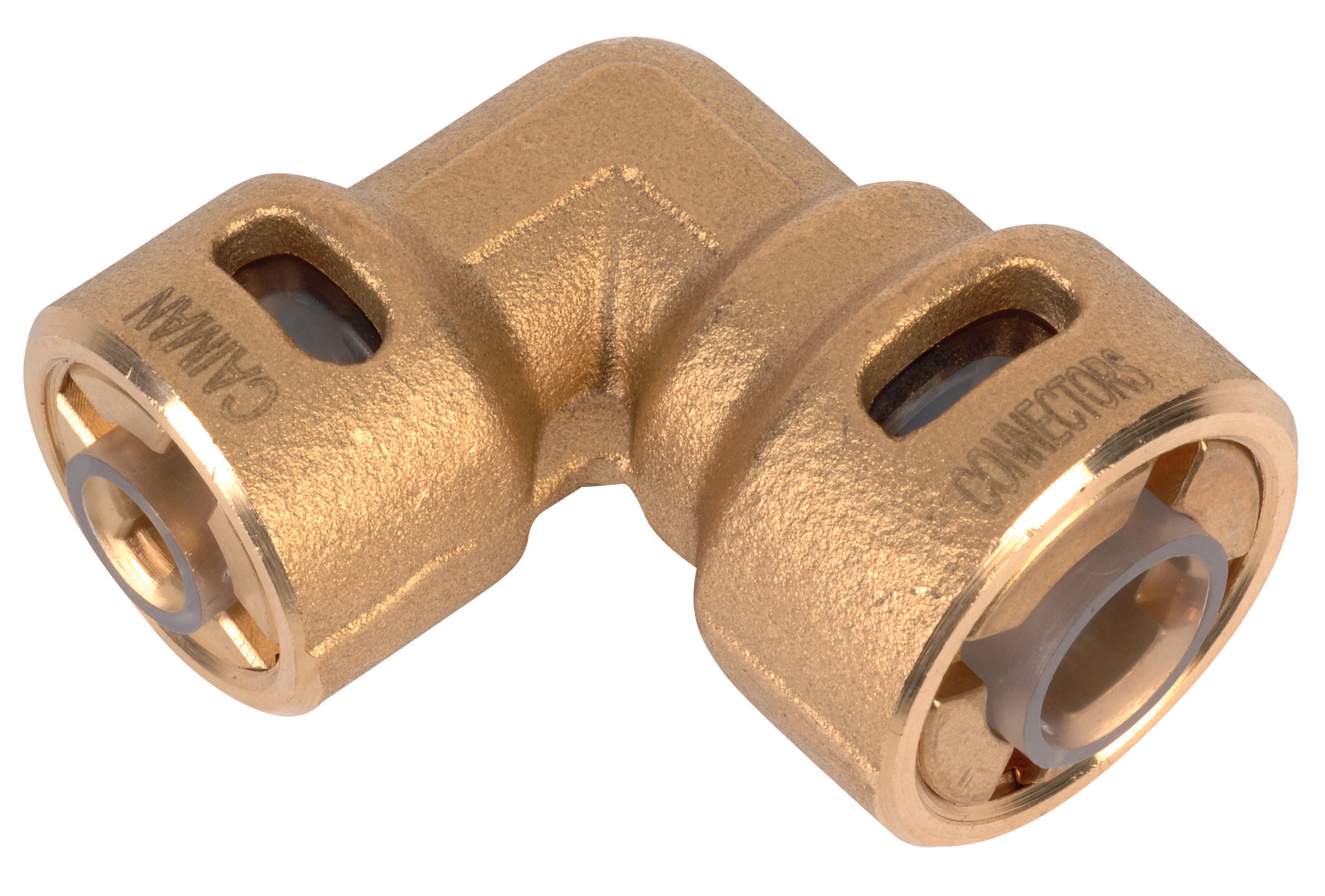
The CBM Quick Coupling 90° Pressure Reduction 1/4*3/8 represents a critical interface point in high-pressure system architecture. This component serves dual functions: it provides mechanical connection while simultaneously managing pressure transition between supply lines and application equipment. The 90-degree orientation addresses spatial constraints common in industrial environments where direct-axis connections prove impractical.
The pressure reduction feature embedded within this coupling warrants particular attention for maintenance teams. Rather than requiring separate pressure regulation elsewhere in the system, this integrated design reduces component count and potential failure points. When considering industry applications across global markets, this simplified architecture proves especially valuable:
- Reduced Pressure Drop Zones: Fewer connection points mean less turbulent flow and pressure loss across the system
- Space Efficiency: 90-degree orientation accommodates tight installation spaces without requiring external elbows or adapters
- Rapid Coupling/Decoupling: Enables quick equipment changes without shutting down entire pressure systems
- Compatibility Range: 1/4 to 3/8 inch connection sizes accommodate diverse upstream and downstream component combinations
Maintenance teams operating in manufacturing, automotive, or heavy equipment cleaning frequently encounter situations requiring equipment rotation. The quick coupling enables technicians to switch between different nozzle assemblies or spray heads without depressurizing the entire system, reducing operational downtime and energy consumption. This capability becomes increasingly valuable in facilities running continuous or near-continuous operations where every minute of downtime impacts production schedules.
Precision Nozzle Selection for Industry Applications
Spray Geometry and Application-Specific Performance
Three distinct flat jet nozzles address different spray requirements, each optimized for specific industry applications. Understanding the technical distinctions enables maintenance teams to select appropriate components for their operational context.
#### CBM Flat Jet Nozzle HP 1/4"M BSPT Index 25 Angle 15°
The TEC02060 represents a moderate spray angle configuration designed for applications requiring controlled lateral coverage with concentrated impact force. The 15-degree spray angle produces a relatively narrow dispersal pattern compared to higher-angle alternatives, concentrating hydraulic energy within a compact footprint.
Optimal Application Scenarios:
- Surface preparation where focused impact removes contaminants without excessive lateral spray
- Cooling applications requiring targeted water or coolant delivery
- Cleaning operations in confined spaces where overspray creates safety or contamination concerns
- Food processing facilities where spray containment prevents cross-contamination
#### CBM Flat Jet Nozzle HP 1/4"M BSPT Index 055 Angle 15°
The TEC02021 maintains the same 15-degree spray angle as the TEC02060 but features index 055 specifications. While both products share spray geometry, the index rating indicates different flow capacity and pressure characteristics. This variation allows maintenance teams to match nozzles precisely to their pump specifications and system pressure settings.
Performance Differentiation:
- Index 055 accommodates different pump displacement and speed combinations
- Enables parallel nozzle arrays without flow mismatch or uneven coverage
- Supports systems where multiple identical nozzles operate simultaneously
- Simplifies spare parts management by standardizing on single spray angle across different capacity requirements
#### CBM Flat Jet Nozzle HP 1/4"M BSPT Index 50 Angle 40°
The TEC02075 introduces aggressive spray geometry for high-coverage applications. The 40-degree spray angle expands lateral coverage dramatically, distributing impact force across broader surfaces.
Practical Applications:
- Large-surface cleaning requiring coverage efficiency over focused intensity
- Degreasing operations where broad-area spray patterns accelerate contamination removal
- Dust suppression or surface wetting where extensive coverage matters more than impact pressure
- Demolition or surface stripping where aggressive lateral coverage accelerates material removal
- Cooling systems requiring wide temperature distribution across extended surfaces
Comparative Performance Matrix
Maintenance teams must balance three primary variables when selecting nozzles:
| Parameter | Index 25 (15°) | Index 055 (15°) | Index 50 (40°) |
|-----------|---|---|---|
| Spray Angle | Narrow focus | Narrow focus | Wide coverage |
| Impact Intensity | High concentration | High concentration | Distributed |
| Lateral Spread | Minimal overspray | Minimal overspray | Extensive coverage |
| Flow Capacity | Standard | Optimized variant | High volume |
| Application Space | Confined areas | Standard installations | Open surfaces |
| Impact Pressure | Maximum at target | Maximum at target | Moderate distributed |
The decision between products TEC02060 and TEC02021 depends on system specifications rather than application type—both deliver identical spray patterns but accommodate different pump configurations. The choice between either and the TEC02075 depends on whether your industry application prioritizes focused impact (narrow angles) or broad coverage (wide angles).
Structural Support Infrastructure for Mounted Systems
Wall Mounting and System Stability
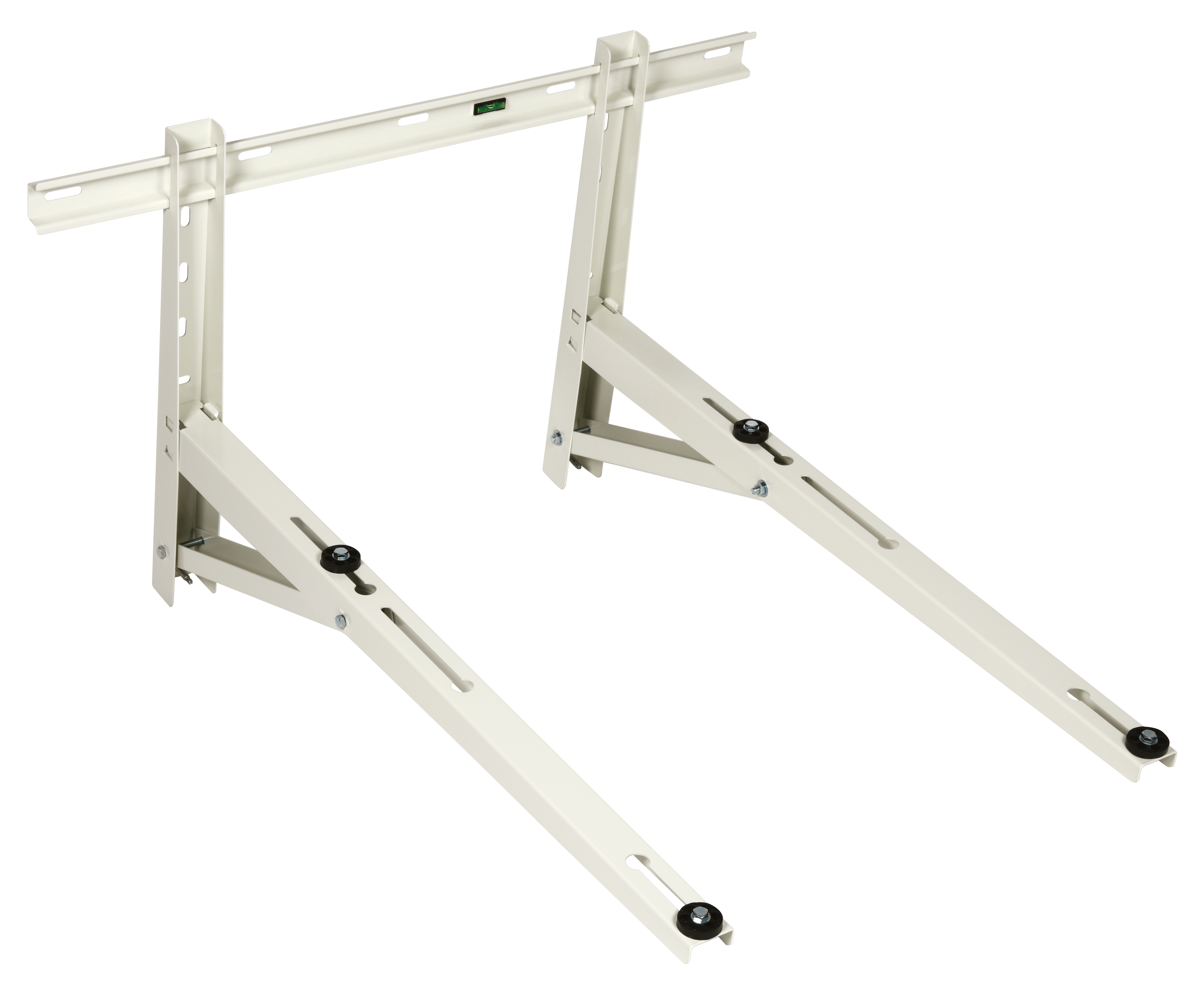
High-pressure spray systems frequently require permanent or semi-permanent installation in manufacturing facilities, processing plants, or vehicle washing operations. The CBM Wall Bracket 1000 provides essential structural support infrastructure for these applications.
Maintenance teams often overlook mounting solutions during initial system design, discovering stability issues only during operation. Vibration from pulsating pressure, recoil forces from spray impact, and thermal expansion create dynamic stresses that inadequate mounting structures cannot accommodate. The CBM Wall Bracket 1000 addresses these requirements:
Structural Capability:
- Designed to withstand sustained high-pressure system operation
- Accommodates vibration damping essential for continuous-duty applications
- Supports quick coupling assemblies, manifolds, and nozzle arrays
- Enables precise positioning critical for repeatable spray patterns
- Facilitates technician access for maintenance and nozzle changes
- Manufacturing Facilities: Permanent installation eliminates equipment repositioning, ensuring consistent surface preparation or cooling patterns
- Food Processing: Fixed mounting reduces contamination risk from hand-held equipment movement
- Automotive Operations: Enables repeatable spray patterns across production line stations
- Equipment Maintenance: Provides stable platform for cleaning large machinery or vehicle fleets
- Heavy Equipment Cleaning: Supports high-flow systems without floor-space interference
The mounting bracket becomes increasingly critical when systems operate at higher pressures or employ multiple nozzles simultaneously. Recoil forces multiply across array configurations, and inadequate support generates vibration that reduces spray consistency and accelerates component fatigue.
Integrated System Design for Global Maintenance Operations
Component Synergy and Operational Efficiency
With 35+ years serving global industrial equipment distribution, 3G Electric has observed that successful high-pressure systems result from thoughtful component integration rather than individual component optimization. The quick coupling (RAC54024) provides efficient pressure management and rapid equipment changes. The precision nozzles (TEC02060, TEC02021, TEC02075) deliver application-specific spray characteristics. The wall bracket (CLI04413) provides structural stability. Together, these components create cohesive systems that address maintenance team requirements across diverse industry applications.
System Design Considerations:
1. Pressure Matching: Quick coupling pressure reduction must align with nozzle pressure ratings and pump specifications. Mismatches generate inefficiency or component damage.
2. Flow Coordination: When multiple nozzles operate simultaneously, index specifications must match to prevent uneven pressure distribution and inconsistent spray patterns.
3. Spatial Planning: 90-degree coupling orientation and wall-mount positioning must accommodate installation space constraints while providing technician access for maintenance.
4. Thermal Management: Sustained operation generates heat affecting pressure consistency. Mounting solutions that dissipate thermal energy support performance stability.
5. Safety Infrastructure: Fixed mounting positions keep personnel away from spray paths, reducing injury risk in high-pressure operations.
Global Maintenance Team Adaptation
Maintenance operations across different geographic regions face distinct environmental challenges. Desert facilities manage extreme temperature variations. Coastal installations contend with corrosive salt atmospheres. Industrial regions require systems operating in heavy contamination. The modular architecture of properly selected components accommodates these variations:
- Temperature Extremes: Material selection and thermal management through mounting design address climatic variation
- Contamination Management: Accessible coupling design enables rapid filter changes and system flushing
- Operational Continuity: Quick-change capability maintains production schedules in time-sensitive environments
- Spare Parts Availability: Standardized components reduce inventory complexity across global operations
Practical Selection Framework for Maintenance Teams
When evaluating high-pressure system requirements, maintenance teams should follow this systematic approach:
Step 1: Identify Application Parameters
- What surfaces require cleaning, cooling, or spray treatment?
- What pressure and flow rates does your pump deliver?
- What installation space constraints exist?
- What environmental conditions affect component selection?
- Does your application demand focused impact (15-degree nozzles) or broad coverage (40-degree nozzles)?
- Will multiple nozzles operate simultaneously (requiring matched indices)?
- What spray angle minimizes overspray in your facility?
- Does your quick coupling accommodate pressure reduction requirements?
- Is 90-degree orientation compatible with your installation layout?
- Can your wall mounting solution handle system vibration and recoil forces?
- Confirm all threaded connections match (BSPT sizing)
- Verify pressure ratings across all components exceed your system maximum
- Ensure index specifications match when multiple nozzles operate in parallel
This structured approach ensures that individual component selection supports overall system performance rather than creating compatibility conflicts or operational inefficiencies.
Conclusion: Long-Term Value Through Integrated Design
High-pressure system success depends on component integration, not individual part performance. The quick coupling manages pressure efficiency and enables rapid equipment changes. The precision nozzles deliver application-specific spray characteristics. The wall bracket provides structural stability essential for consistent operation. Together, they create systems that address global maintenance team requirements across diverse industry applications.
3G Electric's 35+ years of industrial equipment distribution experience confirms that maintenance teams maximizing system uptime and performance select components with system-level thinking. By understanding how quick couplings, precision nozzles, and mounting infrastructure work together, your maintenance team can design high-pressure systems that deliver reliable, efficient operation across your facility's diverse applications. Contact 3G Electric for technical guidance matching your specific operational requirements to appropriate component combinations.