How to Implement Industry Applications for Global High-Pressure Systems: A Procurement Engineer's Guide
Industry applications for high-pressure equipment demand precision selection and strategic implementation across diverse global markets. As a procurement engineer, understanding how to match the right components to your operational requirements directly impacts system performance, safety, and cost efficiency. At 3G Electric, our 35+ years of experience as an global industrial equipment distributor has positioned us to guide procurement teams through complex industry applications in HVAC, heating, and pressurized fluid systems.
This guide addresses the critical gap between generic component specifications and real-world industry applications—helping you navigate component selection, integration strategies, and global deployment considerations for high-pressure systems.
Understanding Industry Applications for High-Pressure Nozzles in Global Markets
High-pressure flat jet nozzles represent one of the most critical industry applications in spray systems, combustion efficiency optimization, and fluid atomization across manufacturing, heating, and industrial processing sectors. The selection of the right nozzle directly determines spray pattern quality, energy efficiency, and equipment longevity.
The CBM Flat jet nozzle HP 1/4"M BSPT index 25 angle 15° and CBM Flat jet nozzle HP 1/4"M BSPT index 055 angle 15° exemplify how industry applications require nuanced specification matching. The key differentiator between these models lies in the index rating—25 versus 055—which directly impacts flow capacity and spray atomization characteristics.
For procurement engineers evaluating nozzle applications:
- Index 25 specifications suit moderate-pressure applications requiring balanced spray patterns, ideal for heating systems, industrial preheating, and applications under 100 bar operating pressures
- Index 055 specifications deliver higher flow rates at equivalent pressures, optimizing industry applications demanding increased fluid volume with maintained spray quality—common in larger-capacity industrial burners and process heating systems
- Angle consistency (15°) across both models ensures compatibility within spray system architectures while allowing pressure-based differentiation
The 1/4" BSPT connection standard represents global standardization—enabling cross-market procurement without regional supply chain fragmentation. This threading specification aligns with ISO 6149 standards, ensuring compatibility across European, Asian, and North American equipment ecosystems.
Practical implementation: When specifying nozzles for industry applications, request flow rate curves from manufacturers. These data sheets reveal actual performance across your operating pressure range, allowing you to verify index ratings match your system's capacity requirements. A common procurement mistake involves oversizing nozzles based on maximum theoretical flow rather than actual system duty cycles, resulting in reduced spray quality and increased wear.
Integrating Gas Burner Systems with Advanced Control Applications
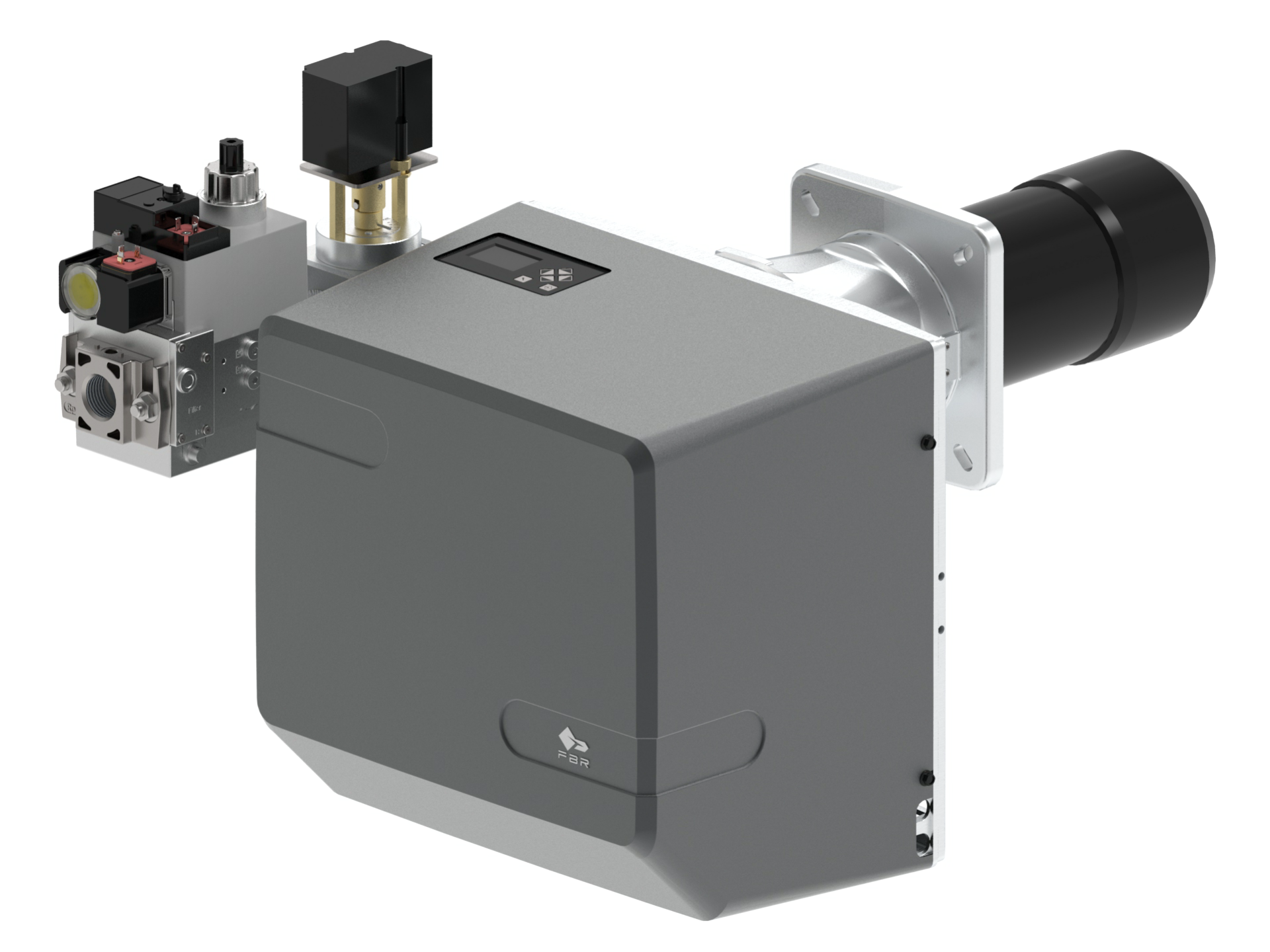
Modern industry applications for gas burners require sophisticated control capabilities that balance automation, efficiency, and safety—particularly in global markets with varying regulatory frameworks. The FBR BURNER GAS X5/MF TL EL VC LPG represents a next-generation solution addressing these complex requirements.
This burner system enables modulating (PID fully modulating) combustion control when equipped with optional modulation kits and temperature probes. For procurement engineers, this capability transforms industry applications from on/off binary operations into proportional response systems that dramatically improve efficiency and reduce energy waste.
Key technical considerations for gas burner applications:
- Die-cast aluminum construction provides thermal stability and corrosion resistance—critical for operations in humid climates common across Southeast Asian and coastal markets
- High-pressurization fan design ensures complete combustion across varying inlet air conditions, addressing a major industry application challenge in high-altitude installations (above 800m elevation)
- LPG and natural gas compatibility expands deployment scope across emerging markets where LPG infrastructure dominates energy supply chains
- Optional modulation capability allows procurement teams to phase in control sophistication—deploying base units initially with upgrade pathways as operational needs evolve
Global deployment strategy: The modulating control application demands environmental consideration. In regions with high ambient temperatures (>40°C), ensure your procurement specification includes thermal protection packages. Many oversized burner installations in Middle Eastern and African markets fail because procurement engineers underestimate solar heat gain on combustion air intake systems.
When integrating this burner into existing systems, verify your electrical supply meets the modulation kit's requirements. The optional PID control hardware typically requires 230V single-phase supply in European markets and 120V in North American installations—a critical procurement consideration often overlooked during multi-region rollouts.
Pressure System Management Through Strategic Component Selection
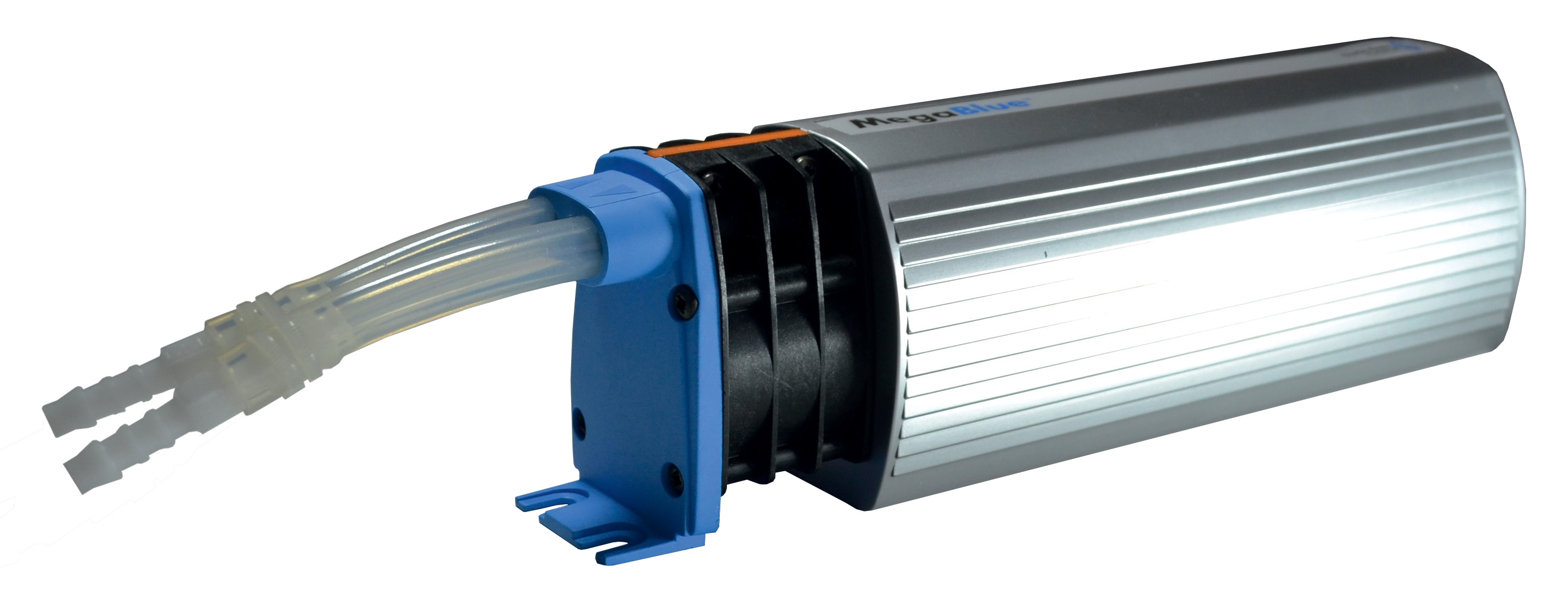
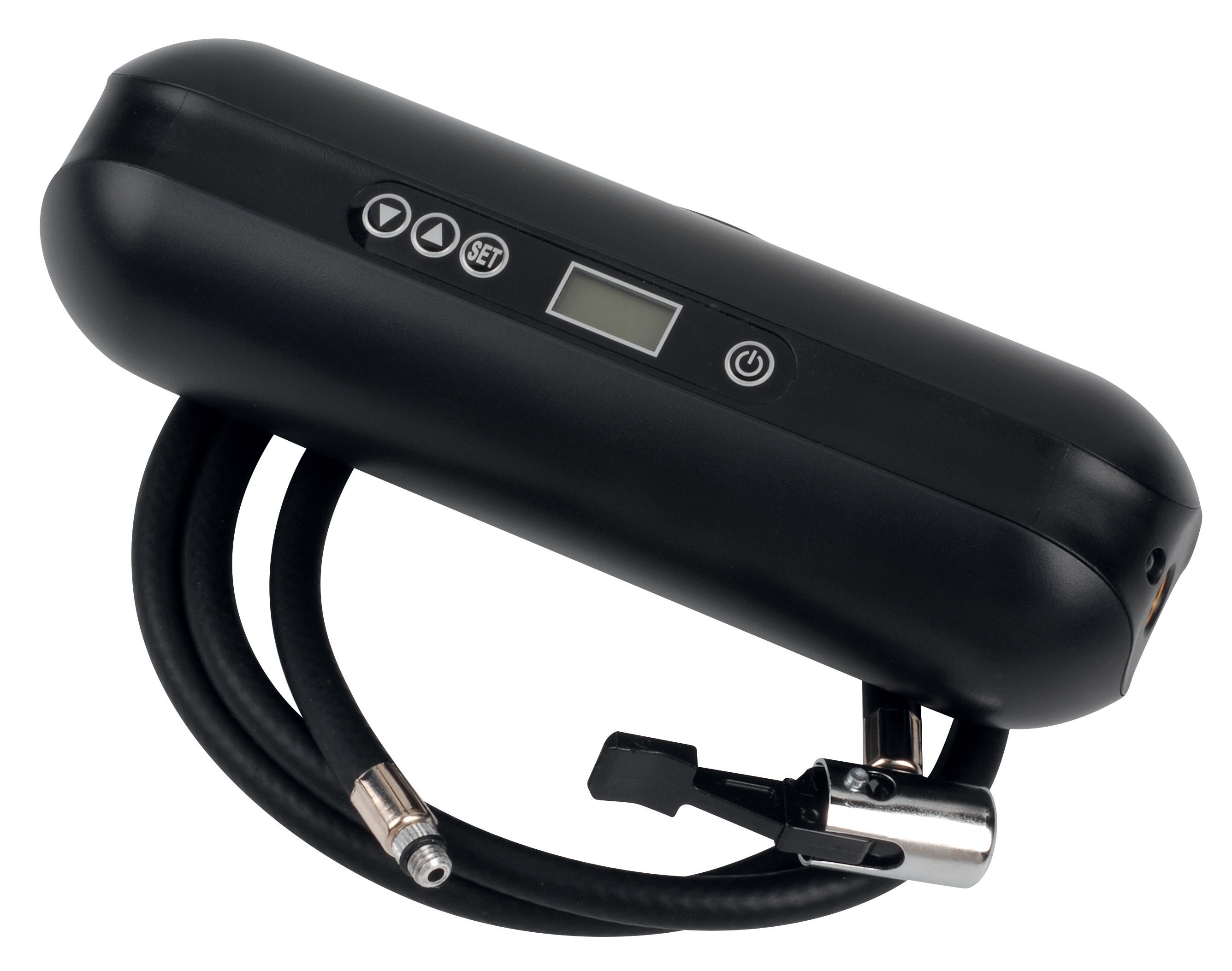
Industry applications for pressurized fluid systems—whether heating loops, thermal storage, or process fluids—demand robust pressure management infrastructure. The CBM Expansion tank inflator battery 2000 mAH and CBM Megablue reservoir alarm + shut-off X87-813 provide complementary solutions addressing mechanical pressure control and system safety monitoring.
Expansion tanks serve critical industry applications by accommodating thermal volume changes—preventing system overpressurization as fluids heat and contract during operational cycles. The inflator battery function enables field pre-charging adjustment, a procurement advantage when deploying systems across elevation ranges or regions with extreme seasonal temperature variation.
Procurement considerations for expansion tank applications:
- Pre-charge verification: Systems deployed in high-altitude locations (>1500m) require lower pre-charge pressures to prevent nuisance relief valve opening. The 2000 mAH capacity provides sufficient inflation capability for systems up to approximately 200-liter primary volumes—verify your system configuration against published capacity curves
- Thermal expansion calculation: Procurement teams must calculate expected volume change for your fluid type. Mineral oil exhibits 0.7% volumetric expansion per 10°C temperature rise—significantly different from water/glycol mixtures (0.4%) or synthetic fluids (0.8%). This determines your expansion tank sizing and pre-charge requirements
- Battery maintenance planning: The rechargeable battery design enables pressure restoration during system operation. However, global procurement should account for regional battery disposal regulations—some markets mandate certified recycling, affecting long-term ownership costs
The Megablue reservoir alarm + shut-off system addresses critical industry applications in safety and compliance. This integrated solution monitors fluid levels while providing automatic system shutdown when thresholds are breached—essential for:
- Unattended remote installations (oil refineries, district heating networks)
- Regulatory compliance in jurisdictions requiring automatic safety interlocks (EU Industrial Safety Directive, ASME Boiler and Pressure Vessel Code)
- Preventing catastrophic fluid loss that would damage pumps, burners, and heat exchangers
Implementation best practice: The alarm + shut-off combination requires careful electrical integration. When procuring for multiple regions, specify the control voltage range (typically 24VDC or 230VAC) matching your system's safety controller architecture. A common deployment error involves purchasing single-voltage units for mixed-specification global rollouts, resulting in costly retrofit requirements.
Global Industry Applications: Procurement Strategy for Multi-Region Deployment
Successful industry applications across global markets demand procurement strategies that balance standardization with regional adaptation. 3G Electric's experience serving industrial operators across 50+ countries reveals consistent patterns in deployment success and failure.
Strategic procurement framework:
1. Specification harmonization: Select core component families offering regional variants (like the CBM nozzle range) rather than entirely different product lines. This approach simplifies spare parts management, technician training, and performance monitoring across your global footprint.
2. Environmental adaptation matrix: Create procurement decision trees addressing installation environment:
- Tropical/humid regions: Specify stainless steel fasteners and corrosion-resistant coatings (affecting CBM component selection)
- High-altitude locations (>1500m): Pre-charge expansion tanks lower and specify burners with altitude-compensating combustion air management
- Regions with unstable electrical supply: Include surge protection and voltage conditioning for modulating burner control systems
- Areas with extreme seasonal temperature variation: Oversizing expansion tank capacity by 15-20% provides operational margin
3. Regulatory compliance mapping: Document the applicable standards for each deployment region:
- European Union: CE marking required; compliance with EN 303-1 (boiler efficiency), EN 676 (gas burners), EN 734 (nozzles)
- United Kingdom: Post-Brexit compliance with BS standards and UKCA marking requirements
- North America: UL certification for burners, compliance with ASME standards for pressure vessels and expansion tanks
- Asia-Pacific: Regional variations—Singapore requires PUB approval for water system components; Australia mandates WaterMark certification
4. Lead time and supply chain resilience: The CBM and FBR product families benefit from established European manufacturing, but procurement timing matters significantly. Global supply chain disruptions have lengthened lead times from 6-8 weeks to 12-16 weeks for some specialized nozzle variants. Build procurement timelines with 20% contingency buffer for multi-region deployments.
5. Total cost of ownership analysis: When comparing component options for industry applications, extend analysis beyond unit cost:
- Higher-index nozzles (055 vs. 25) cost 15-20% more but may reduce energy consumption by 8-12% through improved atomization—a significant advantage in continuous-operation applications
- Modulating burners command premium pricing but deliver 20-30% energy savings versus on/off operation in partial-load scenarios common in seasonal applications
- Integrated alarm + shut-off systems cost more initially but eliminate the need for separate safety controllers, reducing electrical integration complexity and failure points
Key Takeaways: Industry Applications Best Practices
- Nozzle selection drives atomization quality: Match index ratings (25 vs. 055) to your system's actual operating pressure and flow requirements, not theoretical maximums. Request manufacturer flow curves to validate specification decisions.
- Modulating burner control transforms efficiency: The optional PID control capability on gas burners enables proportional response that reduces energy waste in partial-load scenarios—particularly valuable for seasonal applications across global markets.
- Pressure management requires integrated solutions: Expansion tanks and alarm systems work together to prevent overpressurization and catastrophic failures. Pre-charge verification and safety integration are non-negotiable for reliable global deployment.
- Regional adaptation prevents costly retrofits: Environmental factors (humidity, altitude, temperature extremes) and regulatory requirements vary significantly across global markets. Build these considerations into your procurement decision framework from the outset.
- Supply chain resilience matters: Plan procurement timelines with contingency buffers for complex global deployments. The established European manufacturing base provides reliability but requires forward planning in competitive markets.
Next Steps: Implementing Industry Applications Across Your Organization
Moving from procurement specification to successful installation and operation requires structured execution. Begin by conducting a requirements assessment for your specific industry applications—documenting operating pressures, fluid types, ambient conditions, and regulatory constraints across each deployment region. This foundation enables effective specification of CBM nozzles, FBR burners, and integrated safety systems aligned to actual operational demands.
3G Electric's technical team stands ready to support your industry applications implementation. As an experienced global distributor with 35+ years serving industrial operations, we provide specification review, application engineering, and regional compliance guidance to ensure your procurement investments deliver expected performance and reliability.