Industry Applications for Combustion Control and Fluid Management Systems: A Global Operations Guide
Industry applications for modern combustion and fluid management equipment have become critical differentiators for plant managers seeking operational efficiency, safety compliance, and cost reduction across global markets. Whether you're managing thermal systems in a food processing facility, hospitality venue, or manufacturing plant, understanding how precision components like modulating gas burners, flat jet nozzles, and intelligent reservoir systems work in real-world conditions directly impacts your bottom line and regulatory standing.
With over 35 years as an global industrial equipment distributor, 3G Electric has supported thousands of plant managers in implementing industry applications that reduce downtime, improve fuel efficiency, and strengthen safety protocols. This technical explainer examines where these critical systems operate, why they matter, and how to evaluate them for your specific operational needs.
Industry Applications in Food Processing and Beverage Manufacturing
Food processing facilities represent one of the most demanding environments for combustion control systems. These operations require precise heat management for pasteurization, sterilization, cooking, and drying processes—where temperature deviation of even 2-3°C can compromise product quality or safety compliance.
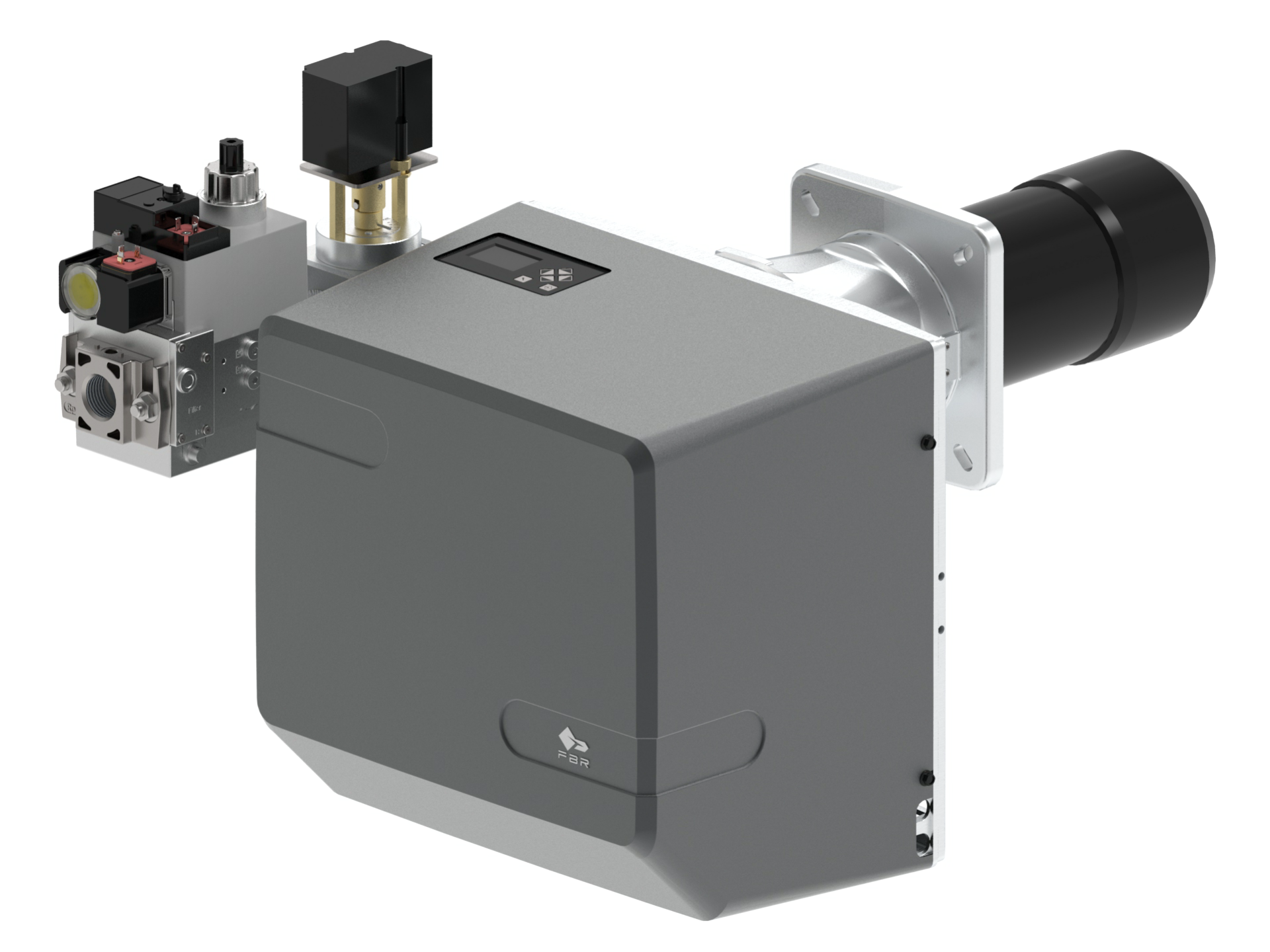
The FBR BURNER GAS X5/MF TL EL VC LPG exemplifies modern industry applications in this sector. This fully modulating gas burner, when equipped with optional PID (Proportional-Integral-Derivative) control and modulation kit with temperature probe, automatically adjusts fuel flow to maintain precise setpoints throughout production cycles. Plant managers in beverage pasteurization plants report 15-18% fuel savings compared to on-off burner systems, translating to significant operational cost reduction.
Precision components like the CBM Flat jet nozzle HP 1/4"M BSPT index 25 angle 15° and CBM Flat jet nozzle HP 1/4"M BSPT index 055 angle 15° serve critical functions in these applications. These flat jet nozzles atomize fuel oil or water-based coolants with precise spray angles and flow rates, ensuring uniform heat distribution in thermal chambers. The index specifications (25 and 055) accommodate different capacity requirements—index 25 for standard operations and index 055 for higher-capacity systems—allowing plant managers to right-size equipment for specific production volumes.
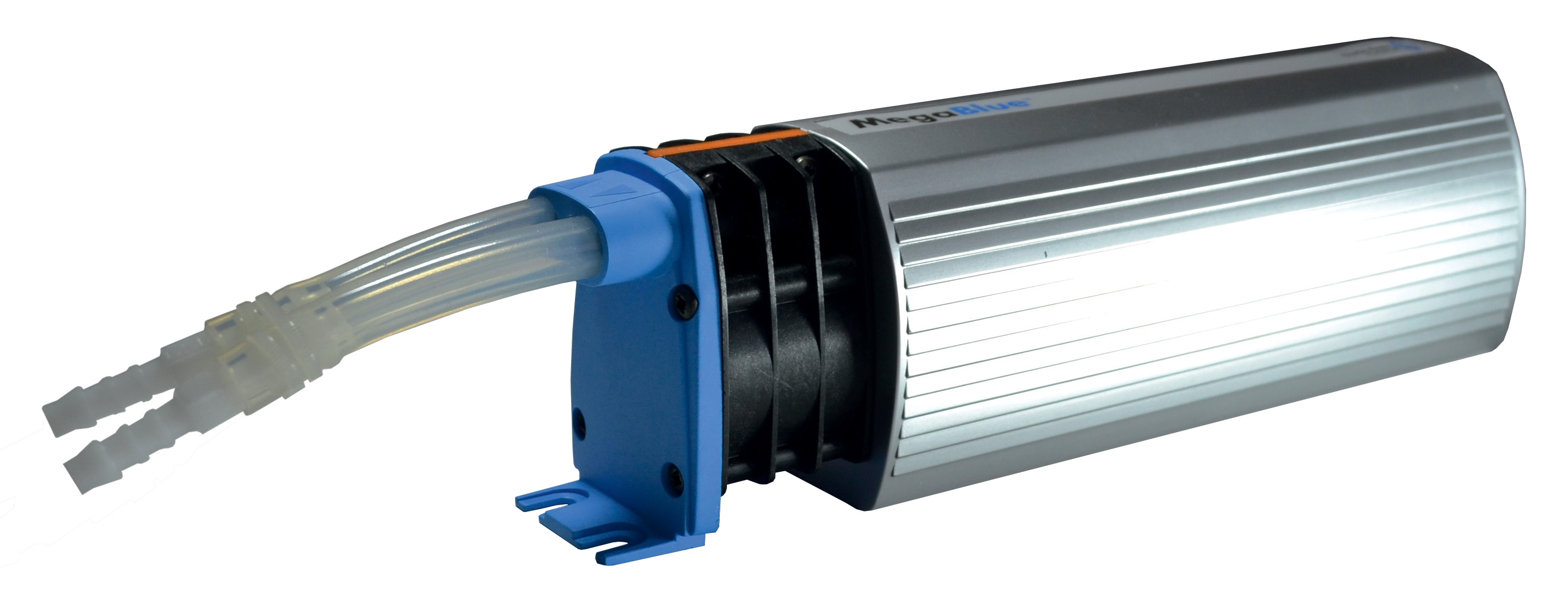
The CBM Megablue reservoir alarm + shut-off X87-813 adds safety intelligence to these systems. Modern food processing regulations (including HACCP and FDA requirements) demand documented monitoring of thermal fluid levels and temperature. This intelligent alarm system automatically triggers shutdown if fuel levels drop below safe operating thresholds, preventing equipment damage and production interruptions.
Industry Applications in Hospitality and Institutional Facilities
Hotels, hospitals, universities, and large institutional complexes operate 24/7 thermal systems that demand reliability and precision. These facilities typically manage multiple boiler systems, hot water generation, and heating systems simultaneously—requiring equipment that performs consistently across varying demand profiles.
Modulating burner systems directly address the operational reality of hospitality environments, where thermal demand fluctuates hourly. A 300-room hotel might require full heating capacity at 6 AM when guests shower, significantly reduced capacity by midday, and intermediate capacity during evening service—all within a single operating day. The FBR GAS X5/MF burner's modulating capability (0-100% capacity range with PID control) matches fuel consumption to actual demand, preventing the energy waste of fixed-capacity burners cycling on and off.
Industry applications in hospitals present unique challenges: uninterrupted hot water supply, sterile steam generation for sterilization systems, and precise temperature control for diagnostic equipment. Facility managers in leading European hospital networks report that modulating combustion systems reduced fuel consumption by 22-25% while improving temperature stability for sensitive laboratory equipment.
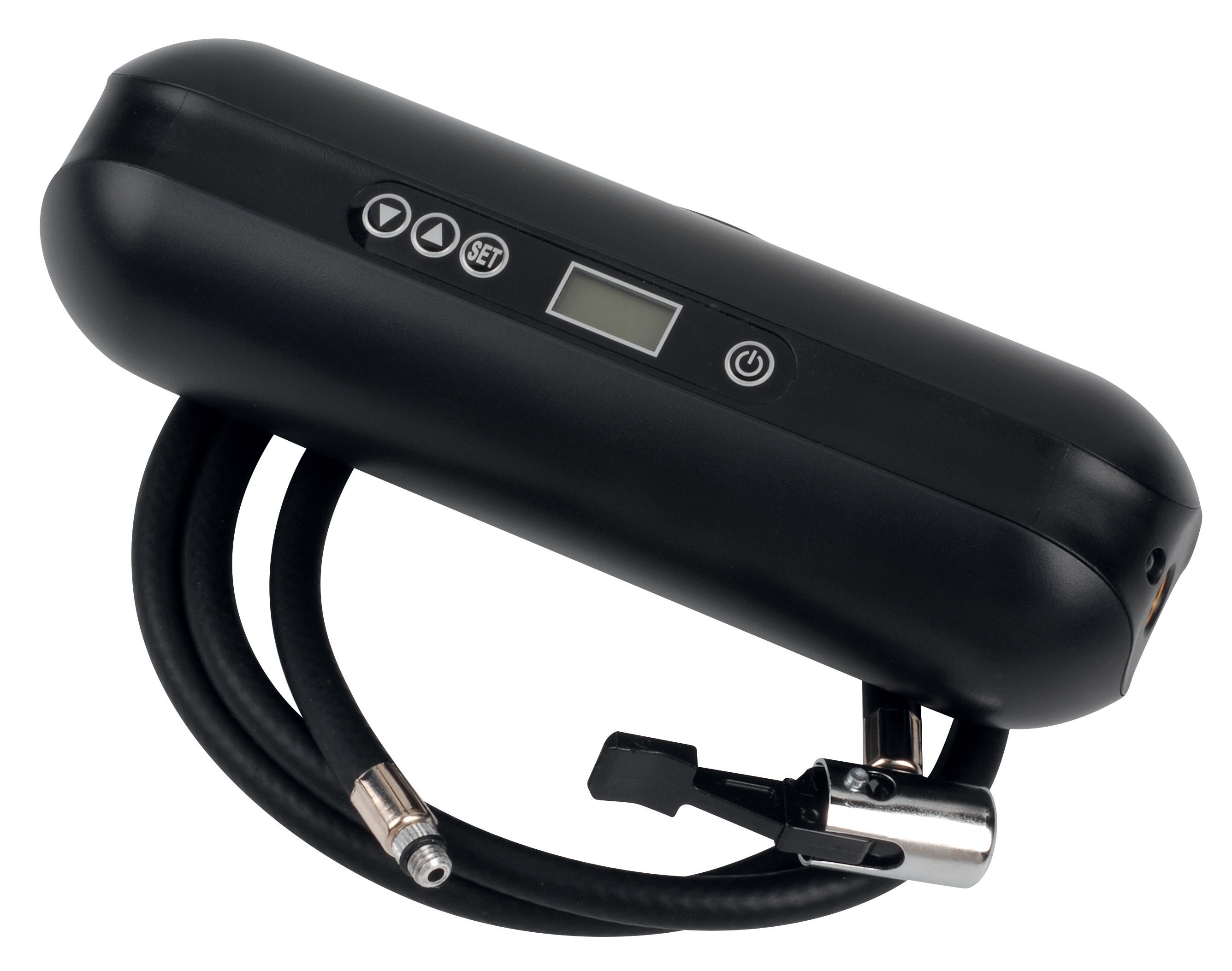
The expansion tank components—specifically the CBM Expansion tank inflator battery 2000 mAH—prove essential in these applications. Thermal systems experience pressure fluctuations as water heats and cools throughout daily cycles. The battery-powered inflator maintains proper pressure cushions in expansion tanks, preventing pressure spikes that damage boilers and pipes. Industry standards (ISO 4413 for hydraulic systems, EN 12098 for building automation) emphasize proper expansion tank maintenance; this intelligent inflator automates that critical function.
Industry Applications in Manufacturing and Industrial Processing
Manufacturing plants operating metal heat treatment, chemical processing, textile dyeing, or rubber vulcanization rely on thermal systems as core production equipment. In these sectors, equipment downtime translates directly to lost revenue—a 4-hour production halt might represent $50,000-$200,000 in lost output.
Industry applications in manufacturing emphasize reliability and repeatability. Modulating gas burners eliminate the temperature oscillation characteristic of on-off systems, where combustion alternates between full fire and complete shutdown. Precision flat jet nozzles ensure consistent fuel atomization across hundreds of operating hours, maintaining combustion efficiency and product quality consistency.
The technical specifications matter significantly here. A CBM flat jet nozzle with index 25 provides specific capacity and spray angle for standard industrial applications, while higher-index variants serve specialty processes. Plant managers must match nozzle specifications to fuel type (light oil, heavy oil, or gas), operating pressure, and required flow rate—typically documented in equipment datasheets referencing ISO 6025 (fuel nozzle standardization).
Safety equipment like the Megablue reservoir alarm system prevents catastrophic equipment failures. Manufacturing facilities operating thermal systems under pressure (10-25 bar in typical industrial boilers) face serious risks if fluid levels drop below minimum thresholds. Low-fluid operation creates cavitation, causes bearing damage, and can lead to complete system seizure. Automatic shutdown protection isn't optional—it's a critical risk management requirement reflected in ASME boiler and pressure vessel codes.
Evaluating Industry Applications for Your Specific Operations
Successful implementation of combustion control and fluid management systems requires matching equipment specifications to your operational profile. Plant managers should evaluate five critical factors:
1. Demand Profile Assessment
Document your facility's thermal demand across 24-hour cycles and seasonal variations. Does demand remain relatively constant (favoring efficient modulating systems) or fluctuate significantly (making modulation ROI stronger)? Facilities with 40-60% capacity utilization average realize 18-22% fuel savings from modulating systems; those operating consistently near full capacity see 8-12% savings.
2. Fuel Type and Supply Reliability
The FBR GAS X5/MF burner operates on LPG (propane) with specific combustion characteristics. Alternative models serve natural gas or liquid fuel applications. Assess your fuel supply reliability—regions with frequent supply interruptions benefit from systems with integrated pressure regulation and modulation kits that maintain performance despite supply fluctuations.
3. Precision Requirements
Food processing, pharmaceuticals, and semiconductor manufacturing demand temperature stability within ±1-2°C. General heating applications tolerate wider ranges. Nozzle selection (index and spray angle specifications) directly influences combustion uniformity; precise applications justify premium components ensuring consistent atomization.
4. Regulatory and Safety Compliance
Facilities in EU markets must comply with EN 12098 (building automation controls), EN 676 (burner safety), and PED 2014/68/EU (pressure equipment). North American facilities reference ASME codes and ANSI/CSA standards. Intelligent reservoir monitoring systems (like the Megablue alarm) provide documented compliance evidence during regulatory inspections.
5. Total Cost of Ownership (TCO)
Initial equipment cost represents only 25-30% of TCO across a 10-year operational period. Fuel consumption, maintenance labor, and downtime costs dominate. Modulating systems with precision components typically recover their premium cost within 2-3 years through fuel savings, providing 7-year net savings of $40,000-$80,000 for medium-capacity systems (500-2000 kW thermal output).
Implementation Roadmap for Plant Managers
Deploying new combustion control systems requires structured planning. Industry best practices recommend:
Phase 1: Baseline Documentation (Week 1-2)
Document current thermal load profiles, fuel consumption, and equipment specifications. Identify bottlenecks: Is temperature stability poor? Are fuel costs rising? Do pressure spikes occur regularly? This baseline justifies investment and establishes performance metrics.
Phase 2: Equipment Specification (Week 3-4)
Work with your equipment distributor to select appropriate components. Specify nozzle indices based on required flow rates and spray patterns. Verify burner modulation capabilities match your control system. Confirm expansion tank sizing follows EN 12098 or equivalent standards.
Phase 3: Installation and Commissioning (Week 5-8)
Professional installation ensures proper combustion chamber geometry, fuel line sizing, and control system integration. Commissioning must include temperature stability testing across partial and full load conditions, and verification of alarm system functionality.
Phase 4: Staff Training and Monitoring (Ongoing)
Plant operators require training on modulating system operation, alarm response procedures, and maintenance intervals. Initial 3-month monitoring validates fuel savings projections and identifies optimization opportunities.
Key Takeaways: Industry Applications for Global Plant Managers
- Modulating Gas Burners (PID Control): Reduce fuel consumption 15-25% versus on-off systems through continuous capacity adjustment; essential for facilities with variable thermal demand
- Precision Flat Jet Nozzles: Ensure combustion uniformity and maintain efficiency across hundreds of operating hours; specification selection (index 25, 055, spray angle) directly impacts product quality consistency
- Intelligent Reservoir Monitoring: Prevent catastrophic equipment failures through automatic low-level shutdown; provide compliance documentation for regulatory inspections
- Expansion Tank Systems: Maintain pressure stability across thermal cycles; battery-powered inflators eliminate manual maintenance and prevent pressure-related equipment damage
- Right-Sizing Equipment: Match component specifications to your operational profile; correct sizing recovers capital investment within 2-3 years through fuel savings and reduced downtime
Partner with 3G Electric for Industry Applications Support
Implementing combustion control and fluid management systems requires more than component selection—it demands expertise in regulatory compliance, equipment integration, and operational optimization. As an global industrial equipment distributor with 35+ years serving plant managers across manufacturing, food processing, hospitality, and institutional sectors, 3G Electric provides:
Technical Specification Support: Our engineers help you select appropriate nozzle indices, burner modulation capabilities, and pressure equipment components for your specific applications and regional compliance requirements.
Authorized Equipment Supply: We maintain stock of CBM precision nozzles, FBR modulating burners, and Megablue safety systems, with expedited shipping available globally.
Implementation Guidance: From baseline documentation through commissioning and staff training, we support your project roadmap to ensure successful deployment and performance validation.
Ongoing Support: Maintenance schedules, spare parts availability, and performance monitoring help maximize your equipment's operational lifespan and return on investment.
Contact 3G Electric today to discuss your facility's thermal system requirements and explore how modern industry applications in combustion control and fluid management can reduce your operational costs while strengthening safety compliance.