Understanding Industry Applications in Multi-Fuel System Selection
Industry Applications for modern manufacturing and HVAC systems demand rigorous specification processes that balance performance, regulatory compliance, and total cost of ownership. As a procurement engineer evaluating equipment for deployment across global markets, you must understand how diverse industrial applications—from high-pressure water systems to modulating gas burner installations—interact within integrated solutions.
With 3G Electric's 35+ years of experience distributing industrial equipment worldwide, we've identified that successful multi-fuel system deployments begin with comprehensive application mapping. Whether you're sourcing components for process heating, facility climate control, or pressurized fluid delivery systems, the specification process follows consistent principles that transcend geographic boundaries.
The critical difference between standard procurement and Industry Applications specification lies in understanding component interdependencies. A gas burner system isn't merely a combustion device—it's part of an ecosystem that includes precision fuel nozzles, system monitoring, pressure management, and safety integration. This holistic approach ensures your equipment investments perform reliably across varying operational demands and regional regulations.
Mapping Application Requirements and Component Interoperability
The first step in specifying Industry Applications involves detailed application mapping that documents operational parameters, environmental constraints, and integration requirements. Create a specification matrix that captures:
Operational Demands:
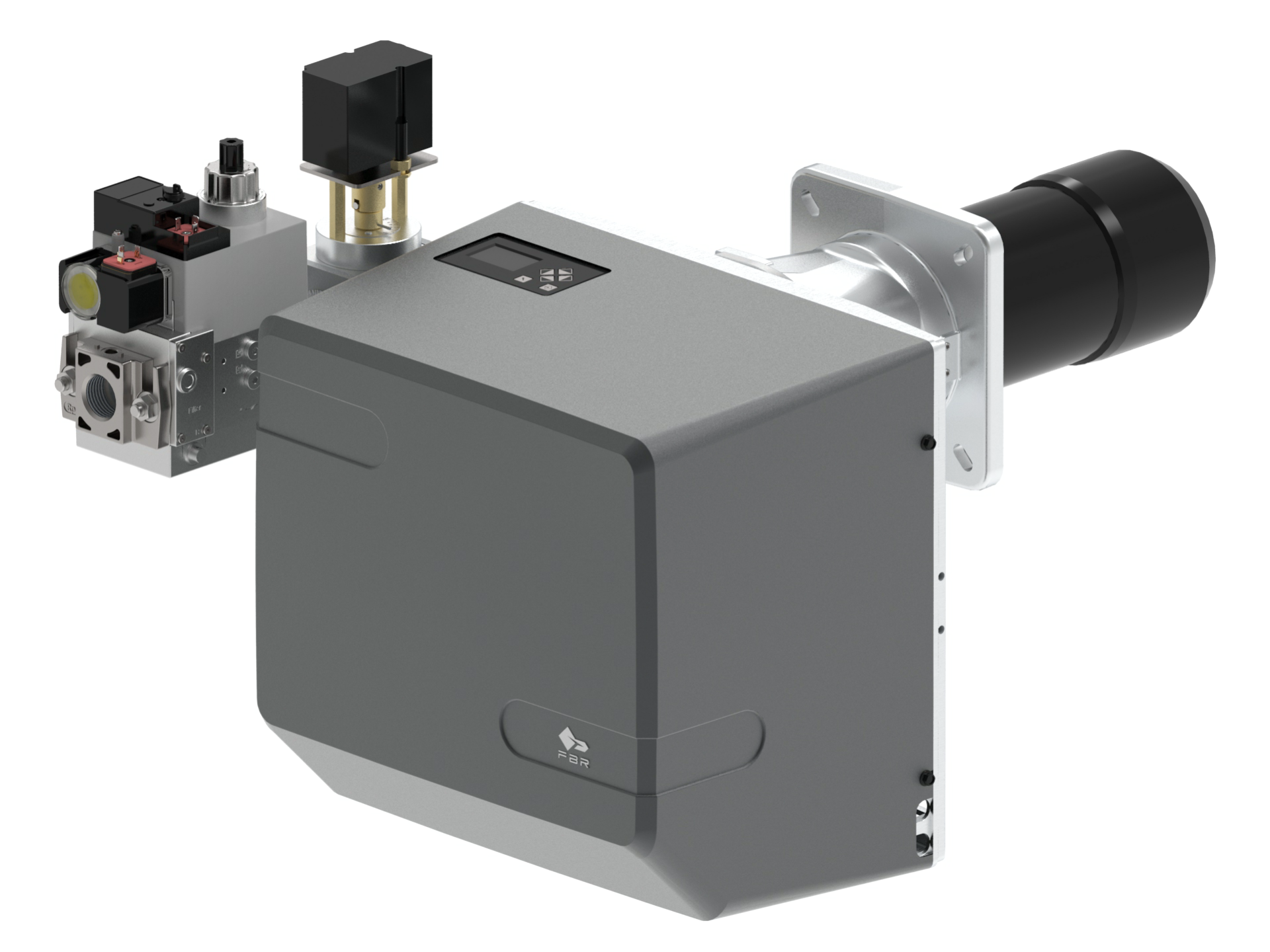
- Required heat output and modulation range (particularly critical for systems requiring PID-controlled modulating burners like the FBR BURNER GAS X5/MF TL EL VC LPG)
- Fuel type(s) available in your target market (LPG, natural gas, dual-fuel capability)
- System runtime profiles and load variations
- Required response times for temperature or pressure adjustments
- Regional emissions standards and burner certification requirements
- Climate conditions (temperature extremes, humidity, altitude)
- Space constraints and installation accessibility
- Local fuel supply reliability and distribution infrastructure
- Existing control system compatibility (legacy PLC systems, modern IoT platforms)
- Safety system requirements (shutdown sequences, alarm protocols)
- Monitoring and diagnostics capabilities needed for remote fleet management
- Expansion potential for system scaling
For high-pressure applications requiring precision spray patterns, your nozzle selection becomes critical. The CBM Flat jet nozzle HP 1/4"M BSPT index 25 angle 15° and CBM Flat jet nozzle HP 1/4"M BSPT index 055 angle 15° serve different application windows—your index and angle selections directly impact combustion efficiency and burner performance. Index 25 configurations support higher flow rates with wider spray angles, while index 055 nozzles deliver narrower, more concentrated patterns suitable for compact burner geometries or specific heating applications.
Component interoperability verification requires cross-referencing manufacturer datasheets against your system architecture. Document pressure ratings, connection thread types (note the 1/4"M BSPT specifications), and flow capacity ranges. This prevents costly field modifications and ensures first-time installation success across your global supply chain.
Pressure Management and System Monitoring Integration
Pressurized systems require sophisticated management infrastructure that extends beyond component selection into continuous monitoring and safety protocols. Industry Applications in pressurized environments demand attention to expansion dynamics, pressure relief, and system diagnostics.
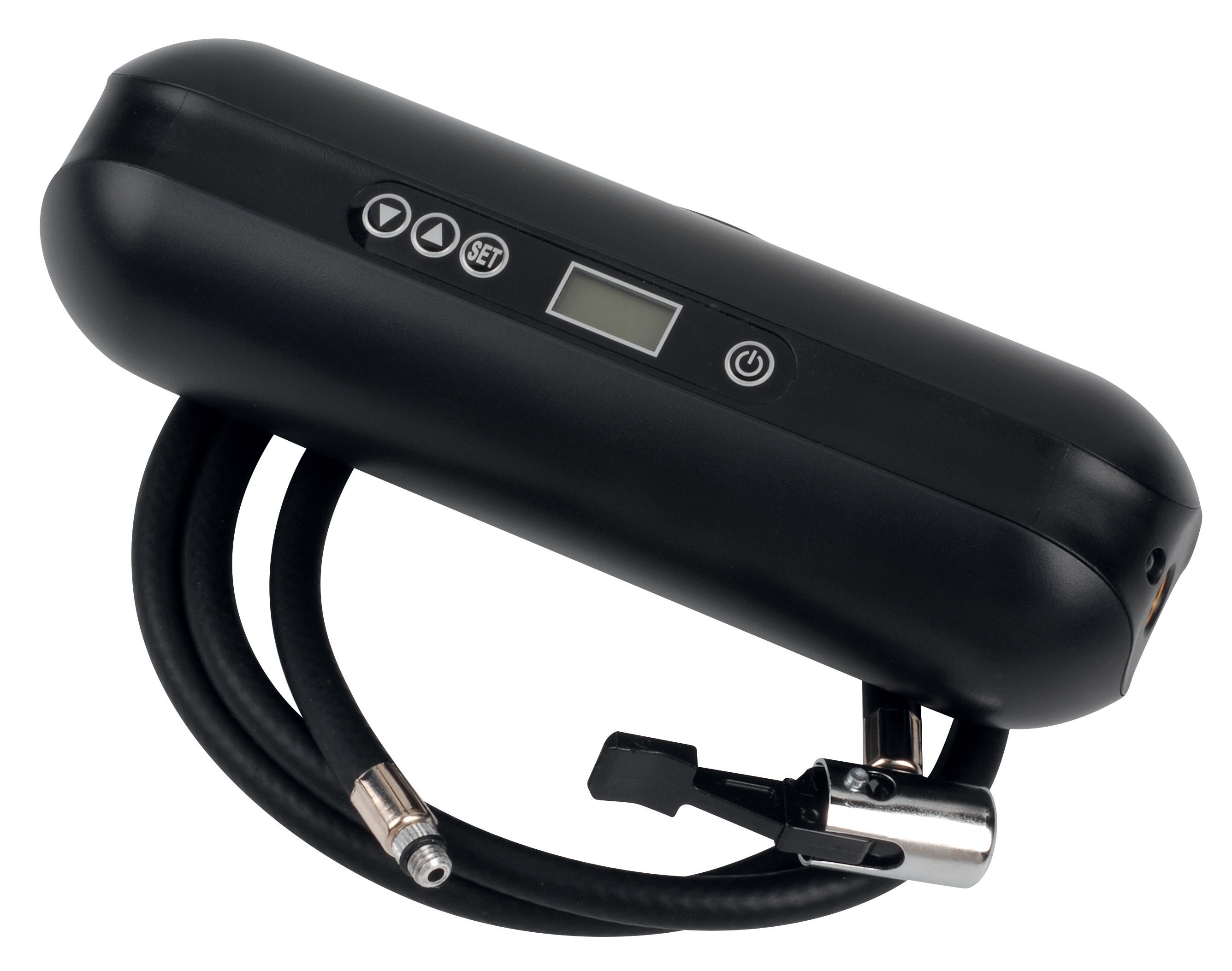
Expansion tank sizing and inflation represents a frequently overlooked specification aspect. The CBM Expansion tank inflator battery 2000 mAH enables field technicians to maintain proper expansion tank pre-charge across diverse climates and operating conditions. In global deployments, temperature variations between installation and operational regions can significantly impact system pressure stability. A 2000 mAH battery-powered inflator ensures your technical teams maintain proper pre-charge without requiring external power sources—critical for installations in remote facilities or regions with unreliable electrical infrastructure.
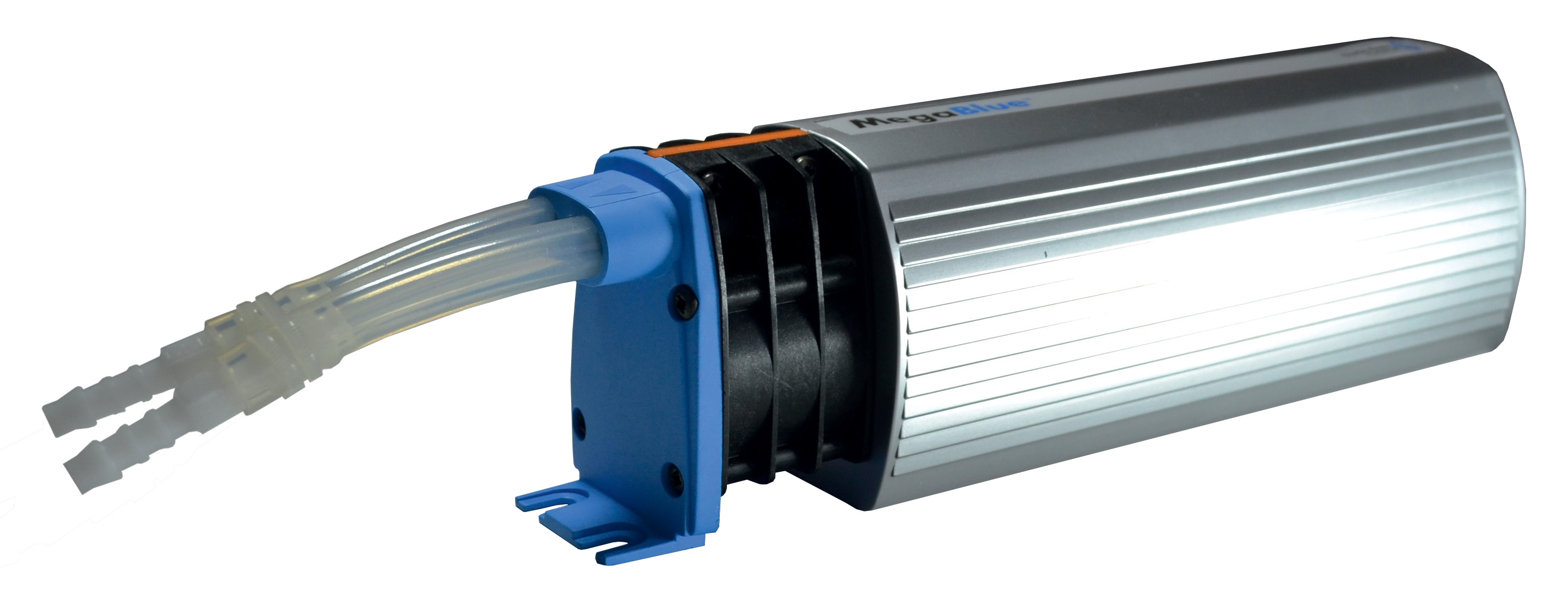
System monitoring architecture should integrate alarm and shutdown capabilities that respond to multiple failure modes. The CBM Megablue reservoir alarm + shut-off X87-813 provides dual functionality essential for unattended or remotely-managed systems:
- Alarm Generation: Real-time alerts for abnormal fluid levels, temperature deviations, or pressure anomalies
- Automatic Shutdown: Failsafe mechanisms that terminate system operation before catastrophic failures propagate
- Data Logging: Historical performance data supporting predictive maintenance and regulatory compliance documentation
When specifying alarm and shutdown systems, document the specific failure conditions requiring automatic response. Different applications demand different sensitivity levels—high-temperature industrial processes may tolerate brief pressure excursions, while climate control systems require immediate shutdown on safety violation. Your procurement specifications must clearly define these operational parameters to ensure alarm thresholds are properly configured during commissioning.
Pressure management extends to fluid conditioning and quality maintenance. Specify filtration requirements based on component sensitivity and system duty cycle. High-pressure nozzles and modulating burner systems require clean fuel supply—particulate contamination causes spray pattern degradation and combustion instability. Integrate fluid analysis protocols into your predictive maintenance program, particularly for systems operating in dusty or contaminated environments.
Global Deployment Strategy and Regulatory Compliance
Successful Industry Applications across multiple regions requires systematic approaches to regulatory compliance, supply chain logistics, and technical support infrastructure. Different markets enforce distinct certification requirements, emissions standards, and equipment labeling regulations that impact your sourcing strategy.
Regulatory Framework Assessment:
Before committing to component selections, validate certification status against regional requirements. European markets typically require CE marking under Machinery Directive 2006/42/EC and ATEX directives for equipment in hazardous locations. North American installations may require ANSI/NFPA standards compliance. Asian markets increasingly enforce national efficiency standards and emissions regulations. Your procurement process must include validation steps confirming that selected components carry appropriate certifications—not simply for initial installations, but for ongoing support and replacement part availability.
Document the relationship between component certifications and system-level compliance. A fully compliant burner system requires matching nozzle specifications, fuel train components, and control integration—you cannot simply substitute higher-performance nozzles without reassessing the complete system's certification status.
Supply Chain and Logistics Optimization:
Global Industry Applications deployment demands supply chain resilience strategies that account for component availability, shipping constraints, and technical support accessibility. Partner with distributors like 3G Electric who maintain regional inventory and understand local technical requirements. This reduces lead times for critical components and ensures genuine, warrantied equipment rather than potentially counterfeit alternatives from unreliable sources.
Specify components with standardized connection interfaces (1/4"M BSPT threads, standard NPT ports) to maximize cross-compatibility and reduce inventory complexity across multiple facilities. Proprietary connection types may offer marginal performance advantages but create significant logistics challenges in global operations.
Technical Support and Commissioning Infrastructure:
Establish relationships with authorized service partners in each target market before deployment. Equipment specifications should align with available technical expertise—selecting components without corresponding commissioning and maintenance capability creates operational risk. Document language requirements for technical documentation, operator training, and troubleshooting guides. Specify whether remote diagnostics or on-site support is feasible given local telecommunications infrastructure.
Incorporate commissioning checkpoints into your deployment timeline. High-pressure systems, modulating burner installations, and monitoring equipment require factory-trained technician validation before operational handoff. These activities cannot be compressed into tight deployment windows—plan 4-6 weeks for comprehensive commissioning, testing, and staff training at each new facility.
Validation Testing and Performance Documentation
Before full-scale deployment, conduct comprehensive validation testing that simulates operational conditions at each target facility. Document baseline performance metrics that enable you to identify performance degradation and schedule preventive maintenance.
Standard Validation Protocols:
- Pressure Response Testing: Verify system response times when switching between operational modes or load conditions
- Burner Performance Characterization: Confirm combustion efficiency and flame stability across the operating range, particularly important for modulating systems like the FBR BURNER GAS X5/MF TL EL VC LPG
- Nozzle Pattern Validation: Inspect fuel spray patterns to confirm proper atomization and combustion geometry
- Safety System Verification: Test alarm triggering, shutdown sequences, and failsafe operation under simulated failure conditions
- Environmental Performance: Document emissions levels, noise characteristics, and thermal efficiency
Maintain detailed records of validation testing. These documents support warranty claims, regulatory audits, and future performance comparisons. They also provide valuable training material for technical support teams and facility operators.
Ongoing Performance Monitoring:
Implement structured performance monitoring that captures trending data over extended operational periods. Compare actual performance against baseline validation results to identify component degradation, fouling, or calibration drift. This data drives predictive maintenance decisions and identifies reliability issues before failures impact production or facility operations.