Understanding Precision Spray Systems in Industry Applications
Precision spray and high-pressure cleaning systems represent critical infrastructure in modern industrial facilities. Whether you're managing food processing lines, manufacturing equipment, aerospace component cleaning, or precision surface preparation, the correct configuration of spray components directly impacts production quality, equipment reliability, and operational costs.
Industry applications demand spray systems that deliver consistent pressure, precise spray patterns, and reliable performance under demanding conditions. Plant managers must understand the relationship between coupling specifications, nozzle selection, pressure ratings, and mounting solutions to optimize system performance. With 35 years of experience serving global industrial distributors, 3G Electric has documented that improper spray system configuration results in 20-30% efficiency losses and accelerated component wear.
The foundation of any effective spray system begins with understanding your specific application requirements: the target surface, spray distance, pressure requirements, flow rate, spray pattern angle, and environmental conditions. These parameters directly determine which components you'll need and how they should be integrated into your existing infrastructure.
Selecting the Right Coupling for Your Spray System Configuration
The coupling represents the critical junction point between your pressure line and spray nozzle assembly. This connection must reliably handle rated pressure while allowing quick disconnections for maintenance and nozzle changes—essential for production flexibility.
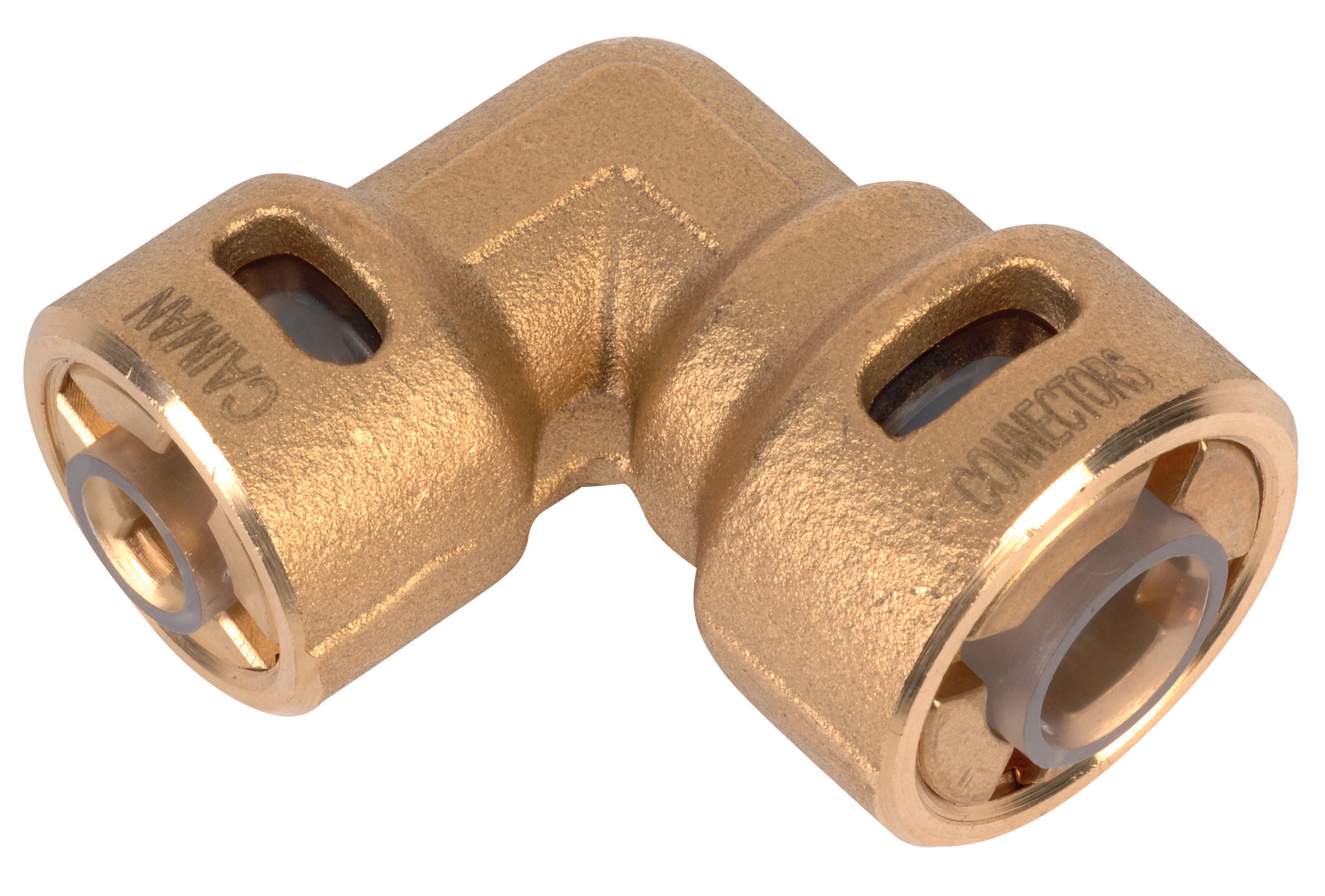
For most industrial spray applications, the CBM Quick coupling 90° pressure reduction 1/4*3/8 provides the ideal balance of compatibility and functionality. This coupling features a 90-degree elbow configuration, making it invaluable when space constraints exist near spray points. The pressure reduction design (reducing from 3/8" to 1/4") allows you to connect standard 1/4" nozzles while maintaining larger diameter feed lines that minimize pressure drop and heat generation.
Key coupling selection considerations for plant managers:
- Pressure Rating Verification: Always confirm the coupling's maximum working pressure exceeds your system's operating pressure by at least 25-30%. Most industrial spray systems operate between 50-150 bar, requiring couplings rated for 200+ bar.
- Material Compatibility: Quick couplings exposed to water, solvents, or corrosive cleaning agents should feature stainless steel or nickel-plated brass construction. Standard carbon steel may corrode within 6-12 months in humid environments.
- Flow Capacity: Calculate your required flow rate (liters/minute) and verify the coupling's flow specifications. Undersized couplings create dangerous backpressure and component stress.
- Connection Interface: Ensure BSPT (British Standard Pipe Taper) threads match your feed line connections. Mismatched threads compromise seal integrity and create safety hazards.
The elbow configuration deserves special attention because it eliminates the need for separate 90-degree bends downstream. This design reduces connection points, lowers pressure drop, and improves accessibility in tight spaces—particularly valuable in food processing lines, automotive assembly areas, and precision manufacturing environments.
Matching Nozzle Specifications to Your Application Requirements
Nozzle selection represents the most critical decision point because it directly determines spray pattern, impact force, and efficiency. Industrial applications demand specific nozzle characteristics that cannot be compromised without accepting significant performance degradation.
Three precision flat-jet nozzles serve distinctly different industrial applications:
For Fine-Precision Surface Work (Food, Pharmaceuticals, Electronics):
The CBM Flat jet nozzle HP 1/4"M BSPT index 055 angle 15° delivers a narrow 15-degree spray pattern with a low impact index (055), making it ideal for delicate surfaces. This configuration minimizes surface damage while providing adequate cleaning force for light residue removal. Use this nozzle when working with sensitive components, pre-wash applications, or situations where surface erosion must be avoided entirely.
For Standard Industrial Cleaning (Manufacturing, Metal Finishing):
The CBM Flat jet nozzle HP 1/4"M BSPT index 25 angle 15° represents the workhorse of industrial spray applications. The medium impact index (25) and 15-degree pattern deliver effective cleaning power while maintaining directional precision. This nozzle excels in production line washdown, equipment component cleaning, and routine maintenance operations where both efficiency and surface protection matter.
For Heavy-Duty Contamination Removal (Construction Materials, Surface Preparation):
The CBM Flat jet nozzle HP 1/4"M BSPT index 50 angle 40° features a wider 40-degree spray pattern and high impact index (50), designed for aggressive cleaning applications. The increased spray angle covers larger areas with greater impact force, making it suitable for rust removal, paint stripping, heavy soil elimination, and industrial surface preparation where maximum cleaning power justifies potential surface disruption.
Critical nozzle evaluation criteria for plant managers:
- Flow Rate Matching: Each nozzle has a specified flow rate at standard pressure (typically 70 bar). Verify this matches your system's capacity to avoid pressure fluctuations during operation.
- Pressure Drop Calculation: Flat-jet nozzles create specific pressure drops. Chart these values across your normal operating pressure range to ensure consistent performance throughout your equipment lifecycle.
- Spray Pattern Consistency: Index numbers directly correlate to impact force. Higher indices (40-60) deliver concentrated, powerful spray; lower indices (005-025) distribute force across larger areas more gently.
- BSPT Thread Compatibility: All three nozzles feature 1/4"M BSPT connections, ensuring compatibility with the standard coupling you've selected.
Selecting the wrong nozzle wastes 30-40% of your system's potential efficiency. Oversized nozzles in precision applications cause surface damage; undersized nozzles in heavy-duty applications fail to remove contamination adequately. Document each application's requirements and maintain a nozzle inventory organized by index and angle to enable rapid changes based on production demands.
Installing Mounting Infrastructure and System Integration
Proper mounting ensures spray nozzles remain in optimal position throughout extended production runs, maintaining consistent spray geometry and preventing drift that degrades cleaning quality.
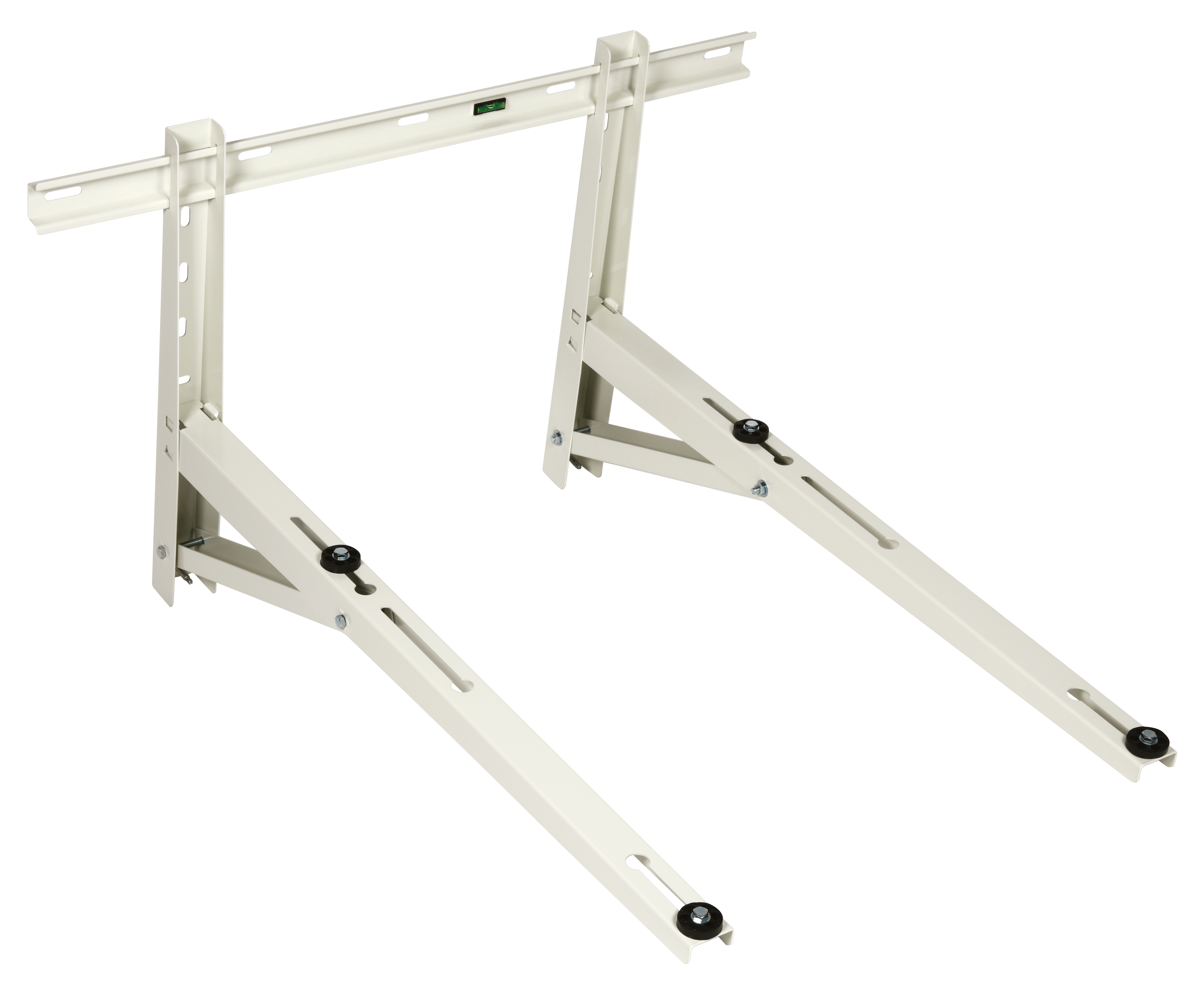
The CBM Wall bracket 1000 provides robust vertical support for your spray assembly. Rated for 1000-pound load capacity, this bracket accommodates fully pressurized systems with generous safety margins. Stainless steel construction resists corrosion in wet industrial environments, making it suitable for both indoor washdown stations and outdoor equipment cleaning areas.
System integration guidelines for plant managers:
1. Structural Assessment: Before installation, evaluate your mounting surface (wall, frame, or equipment structure). Ensure it can accommodate the bracket's rated load plus 2-3x the system's total weight when filled with fluid and pressurized.
2. Pressure Line Routing: Run feed lines from your pump/pressure source to the wall bracket with minimal bends. Use rigid tubing for sections under continuous pressure to reduce vibration and heat generation. Flexible hose works well for final connections to the spray assembly where movement accommodation is necessary.
3. Height and Angle Optimization: Mount the spray nozzle at a height and angle that optimizes operator safety and spray pattern effectiveness. For horizontal surfaces, mount 12-18 inches above the target. For vertical surfaces, position the nozzle 6-12 inches perpendicular to the surface.
4. Accessibility and Maintenance: Leave adequate space around the mounted assembly for technicians to access connections, change nozzles, and perform routine maintenance without removing the entire bracket. A minimum 18-inch clearance on all sides facilitates efficient service.
5. Pressure Release and Safety: Install a manual shut-off valve downstream of the coupling, accessible to operators. Include a pressure gauge at the nozzle connection point to monitor operating pressure and detect component wear or blockages immediately.
6. Vibration and Noise Management: Wrap pressure lines with foam insulation where they pass near operator work areas. This minimizes vibration transmission to the mounting structure and reduces noise levels in production environments.
Commissioning and Ongoing Performance Optimization
After installation, your spray system requires careful commissioning to establish baseline performance and identify optimization opportunities.
Initial commissioning steps:
- Operate the system at 50% maximum pressure for 2-3 minutes to verify all connections hold pressure without leaking
- Gradually increase pressure to full operating level while monitoring all joints for any signs of seepage
- Test the spray pattern against a test surface from your standard working distance
- Measure actual flow rate at operating pressure and compare against nozzle specifications
- Document baseline pressure, flow rate, and spray pattern quality
Inspect your spray system monthly for signs of coupling leakage, nozzle erosion, or pressure anomalies. Replace nozzles when spray pattern becomes irregular or uneven. Clean the coupling's quick-disconnect surfaces quarterly to prevent contamination buildup that compromises sealing integrity.
Particular attention should focus on the transition from your primary feed line through the coupling to the nozzle. Pressure drop exceeding 10-15 bar from the coupling inlet to nozzle outlet indicates potential blockage or nozzle wear. Address these issues immediately because they signal developing component failures.
Based on 3G Electric's 35 years of industrial equipment distribution, plant managers who document their spray system performance and conduct regular maintenance optimize equipment lifespan by 40-50% while maintaining consistent production quality.