Understanding Industry Applications in Modern Manufacturing
Industry Applications have evolved beyond traditional single-function equipment toward integrated modular systems that adapt to changing production demands. As procurement engineers responsible for equipment selection and operational continuity, understanding how mounting systems and precision nozzles function across different sectors allows you to make informed purchasing decisions that balance performance, flexibility, and total cost of ownership.
With 35+ years of experience as a global industrial equipment distributor, 3G Electric has supported procurement teams across manufacturing, automotive, food processing, pharmaceuticals, and heavy equipment sectors. The shift toward modular equipment architecture reflects a critical market need: the ability to rapidly reconfigure production lines without complete equipment replacement. Precision nozzle systems, combined with robust mounting solutions, form the backbone of this flexibility.
Modular Mounting Systems: Building Blocks for Operational Flexibility
Wall-Mounted Infrastructure and Space Optimization
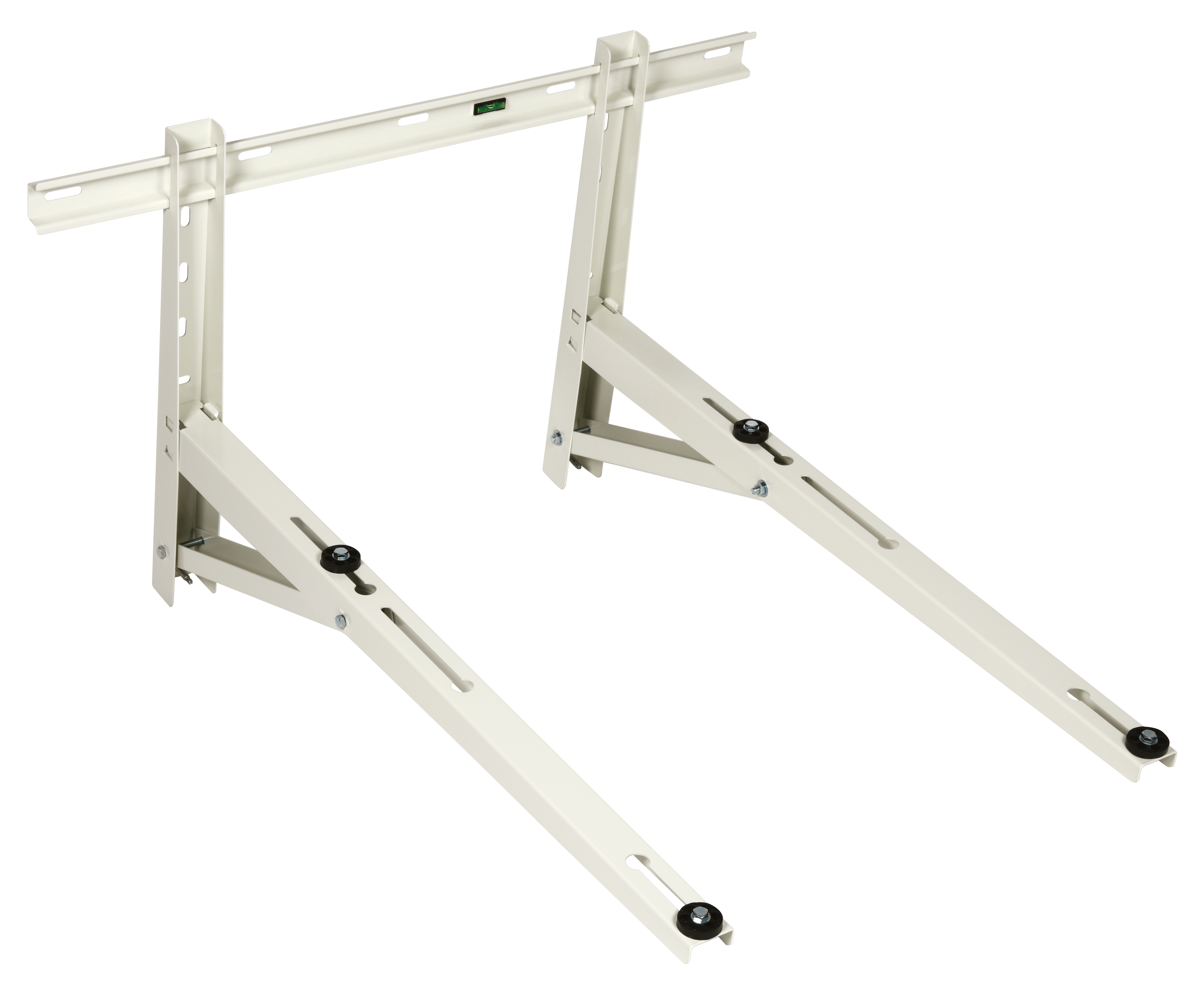
The CBM Wall bracket 1000 represents a critical component in modern industrial layout design. Procurement engineers increasingly specify wall-mounted infrastructure to maximize floor space while maintaining equipment accessibility for maintenance and cleaning operations.
In automotive assembly lines, equipment density directly impacts throughput. A wall-mounted bracket system allows you to:
- Eliminate floor clutter: Frees valuable production floor space for material movement and worker safety corridors
- Enable quick disconnection: Facilitate rapid equipment swaps during product changeovers
- Improve cleaning protocols: In food and pharmaceutical manufacturing, wall-mounted systems reduce bacterial harboring surfaces and accelerate sanitation cycles
- Reduce vibration transfer: Solid wall mounting minimizes vibration propagation compared to rolling cart systems
For procurement engineers evaluating facilities across multiple geographies, modular wall-mounting solutions provide standardization benefits. A facility in Germany operating similar equipment to a plant in Mexico can use identical mounting specifications, reducing spare parts inventory and training complexity.
Practical Integration Scenarios
Consider a beverage bottling operation requiring periodic spray system installation and removal. Wall-mounted brackets allow technicians to:
1. Install equipment without structural modifications
2. Remove systems for deep maintenance without production delays
3. Reconfigure for different product lines within hours rather than days
This flexibility translates directly to reduced change-over time, a critical KPI for facilities running multiple product SKUs on shared lines.
Precision Nozzle Systems: Tailoring Performance to Application Requirements
Understanding Nozzle Specifications and Selection Logic
Procurement engineers must navigate a complex landscape of nozzle options, each optimized for specific fluid dynamics and application requirements. The CBM TEC flat jet nozzle series illustrates the granular decision-making required for proper equipment specification.
Flow Rate and Pressure Classifications
The CBM Flat jet nozzle HP 1/4"M BSPT index 055 angle 15° operates at lower flow capacity (index 055) with a narrow spray angle (15°), making it ideal for:
- Precision cleaning in confined spaces
- Applications requiring concentrated impact force
- Systems with pressure-constrained input (lower flow reduces demand on pump capacity)
- Sensitive component cleaning where broad spray patterns cause damage
Conversely, the CBM Flat jet nozzle HP 1/4"M BSPT index 25 angle 15° provides higher flow capacity (index 25) while maintaining the narrow spray angle, suitable for:
- Medium-duty surface cleaning across larger areas
- Process applications requiring consistent fluid delivery
- Mixed-use facilities where single nozzles serve multiple functions
The CBM Flat jet nozzle HP 1/4"M BSPT index 50 angle 40° represents maximum flow capacity with a wider spray angle (40°), optimized for:
- Heavy-duty industrial cleaning (equipment degreasing)
- Broad coverage applications (wet cooling towers, dust suppression)
- High-volume production processes where contact time is minimized
- Applications where spray pattern width reduces the need for operator repositioning
Industry-Specific Nozzle Selection Framework
Automotive Manufacturing
Procurement specifications for automotive assembly typically demand the index 25 angle 15° configuration. Manufacturing plants require consistent, repeatable spray patterns for:
- Paint booth cleaning cycles
- Pre-welding component preparation
- Post-assembly equipment washing
The moderate flow capacity prevents excessive water consumption (critical in water-restricted regions like Southern Europe and Southeast Asia), while the focused spray pattern ensures efficient cleaning without environmental overspray.
Food and Beverage Processing
Hygienic processing lines frequently specify the index 055 angle 15° nozzles mounted on robotic arms. The narrow, high-impact spray pattern:
- Reaches crevices in complex product contact equipment
- Minimizes water usage per cleaning cycle
- Reduces aerosol generation (important in facilities with strict air quality protocols)
- Allows precise targeting of bacterial harboring surfaces
Job shops and contract manufacturers typically stock the index 50 angle 40° nozzles for general-purpose equipment cleaning. The broad spray angle and high flow capacity enable:
- Rapid equipment turnaround between jobs
- Operator efficiency (less repositioning required)
- Cost-effective cleaning (lower hourly labor input)
- Versatility across multiple job types
Quick-Coupling Integration: Enabling Rapid System Reconfiguration
The Role of Pressure-Reducing Couplers in System Flexibility
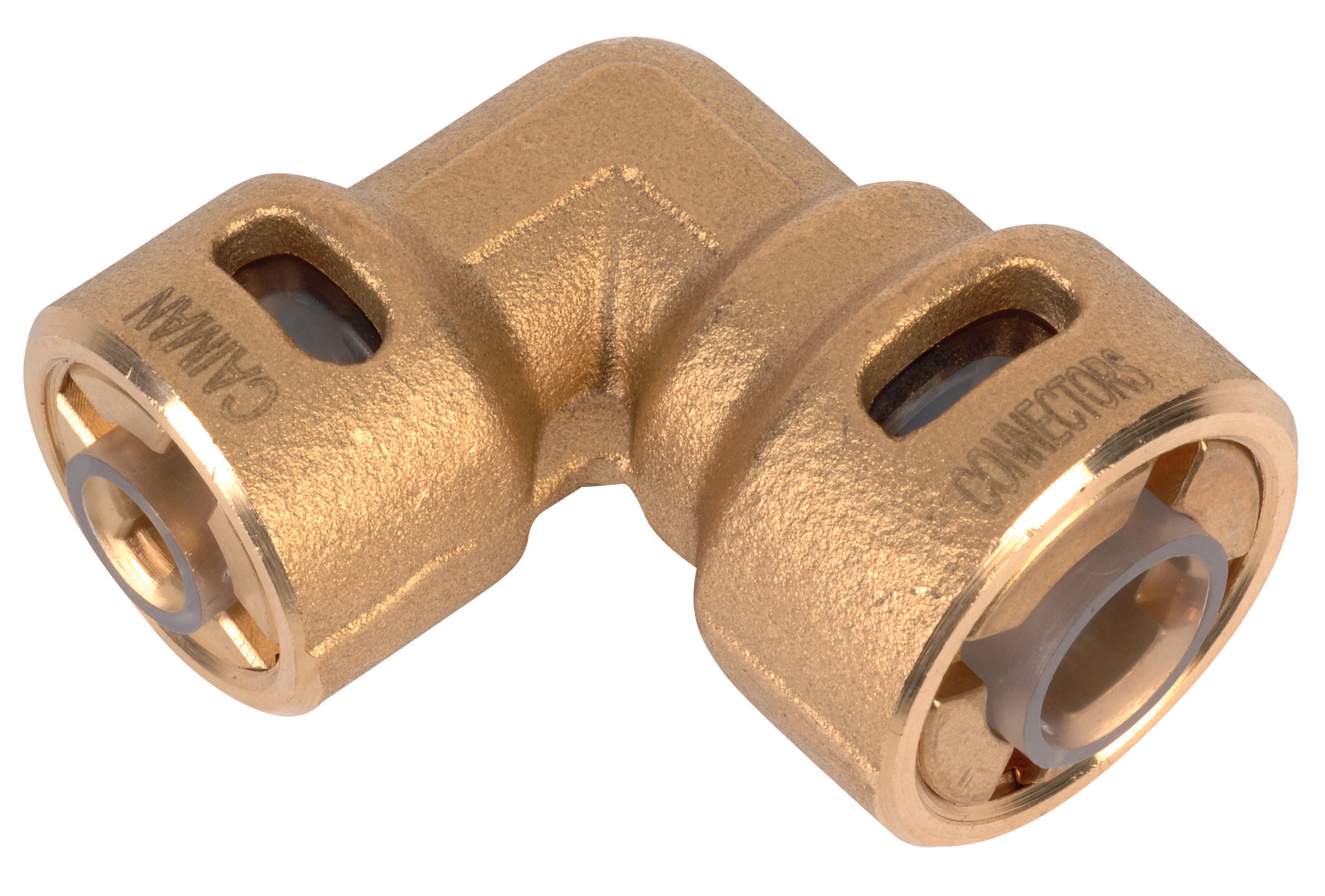
The CBM Quick coupling 90° pressure reduction 1/4*3/8 solves a critical procurement challenge: matching incompatible system pressures without complex installation modifications.
Procurement engineers frequently encounter legacy systems operating at different pressure ratings than new equipment. Rather than specifying expensive system-wide pressure adjustments, a quick-coupling reducer allows you to:
- Connect high-pressure systems to pressure-sensitive components: Protects delicate spray nozzles from pressure spikes
- Enable modular equipment swaps: Rapid connection and disconnection without permanent installation
- Reduce installation downtime: Eliminate need for intermediate fitting installation (single-step connection)
- Provide safety margins: Pressure reduction protects downstream equipment from surge events
Practical Integration with Modular Mounting Architecture
Consider a facility implementing a phased equipment upgrade across three production lines:
Phase 1 (Months 1-2): Install wall-mounted brackets (CLI04413) on all three lines
Phase 2 (Months 2-4): Connect new spray systems using quick-coupling reducers (RAC54024) to legacy pump systems
Phase 3 (Months 4-6): Upgrade pump systems while maintaining nozzle installations via bracket-mounted approach
This phased strategy allows procurement engineers to:
- Spread capital expenditure across multiple budget cycles
- Minimize production line disruption
- Validate new equipment performance before full commitment
- Maintain equipment compatibility throughout transition period
Strategic Procurement Considerations Across Global Operations
Standardization for Multi-Facility Organizations
Global organizations with facilities across different regions face unique procurement challenges. By standardizing on modular components (wall brackets, quick couplings, and nozzle types), procurement teams can:
- Reduce inventory complexity: Single part numbers serve multiple facility types
- Accelerate troubleshooting: Technicians familiar with one installation understand all similar installations
- Improve spare parts availability: Distributed inventory becomes more efficient with smaller part variety
- Simplify supplier management: Consolidated specifications reduce negotiation complexity
3G Electric's 35+ years of global experience demonstrates the efficiency gains achievable through standardized modular architecture. Organizations adopting this approach typically report:
- 20-30% reduction in spare parts inventory costs
- 15-25% faster equipment changeover times
- 10-15% improvement in maintenance scheduling efficiency
Total Cost of Ownership Analysis
Procurement engineers evaluating modular versus integrated equipment systems must consider multi-year TCO rather than upfront capital costs. Modular systems often cost 5-10% more initially but deliver:
- Reduced downtime costs: Faster changeovers and repairs
- Extended equipment lifespan: Individual component replacement without full system obsolescence
- Improved energy efficiency: Optimized nozzle selection reduces water and compressed air waste
- Greater operational flexibility: Ability to adapt to product portfolio changes
Geographic and Regulatory Considerations
Industry Applications vary significantly across regions based on regulatory requirements and water availability:
- Water-restricted regions (Middle East, North Africa, Southern Europe): Specify lower flow rate nozzles (index 055-25) to minimize consumption
- High-humidity manufacturing (Southeast Asia): Wall-mounted systems reduce mold growth on floor-mounted equipment
- Strict sanitation regimes (Pharma EU, Food Safety protocols): Reduced crevices in wall-mounted architecture improve compliance
- Vibration-sensitive production (Precision optics, semiconductor): Wall mounting isolates equipment vibration
Implementation Best Practices for Procurement Teams
Equipment Selection Checklist
When evaluating modular mounting and precision nozzle solutions:
1. Define operational requirements: Production volume, fluid type, cleanliness standards, changeover frequency
2. Assess facility constraints: Available wall space, pressure system capacity, water/drainage availability
3. Evaluate maintenance workflows: Technician skill levels, spare parts accessibility, documentation requirements
4. Consider future flexibility: Anticipated product changes, expansion potential, technology obsolescence timelines
5. Validate supplier capability: Response time, technical support, warranty terms, global parts availability
Vendor Partnership Strategy
Procurement engineers selecting equipment suppliers should prioritize:
- Global supply chain presence: Critical for multi-facility organizations
- Technical documentation quality: Complete specifications in major operating languages
- Responsive technical support: Equipment issues requiring rapid diagnosis and resolution
- Standardized product architecture: Reduces custom installation complexity
3G Electric's 35+ years as a global distributor positions the company as a strategic supplier capable of supporting these requirements across diverse geographic markets.
Conclusion: Aligning Equipment Selection with Operational Strategy
Industry Applications success depends on procurement engineers understanding how component-level decisions impact facility-wide operations. Modular mounting systems, precision nozzle selection, and quick-coupling integration form an integrated ecosystem where each element supports operational flexibility and cost efficiency.
By adopting standardized modular architecture and selecting components based on specific operational requirements rather than generic specifications, procurement teams can deliver equipment solutions that adapt to changing market demands while controlling total cost of ownership. This strategic approach transforms procurement from a transaction-focused function into an operational enabler.