Understanding Industry Applications in Maintenance-Driven Operations
Industry Applications for fluid delivery systems extend far beyond basic installation—they represent strategic decisions that maintenance teams make to optimize equipment reliability, reduce unplanned downtime, and manage lifecycle costs. With 35+ years of experience distributing industrial equipment globally, 3G Electric understands that maintenance excellence requires precision components engineered for specific operational environments.
Predictive maintenance has fundamentally transformed how industrial facilities approach equipment care. Rather than reactive repairs, maintenance teams now rely on condition-based monitoring that depends on precise, consistent fluid delivery. The components you select today directly influence your ability to implement these strategies tomorrow. Whether managing cooling systems, hydraulic circuits, or high-pressure cleaning operations, the choice between standard and precision components affects measurement accuracy, system reliability, and maintenance intervals.
This explainer addresses a critical gap: how maintenance teams translate performance requirements into component specifications that support predictive maintenance protocols. We'll examine real-world applications across three major industrial sectors and show how precision fluid delivery components become the foundation of data-driven maintenance strategies.
Precision Nozzle Selection for Condition Monitoring and Spray Pattern Consistency
High-pressure nozzles represent one of the most underestimated variables in maintenance planning. Most maintenance teams treat nozzles as commodity items—replaceable spray devices with minimal impact on system performance. This mindset costs facilities significant productivity and measurement accuracy.
Consider a typical scenario: a food processing facility uses high-pressure spray systems for equipment cleaning between production runs. Standard nozzles deliver variable spray patterns as pressure fluctuates, making it impossible to establish baseline cleaning performance metrics. This variability prevents the facility from implementing predictive maintenance protocols for spray system components—you cannot predict component life when spray pattern consistency is unknown.
Precision nozzles solve this through engineered performance specifications. The CBM Flat Jet Nozzle HP 1/4"M BSPT Index 25 Angle 15° delivers consistent spray angles and flow rates across varying pressure ranges. The index rating (25 in this case) represents flow characteristics at standardized pressure—this specification allows maintenance teams to establish baseline performance metrics. When actual flow deviates from specifications, maintenance teams immediately recognize system degradation before failures occur.
Different applications demand different spray characteristics. A textile manufacturing facility using coolant spray systems requires different nozzle geometry than a steel mill using descaling systems. The CBM Flat Jet Nozzle HP 1/4"M BSPT Index 055 Angle 15° suits precision cooling applications where flow rate must remain constant across multiple nozzles in series. The lower index rating delivers reduced flow volume, preventing thermal shock in sensitive cooling circuits.
High-angle nozzles serve entirely different purposes. The CBM Flat Jet Nozzle HP 1/4"M BSPT Index 50 Angle 40° achieves wider coverage with harder impact—ideal for heavy-duty descaling or sediment removal where spray pattern angle affects cleaning effectiveness. The 40-degree angle and index 50 flow rating define performance in ways that allow maintenance teams to document baseline effectiveness and track degradation over operational cycles.
From a maintenance perspective, precision nozzle selection enables three critical capabilities:
- Measurable Performance Baselines: Each nozzle's specifications create quantifiable benchmarks. Maintenance teams document initial spray pattern, flow volume, and pressure response, then monitor deviation as predictive indicators of system wear.
- Cross-System Standardization: When facilities standardize on specific nozzle types across similar applications, maintenance teams can deploy interchangeable parts and compare performance data across multiple systems, identifying facility-wide trends.
- Condition-Based Replacement Planning: Rather than replacing nozzles on fixed schedules, maintenance teams measure actual performance degradation and schedule replacement based on data, reducing premature component disposal and unplanned shutdowns.
Pressure Control Components and System Reliability Architecture
Fluid delivery systems rarely operate at single, constant pressures. Most industrial applications involve pressure fluctuations created by pump cycling, flow volume changes, or temperature variations. Maintaining target pressure ranges becomes critical when predictive maintenance relies on pressure-based diagnostics.
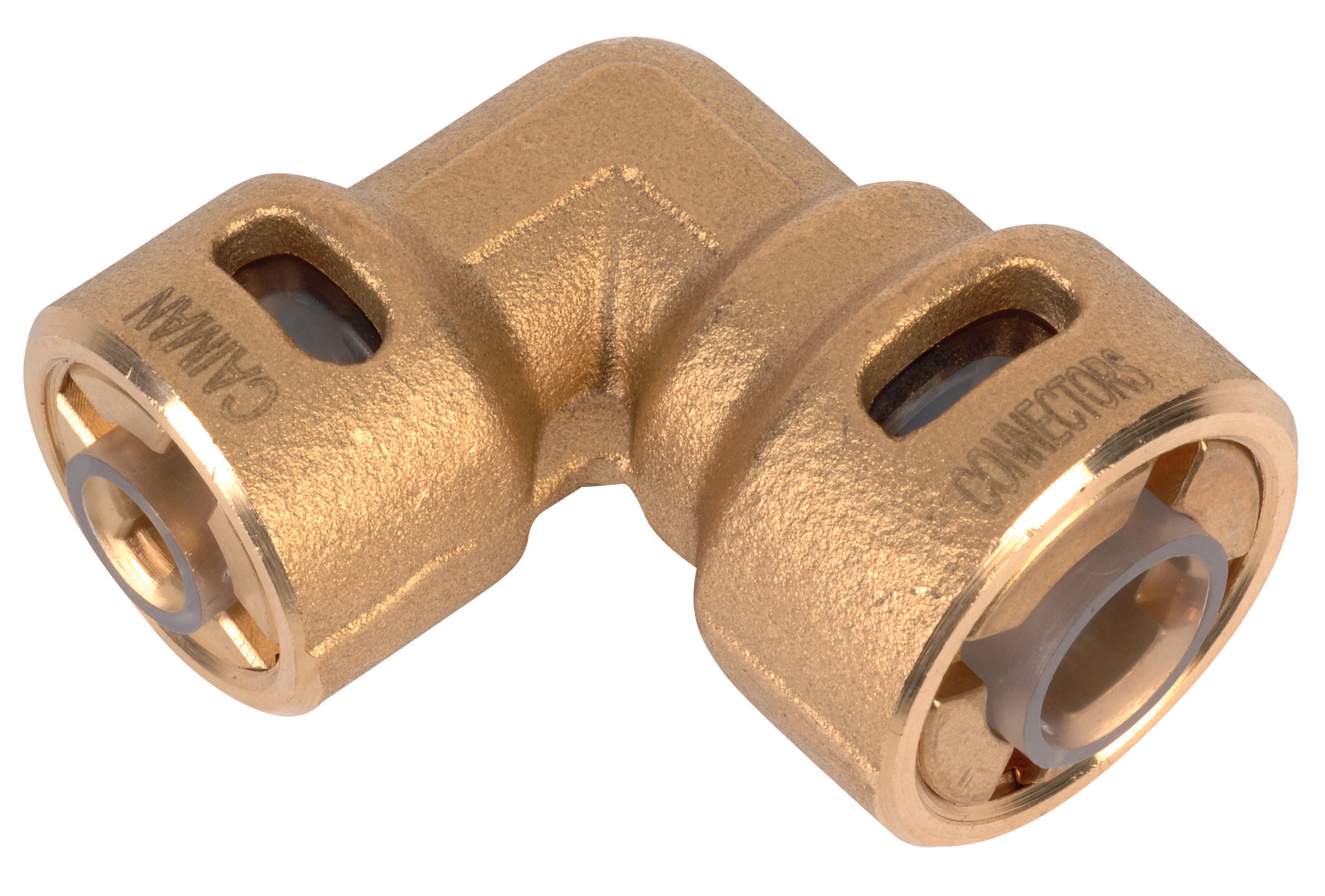
Pressure reduction couplings represent essential control points in this architecture. The CBM Quick Coupling 90° Pressure Reduction 1/4*3/8 provides mechanical pressure regulation without additional electronic controls or complex plumbing modifications. The 90-degree configuration suits tight spaces common in retrofit installations where accessible routing is limited.
For maintenance teams implementing predictive systems, pressure reduction couplings serve multiple functions:
Sensor Protection: High-pressure spikes can damage diagnostic sensors that condition monitoring systems rely on. A pressure reduction coupling positioned upstream of sensor connections prevents transient spikes from corrupting measurement data, ensuring reliable diagnostics.
Subsystem Isolation: Complex facilities operate multiple hydraulic or pneumatic circuits at different pressure ranges. The quick coupling design enables rapid connection and disconnection while the pressure reduction feature protects lower-pressure subsystems. Maintenance teams can isolate problem circuits without depressurizing entire systems.
Flow Consistency: Pressure reduction mechanisms smooth out fluctuations in system pressure, creating steadier flow rates to downstream components. This consistency improves measurement accuracy for devices like turbine flowmeters or differential pressure sensors that maintenance teams use for system diagnostics.
The quick-coupling aspect deserves emphasis for maintenance operations. Traditional threaded connections require disassembly tools, multiple people, and careful pressure bleeding procedures. Quick couplings enable single-person maintenance—critical when addressing urgent failures or during shift changes when staffing constraints exist. The time saved in maintenance procedures translates directly to reduced equipment downtime.
From a global operations perspective, the 1/4" to 3/8" size reduction accommodates the transition between main system lines and sensing/monitoring circuits—a nearly universal requirement in medium-scale industrial equipment across automotive, food processing, chemical production, and utilities sectors.
Equipment Mounting Infrastructure and System Longevity
Maintenance teams often overlook the physical infrastructure supporting fluid delivery systems. Mounting brackets and support structures appear passive—merely holding components in place. In reality, bracket selection directly impacts system vibration, component stress, and maintenance accessibility.
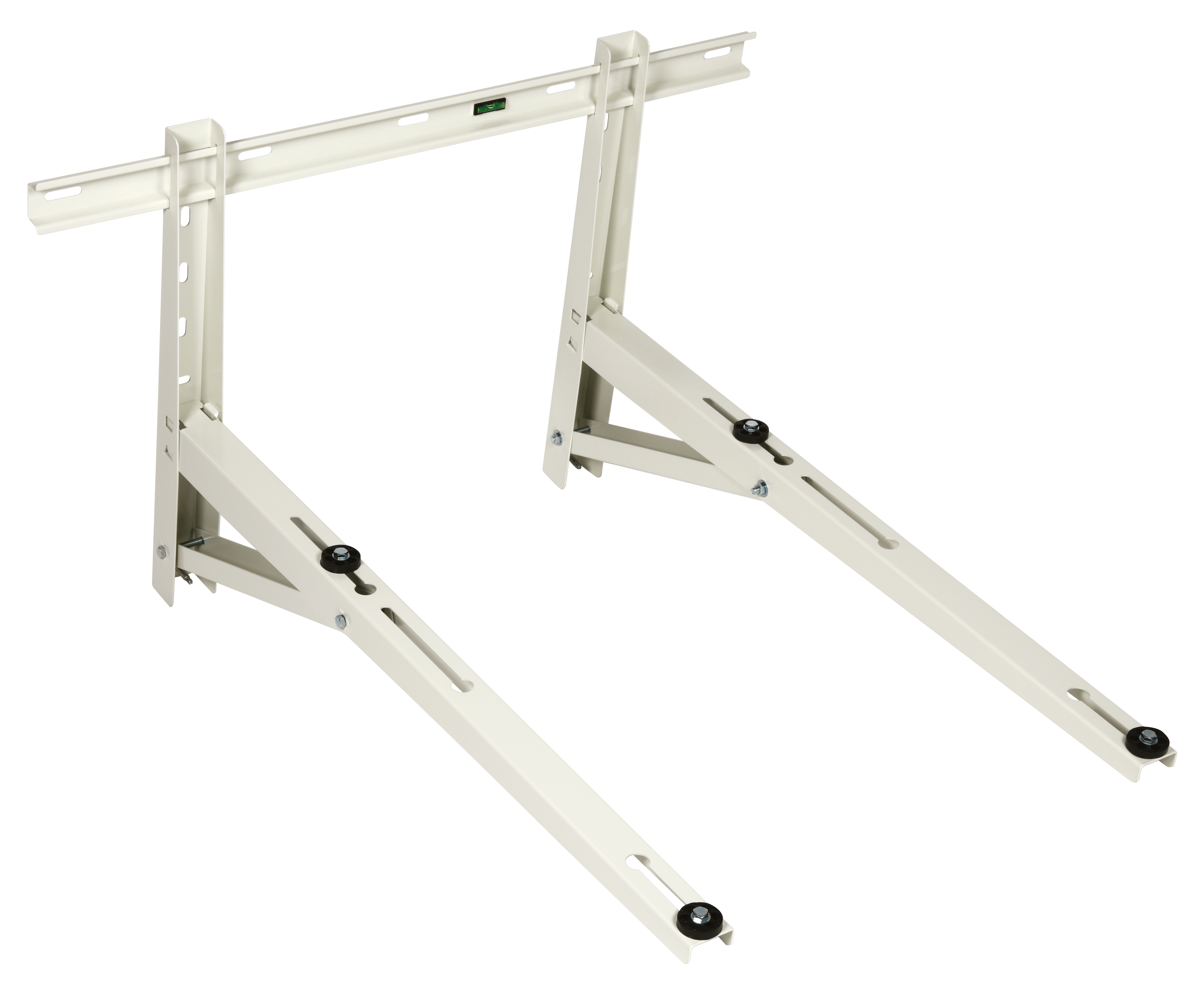
The CBM Wall Bracket 1000 exemplifies how infrastructure components influence maintenance outcomes. The "1000" designation indicates load capacity—1000 kg maximum supported weight. This specification seems straightforward until you consider what it actually enables:
Proper Alignment Maintenance: Wall-mounted systems using rated brackets maintain precise alignment over extended periods. Misaligned components create stress concentration in connection points, accelerating seal degradation and coupling wear. The bracket design ensures that piping routes remain stable, reducing fatigue-induced failures in high-pressure lines.
Accessible Inspection Points: Well-designed mounting infrastructure positions components at comfortable heights and angles for inspection. Maintenance teams can visually inspect seals, connection points, and hose conditions without awkward positioning or tools. Accessibility directly correlates with inspection frequency—components that are easy to examine get examined more often.
Modular System Expansion: When maintenance teams plan system upgrades or add monitoring equipment, rated brackets provide known load capacity limits. Teams can confidently add sensors, gauges, or additional components without engineering calculations, accelerating retrofit installations.
Vibration Isolation: Heavy-duty equipment generates vibration transmitted through mounting points. Industrial-rated brackets distribute loads across multiple contact points, reducing transmitted vibration to the floor structure. Lower vibration extends component life and improves measurement quality for mounted sensors.
Global facilities differ dramatically in infrastructure—ceiling heights, wall materials, space availability, and local building codes create unique constraints. The bracket's wall-mounted design adapts to these variations, providing solutions where free-standing equipment cannot fit, space is restricted, or facility codes limit floor-mounted equipment placement.
Implementing Industry Applications: Practical Maintenance Team Strategies
Translating component specifications into actionable maintenance strategies requires structured approaches. Effective maintenance teams use Industry Applications knowledge through three integrated practices:
Component Standardization Programs: Rather than purchasing components reactively based on immediate availability, proactive facilities define standard specifications for each application type. A facility might standardize on the Index 25 nozzle for general-purpose spray applications and the Index 50 high-angle nozzle for descaling operations. This standardization enables technicians to develop expertise in specific component behavior, improves parts inventory management, and reduces supplier variability.
Performance Documentation Protocols: Maintenance excellence requires baseline documentation. When installing new components, teams record pressure readings, flow volumes, spray patterns, or alignment measurements specific to each component type. These baselines become reference points for condition monitoring—deviations trigger investigation before failures occur.
Cross-Functional Knowledge Transfer: Maintenance knowledge often concentrates with senior technicians. Global operations depend on distributing this expertise across teams. Documented procedures for component selection, installation, and performance monitoring enable newer technicians to implement maintenance standards consistently across shifts and locations.
The pressure reduction coupling demonstrates how component selection supports these strategies. Teams document the normal pressure drop across the coupling—typically 0.3-0.5 bar for properly functioning units. When technicians measure larger drops, it signals internal seal wear, triggering proactive replacement before performance degradation affects downstream systems.
Conclusion: Component Precision Drives Maintenance Excellence
Industry Applications ultimately center on recognizing that every component selected influences maintenance capability. Precision nozzles enable performance-based diagnostics. Pressure couplings protect sensors and isolate problem circuits. Mounting infrastructure provides accessibility and reduces vibration stress.
With 35+ years of global industrial equipment distribution, 3G Electric recognizes that maintenance team success depends on component selection that goes beyond basic functionality. The precision, reliability, and measurable performance specifications embodied in products like the CBM nozzle series and RAC pressure couplings represent practical tools for implementing modern predictive maintenance strategies.
Your component choices today determine your maintenance capabilities tomorrow. Select with precision, document with discipline, and monitor with confidence.