Understanding Industry Applications in Modern Manufacturing
Industry Applications across global manufacturing facilities have evolved significantly over the past three decades. What once required multiple disconnected systems now demands integrated solutions where precision fluid delivery, combustion control, and real-time monitoring work in concert. At 3G Electric, our 35+ years of experience distributing industrial equipment has taught us that plant managers succeed not by selecting individual components, but by understanding how equipment categories interact within specific operational contexts.
Modern manufacturing environments—whether aerospace, food processing, chemical production, or heavy industrial—face common pressures: regulatory compliance, energy efficiency requirements, and the need for predictive maintenance. Industry Applications for these sectors increasingly require solutions that address all three simultaneously. This article explores how precision nozzle technology, advanced burner systems, expansion tank monitoring, and reservoir safety controls create cohesive operational frameworks that reduce downtime, improve product quality, and enhance worker safety.
Precision Fluid Delivery: Selecting the Right Nozzle Technology for Your Industry Application
Flat jet nozzles represent a critical decision point in many Industry Applications, yet plant managers often underestimate their impact on overall system performance. The spray pattern, pressure rating, and flow geometry of a nozzle directly affect heat distribution, chemical reaction rates, and product consistency.
The CBM Flat jet nozzle HP 1/4" M BSPT index 25 angle 15° and CBM Flat jet nozzle HP 1/4" M BSPT index 055 angle 15° address different Industry Applications within the same pressure envelope. The index 25 variant delivers concentrated spray patterns suitable for precision heating applications—textile finishing, pharmaceutical spray drying, or chemical reaction vessels where targeted energy input matters. The index 055 provides broader coverage patterns ideal for surface treatment, cooling applications, or large-area spray coating where uniform distribution across wider zones is essential.
For plant managers evaluating these options, consider three practical factors:
Spray Pattern Consistency: Index numbers directly correlate to spray cone geometry. Higher indices create wider patterns with lower coverage density; lower indices concentrate flow in tighter patterns. Selecting the wrong index wastes energy, creates uneven processing, and increases maintenance frequency due to clogging from inadequate flow velocity.
Pressure Compatibility: Both nozzles operate at HP (high pressure) ratings with 1/4" BSPT threading, but their internal geometries handle pressure differentials differently. Industry Applications in chemical processing often require sustained high-pressure operation; confirming your pump discharge pressure matches the nozzle's design specification prevents premature wear and maintains spray integrity.
Integration with Burner Systems: When nozzles work within combustion-dependent Industry Applications, synchronization with fuel delivery becomes critical. Mismatched nozzle characteristics cause flame instability, increased emissions, and safety risks that regulatory bodies now actively monitor.
Combustion Control and Burner System Applications in Integrated Manufacturing
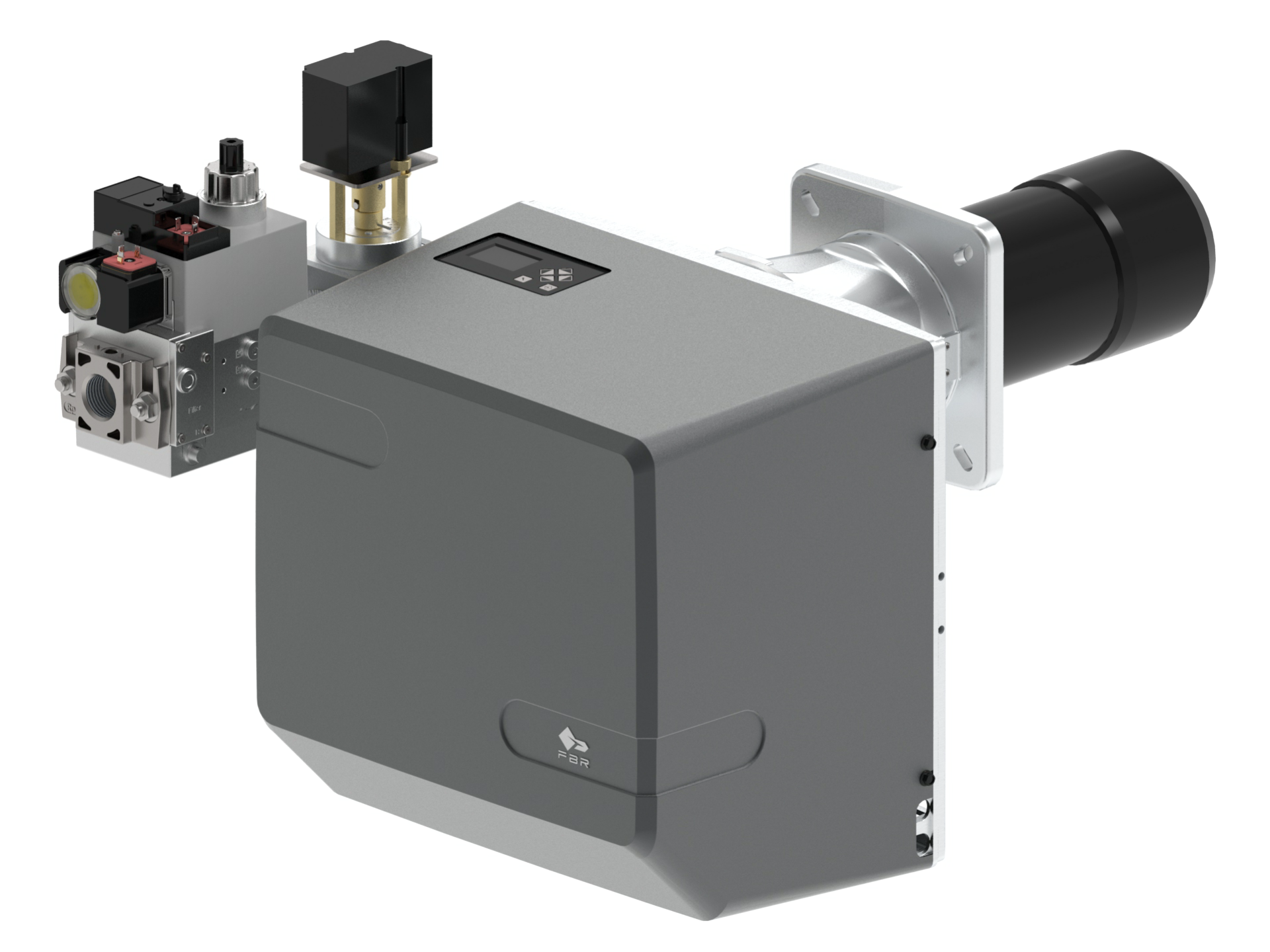
The FBR BURNER GAS X5/MF TL EL VC LPG represents modern burner technology designed specifically for Industry Applications requiring modulating combustion control. Unlike fixed-rate burners, this system accommodates optional PID (Proportional-Integral-Derivative) modulation kits, enabling real-time adjustment of gas flow based on process demand.
Manufacturing Industry Applications increasingly mandate this flexibility. Consider a food processing facility operating sterilization equipment, or a chemical plant managing exothermic reactions. Fixed-output burners waste fuel during partial-load periods and create thermal overshoot that damages products or triggers safety shutdowns. The FBR burner's modulation capability adjusts combustion intensity continuously, maintaining precise temperature bands while reducing fuel consumption by 15-25% compared to traditional on-off systems.
The burner's construction—die-cast aluminum body with high-pressure fan design—addresses durability demands in harsh Industry Applications. Corrosive environments, vibration-prone locations, and continuous-operation scenarios all challenge burner reliability. The aluminum casting provides weight efficiency and thermal conductivity; the pressurized fan design ensures complete combustion even under varying supply pressures.
Practical Implementation Considerations:
- Modulation Kit Selection: The optional modulation kit transforms basic burner operation into true process control. For Industry Applications where temperature variance exceeds ±5°C creates product rejection, modulation is not optional—it's economically mandatory.
- Fuel Source Flexibility: LPG capability addresses global supply-chain realities. Regions with inconsistent natural gas infrastructure benefit from LPG's stored reliability, while operations in areas with both available sources gain operational flexibility.
- Integration Points: The burner's control architecture accepts probe inputs for real-time feedback. Industry Applications in textile heat-setting, asphalt mixing, or metal heat-treating all benefit from temperature feedback that prevents overshoot.
Fluid System Safety and Monitoring: The Overlooked Foundation of Operational Reliability
Plant managers frequently focus on primary production equipment while underinvesting in monitoring and safety systems. Yet our 35+ years experience shows that system downtime correlates more strongly with monitoring failures than with primary component degradation. Two products address critical safety applications that prevent cascading failures:
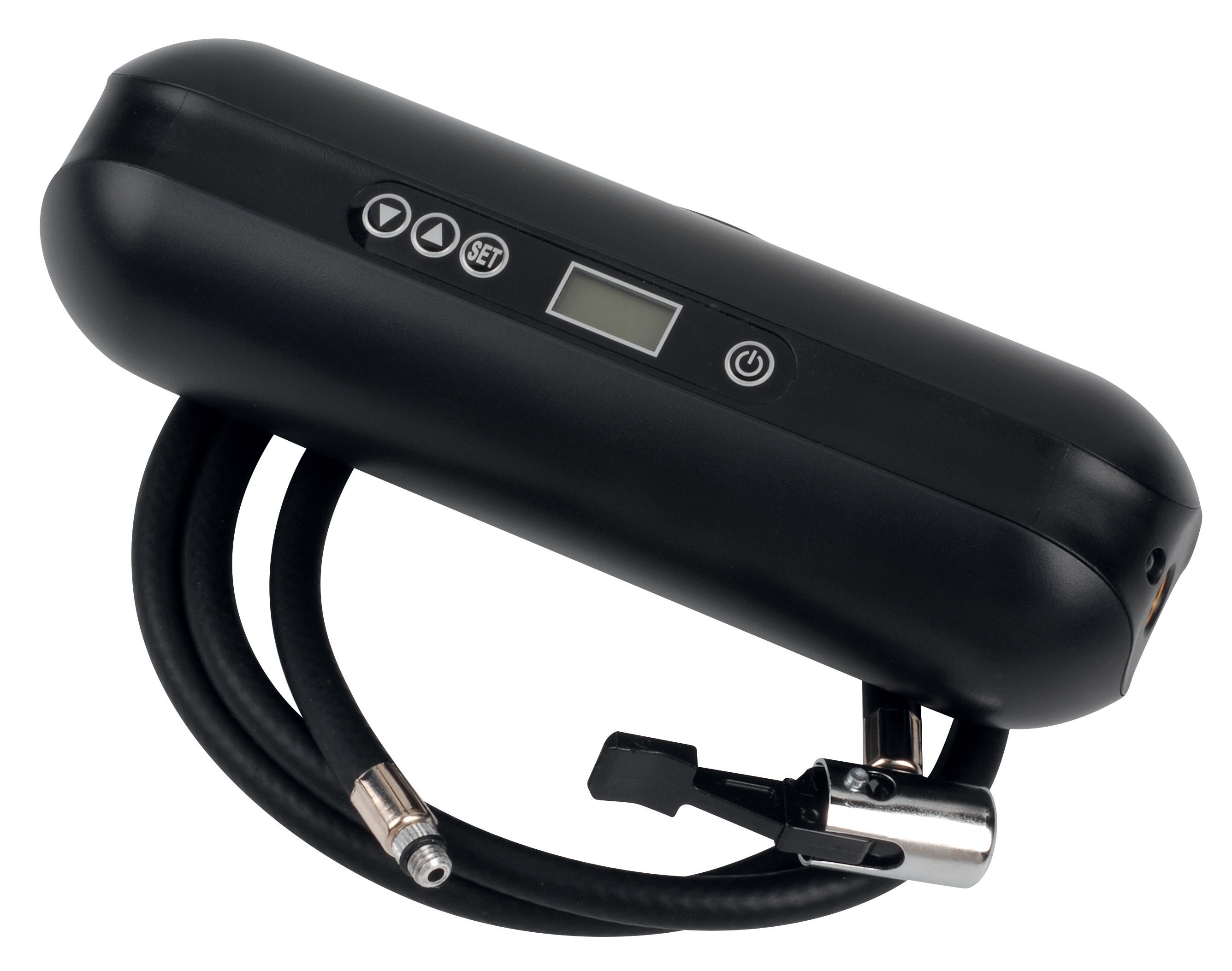
The CBM Expansion tank inflator battery 2000 mAH manages pressurization in closed-loop fluid systems common in Industry Applications involving thermal cycling. Expansion tanks absorb fluid volume changes as temperatures fluctuate; proper pre-charge pressure (maintained by this inflator) prevents tank bladder fatigue and maintains system stability. In Industry Applications spanning food processing (cooking systems), pharmaceutical manufacturing (distillation equipment), and chemical production (reactors), failed expansion tanks lead to pressure spikes that damage seals, rupture hoses, and create safety hazards.
The portable 2000 mAH battery design enables maintenance teams to verify and adjust pre-charge pressure without system shutdown, reducing downtime and extending tank service life by 40-60% compared to neglected systems.
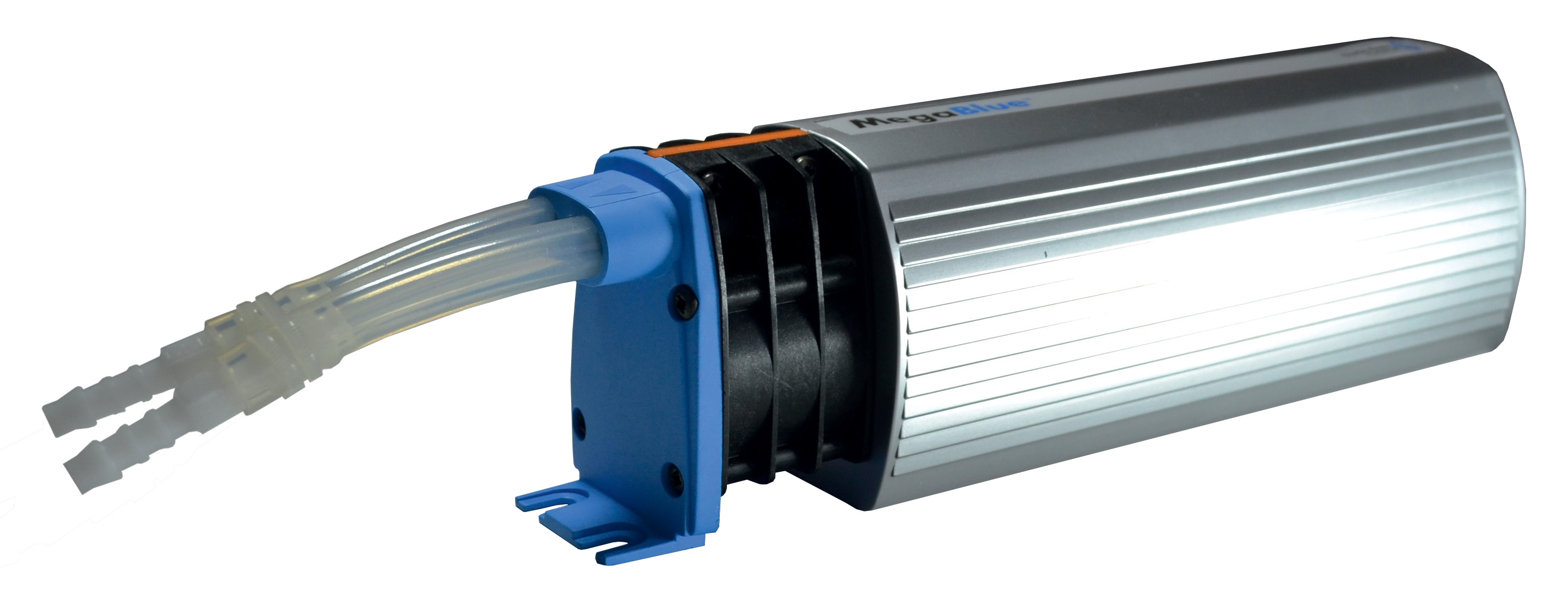
The CBM Megablue reservoir alarm + shut-off X87-813 provides dual-function protection in Industry Applications using fluid storage tanks. Low-fluid conditions trigger both audible alarm and automatic shut-off, preventing pump cavitation and motor burnout. In many manufacturing contexts, a single pump failure cascades through interconnected systems—a refrigeration compressor loses cooling flow and seizes; a hydraulic press loses pressure mid-cycle and jams; a process cooling system experiences boil-off and temperature runaway.
This integrated monitoring system interrupts failure sequences before damage propagates. Industry Applications in beverage production, HVAC maintenance, and industrial cooling all benefit from this proactive protection.
Integration Strategy for Complete System Protection:
- Preventive Maintenance Architecture: Combine expansion tank monitoring with reservoir alarms to create a comprehensive fluid-system early-warning system. When pre-charge pressure degrades, tank function declines before failure occurs; combined with reservoir monitoring, maintenance teams identify problems during planned service windows.
- Documentation and Compliance: Many Industry Applications now require documented proof of monitoring system functionality. The dual-function alarm/shut-off device provides clear evidence that safeguards operated correctly, supporting regulatory audits and insurance documentation.
- Cost-Benefit Analysis: Equipment failures in most manufacturing contexts cost $5,000-$50,000 in lost production, cleanup, and component replacement. Monitoring systems costing hundreds of dollars prevent these losses—the economic case is straightforward.
Coordinating Industry Applications Across Global Operations
Successful plant managers recognize that Industry Applications don't exist in isolation. A precision nozzle connects to a pump driven by a motor managed by a control system; a burner integrates with a combustion air system, fuel supply, and safety interlocks; an expansion tank interacts with circulating pumps, heat exchangers, and temperature sensors.
When selecting equipment, evaluate how components interact:
System Pressure Coordination: Your nozzles, burner fuel system, and pump discharge all operate at compatible pressures. Mismatches create efficiency losses and premature wear.
Control Signal Integration: Burner modulation kits, temperature probes, and shutdown systems must communicate through compatible signaling protocols. Modern Industry Applications increasingly demand 4-20mA analog signals or digital communication for seamless integration.
Maintenance Accessibility: Expansion tank inflators, reservoir alarms, and nozzle cleaning access require space and tool compatibility. During design reviews, verify that maintenance can access these points without full system disassembly.
Regulatory Alignment: Different regions enforce varying standards for burner emissions, pressure vessel safety, and fluid system documentation. 3G Electric's global experience helps navigate these variations—our team understands which equipment meets ISO, CE, ASME, and regional requirements specific to your operations.
Plant managers implementing coordinated Industry Applications consistently report 20-35% improvements in overall equipment effectiveness (OEE), reduced maintenance costs, and improved safety records. These outcomes reflect not superior individual components, but thoughtful integration of precision fluid delivery, combustion control, and system monitoring into cohesive operational frameworks.
Our 35+ years partnering with global manufacturers has reinforced this principle: operational excellence emerges from understanding how equipment categories serve specific Industry Applications, then selecting components designed to work together effectively.