Understanding Industry Applications in Modern Maintenance
Industry Applications extend far beyond simple equipment selection—they represent comprehensive solutions that maintenance teams must understand to ensure operational efficiency, safety, and cost-effectiveness. With 35+ years of experience distributing industrial equipment globally, 3G Electric has witnessed how proper pressure management and tank monitoring systems directly impact facility uptime and maintenance budgets.
The challenge facing today's maintenance teams is clear: equipment operates across vastly different conditions, pressures, and fluid requirements. Whether managing heating oil systems in temperate climates, hydraulic networks in manufacturing plants, or fuel distribution in commercial facilities, the fundamental principles of pressure control and reservoir management remain constant. However, the specific tools and approaches must adapt to each application.
This guide addresses the practical realities maintenance teams face when selecting, installing, and maintaining pressure relief systems and tank management equipment. Rather than generic product information, we focus on how these components solve real maintenance challenges across multiple industries.
Critical Industry Applications: Pressure Relief and Nozzle Systems
Heating and Fuel Distribution Systems
One of the most widespread industry applications involves heating oil and fuel delivery systems found in commercial buildings, industrial facilities, and residential complexes. These systems require precise pressure management to prevent equipment damage while maintaining consistent fuel flow to burners.
The CBM Flat jet nozzle HP 1/4"M BSPT index 25 angle 15° serves as the critical control point in these systems. Maintenance teams rely on this component to atomize fuel effectively, creating the proper spray pattern for efficient combustion. The specific design—with its 25-degree index and 15-degree angle—addresses real-world installation constraints where space or pipe orientation limits options.
Why does this matter for maintenance? When fuel atomization fails, combustion efficiency drops, leading to increased emissions, higher operating costs, and more frequent equipment cycling. A properly selected nozzle directly reduces maintenance calls and extends equipment lifespan. The alternative CBM Flat jet nozzle HP 1/4"M BSPT index 055 angle 15° provides maintenance teams with options when different pressure or flow requirements exist within the same facility.
Manufacturing and Hydraulic Applications
Manufacturing facilities depend on stable hydraulic systems where pressure fluctuations create costly downtime. Whether operating CNC machinery, injection molding equipment, or stamping presses, these systems require constant pressure monitoring and precise control.
For maintenance teams managing these operations, the challenge involves preventing pressure spikes that damage seals, pumps, and actuators. The relief nozzles referenced above function as part of larger pressure management systems. Maintenance professionals must understand that selecting the correct nozzle index—based on system pressure, flow rate, and fluid type—prevents recurring seal failures and unexpected shutdowns.
This application demonstrates why 3G Electric emphasizes technical specifications. A nozzle rated for 25-degree flow characteristics performs differently than one rated for 55-degree characteristics. Installation errors or specification mismatches compound across production runs, creating hidden costs that don't appear until failure occurs.
Commercial HVAC and Climate Control
Large commercial buildings rely on complex climate control systems where expansion tanks play critical roles in system stability. As fluids heat and cool, they expand and contract, creating pressure variations that could otherwise damage equipment.
Tank Management and System Monitoring: Essential for Predictive Maintenance
Expansion Tank Systems and Pressurization
Expansion tanks represent one of the most overlooked yet critical components in heating, cooling, and hydraulic systems. When fluids expand due to temperature increases, the tank absorbs excess volume, preventing dangerous pressure buildup that could rupture lines or damage equipment.
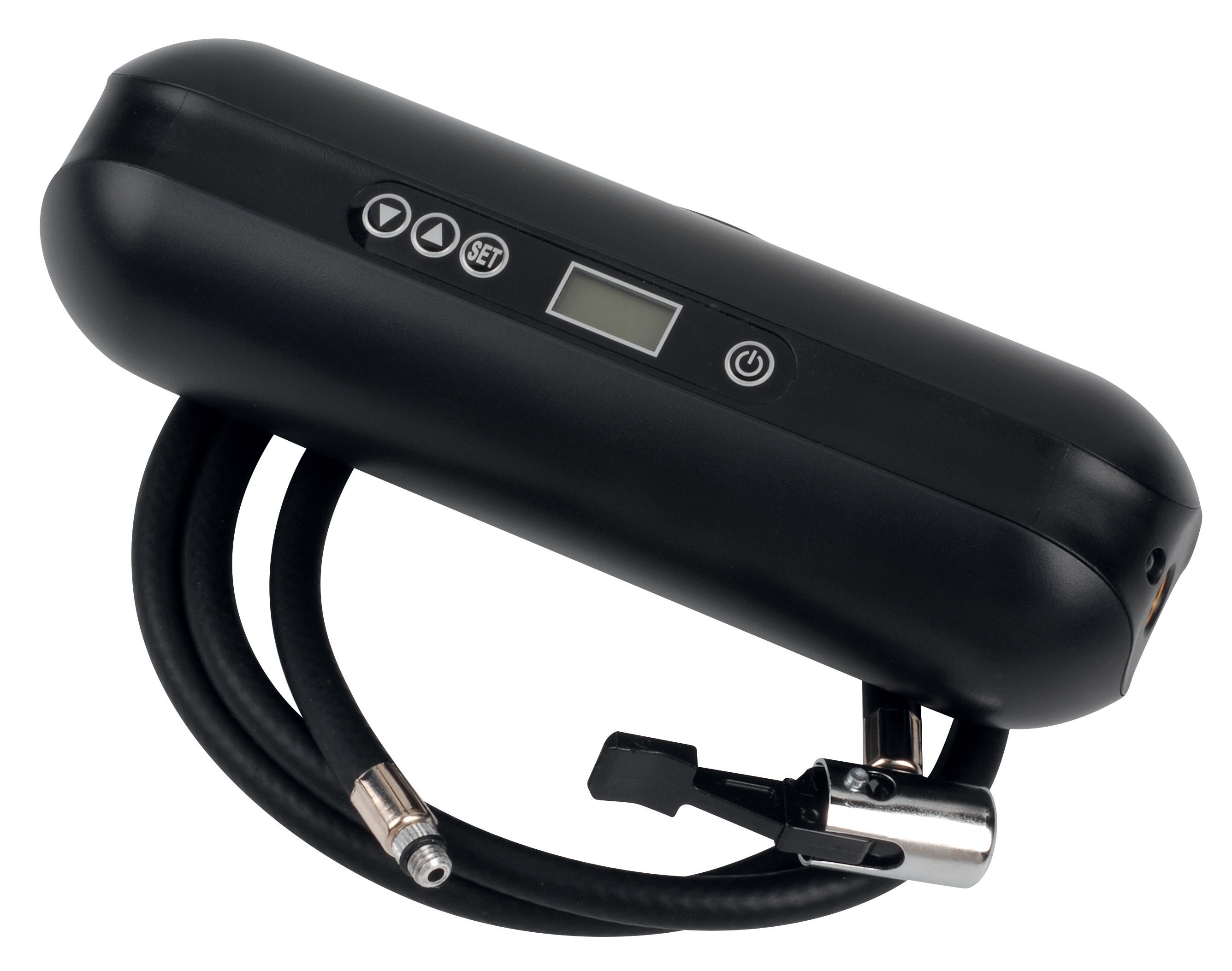
The CBM Expansion tank inflator battery 2000 mAH addresses a challenge maintenance teams frequently encounter: maintaining proper pre-charge pressure in expansion tanks. Over time, tank pre-charge diminishes through natural air absorption and microscopic leakage. When maintenance teams fail to monitor and maintain pre-charge pressure, system performance degrades gradually, making root cause diagnosis difficult.
This equipment transforms maintenance from reactive to predictive. Rather than waiting for system pressure anomalies to appear, maintenance teams can regularly check and maintain pre-charge levels. Facilities using this approach report:
- Reduced pressure spikes: Properly charged expansion tanks absorb volume changes smoothly
- Extended equipment life: Lower stress on pumps, seals, and circulation components
- Energy efficiency improvements: Systems operate at optimal pressure, reducing wasted energy
- Faster diagnostics: Teams can confirm tank status in minutes rather than hours
For maintenance teams managing multiple systems—whether across different facility zones or multiple buildings in a campus—this equipment dramatically improves consistency and reduces diagnostic time.
Reservoir Monitoring and System Protection
Reservoir problems represent one of the costliest maintenance issues because contamination, overflow, or low-fluid conditions often go undetected until equipment fails catastrophically.
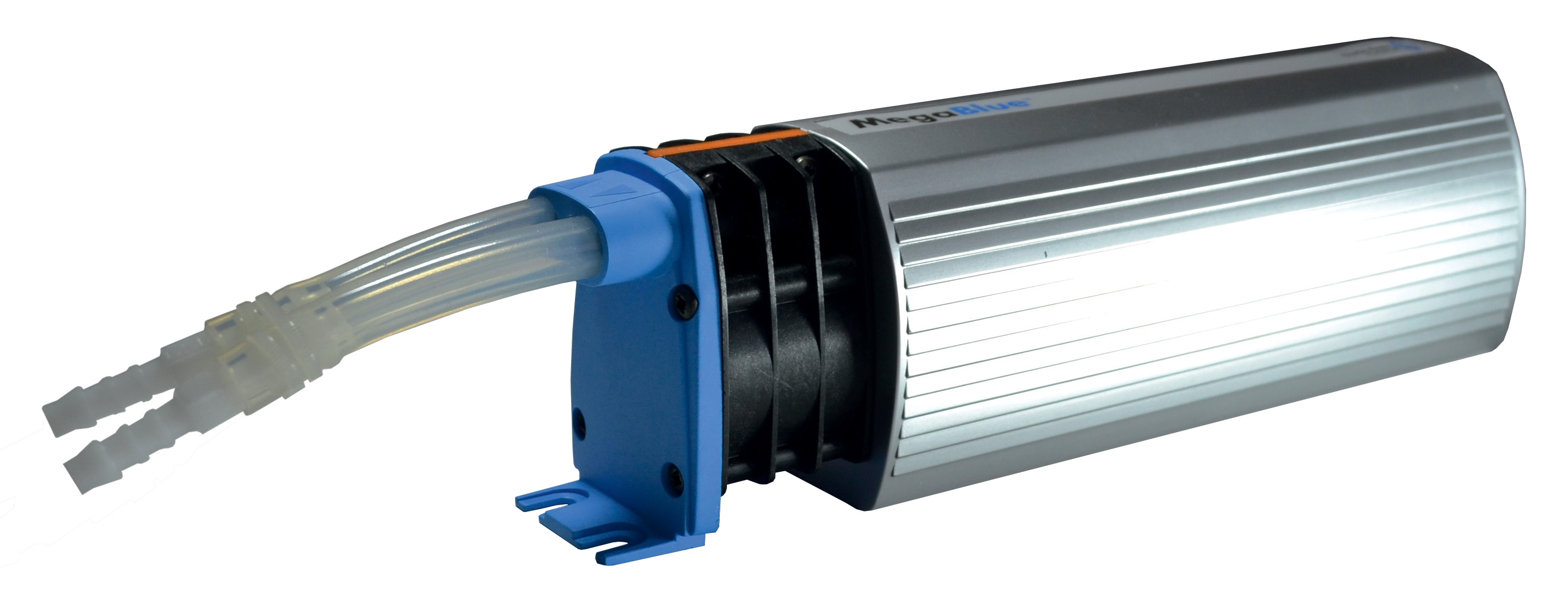
The CBM Megablue reservoir alarm + shut-off X87-813 system eliminates this blind spot. By continuously monitoring reservoir conditions and providing both alarm notification and automatic shut-off capabilities, this equipment prevents damage from:
- Fluid contamination: Early warning allows intervention before contamination spreads through the system
- Overflow conditions: Prevents fluid loss and environmental contamination
- Low-fluid operation: Automatic shut-off stops pump damage before it begins
Maintenance teams appreciate this component because it solves a fundamental monitoring challenge. Manual fluid-level checks, while important, cannot catch rapid changes or detect contamination patterns. An automated alarm system provides continuous vigilance, allowing maintenance staff to focus on other critical tasks while still maintaining system integrity.
Installation and Support Infrastructure
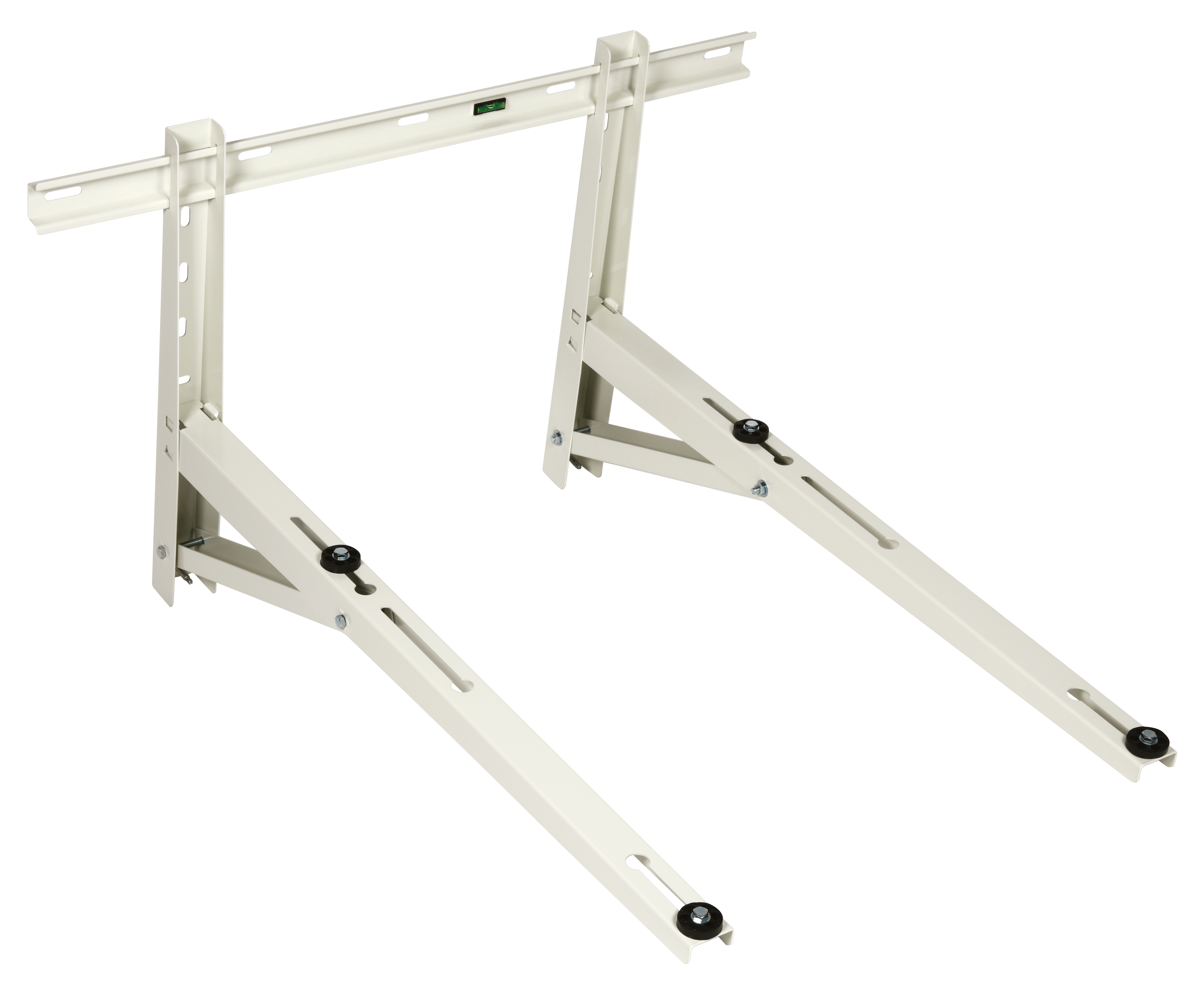
Proper installation of pressure and tank management systems requires appropriate mounting infrastructure. The CBM Wall bracket 1000 represents seemingly simple hardware that proves essential for system reliability.
Why does mounting matter? Equipment vibration, thermal cycling, and vibration from adjacent machinery gradually loosen improperly mounted components. A wall bracket rated for proper load distribution and secured with appropriate fastening prevents:
- Connector loosening: Leading to slow leaks that damage surrounding equipment
- Component failure: Stressed connections fail prematurely
- Safety hazards: Loosened equipment creates workplace dangers
- Difficult diagnosis: Installation failures get mistaken for equipment defects
Maintenance teams familiar with industrial equipment installations recognize that support infrastructure represents perhaps the most underestimated aspect of system reliability. A quality bracket properly installed costs minimal amounts but prevents exponentially higher repair costs.
Practical Implementation: Industry Applications Across Sectors
Selecting Equipment for Your Specific Applications
Maintenance teams must match equipment specifications to actual operating conditions. This requires understanding several key factors:
System Pressure: Different applications operate at vastly different pressures. Heating oil systems typically operate at 100-300 psi, while industrial hydraulic systems may exceed 3000 psi. Nozzle selection directly depends on pressure ratings—a nozzle specified for 300 psi will fail if operated at 3000 psi.
Fluid Type: The fluid being managed affects equipment selection significantly. Heating oil, hydraulic fluid, water, and specialized industrial fluids have different properties affecting atomization, expansion rates, and component material compatibility.
Environmental Conditions: Temperature ranges, humidity, and facility characteristics influence how systems respond. An expansion tank in a heated warehouse operates differently than one in a climate-controlled data center.
System Integration: How equipment connects to existing systems determines compatibility. The 1/4" BSPT connections on the CBM nozzles must match your system's connection points; adapters add cost and potential failure points.
Creating Maintenance Protocols Around These Systems
With 35+ years of global equipment distribution, 3G Electric has observed which maintenance practices yield the best results:
Monthly Tasks:
- Visual inspection of all pressure relief and nozzle connections for leaks
- Verification of alarm system operation on reservoir monitors
- Functional testing of automatic shut-off mechanisms
- Expansion tank pre-charge pressure verification using proper equipment
- Fluid sampling to check contamination levels
- Documentation of system pressures and temperatures under normal operation
- Complete system pressure testing and calibration
- Replacement of wear items (nozzles, seals, gaskets)
- Review of maintenance records to identify patterns or recurring issues
Troubleshooting Common Issues
Maintenance teams frequently encounter specific problems that, once recognized, yield straightforward solutions:
Symptom: Inconsistent fuel delivery or irregular burner operation Likely Cause: Nozzle atomization degradation or pressure inconsistency Solution: Verify pressure relief nozzle selection matches system requirements; test pressure readings against baseline values
Symptom: Rising system pressure under load Likely Cause: Expansion tank pre-charge loss or expansion tank failure Solution: Check pre-charge pressure using inflation equipment; replace tank if pre-charge cannot be maintained
Symptom: Unexpected system shut-downs Likely Cause: Reservoir alarm triggering or contamination detection Solution: Verify fluid level and quality; investigate source of contamination; clean or replace filters as needed
Global Considerations for Maintenance Teams
Maintenance teams operating internationally or supporting multi-location facilities must consider regional variations:
Connection Standards: Industrial equipment uses different connection standards globally. BSPT (British Standard Pipe Taper) connections, common in many regions, may differ from NPT or metric connections used elsewhere. Always verify connection types before procurement.
Pressure Standards: Operating pressure conventions vary by region and industry sector. What constitutes "normal" pressure in one facility may represent dangerous conditions elsewhere.
Parts Availability: 3G Electric's global distribution network ensures availability of quality components, but lead times and specifications may vary by region. Maintenance teams should establish relationships with distributors to ensure rapid parts replacement.
Training and Documentation: Equipment specifications, maintenance procedures, and troubleshooting guides may require translation or adaptation for international teams. Establish clear documentation practices that support global teams.
Conclusion: Building Reliable Maintenance Practices
Industry Applications ultimately reflect the reality that proper equipment selection, correct installation, and consistent maintenance protocols prevent costly failures. Maintenance teams that understand how pressure relief systems, expansion tanks, and reservoir monitoring equipment function can make better decisions about their facilities.
The products highlighted throughout this guide—from CBM flat jet nozzles to Megablue reservoir alarm systems—represent solutions to real maintenance challenges. By selecting appropriate equipment, implementing sound maintenance practices, and establishing clear monitoring protocols, maintenance teams dramatically improve their facilities' reliability, safety, and cost-effectiveness.
With 35+ years of experience supporting industrial maintenance teams globally, 3G Electric understands these challenges intimately. Whether you're managing a single facility or supporting operations across multiple regions, selecting the right components and implementing proper maintenance practices yields measurable improvements in system performance and equipment lifespan.