Understanding Industry Applications in Modern Procurement
Industry applications for fluid control and burner systems have evolved significantly over the past three decades. As an global industrial equipment distributor since 1990, 3G Electric has supported procurement engineers across 35+ years of technological advancement in thermal management and fuel delivery systems. The complexity of modern industrial applications requires a sophisticated understanding of component interactions, pressure specifications, and system integration—knowledge that directly impacts equipment reliability, operational efficiency, and lifecycle costs.
Procurement engineers today face unprecedented challenges: selecting components that operate across diverse climatic conditions, meeting international standards, ensuring compatibility with legacy systems, and optimizing total cost of ownership. Industry applications extend far beyond simple equipment selection; they represent strategic decisions that affect production uptime, energy efficiency, and compliance requirements.
Critical Industry Applications Across Global Markets
Manufacturing and Thermal Processing
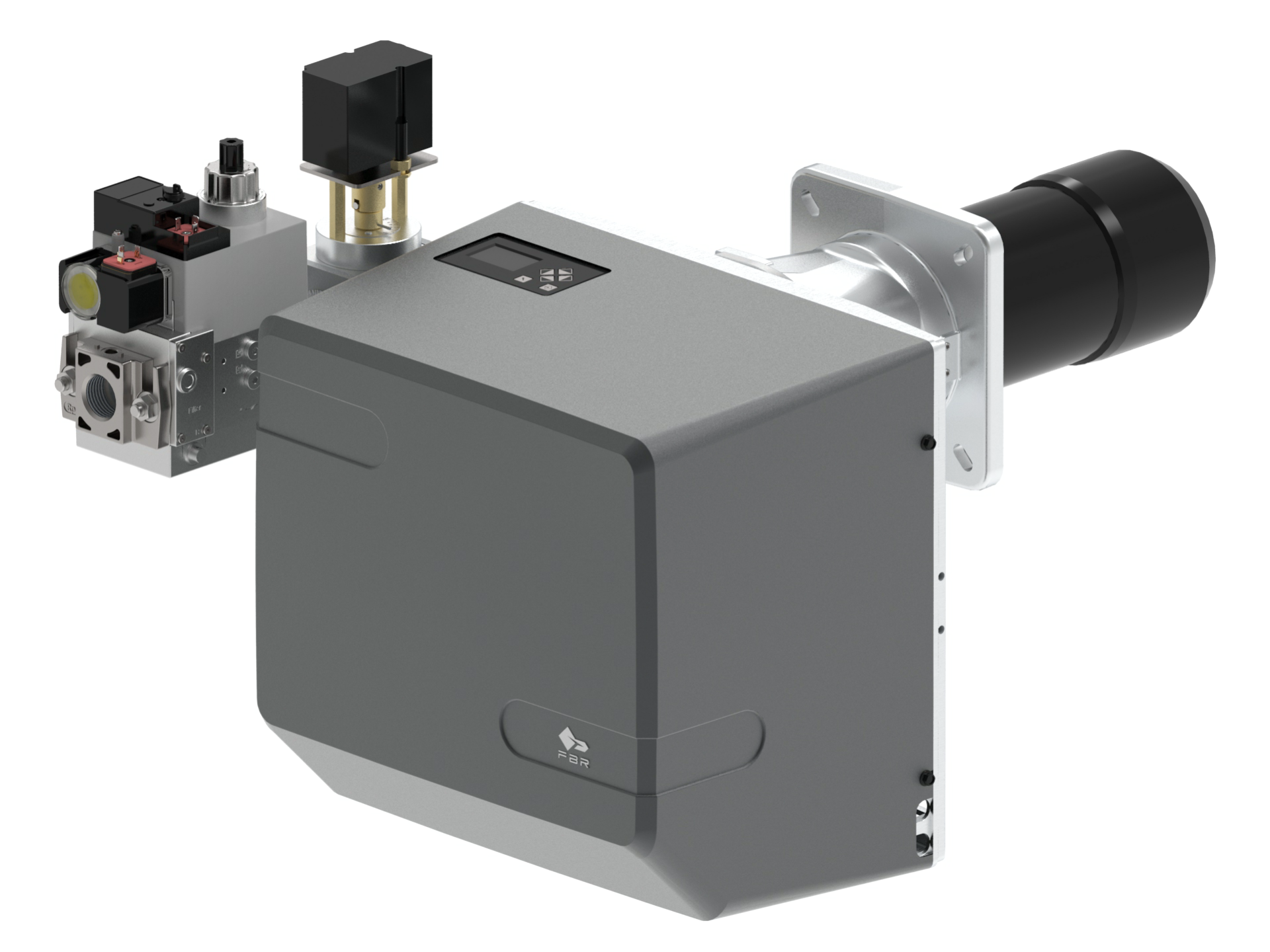
Thermal processing applications represent one of the largest segments for high-pressure nozzle systems and gas burners in global manufacturing. The FBR BURNER GAS X5/MF TL EL VC LPG delivers modulating combustion control essential for precision heating operations. Manufacturing environments—particularly in pharmaceutical production, food processing, and material finishing—require burners capable of PID fully modulating operation when equipped with optional modulation kits and temperature probes.
In these applications, procurement engineers must specify burners with die-cast aluminum bodies that withstand thermal cycling and high-pressure fan systems that maintain consistent combustion even during load fluctuations. The integration of fuel delivery with precise temperature control prevents product degradation and ensures batch consistency. Specifications become critical: a procurement decision affects not just equipment cost but also product quality metrics and manufacturing throughput.
Flat jet nozzles serve complementary roles in spray cooling, coating applications, and washdown systems. The CBM Flat jet nozzle HP 1/4"M BSPT index 25 angle 15° delivers controlled fluid distribution at 1/4" BSPT connections—standard across many industrial spray systems. The 25-index specification provides specific flow characteristics optimized for medium-pressure applications, while the 15° angle geometry creates predictable spray patterns critical for coating uniformity. Procurement engineers selecting nozzles must match index specifications to system pressure ratings; undersizing creates backpressure complications, while oversizing reduces spray control and wastes resources.
HVAC and Heating Systems
Heating, ventilation, and air conditioning systems depend on sophisticated thermal management and safety monitoring. Industry applications in this sector require integrated solutions combining burner systems, fluid delivery, and reservoir management. The modulating capabilities of the GAS X5/MCE-EL burner enable commercial HVAC systems to maintain precise setpoint temperatures while reducing energy consumption—a critical requirement as building codes increasingly mandate efficiency standards globally.
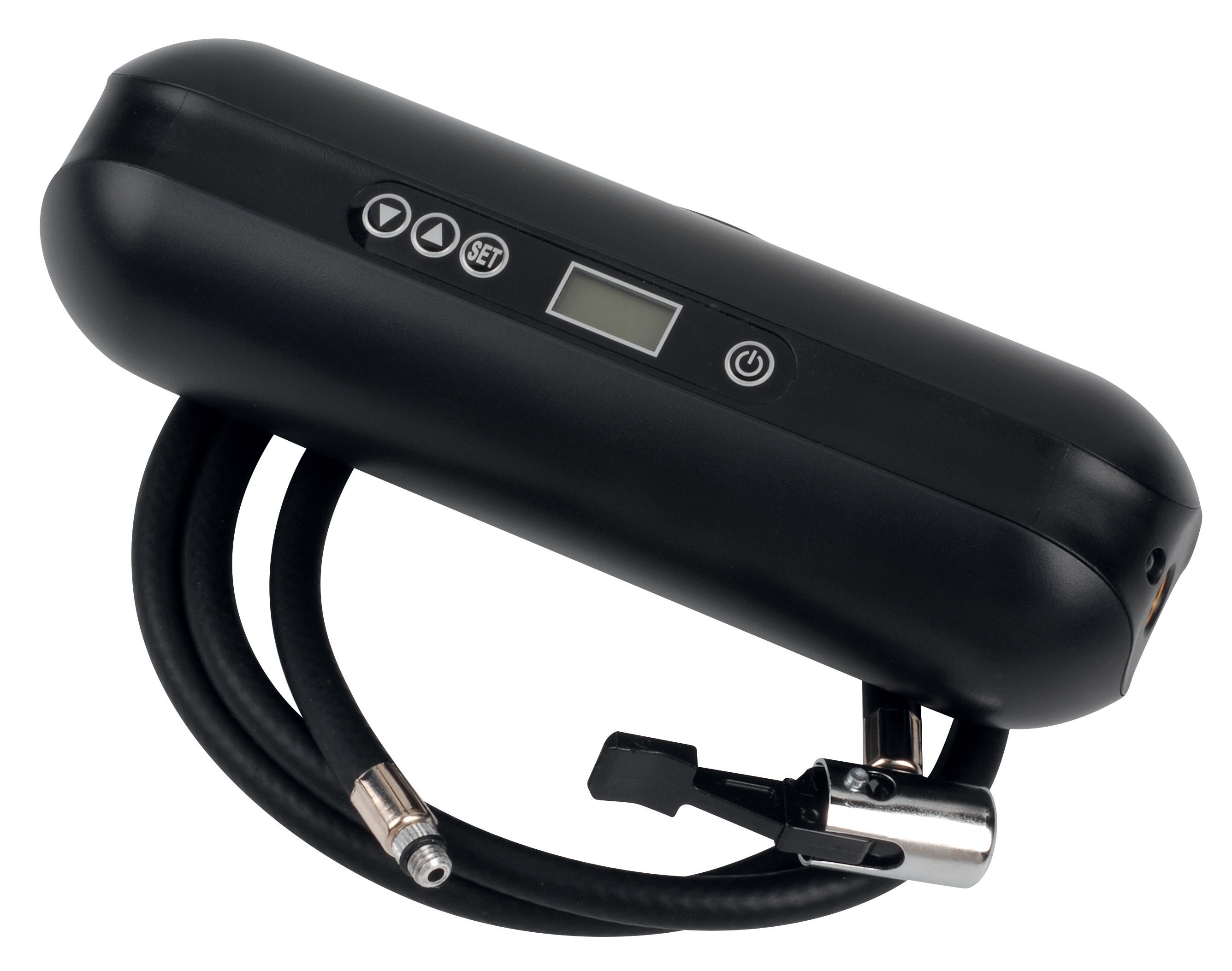
Reservoir expansion tanks require specialized monitoring to prevent system overpressure and fluid loss. The CBM Expansion tank inflator battery 2000 mAH maintains proper precharge pressure in expansion tanks, preventing membrane degradation and system inefficiency. Procurement engineers must understand that expansion tank precharge directly affects system response to thermal cycling; improper precharge leads to nuisance alarms, accelerated membrane wear, and reduced equipment lifespan. This single component—often overlooked during procurement—significantly impacts total system reliability and maintenance costs.
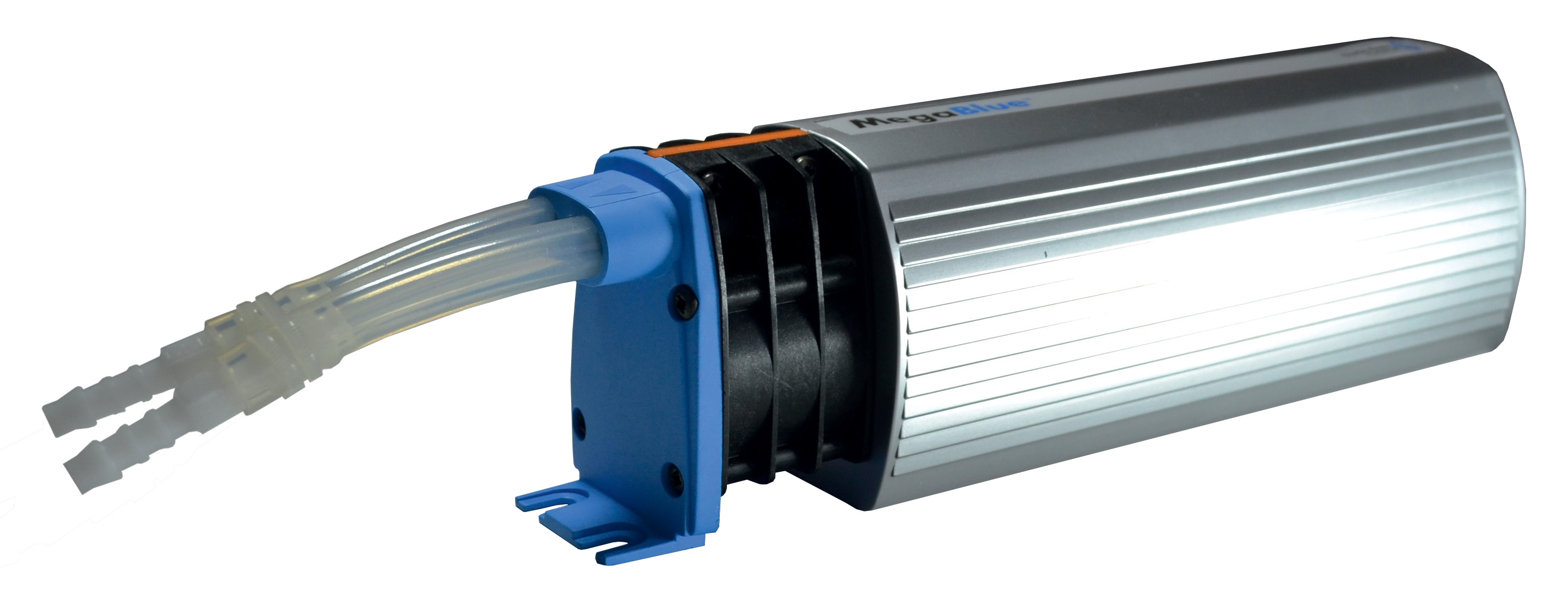
The CBM Megablue reservoir alarm + shut-off X87-813 adds critical safety and operational monitoring to fuel storage systems. In HVAC applications, undetected fuel depletion causes system shutdown without warning, affecting building occupancy and requiring emergency service calls. Industry applications demand that procurement engineers specify alarm systems with both detection and automatic shut-off capabilities—preventing compressor damage from dry-running conditions and providing redundant safety margins.
Industrial Heating and Combustion Engineering
Direct-fire heating applications—including industrial ovens, dryers, and process heaters—rely on precise fuel delivery and combustion control. The CBM Flat jet nozzle HP 1/4"M BSPT index 055 angle 15° addresses higher-flow applications where the 055-index specification delivers increased flow capacity compared to 25-index nozzles. Procurement engineers must recognize that nozzle selection fundamentally determines burner performance; the flat jet geometry minimizes aerosol generation and provides even heat distribution essential for uniform product processing.
In industrial combustion systems, redundant safety monitoring becomes paramount. The alarm and shut-off functions integrated into modern reservoir systems prevent fuel starvation during operation and provide automatic protection if pressure drops unexpectedly. Procurement engineers designing systems for pharmaceutical manufacturing, food processing, or chemical production must specify shut-off capabilities that comply with international safety standards while maintaining operational reliability during normal thermal cycling.
Gas burner modulation particularly impacts energy efficiency in industrial applications. The PID (proportional-integral-derivative) control capability of the FBR BURNER GAS X5/MF TL EL VC LPG enables precise combustion adjustment in response to load variations. A furnace operating at 50% load with non-modulating burners wastes significant fuel through incomplete combustion and thermal losses. Modulating burners reduce fuel consumption by 15-25% in many industrial applications—translating to substantial lifecycle cost savings that justify the higher initial equipment investment.
Global Procurement Considerations and System Integration
Specification Compatibility and Regional Standards
Global procurement requires understanding how specifications translate across markets. The 1/4" BSPT (British Standard Pipe Taper) connection standard appears consistently in products like the CBM Flat jet nozzle HP 1/4"M BSPT index 25 angle 15° and CBM Flat jet nozzle HP 1/4"M BSPT index 055 angle 15°, ensuring compatibility with international piping systems. However, procurement engineers must verify that system operating pressures match nozzle ratings; BSPT connections have pressure limitations determined by thread engagement depth and material specifications.
Fuel gas specifications vary significantly by region. LPG (liquefied petroleum gas) availability and composition differ between North America, Europe, Asia-Pacific, and Middle Eastern markets. The FBR BURNER GAS X5/MF TL EL VC LPG specifically designed for LPG requires verification that regional fuel properties match equipment specifications. Procurement engineers must confirm fuel supplier certifications and pressure characteristics before specifying equipment for new markets.
Temperature and humidity ranges affect component performance dramatically. Equipment specified for temperate North American climates may experience premature failure in tropical environments where humidity accelerates corrosion of aluminum bodies and electrical connections. Likewise, cold climate applications require burner systems with enhanced cold-start capabilities and preheating provisions not necessary in moderate zones. Procurement decisions must account for regional environmental factors alongside basic functional requirements.
Cost-of-Ownership Analysis
Procurement engineers increasingly focus on total cost of ownership rather than simple equipment purchase price. A high-quality expansion tank inflator like the CBM Expansion tank inflator battery 2000 mAH costs marginally more than basic alternatives but prevents costly system failures, extends component lifespan, and reduces maintenance frequency. Over a 10-year installation lifecycle, proper precharge maintenance reduces emergency service calls and unplanned downtime—costs that typically exceed equipment purchase price by 2-3x.
Similarly, integrated safety monitoring through systems like the CBM Megablue reservoir alarm + shut-off X87-813 represents preventive investment. Fuel starvation during critical production periods creates ripple effects: production delays, emergency service mobilization, potential product loss, and reputation damage. Procurement engineers quantifying these risks typically justify higher specification costs through compelling ROI calculations that senior management readily approves.
Supply Chain and Technical Support
With 35+ years of global distribution experience, 3G Electric understands that procurement engineers need reliable access to technical documentation, replacement components, and application support. Equipment specified through established distributors ensures documentation availability, spare parts accessibility, and technical troubleshooting support—critical factors often underestimated during procurement decisions. A seemingly cost-effective purchase from unfamiliar suppliers may create long-term support challenges that ultimately drive total costs higher.
Actionable Selection Criteria for Procurement Engineers
When evaluating industry applications for your specific operation, consider these structured selection criteria:
Pressure and Flow Requirements: Match nozzle index specifications (25 vs. 055) to system pressure ratings and required flow volumes. Document operating pressure ranges with 20-30% safety margin above peak expected pressures.
Environmental Conditions: Verify equipment ratings for temperature extremes, humidity levels, and corrosive atmospheres in your specific installation location. Aluminum components in marine environments require additional protective coatings.
Control Integration: Confirm burner modulation capabilities match your process control requirements. PID modulating systems require temperature probe integration and controller compatibility—plan electrical specifications during procurement.
Safety Redundancy: Specify alarm and automatic shut-off functions appropriate to your process criticality. Single-point-of-failure risks should trigger consideration of backup systems or enhanced monitoring.
Fuel Specifications: Verify fuel type availability and composition consistency in your supply region. Gas burner specifications must match local fuel standards and pressure characteristics.
Maintenance Access: Design systems allowing convenient access to components requiring periodic maintenance—nozzle cleaning, burner inspection, and tank pressure checks. Installation decisions made during procurement significantly impact long-term operating costs.
Conclusion
Industry applications of fluid control systems, burners, and reservoir monitoring equipment require sophisticated technical knowledge and strategic procurement approach. The equipment decisions made today determine operational reliability, energy efficiency, and maintenance costs for the next decade. By understanding specific application requirements, evaluating total cost of ownership, and partnering with experienced distributors like 3G Electric, procurement engineers ensure systems that deliver reliability, efficiency, and long-term value. Whether managing thermal processing, HVAC systems, or industrial combustion applications, proper component specification and integration create competitive advantages that extend far beyond initial equipment investment.