Understanding Measurement & Detection Integration Across Global Operations
Procurement engineers managing industrial facilities across multiple regions face a critical challenge: selecting Measurement & Detection systems that function seamlessly across different operational environments, regulatory frameworks, and technical infrastructures. The complexity multiplies when facilities operate in various climates, use different voltage standards, and require compliance with region-specific safety protocols.
With over 35 years of experience as an global industrial equipment distributor, 3G Electric has guided thousands of procurement professionals through this exact decision-making process. The key to successful integration isn't choosing individual components in isolation—it's designing a coherent Measurement & Detection ecosystem that reduces redundancy, simplifies maintenance, and provides unified monitoring across your entire operation.
This guide walks you through the comparative analysis framework that leading procurement teams use to evaluate integrated Measurement & Detection solutions, ensuring your capital investments deliver long-term value across multiple sites and operational contexts.
Comparative Analysis: Sensor Technology Selection for Multi-Site Operations
Evaluating Detection Technologies Across Different Environments
When deploying Measurement & Detection systems globally, you're likely managing facilities with vastly different requirements. A pharmaceutical manufacturing plant in Europe has different temperature and humidity sensitivities than a petrochemical operation in the Middle East. Your gas detection needs in a confined-space facility differ fundamentally from those in an open processing area.
The first step in procurement comparison is mapping your facility types against available sensor technologies:
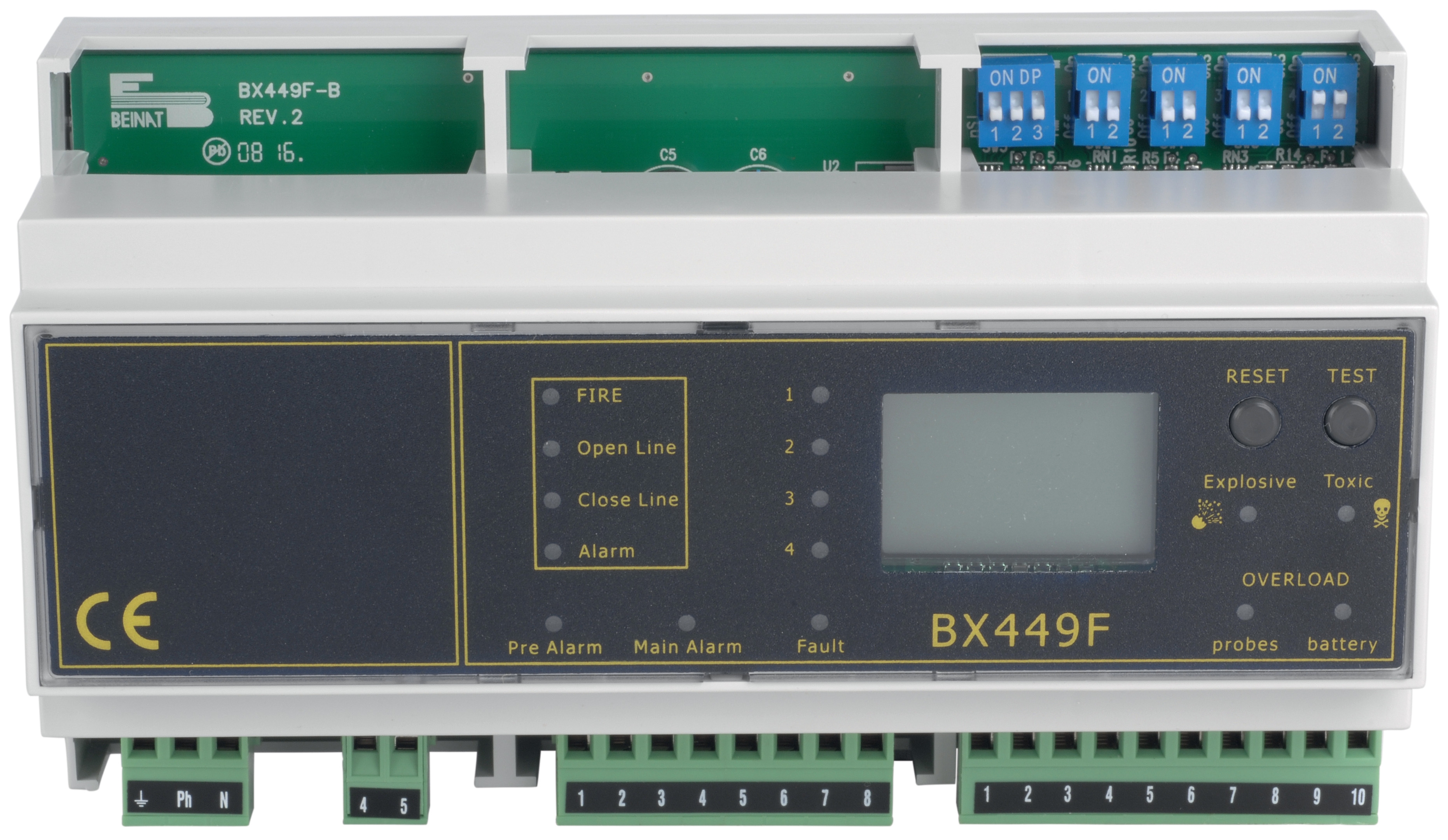
Gas Detection Systems: For sites requiring continuous environmental monitoring, centralized gas detection centers offer significant advantages over distributed single-sensor installations. The CBM Gas detection center Din rail 8 probes - 12V exemplifies this integration approach, allowing you to monitor up to eight different gas hazards simultaneously from a single control point. When comparing gas detection solutions across your portfolio, calculate the cost per monitored location. A centralized unit with eight probes typically costs less per monitored point than eight individual sensors spread across a facility, plus it simplifies calibration schedules and reduces training requirements.
Temperature Measurement Systems: Temperature sensing strategies vary dramatically based on application. Surface-mounted sensors like the CBM Surface temperature sensor TE-SNW-E serve different purposes than immersion probes or infrared systems. For procurement decisions, create a matrix showing which temperature measurement approach serves each facility type: process monitoring (immersion), equipment protection (surface), or environmental control (ambient air). Surface sensors cost less to install, require no process interruption, and integrate easily with existing DIN rail infrastructure—making them ideal for retrofit projects where capital budgets are constrained.
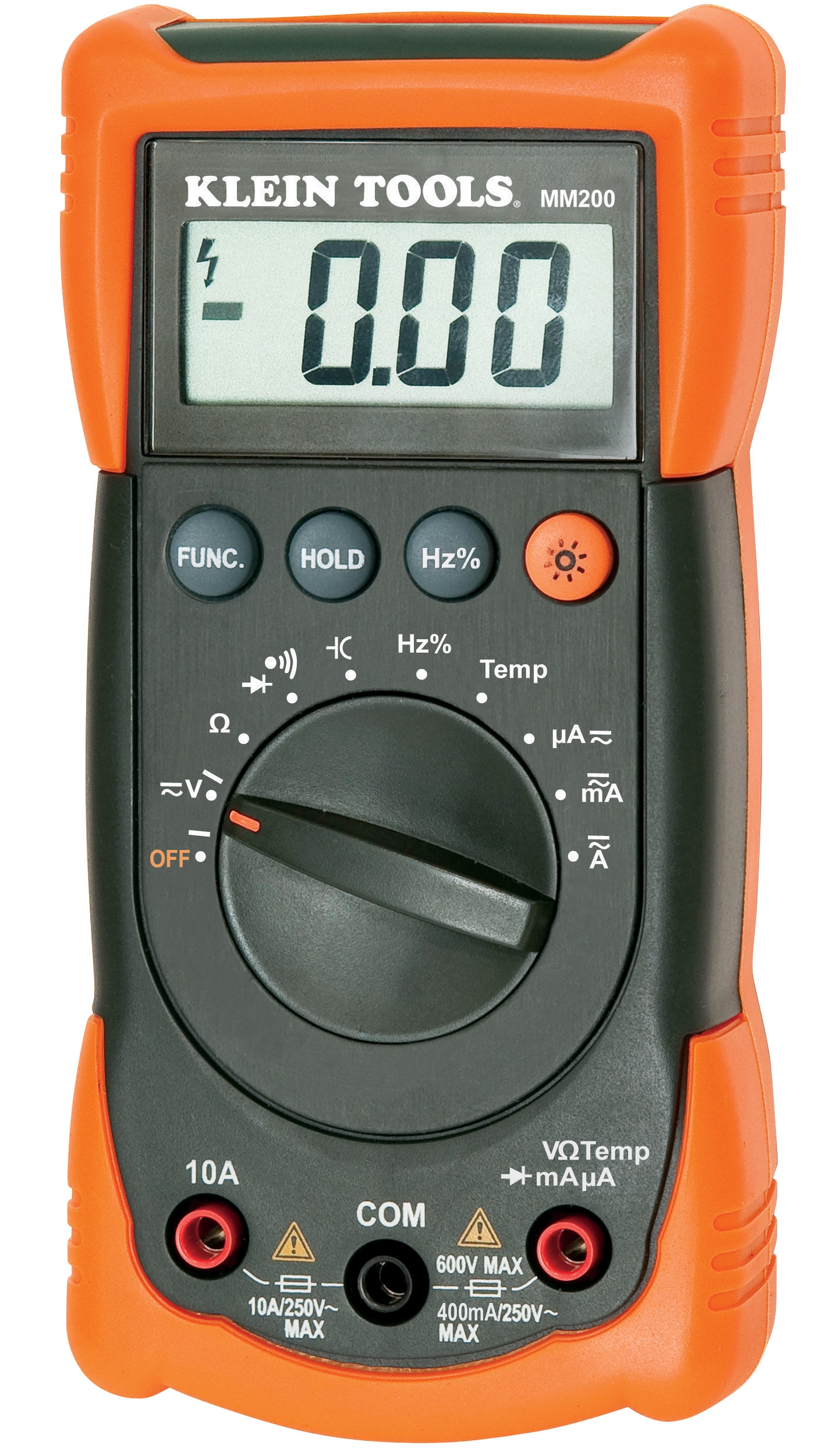
Electrical Measurement Tools: Your measurement strategy must include reliable electrical diagnostics. The CBM Automatic multimeter MM420 represents a different procurement consideration than fixed electrical monitoring systems. Manual measurement devices offer flexibility and portability for troubleshooting across multiple sites, while permanent installations provide continuous data. Many procurement teams adopt a hybrid approach: fixed monitoring on critical circuits and portable meters for maintenance teams conducting equipment audits.
Cost-Benefit Comparison Framework
Beyond initial purchase price, evaluate these factors for each Measurement & Detection technology:
- Installation Costs: Centralized systems with multiple probes typically require higher initial installation investment but lower per-point costs. Distributed systems spread installation expense but create redundant infrastructure.
- Calibration & Maintenance: Centralized gas detection (like the DTK08016) requires one calibration schedule. Eight distributed sensors demand eight separate maintenance cycles, increasing labor expense and compliance documentation.
- Spare Parts Inventory: Standardizing on specific product lines reduces the variety of spare components your procurement team must stock globally. This simplifies supply chain management and reduces working capital tied up in inventory.
- Training Requirements: Fewer equipment types across your operations means more efficient technician training and faster troubleshooting when issues occur.
- Data Integration: Modern Measurement & Detection systems increasingly offer digital output capabilities. Compare whether solutions can feed data into your existing SCADA systems, condition monitoring platforms, or enterprise asset management software.
Pressure Measurement Comparison: Analog Gauges vs. Digital Monitoring
Pressure measurement often represents a forgotten component in Measurement & Detection procurement decisions, yet it significantly impacts operational safety and efficiency. Many facilities operate a mix of analog gauges and digital pressure transmitters, creating inconsistent data quality and maintenance challenges.
Analog Gauge Selection Criteria
Despite the digital revolution, quality analog pressure gauges remain essential for applications where electrical power is unavailable, cost must be minimized, or redundancy is required. Comparing pressure gauge options requires understanding application-specific requirements:
The CBM Green ABS pressure gauge D63 0/+1bar G1/4 serves low-pressure applications—HVAC systems, gentle pneumatic processes, or pressure verification points where high accuracy at low ranges matters. These 0-1 bar gauges are cheaper than high-range alternatives but become useless if your actual pressure exceeds their range, making specification accuracy critical.
Conversely, the CBM ABS green gauge D50 0/+250bar G1/4 handles industrial pneumatic and hydraulic systems operating at substantial pressures. When comparing gauge selections for your global facilities, create pressure range maps showing what pressures exist at each location. This prevents over-specification (buying 250 bar gauges for 1 bar applications, wasting capital) or under-specification (gauges that constantly operate at the extreme of their range, reducing accuracy and lifespan).
Selection Criteria Comparison
When evaluating analog pressure gauges across your operations:
- Accuracy Class: Industrial-grade gauges typically offer 1.6% accuracy at full scale. Verify whether your process requires this or if 2.5% accuracy suffices—lower accuracy classes cost less.
- Case Material: ABS plastic cases cost significantly less than stainless steel, making them suitable for dry, indoor installations. For marine environments, chemical exposure areas, or outdoor facilities, stainless steel justifies its premium price through extended service life.
- Glycerin-Filled vs. Dry: Glycerin-filled gauges dampen needle fluctuation, providing clearer readings in pulsating pressure systems. Dry gauges work fine for stable pressure applications. The cost difference is modest, but the technology choice depends on your process characteristics.
- Connection Size: G1/4" (as shown in both CBM pressure gauge options) is the industrial standard, ensuring compatibility across equipment types. Verify all new installations use standard connections to simplify future component replacement.
Measurement & Detection Integration Strategy for Procurement Excellence
Creating a Standardized Equipment Platform
Successful procurement teams develop what we call a "standardized equipment platform"—a defined set of measurement and detection products deployed consistently across all owned and operated facilities. This approach, refined through 3G Electric's 35+ years of distributor experience, delivers measurable benefits:
Supply Chain Efficiency: Standardizing on specific product lines (particular gas detection centers, temperature sensors, meters, and pressure gauges) allows your procurement team to negotiate volume pricing. Suppliers offer 15-25% discounts for consistent, predictable orders compared to one-off purchases.
Maintenance Optimization: When every facility uses identical Measurement & Detection equipment, your maintenance team develops deep expertise. Technicians become highly efficient at installation, troubleshooting, and calibration, reducing downtime and error rates.
Documentation Simplification: Standardization dramatically reduces documentation complexity. Instead of maintaining technical libraries for 20 different gas detectors, five pressure gauge types, and eight temperature sensor models, you maintain focused documentation for your chosen platform.
Cross-Site Spare Parts Sharing: Facilities operating identical equipment can share spare components, reducing overall inventory investment. A centralized spare parts hub serving multiple sites costs less than maintaining separate inventories at each location.
Implementation Roadmap for Multi-Site Rollout
Transitioning to standardized Measurement & Detection equipment across existing facilities requires careful planning:
Phase 1 - Baseline Assessment: Audit current measurement and detection equipment at all facilities. Document equipment types, installation dates, performance history, and maintenance costs. This data justifies investment in standardized replacements by quantifying problems with current fragmented approach.
Phase 2 - Pilot Implementation: Select one or two representative facilities for initial deployment of your standardized platform. This reveals integration challenges, training needs, and maintenance process adjustments before company-wide rollout. Pilot sites provide valuable operational data to refine your approach.
Phase 3 - Phased Replacement: Develop a replacement schedule aligned with equipment end-of-life dates and capital budget cycles. Don't force replacement of functioning equipment simply to achieve standardization—instead, time replacements to coincide with planned maintenance or facility upgrades.
Phase 4 - Training & Documentation: Invest in comprehensive technician training before deploying new equipment. Create standardized operating procedures, calibration protocols, and troubleshooting guides specific to your chosen Measurement & Detection platform. This investment pays dividends through reduced errors and faster problem resolution.
Data Management and Compliance Tracking
Modern Measurement & Detection systems increasingly integrate with digital platforms. When evaluating solutions, consider how measurement data flows into your enterprise systems:
- SCADA Integration: Can your gas detection centers, temperature sensors, and pressure monitoring devices feed data directly into existing SCADA systems?
- Regulatory Documentation: Many jurisdictions require documented evidence of calibration and maintenance. Does your Measurement & Detection system simplify compliance documentation?
- Predictive Analytics: Some modern systems enable condition-based maintenance by tracking measurement trends. Can your chosen platform support this operational model?
- Remote Monitoring: For global operations with facilities in multiple time zones, remote monitoring capabilities reduce the need for constant on-site presence.
Practical Procurement Decision Framework
Use this framework when comparing Measurement & Detection solutions for your global operations:
Step 1 - Define Requirements Matrix: List every facility type (manufacturing, warehouse, laboratory, utility). For each type, specify required measurements (gas detection, temperature, pressure, electrical) and environmental conditions (temperature range, humidity, chemical exposure).
Step 2 - Technology Comparison: Against your requirements, evaluate available technologies. Create a scoring matrix comparing accuracy, cost, maintenance intensity, and integration capabilities.
Step 3 - Lifecycle Cost Analysis: Calculate not just purchase price but five-year ownership cost including installation, calibration, spare parts, training, and documentation. This reveals that cheaper equipment often costs more over its full lifecycle.
Step 4 - Supplier Relationship: Evaluate vendors not just on product selection but on support capabilities. Can your supplier efficiently service multiple global locations? Do they offer training programs? Can they provide technical consultation during installation?
Step 5 - Standardization Plan: Based on analysis, identify 3-4 core products that will constitute your standardized platform. For specialized applications requiring different equipment, document the exception and justification.
Procurement excellence in Measurement & Detection comes from viewing the decision not as individual component purchases but as strategic investments in operational consistency, safety, and efficiency across your entire global portfolio.